Tag: PlantainFlour

  • Wholesome Luxury at Your Door: Same-Day Delivery in Ago Iwoye, Ibadan & Abeokuta

    Wholesome Luxury at Your Door: Same-Day Delivery in Ago Iwoye, Ibadan & Abeokuta

    It usually starts the same way.

    A student gets back from lectures, opens the cupboard and realises there’s nothing simple to eat.
    A mum remembers she promised “hot pap” in the morning… then remembers she’s out of pap powder.
    An eco-conscious shopper wants clean staples, but doesn’t want to keep jumping from place to place hoping the quality is right.

    And then comes the line we’ve heard too many times:

    “I’ve been looking for this.”

    If that’s you, we have good news: your search ends here.
    Green Unison can now deliver to you the same day you place your order in Ago Iwoye, Ibadan and Abeokuta (we’ll confirm your delivery window on chat based on time of order and route).

    Wholesome luxury has come closer — knocking on your door.

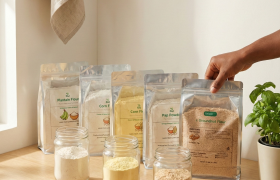
    What you can order for same-day delivery

    These are the pantry staples people keep coming back for (and yes, you can stock up):

    Want to browse everything in one place?
    Explore the full shop here: greenunison.com/shop

    A small story from three doorsteps

    1) The student who needed something fast

    It’s late afternoon. You’re tired. You want something familiar that doesn’t take forever.

    That’s where staples like pap powder and corn flour shine: quick meals, easy routines, less stress.

    Now imagine sending a message, placing your order… and knowing it can arrive that same day.

    2) The mum who just wants tomorrow morning to go smoothly

    Mornings move quickly. When the basics are in the house, everything feels calmer.

    A small pack of Pap Powder (200g) is perfect for “let me just start with this” moments.
    Bigger packs are for families that don’t want to keep running out.

    3) The eco-conscious shopper who is tired of the endless search

    Quality matters. But so does time, transport and the mental load of “Where can I find the good one?”

    This is the heart of the update:
    wholesome luxury has come closer — so you don’t have to keep going farther.

    How same-day delivery works (simple)

    1. Choose what you want (product + size).
    2. Message us with your location (Ago Iwoye / Ibadan / Abeokuta + your area).
    3. We confirm availability, total cost and delivery fee, then dispatch.
    4. Receive your order same day (based on confirmation/time of order and route).

    Prefer to buy through a reseller near you?

    We’re building access community by community. You can also order via our resellers:

    • Amuloko, Ibadan (Oyo State)
    • Pagun, Ibadan (Oyo State)
    • Abeokuta (Ogun State)
    • Mariam, Ago Iwoye (Ogun State)
    • …and more to come

    Quick ideas: what to do with these staples

    If you’re stocking up, here are a few simple ways people use them:

    • Pap Powder: quick breakfast pap, or set pap (eko style) for home routines
    • Plantain Flour: swallow, quick thickener for soups, or simple pancakes
    • Corn Flour (white/yellow): swallow, porridge base, or light baking experiments
    • Groundnuts / Groundnut Flour: snacks, blends, and add-ins for flavour and satisfaction

    Kind note: our blog content is for general food inspiration and everyday cooking guidance — not medical advice.

    FAQs

    Do you really deliver the same day?

    Same-day delivery is available in Ago Iwoye, Ibadan and Abeokuta. We’ll confirm your delivery window once you message (it depends on time of order and route).

    What if I’m not sure what size to buy?

    Start small if you’re testing: 200g is available for Plantain Flour and Pap Powder. For regular cooking, 500g is a solid middle option; 1kg is great for families and repeat meals.

    White or yellow corn flour — which should I pick?

    Choose based on preference: white is classic and neutral; yellow is slightly richer in colour. Both work for swallow and other meals.

    Do you ship outside these cities too?

    Yes — you can still order via the shop, but this post is specifically for same-day delivery within Ago Iwoye, Ibadan and Abeokuta.

    Any allergy notes?

    Groundnuts and groundnut flour are not suitable for anyone with a peanut allergy. Always check before serving to guests or children.

    Order now (quick links)

    Your search is over. Wholesome luxury has found you

  • Plantain Flour Amala: The 3-Minute Whisk Method (Plus How to Fix Lumps, Stickiness & Bitter Taste)

    Plantain Flour Amala: The 3-Minute Whisk Method (Plus How to Fix Lumps, Stickiness & Bitter Taste)

    If you’ve ever made plantain flour amala and ended up with lumps, a sticky paste, or a slightly bitter taste, you’re not alone. The good news: you don’t need a sieve, special tools, or long stirring sessions.

    This is the 3-minute whisk method we use when we want smooth amala fast—plus exact fixes if anything goes wrong.

    Best for: busy weeknights, first-timers, “I need swallow now” moments.


    What you’ll need (simple)

    • Plantain flour (finely milled works best): Nature Powered Plantain Flour
    • Water
    • A pinch of salt (optional, but helpful for taste)
    • Balloon whisk (or a sturdy fork in a pinch)
    • Pot + wooden spatula (for final smoothing)

    Want to browse all our flours? Start here: Shop Flours


    The 3-Minute Whisk Method (Lump-Free)

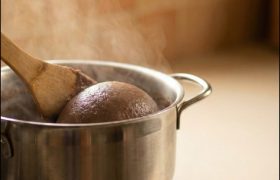
    Step 1: Get your water hot (30–60 seconds)

    Bring water to a boil, then reduce to medium heat (still steaming/hot, not raging).

    Step 2: Whisk first, pour flour like rain (60–90 seconds)

    Keep the whisk moving and sprinkle plantain flour gradually—don’t dump it all at once.
    You’ll see it thicken quickly.

    Step 3: Smooth & fold (60 seconds)

    Once it gets thick enough that whisking feels heavy:

    • switch to a wooden spatula
    • fold, press, and turn for about 1 minute
    • cover for 30 seconds (optional), then give it one final smooth turn

    Done. Serve immediately with your favourite soup.


    Quick ratio guide (start here, then adjust)

    Because flour fineness and personal preference vary, use this as a reliable starting point:

    • 1 cup plantain flour : 2 cups water → firm, classic swallow texture
    • Prefer it softer? add hot water 1–2 tablespoons at a time while turning.

    Tip: If you’re cooking for one, start smaller and scale up once you like your texture.


    Troubleshooting (Save this part)

    1) “I have lumps” — How to fix it fast

    Why it happens: the outside of the flour hits hot water and gels before the inside hydrates.

    Fix (choose one):

    • Hot-water rescue: take pot off heat, add 2–4 tbsp hot water, whisk hard for 20–30 seconds, then return to medium heat and turn smooth.
    • Press & turn: press lumps against the pot side with your spatula while turning.
    • Prevention for next time: sprinkle flour gradually and keep whisk moving before it thickens.

    2) “It’s sticky / gluey” — How to correct it

    Common causes:

    • too much water
    • undercooked (needs a bit more heat time)
    • too much aggressive stirring after it has set

    Fix:

    • return to medium heat for 60–90 seconds, turning gently (cooking helps it set properly)
    • if it’s still too soft, sprinkle 1–2 teaspoons of plantain flour and turn until it firms up
    • cover for 30–60 seconds to steam, then smooth once

    3) “It tastes bitter” — What’s going on?

    Plantain flour can have a naturally “earthy” note, but bitter is usually one of these:

    • flour has picked up off-flavours from heat/humidity
    • flour stored unsealed near strong smells
    • pot got too hot and the bottom scorched slightly

    Fix now:

    • add a tiny pinch of salt and serve with a rich soup (bitterness fades in balance)
    • if you suspect scorching, transfer to a clean pot and continue gently for 30 seconds

    Prevent next time:

    • store flour sealed, cool, and dry
    • avoid very high heat once thickening starts

    Common mistakes (and the easy swap)

    • Dumping flour in one go → sprinkle it gradually
    • Whisking stops too early → whisk until it’s thick, then switch to spatula
    • Heat too high → medium heat gives smoother results

    FAQs

    Can I mix with cool water first?

    Yes—if you’re a beginner, you can make a smooth slurry with a little cool water first, then pour into hot water while whisking. It’s slower, but very safe for lump-free results.

    Can I reheat leftover amala?

    Yes. Add a splash of hot water, cover, and warm on low heat. Turn once it softens.

    What to buy for this method?

    If you want the easiest, smoothest start, use a finely milled flour:


    Related reads from our blog


    Call to action (order in 30 seconds)

    Ready to make lump-free plantain flour amala this week?

    • 🛒 Buy on website: greenunison.com
    • 📦 WhatsApp catalogue: https://wa.me/c/2348103043789
    • 💬 Chat to order (prefilled): https://wa.me/2348103043789?text=Hi%20Green%20Unison%2C%20I%20want%20to%20order%20Plantain%20Flour%20for%20amala%20ogede.%20Please%20share%20your%203-minute%20whisk%20method%20ratio%20and%20delivery%20options.%20Thank%20you%21

    Pin this post so the troubleshooting section is always one scroll away.

  • Baby & Toddler Porridge Guide: Using Pap Powder and Plantain Flour

    Baby & Toddler Porridge Guide: Using Pap Powder and Plantain Flour

    Feeding your little one a nutritious meal shouldn’t be a daily struggle. For many families, pap (also known as ogi or akamu) has long been a go-to first food during weaning. Now, with Pap Powder and Plantain Flour readily available, you can easily prepare wholesome, home-made porridge that babies and toddlers love. This guide will walk you through what Pap Powder and Plantain Flour are, their nutritional benefits, and how to use them to create energizing porridge for your baby or toddler – all with a friendly local twist and zero guesswork.

    What Is Pap Powder (Ogi/Akamu) and Why Use It for Baby Porridge?

    Pap is a smooth fermented cereal pudding made from maize (corn) and sometimes other grains. It’s a traditional weaning food in Nigeria (called ogi in Yoruba, akamu in Igbo, koko in Hausa) prized for its easy digestion and comforting taste. Pap Powder is simply pap in a convenient dry form – finely milled and ready to cook without the labor-intensive process of soaking and fermenting corn at home.

    Why Pap Powder is great for babies: It provides a belly-filling base of carbohydrates for energy, yet is gentle on tiny tummies. The fermentation process breaks down complex starches, making the pap easier to digest for infants. Green Unison’s Pap Powder is 100% natural fermented maize with no additives, so it’s smooth and safe even for babies as young as 6 months starting solids. It’s also gluten-free and contains modest amounts of key minerals like potassium and magnesium from the corn.

    When prepared as a warm porridge, pap has a familiar mild taste that babies accept readily. It can be served on its own or mixed with a little milk. Plus, you can adjust the consistency – make it thin and runny for a 6–8 month old, or thicker and more spoonable for an older toddler. (For tips on achieving either creamy pap (ogi) or firm set pap (eko), see our guide “Eko vs Ogi: One Pap Powder, Two Textures” on the blog.) Pap is a blank canvas: you can enrich it with other healthy add-ins as your child grows (more on this later).

    👉 Internal link: Learn more about pap’s versatility in Eko vs Ogi: One Pap Powder, Two Textures (how to make a creamy pap vs a firm set pap).

    What Is Plantain Flour and Why Use It for Baby Porridge?

    Plantain flour is made from dried, milled unripe plantains (known as elubo ogede in Yoruba). It’s traditionally used to make amala ogede (a solid “swallow” meal), but it also shines as an ingredient for porridge and other foods. Plantain Flour brings some superb nutritional benefits to your baby’s bowl:

    • Vitamins and Minerals: Unripe plantains are a good source of vitamins A, C, B6, plus minerals like potassium and magnesium. These nutrients support your child’s immunity, growth, and development.
    • High Fiber and Resistant Starch: Plantain flour is rich in fiber and resistant starch, a type of carbohydrate that acts as a prebiotic to support healthy gut bacteria and digestion. This means it can help keep your baby’s tummy happy and full for longer. The complex carbs in plantains also provide slow-releasing energy, great for active toddlers.
    • Allergy-Friendly: It’s naturally gluten-free, grain-free and contains no added sugar or preservatives – just pure plantain. If you’re looking to introduce variety beyond typical rice or wheat cereals, plantain is an excellent local alternative.

    Why plantain porridge is great for babies: For generations, mothers have fed unripe plantain porridge to young children as a complementary food from around 6 months of age. It’s often thought of as “baby food” because of its gentle, nourishing nature. Unlike ripe bananas, unripe plantain flour isn’t very sweet on its own – which is actually good, as it helps your baby learn to enjoy less sugary flavors. When cooked into a porridge with water or milk, it has a creamy consistency similar to oat cereal. Plantain flour porridge contributes valuable nutrients and variety to a weaning diet, though (like pap) it’s not a standalone source of iron or protein. It should be served alongside other foods or fortified (e.g. with a bit of protein) for a balanced meal.

    Green Unison’s Smooth Plantain Flour is finely milled so it cooks quickly without lumps, and it’s made from 100% Nigerian plantains with no additives. It’s a “best seller” in our shop for good reason – many moms love using it not just for amala, but also to thicken baby foods and make hearty porridge. In fact, our Plantain Flour is labeled as “great as a mild base for baby foods and weaning porridges” right on the package!

    👉 Internal link: Read our in-depth post Local Superfoods: Corn, Plantain & Groundnut Flour Nutrition Unpacked for more on the nutritional highlights of these flours.

    How to Prepare Porridge with Pap Powder and Plantain Flour

    Making a porridge from Pap Powder or Plantain Flour is quick and beginner-friendly. You can prepare them separately on different days to give your baby a variety of tastes, or even combine a bit of each in one meal (for example, adding a spoon of plantain flour into pap) to blend the benefits of both. Below are simple preparation guides for each:

    Preparing Pap Powder Porridge (Ogi Akamu) for Baby

    You will need: Pap Powder, clean water (and optionally breast milk/formula or milk for older babies).

    1. Mix with cool water: In a clean bowl, put 3–4 tablespoons of Pap Powder (for one baby portion). Add a small amount of cool or room-temperature water and stir to dissolve the powder into a smooth, runny paste (no lumps). This step is key to avoid lumps later.
    2. Add to boiling water: In a pot or kettle, bring about 1–2 cups of water to a rolling boil. Reduce the heat to low, then slowly pour the pap paste into the boiling water while stirring continuously with a spoon or whisk. The pap will begin to thicken almost immediately.
    3. Cook to desired consistency: Keep stirring on low heat for a few minutes until you see a smooth, creamy porridge. For a baby of 6–8 months, you might stop when it’s a lighter, custard-like consistency. For a toddler, you can cook it a bit longer for a thicker pap. (Tip: If it ever gets too thick, just stir in a little boiled water to thin it out.)
    4. Cool and enrich: Allow the pap to cool down to a warm (not hot) temperature before serving. Never feed a baby very hot pap – always test the temperature on the inside of your wrist. You can mix in a bit of breast milk or prepared infant formula at this stage to cool and enrich the pap. This not only adds nutrients but also a familiar taste that many babies love. You can also mash in a teaspoon of fruit puree (e.g. banana or pear) for natural sweetness instead of sugar.

    Pap is quite plain on its own. For babies under 12 months, avoid adding sugar or honey (honey is unsafe for infants under 1 year old). Instead, rely on the natural mild sweetness of corn or add naturally sweet fruit. As your baby grows, you can introduce a little toddler-safe fortifier: a spoon of Groundnut Flour (peanut flour) or soybean powder can boost protein – though note that Green Unison Groundnut Flour is currently out of stock. Another idea is to serve pap alongside a protein like mashed beans or an egg yolk (for older babies), rather than mixing it in. Always introduce new add-ins gradually to ensure your child tolerates them well.

    Preparing Plantain Flour Porridge for Baby

    You will need: Plantain Flour, water or milk (plus optional add-ins like fruit or formula as above).

    1. Stir into liquid: Plantain flour doesn’t need pre-soaking. Start by mixing 1–2 tablespoons of Plantain Flour into about 1 cup of water or milk in a pot before turning on the heat. Stir it well so it’s mostly dissolved. (Using a whisk or even blending it with some of the liquid can help if you want it super smooth.)
    2. Cook gently: Place the pot on the stove and cook over medium heat, stirring continuously. As it warms up, the mixture will thicken. Continue cooking and stirring for about 5 minutes. You can add a splash more liquid if it becomes too thick. The goal is a smooth, creamy porridge with no raw flour taste. Tip: You can also mix Plantain Flour into already-hot water like pap, but starting cold gives a bit more time to break up lumps.
    3. Adjust thickness: Just like pap, you can tailor the consistency. For younger babies, a thinner gruel is easier to swallow – simply use more water/milk. For toddlers, you might make it as thick as oatmeal. If it over-thickens, stir in a little warm water to loosen it.
    4. Add final touches: Once cooked, let it cool to a safe temperature. Plantain porridge has a mild, earthy taste. Enhance it by stirring in some breast milk or formula after it cools slightly, or mix in fruit purees (mashed banana goes wonderfully with plantain!). A pinch of cinnamon or vanilla can also be added for aroma if your baby is old enough for mild spices. No need to add sugar – it’s best for babies to enjoy it as is or with natural fruit sweetness.

    Note: Unripe plantain porridge will have a light tan color and a different aroma than corn pap – every baby is different, so if yours isn’t sure about it at first, try combining a small amount of plantain porridge with pap or another familiar cereal initially. Over time, they may come to appreciate the new taste. Many moms report their toddlers actually prefer plantain porridge once they get used to it, because of its creamy, hearty texture.

    Serving Tips and FAQs

    How often can I serve pap or plantain porridge? – These porridges can be given as a breakfast or lunch for your baby a few times a week as part of a varied diet. Many Nigerian families give pap in the morning. You might alternate between pap and plantain on different days to keep things interesting. Both are quite filling, so a few spoonfuls might be enough for younger babies. Always pay attention to your child’s hunger and fullness cues.

    Do I need to mix pap and plantain flour together? – You don’t have to, but you can. Mixing them isn’t an established tradition, but there’s no rule against it. If you do, use a smaller quantity of each so the total remains a normal serving. You might enjoy the slightly thicker texture and broadened nutrient profile that a combo porridge offers. Experiment to see what your baby enjoys – some moms even nickname the mix “power porridge”!

    How do I store Pap Powder and Plantain Flour? – Both products should be kept in an airtight container in a cool, dry place. Always use a clean, dry spoon to scoop out what you need. Proper storage prevents moisture and pests from spoiling your flours. If you buy in bulk, you can portion some into a small jar for daily use and keep the rest tightly sealed. Check out our handy Flour & Pap Storage Guide for tips on keeping your pap powder and other flours fresh and weevil-free.

    What about nutrition – is pap or plantain flour enough on its own? – On their own, pap and plantain porridge are energy-rich but low in protein. That’s why pediatricians often recommend “fortifying” pap for babies with additional nutrients. For example, you can cook pap with a bit of ground soybeans (to make “soy pap”) or serve egg yolk or fish alongside. In this guide, we’ve mentioned adding breast milk or formula (which add protein), or pairing the porridge with nutrient-dense foods. Plantain porridge similarly benefits from a little boost. The key is balance: use pap or plantain as a base, but rotate in other foods (mashed beans, pureed veggies, fruits, etc.) during the day so baby gets a range of nutrients. Both pap and plantain are excellent for weight gain and energy, while other foods will provide the protein and extra vitamins to round out your child’s diet.

    Is Pap Powder/Plantain Flour better than traditional home-made pap? – Nutritionally, they’re comparable to what you’d make from scratch, since the ingredients are the same (corn and plantain, respectively) without additives. The big advantage is convenience and hygiene. Green Unison’s Pap Powder is made with a hygienic, controlled fermentation process, meaning you get the authentic taste of home-fermented ogi but with assured quality (no worries about contamination during the soaking and grinding). It also saves you time – no 3-day fermentation wait, no messy milling or sieving; just mix and cook in minutes. For busy parents, that’s a game changer. Our Plantain Flour likewise comes from carefully selected unripe plantains that are washed, dried and milled under strict quality control. In short, using these ready-made products gives you consistent results and peace of mind, so you can focus on enjoying mealtime with your little one.

    Making It Fun and Varied

    One of the joys of introducing pap or plantain porridge is that you can get creative as your baby grows. Here are a few ideas to keep things fun and nutritious:

    • Mix in natural flavors: Once basic pap is accepted, try stirring in a spoon of puréed dates or mashed ripe banana to pap for a hint of sweetness (dates are a popular local sweetener and are safe for babies when mashed fine or made into a syrup). For plantain porridge, a dash of nutmeg or cinnamon can add aroma – common in many custard recipes – but use only a tiny pinch and ensure your baby is over 8–9 months old before introducing spices.
    • Toppings for toddlers: If your toddler is a confident eater, you can top their pap or plantain porridge with soft bits of fruit like cooked apple cubes, mashed strawberries, or a swirl of peanut butter (as long as there’s no allergy). Always supervise them during feeding.
    • Combine with other cereals: Pap can be combined with other grain cereals like millet or guinea corn (as in “brown pap” mixes) for more nutrition
    • . If you have Green Unison’s whole grains, you could mill a small batch of your own multi-grain mix or simply alternate between corn pap and other cereal porridges on different days. Variety is the spice of life!
    • Use Plantain Flour beyond porridge: Don’t forget, you can use plantain flour in pancakes and other recipes too. Once in a while, you might treat your toddler to plantain flour pancakes or use it to thicken a fruit smoothie for them. It’s a great way to get more value out of the pack you bought.

    Conclusion and Next Steps

    Starting your baby on pap or plantain porridge is setting them on a path of enjoying local, wholesome foods. Many of us have fond childhood memories of a warm bowl of ogi in the morning – and now, with these convenient powders, you can continue that tradition with less hassle. Whether you’re feeding a 6-month-old just tasting their first pap, or a busy toddler who can polish off a bowl of plantain porridge, you’re providing more than just a meal – you’re sharing a bit of our culture and love in each spoonful.

    Ready to give it a try? Green Unison’s Pap Powder and Plantain Flour make it easy to whip up nutritious porridge anytime. You can order both products directly from our shop and have them delivered to your doorstep.

    👉 Product links: Check out Instant Pap Powder (Ogi/Akamu) and Smooth Plantain Flour (Elubo Ogede) on our e-shop – each product page includes prep tips and size options. Both are available in various pack sizes, so you can start small or stock up.

    For a closer look or to ask questions, feel free to view our WhatsApp product catalog (you’ll find Pap Powder and Plantain Flour under the flours section). We’re always here to help you make the best choices for your family. You can even chat with us on WhatsApp – send us a message anytime and we’ll be happy to assist .

    Nurturing your baby with healthy food is a rewarding journey. We hope this guide empowers you to use Pap Powder and Plantain Flour confidently as part of your little one’s diet. Happy cooking and happy feeding!

  • Herb-Scented Bakes: Using Dried Mint & Marigold with Plantain & Corn Flour

    Herb-Scented Bakes: Using Dried Mint & Marigold with Plantain & Corn Flour

    There’s a kind of comfort you can smell. The oven hums, the kitchen warms up, and the whole house starts whispering, “Something good is coming.” Now imagine that scent with a gentle minty lift and a soft, golden floral note, all wrapped up in a simple bake made with plantain flour and corn flour.

    This post gives you three things in one:

    • A recipe guide (easy muffins you can make on a relaxed day)
    • A practical, educational breakdown (how these flours behave, and how to get the best texture)
    • A cosy inspiration story (because food is flavour + feeling)

    Jump to the recipe


    A Sunday Kitchen Story: “The Bake That Smells Like a Garden”

    Some days call for loud flavours. Other days ask for something quieter, softer, and a bit more “grown-up.” This is that bake.

    You know the mood: you want something warm to nibble with tea, not too sugary, not too heavy, and definitely not stressful. You want a recipe that feels like a soft blanket, not a maths exam.

    That’s where dried mint and dried marigold petals come in. Mint brings a clean, refreshing aroma. Marigold adds a gentle golden colour and a light floral vibe. Together, they make your kitchen smell like “calm, but make it tasty.”


    Quick Ingredient Map (What Each One Does)

    1) Plantain flour

    Plantain flour gives body and a naturally earthy flavour that works beautifully in bakes. Because it’s gluten-free, it behaves differently from wheat flour, so we use simple structure helpers (like eggs or yoghurt) to keep things tender.

    2) Corn flour

    Corn flour adds a smooth, familiar comfort and helps lighten the texture when paired with plantain flour. It also plays nicely with warm spices and citrus, if you choose to add them.

    3) Dried mint

    Mint is powerful. A little goes a long way. The trick is to crush it gently (to wake up the aroma) and avoid “over-steeping” it in hot liquid for too long, which can make it taste sharp.

    4) Dried marigold petals

    Think of marigold as your “sunshine ingredient.” It’s mostly for colour and a soft floral hint. Use a small amount, like you would with zest: enough to be special, not enough to take over.


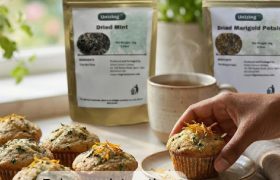
    Recipe Guide: Herb-Scented Plantain & Corn Flour Muffins

    Makes: 8–10 muffins
    Time: 10 minutes prep + 18–22 minutes bake
    Vibe: light, cosy, gently herby

    Ingredients

    • 1 cup plantain flour
    • 3/4 cup corn flour
    • 2 tsp baking powder
    • 1/3 cup sugar (white or brown, adjust to taste)
    • 1/4 tsp salt
    • 1 tsp dried mint leaves, gently crushed
    • 1/2 tsp dried marigold petals, lightly crumbled (or a pinch more for colour)
    • 2 eggs
    • 3/4 cup plain yoghurt (or sour milk/buttermilk)
    • 1/3 cup neutral oil (sunflower/vegetable)
    • 1 tsp vanilla (optional)

    Method

    1. Heat the oven: Preheat to 180°C. Line or grease a muffin tray.
    2. Mix dry: In a bowl, whisk plantain flour, corn flour, baking powder, sugar, salt, crushed mint, and crumbled marigold petals.
    3. Mix wet: In another bowl, whisk eggs, yoghurt, oil, and vanilla.
    4. Combine: Pour wet into dry. Stir gently just until you don’t see dry patches.
    5. Rest (important): Let the batter sit for 8–10 minutes. This helps the flours hydrate, which improves texture.
    6. Bake: Scoop into the tray and bake for 18–22 minutes, until a toothpick comes out mostly clean.
    7. Cool: Rest 10 minutes, then lift out. Enjoy warm.

    Easy flavour upgrades (optional)

    • “Tea-time” version: add 1/2 tsp cinnamon or nutmeg.
    • “Bright” version: add 1 tsp orange zest (pairs beautifully with marigold).
    • “Savoury snack” version: reduce sugar to 1 tbsp and add a pinch of black pepper + a little grated cheese.

    Note: If you’re baking for kids or guests, always check allergies and dietary needs. This is a food post, not medical advice.


    Educational: 7 Small Tricks That Make These Bakes Actually Work

    1. Rest the batter. Plantain and corn flour need a little time to soak up moisture. This reduces grit and dryness.
    2. Don’t overmix. Stir just until combined, or you’ll lose tenderness.
    3. Use yoghurt (or sour milk). It boosts softness and balances flavour without making any health promises.
    4. Crush mint gently. You want aroma, not dust.
    5. Use marigold lightly. It’s for colour and a soft note, not a “perfume cake.”
    6. Mind the bake time. Overbaking is the fastest route to dry muffins.
    7. Cool before storing. Trapped steam can make the tops sticky.

    Shop the Ingredients (Direct Links)

    If you prefer browsing everything at once, check our WhatsApp catalogue.

    Ready to order? Tap to chat: Chat on WhatsApp


    Related Reads (If You Want More Ideas)


    FAQ

    Can I bake with only plantain flour?

    You can, but the texture may be denser. Pairing with corn flour helps keep things lighter and more snackable.

    Can I use marigold in food?

    Yes, when it’s prepared as food-grade dried petals. Use a small amount for colour and a gentle floral note.

    How do I store these muffins?

    Let them cool fully, then store in an airtight container. For best texture, warm slightly before eating.


    One Last Nudge (The Friendly Kind)

    If you try these herb-scented muffins, you’ll understand why we call them “garden in the oven.” 🌿☀️

    Want your ingredients delivered quickly? Visit greenunison.com or browse the WhatsApp catalogue to pick your pack sizes.

  • Your Flour & Pap Powder Care Guide: How To Beat Weevils, Moisture And Bad Smells

    Your Flour & Pap Powder Care Guide: How To Beat Weevils, Moisture And Bad Smells

    Keep your plantain, corn, pap and groundnut flours fresh, bug-free and smelling clean with simple flour storage habits that work in warm, humid kitchens.

    Have you ever opened your bag of flour to make a quick meal — maybe a bowl of creamy ogi or soft amala ogede — and instead met tiny insects or a strange smell? 😖 It is a common pantry problem in warm, humid climates where unsealed flour easily becomes a weevil playground or starts to clump and smell off.

    The good news: with a few simple habits, you can beat weevils, moisture and bad smells and get the best out of your Smooth Plantain Flour (Elubo Ogede) , Silky White/Yellow Corn Flour , Instant Pap Powder (Ogi/Akamu) and Finely-ground Groundnut Flour .

    This guide breaks everything down in plain language, so every scoop from your pantry still feels fresh and safe.

    What Makes Flour Go Bad?

    Flour looks dry and harmless, but three quiet enemies can spoil it if we are not careful: insects, moisture and air.

    • Pantry weevils (flour bugs) — Tiny brown beetles that love grains and flours. They often arrive as invisible eggs inside the grain or flour. Once they hatch, they turn your bag into a home and food source.
    • Moisture and mould — Flour absorbs moisture from the air. In a humid kitchen, that moisture can turn into soft clumps and eventually mould. Mouldy flour may show fuzzy spots or develop a musty odour.
    • Air and rancidity — When flour, especially one with natural oils such as groundnut flour, sits open for too long, oxygen slowly breaks the oils down. This process (oxidation) leads to a sharp, stale or paint-like smell and an unpleasant taste.

    The key to good flour care is simple: keep bugs out, keep moisture out, and limit air contact. The next sections show exactly how to do that at home.

    Beat the Bugs: How to Keep Weevils Out of Your Flour

    Nobody enjoys discovering “extra protein” in their pap or swallow. Here is how to keep weevils far away from your flour shelf.

    1. Move flour into airtight containers

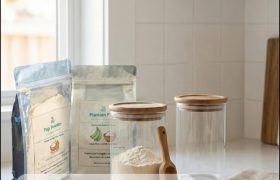
    After opening any pack of flour, do not just roll the top and hope for the best. Pour it into a clean, airtight container or keep it in the original resealable pouch, squeezing the air out before sealing.

    Good options include:

    • Glass jars with tight lids
    • Food-grade plastic containers with snap lids
    • The original Green Unison resealable pouch zipped properly after each use

    Airtight containers make it harder for insects to crawl in and also stop any eggs that might already be present from spreading around your pantry.

    2. Use the freezer trick for new flour

    One science-backed tip used in many kitchens worldwide is simple: freeze your new flour for a few days after you buy it.

    When you bring home a fresh bag of:

    place the sealed bag in your freezer for around 3–5 days. Deep cold helps to stop any hidden insect eggs from surviving long enough to hatch. After freezing, let the bag come back to room temperature before you open it, so condensation does not form inside.

    3. Keep shelves clean and crumbs away

    Weevils and other pantry pests love leftover grains or crumbs. If there is spilt flour in your cupboard, it acts like a free buffet.

    Make it a habit to:

    • Wipe and sweep shelves regularly
    • Clean up any flour spills immediately
    • Check corners and cracks — vacuum or wipe them, especially if you have had bugs before

    A clean pantry makes it harder for pests to settle in or move from one food item to another.

    4. First in, first out

    Try not to forget half-used bags at the back of the cupboard. The longer flour sits, the more time insects have to appear.

    Use a simple rule: first in, first out. Finish older flours before newer ones and label containers with the date you opened them so you can keep track.

    Keep It Dry: Protect Your Flour from Moisture and Mould

    Moisture is one of the quickest ways to ruin flour. Once water gets in, clumps, mould and sour odours are not far behind.

    1. Choose a cool, dry cupboard

    Keep flour on a shelf that is:

    • Away from the cooker, kettle and steamy pots
    • Away from the sink or any leaks
    • Not directly against a damp wall

    A cool, dry, dark cupboard is best. Warm, humid air speeds up spoilage and encourages mould growth.

    2. Seal properly after every use

    Each time you scoop flour, close it back immediately. If the flour stays open while you cook, steam and moisture can easily get inside the bag or container.

    Simple habits:

    • Use only clean, dry spoons (no wet cups or damp hands)
    • Close the zip on the pouch all the way to the end
    • Check that container lids are really tight

    3. Be careful with the fridge or freezer

    The fridge or freezer can help with freshness, especially for groundnut flour, but only if the flour is stored in an airtight container.

    If a container is not tightly sealed, cold air can cause condensation when you bring it back to room temperature, and that moisture can sit directly on your flour.

    So if you refrigerate any flour:

    • Use a proper airtight jar or bag
    • Let the container come back to room temperature before opening it

    Fresh, Not Funky: Prevent Bad Odours and Rancidity

    A quick sniff is one of the easiest ways to check flour quality. Fresh flour has a mild, neutral or lightly nutty smell. Spoiling flour usually tells on itself.

    1. Understand shelf life

    The exact shelf life depends on how much natural oil is in the flour:

    • Smooth Plantain Flour & Silky White/Yellow Corn Flour are relatively low in oil. Properly stored, they usually keep their best quality for several months after opening.
    • Instant Pap Powder is completely dry but should be kept bone dry so the fermented grains do not pick up extra moisture.
    • Groundnut Flour contains plenty of natural peanut oil. That oil is great for flavour, but it also means the flour can turn rancid faster if left in heat or light.

    Always check the best before date on the pack and aim to finish an opened pack within a few months for the best aroma and taste.

    2. Chill high-oil flours for longer freshness

    For flour with more natural oil, such as Groundnut Flour , the fridge or freezer can slow down rancidity.

    Simple approach:

    • Store groundnut flour in an airtight container in the fridge after opening if you want it to stay fresh beyond 2–3 months.
    • For very long storage, keep it in the freezer, also airtight, and bring out only what you need.

    Remember to let the container reach room temperature before opening to avoid moisture forming inside.

    3. Keep flours away from strong smells

    Flours quietly absorb odours from their environment. If you keep them next to very strong spices, cleaning products or kerosene, they can pick up strange flavours.

    Give your flours their own corner, away from:

    • Very strong spices (like curry mixes, stock cubes and dried fish)
    • Chemicals or detergents
    • Anything with a strong smell

    A dedicated flour section helps every bag stay neutral and versatile.

    4. Always do a quick check before using

    Before you cook, take a moment to:

    • Look: Does the flour look normal? No unusual colours, no visible mould, no insects?
    • Smell: Does it smell fresh and mild? Any sour, bitter, musty or paint-like odour means it is time to throw it away.
    • Feel: Is it loose and powdery? Hard lumps or dampness suggest moisture problems.

    When in doubt, it is safer to discard and start with a fresh pack. No recipe is worth using spoiled flour.

    How to Care for Each Green Unison Flour

    Here is a quick, practical guide for the four flours most people keep in their pantry.

    Smooth Plantain Flour (Elubo Ogede)

    Smooth Plantain Flour is made from gently dried, finely milled unripe plantain slices. It is naturally gluten-free and grain-free, perfect for instant amala ogede, thickening soups, baby foods and even some baking.

    • Store unopened packs in a cool, dry cupboard.
    • After opening, keep in the resealable pouch or an airtight container.
    • Use a clean, dry scoop every time — no wet utensils.
    • Try finishing an opened pack within about 6 months for best quality, following the pack storage advice.

    For cooking inspiration, you can pair this storage guide with your earlier reading on recipes, then come back and store your flour like a pro.

    Silky White/Yellow Corn Flour

    Silky White/Yellow Corn Flour is finely milled for smooth, lump-free tuwo masara and other dishes. Because it comes from whole maize, it contains natural oils and should be treated with care.

    • Store in a cool, dry cupboard away from direct heat.
    • Keep tightly sealed after every use to keep out bugs and moisture.
    • If you buy in bulk and know it will sit for a while, consider refrigerating a portion in an airtight container.
    • Use older stock first so nothing stays forgotten for too long.

    Want to perfect your swallow technique as well as your storage? Read the full step-by-step cooking guide: How to Prepare Corn Flour for Swallow (Tuwo Masara): Smooth, Simple & Wholesome .

    Instant Pap Powder (White/Yellow Ogi/Akamu)

    Instant White/Yellow Pap Powder is traditionally fermented and then fully dried, so you can make ogi or eko in minutes. To keep that tangy, comforting taste, it must stay completely dry.

    • Store sealed in a cool, dry cupboard.
    • Use only dry spoons when scooping.
    • Reseal immediately after each use.
    • If you ever notice an unusually sharp sour odour, visible mould or heavy clumping, it is time to replace it.

    Finely-ground Groundnut Flour

    Finely-ground Groundnut Flour is made from lightly roasted groundnuts, milled to a smooth, aromatic flour. It is rich in natural oils, which makes it flavourful but also more sensitive to heat and air.

    • Store unopened packs in a cool, dry place away from direct sunlight.
    • After opening, keep in an airtight container and refrigerate for best freshness.
    • For very long storage, freeze in small portions and bring out only what you need.
    • Always do a smell test before use. Any sharp, bitter or paint-like odour means the flour has turned and should be thrown away.

    For ideas on how to use groundnut flour once you have stored it properly, you can check: Power Up Your Pap & Smoothies with Natural Groundnut Goodness . If you enjoy working with whole nuts too, there is also a helpful guide: No Sand, No Stress: Roasting Groundnuts with Garri .

    When to Say Goodbye: Clear Signs Your Flour Is Spoiled

    Even with the best storage habits, an old pack might sometimes slip through. Here are clear warning signs that it is time to let that flour go:

    • Visible insects or webs — Any weevils, larvae or web-like threads in the flour mean it should be discarded immediately.
    • Mould or strange colours — Green, blue, grey or fuzzy patches are mould. Do not try to rescue or sieve and use. Simply dispose of it.
    • Strong off odour — Sour, bitter, musty or paint-like smells show spoilage or rancidity.
    • Heavy, damp clumps — A few small clumps that break easily may be from settling, but big hard lumps or a damp feel are a red flag.
    • Bad taste — If a tiny pinch tastes bitter, stale or strange, do not cook with it.

    Throwing out flour can feel painful, but it is much better than ruining your food or serving something that is clearly past its best.

    Practical Bonus Tips for Everyday Flour Care

    • Buy the right quantity — It is tempting to buy a lot at once, but only stock what you can finish in a reasonable time. You can always reorder.
    • Divide big bags — If you buy 5 kg of flour, pour it into smaller containers. Keep one container for daily use and leave the rest sealed.
    • Use a dedicated scoop — Keep a small dry scoop inside or next to your flour containers so you are less likely to dip in a wet cup.
    • Do a monthly pantry check — Once a month, quickly inspect your flours. It takes just a few minutes and saves surprises later.

    With these habits, your flour stops being a source of stress and becomes something you can trust every time you cook.

    Ready to Give Your Flours Better Care?

    With airtight storage, cool shelves, a little freezer trick and regular checks, you can keep your plantain flour, corn flour, pap powder and groundnut flour fresh, smooth and ready for everyday use.

    Once you have sorted your pantry, you can confidently enjoy:

    • Soft, stretchy amala ogede that cooks without lumps
    • Smooth tuwo masara with no surprise visitors
    • Comforting pap that smells clean and tastes right
    • Rich, nutty soups and smoothies powered by fresh groundnut flour

    At Green Unison, we already handle careful drying, milling and packing for you. All you have to do is finish the journey at home with good flour care.

    Shop Fresh Flours and Get Personal Help

    Ready to restock with flours that arrive already carefully dried and packed in resealable pouches? Explore our flours collection here: Green Unison Flours eShop .

    You can also browse all flours directly in our WhatsApp catalogue.

    Prefer to chat with a real human before buying? Send us a message on WhatsApp and we will help you pick the right combination of flours for your home: chat with us on WhatsApp .

    Share this guide with someone who is tired of “moving flour” and mystery smells. Their pantry will thank you. 😊

  • From Harvest to Home: How Our Local Farmers Bring Flour to Your Plate

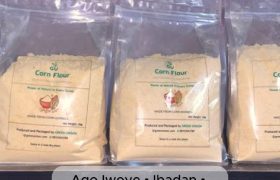
    Sunrise over Green Unison plantain fields and a bag of plantain flour
    Sunrise at our farm and partner fields — the first step in a long, loving journey to your plate.

    There is a certain quiet that belongs to early mornings on the farm — a hush broken only by careful footsteps and the soft rustle of broad leaves. For the people who grow our plantains, every season is a chorus of hands, heat and hope. At Green Unison we grow plantains on our own farms, and when harvests can’t meet demand we carefully source the rest from trusted organic farms that practise gentle, chemical-free care. This is their story and the slow, loving labour that turns green unripe plantain into flour that warms festive tables, comforts harmattan mornings and helps households begin the new year with light, nourishing meals.

    At dawn: where the flour’s story begins

    Our plantain journey is rooted in Ogun State — from our small family fields around Iperu Remo, to the river-kissed plots of Akaka Remo, and a nearby farm settlement where a river runs through the land. Growers on our estate, the river-fed plots and partner organic farms rise early to harvest green unripe plantains at the perfect firmness. The fruit must be green and starchy — not sweet — to make flour that cooks into a smooth elubo ogede or a comforting breakfast porridge. These lands are tended in different ways: some by our own teams, and others by partner farmers working land that has been passed down through families, held communally, or rented from families who remain the landowners. Our head office in Iperu Remo also runs irrigation systems so we can support an all-year supply of fresh unripe plantains for milling and steady kitchen tables.

    Hands and stories: the people behind the flour

    Each bunch of plantains is a work of hands — peeled with patience, sliced thin, and dehydrated using controlled low-heat methods that preserve starch structure and minimise nutrient loss. This careful dehydration reduces moisture safely, helps prevent contamination and produces slices that mill into a smooth, sand-free flour. These hands do more than harvest: they keep communities fed and households afloat. At the nearby farm settlement many cultivators bring deep knowledge of planting and harvest cycles, helping the site thrive. On our own farms and at Akaka Remo our teams work alongside partner growers; some partner plots are family-inherited, some are communal lands rented for cultivation, and others are farmsteads rented from families who remain the landowners. This mix of arrangements is part of the region’s farming fabric — and it means every bag of flour carries the care and expertise of many hands and histories.

    “Behind every spoon of our plantain flour is a full day like this — careful peeling, controlled dehydration and smooth, sand-free flour, all ready for your table.”

    The gentle art: drying and milling for flavour and texture

    Quality plantain flour is made, not rushed. After peeling and slicing, our green unripe plantain is dehydrated using controlled, low-heat methods designed for best quality retention. These methods protect the starches and colour of the fruit while reducing moisture to safe levels, so the flour mills fine and cooks quickly into a lump-free swallow.

    Slow, low-temperature dehydration reduces the need for heavy processing, preserving the texture and helping the flour cook quickly into a lump-free swallow. Once dry, the slices are milled to a fine consistency and sieved so you get a smooth, even flour every time.

    We apply the same standards whether the plantains are grown on our estate, in Akaka Remo’s river-fed plots, at the nearby settlement, or on a partner organic farm: careful harvest timing, minimal handling and a focus on preserving natural goodness. These steps — harvest timing, gentle dehydration, fine milling — are simple, but they make the difference between a flour that needs lots of sieving and one that gives you perfect amala or pancakes with minimal fuss.

    Why plantain flour is perfect for festive, harmattan and New Year tables

    The end of the year brings feasts, travel and colder, drier mornings. Plantain flour answers the moment in three ways:

    • Comforting and light: A bowl of plantain porridge or a plate of smooth amala feels warming without being heavy — helpful during busy festivities.
    • Quick and forgiving: Finely milled plantain flour cooks fast and is generally easier to work with when you’re juggling holiday plans.
    • Budget-wise and local: Choosing locally produced flour supports small farmers and often offers a friendly price point for families planning seasonal menus.

    Search interest for plantain flour shows that people are looking for reliable, local alternatives — our own pages for plantain flour are being discovered in search, which tells us many households are curious and ready to try something wholesome and familiar.

    How to cook it — simple, honest tips

    Cooking plantain flour is a small act of care. Here are practical, no-nonsense tips so your first pot is the best pot.

    1. For smooth amala (swallow): Pour boiling water into a pot and reduce the heat slightly. Sprinkle the plantain flour in slowly, whisking or stirring firmly with a wooden spoon until it forms a smooth, elastic paste. If the pack gives a recommended ratio, start with that and adjust. If uncertain, add less flour, test the texture, then add more — you can always thicken, but you cannot thin a lumped paste easily.
    2. For porridge: Mix a small amount of flour into cool water to make a paste, then pour into gently boiling milk or water while stirring. Cook for a few minutes, stirring until the porridge thickens. Top with banana, roasted groundnut or a drizzle of honey for a quick festive breakfast.
    3. For baking and snacks: Plantain flour blends beautifully in pancakes, flatbreads and quick muffins. Swap up to half of the wheat in many simple recipes for plantain flour for a lighter, earthy result.
    4. Storage: Keep the flour in an airtight container in a cool, dry place. For longer shelf life during wet or humid months, store in the fridge. Use within the best-before period on the pack and always smell and check for dampness before use.

    If you’d like a quick recipe, try our 10-minute creamy plantain porridge — a crowd favourite over the last few weeks.

    Small choices, big meaning: health, economy and care

    Choosing locally produced plantain flour is about more than a single meal. It is a gentle vote for ingredients made nearby; a way of eating that prefers simpler processing and supports families who farm the land. Whether you want something light over the festive season, a soothing breakfast for harmattan mornings, or a healthier start to the new year, this flour offers a practical, kind choice.

    We’ve also shared many ideas for plantain flour across our blog — from creative everyday recipes to tips for bakes and snacks. If you’re planning festive menus or New Year meal prep, those guides make it easy to begin.

    Ready to taste the journey?

    If you’d like to bring this flour to your kitchen, choose the Smooth Plantain Flour that’s milled for consistent, lump-free cooking:

    All of our plantains are sourced in Ogun State — from Iperu Remo, Akaka Remo and a nearby farm settlement. A river passes through the settlement’s plots, and our head office in Iperu Remo uses irrigation systems to support an all-year supply of fresh unripe plantains, so every bag carries the same promise of quality and care.

    Prefer to chat before ordering? Tap our WhatsApp catalogue or message us directly: Chat to order — 0810 304 3789 😊

    Bring the farm home this festive season — choose flour made with care.

    If this story moved you, save it for your festive planning and share it with someone who loves plantain. 🌱💚

    Related: Beyond swallow & pancakes — 5 easy plantain flour recipes · Smooth plantain flour breakfast porridge — 10 minutes

  • Local Superfoods in Your Pantry: Corn, Plantain & Groundnut Flour Nutrition Unpacked

    Local Superfoods in Your Pantry: Corn, Plantain & Groundnut Flour Nutrition Unpacked

    If your kitchen already has corn flour, plantain flour and groundnut flour, you’re sitting on a mini “superfood corner” without even realising it.

    These three pantry staples are more than swallow and pap ingredients. Used well, they can help you:

    • build more satisfying meals from simple ingredients
    • enjoy familiar local foods with a little more balance
    • reduce how often you rely on heavily processed snacks

    In this post, we’ll unpack – in plain language – what each flour brings to your plate, plus simple, realistic ways to use them every day.

    Kind note: This article is for general food inspiration only and is not medical or nutrition advice. Always speak with a qualified health professional for personalised guidance.


    What makes these flours “local superfoods”?

    “Superfood” is a marketing word, but there is something special about everyday flours made from whole local crops:

    • Corn flour – a source of complex carbohydrates, some fibre and naturally occurring vitamins and minerals that provide gentle, steady energy.
    • Plantain flour – made from unripe plantain, offering complex carbs, fibre and resistant starch, with a mild flavour that fits breakfast, swallow and snacks.
    • Groundnut flour – a concentrated way to add plant protein, healthy fats and flavour to simple meals like pap, soups and smoothies.

    When the flours are carefully dried and finely milled – like the nature-powered flours from Green Unison – you get the benefits of the original crop in an easy, scoopable form.

    You can explore the full range here:

    Now let’s break down each one.


    Corn flour: familiar comfort and steady energy

    Corn flour has always been a comfort staple – from tuwo and pap to simple home baking.

    When it’s milled from whole maize and left unsieved, you keep more of the natural bran and germ, which means:

    • a steadier release of energy compared with many refined flours
    • a bit more fibre to support comfortable digestion
    • naturally occurring B-vitamins and minerals from the grain itself

    Green Unison’s Silky White/Yellow Corn Flour – Effortless Use is finely milled so it mixes quickly and cooks evenly, whether you’re making swallow, pap or a batter.

    Everyday ways to use corn flour

    You don’t need a big recipe book. Small, repeatable moves are enough:

    1. Soft swallow for busy days
      Make a smooth, lump-free bowl of tuwo masara for those evenings when you want something lighter but still satisfying.
    1. Pap for gentle mornings
      Swap part of your usual pap base with corn flour or use Green Unison Instant White/Yellow Pap Powder (Ogi/Akamu) – Easy on the Kitchen for days when you need breakfast quickly.
    2. Light baking and snacks
      Blending a little corn flour into wheat flour can soften the texture of homemade bakes.
      For ideas, see:
      👉 Bake Bakery-Style at Home with Wholegrain Corn Flour (White & Yellow)
      👉 Fluffy Corn-Flavoured Pancakes: A Naturally Sweet Breakfast with Green Unison

    Plantain flour: green plantain in a scoop

    Plantain flour (especially from unripe plantains) is one of those quiet heroes in the cupboard.

    Because it’s made from green plantain, gently dried and milled, it naturally contains:

    • complex carbohydrates that help you feel properly fed
    • fibre and resistant starch, which support a steady, gentle release of energy
    • potassium and other naturally occurring minerals found in plantain

    Green Unison Smooth Plantain Flour (Elubo Ogede) – No Sieving Needed is milled finely enough for swallow and porridge, so it fits into both weekday and weekend routines.

    Everyday ways to use plantain flour

    1. Swallow that feels light but satisfying
      When you want something different from the usual swallows, plantain flour is a great option – soft on the tongue yet filling enough to carry your favourite soups.
    2. 10-minute breakfast porridge
      Turn plantain flour into a creamy bowl instead of always reaching for oats or custard.
      Try this guide:
      👉 10-Minute Smooth Plantain Flour Power Porridge (No Oats Needed)
    3. Snack and dessert twist
      A small amount of plantain flour can be blended into pancake batters, waffle mixes or simple home snacks for a gentle sweetness and extra body.
    4. Soft, guilt-friendly treats
      If you enjoy experimenting, this article shows how plantain flour can transform a favourite street snack:
      👉 Guilt-Free Puff-Puff: The Plantain Flour Revolution

  • Guilt-Free Puff-Puff: The Plantain Flour Revolution

    Guilt-Free Puff-Puff: The Plantain Flour Revolution

    If puff-puff was part of your childhood and weekend memories — the tray at parties, the stall by the roadside and the small-chops table — you’ll know how quickly those golden balls disappear.

    You’ve probably also heard more than once that it’s “junk food” you should avoid or keep strictly for special occasions. This post offers a guilt-free approach that keeps the soul of puff-puff but uses plantain and corn flour to create a lighter, softer and more wholesome-feeling result.

    We’ll open with the cultural story, then explain why this flour mix is a smart, sustainable pantry choice, and finish with a practical, kitchen-tested recipe and trouble-shooting tips so you can make these at home today.


    Puff-puff: a snack that carries memory

    Puff-puff is more than fried dough. It is smell, celebration, and sharing — the little treat that turns up at gatherings and makes people smile. Our aim here is not to replace tradition but to add an option: enjoy a version of puff-puff that is still indulgent, still delicious, but that feels lighter on the palate and sits well with a variety of diets and cooks.


    Why the plantain flour revolution?

    People are increasingly curious about flours beyond wheat. If you’ve ever picked up plantain or corn flour and wondered what else you can do with it, this puff-puff recipe is for you.

    What plantain flour actually does in puff-puff

    When you add Smooth Plantain Flour (Elubo Ogede) to puff-puff batter, a few useful things happen:

    • Softer crumb: Plantain flour holds on to moisture, so the inside stays soft and tender even after the puff-puff cools down.
    • Gentle natural sweetness: You get a mild, earthy sweetness, which means you can keep the sugar level comfortable without losing flavour.
    • Richer colour and aroma: The natural sugars in plantain help the puff-puff take on a warm golden colour and a slightly deeper aroma.
    • Less “heavy” feeling: Compared with using only white flour, many people find this blend tastes indulgent but doesn’t sit quite as heavy after a few pieces.
    • Tasty even the next day: The plantain flour helps the texture stay pleasant when reheated, instead of going tough or dry quickly.

    In short, plantain flour doesn’t just tick a “healthier” box on paper — it changes how your puff-puff looks, smells and feels in the mouth.

    Order Smooth Plantain Flour (Elubo Ogede)

    Corn flour — wholegrain backbone

    A dash of corn flour adds body and a pleasant wholegrain note, helping the puff-puff keep shape while remaining tender.

    Order Silky White/Yellow Corn Flour

    Together, plantain and corn flours are a small revolution in the bowl — they let you keep the familiar flavour while creating a softer, less heavy bite.


    Why choose Green Unison plantain flour for this recipe?

    For this puff-puff, you want plantain flour that is:

    • Finely milled, so it blends smoothly into batter without gritty bits
    • Carefully dried, so the flavour stays clean and the flour doesn’t taste smoky or bitter
    • Consistent from bag to bag, so your results are predictable

    That’s exactly what our Smooth Plantain Flour (Elubo Ogede) is made for. It works beautifully in swallow, but it also shines in recipes like puff-puff, pancakes and waffles — so a single bag goes a long way in the kitchen.

    How much plantain flour do you need?

    This recipe uses about ½ cup of plantain flour per bowl of batter. A standard bag of Smooth Plantain Flour will comfortably cover several family batches, so you can test this puff-puff, then still have enough left for pancakes or swallow during the week.


    The sustainability and “guilt-free” angle

    Puff-puff often gets pushed into the same group as doughnuts and chips – delicious, but treated as “junk” or fast food because it is deep-fried and usually made with only white flour and sugar. Many nutrition professionals will tell you to keep those foods as occasional treats.

    That doesn’t mean puff-puff has to disappear from your plate. It just means we can be more intentional about what goes into the bowl.

    By swapping part of the white flour for plantain flour (and a little corn flour), you are still making a treat, but you are also:

    • Upgrading the ingredients. You are bringing in real plantain and maize, not just refined flour.
    • Adding natural fibre and variety. Plantain and corn flours contribute fibre and micronutrients as part of a varied diet.
    • Making the indulgence feel more thoughtful. You still get that warm, party-snack feeling, but with a recipe that feels less like an “all or nothing” compromise.

    There is also a sustainability side:

    • Support local crops. Using plantain and corn flour encourages local farming and reduces reliance on imported refined flour.
    • Variety in the pantry. Rotating flours gives your cooking new flavours and textures and moves you away from a one-flour-for-everything mindset.

    The result is a puff-puff you can enjoy with a little less guilt: same street-snack nostalgia, but ingredients that line up better with everyday wellness goals.


    Guilt-Free Puff-Puff — base recipe (serves 4–6)

    Base flour ratio

    • 1 cup plain / all-purpose flour
    • ½ cup Smooth Plantain Flour — order here
    • ½ cup Silky White/Yellow Corn Flour — order here

    Other ingredients

    • ⅓–½ cup sugar (to taste)
    • 1 tbsp instant yeast
    • ½ tsp salt
    • ½ tsp grated nutmeg (optional)
    • 1½–1¾ cups lukewarm water (add gradually)
    • 1 egg (optional — helps tenderness and structure)
    • Neutral oil, for deep-frying

    Method

    1. Activate the yeast. Stir the lukewarm water, sugar and yeast; leave 5–10 minutes until foamy.
    2. Mix dry ingredients. Whisk together all flours, salt and nutmeg.
    3. Combine. Pour the yeast mix into the dry blend, add the egg if using, and stir to a thick, scoopable batter (should fall slowly from a spoon). Add water if too stiff.
    4. Proof. Cover and leave in a warm place for 40–60 minutes, until doubled and bubbly — this gives the airy interior.
    5. Fry carefully. Heat oil on medium. Test by dropping a small spoonful of batter: it should sink then slowly rise. Fry spoonfuls in small batches, turning for even browning (a few minutes per batch).
    6. Drain & serve. Use a slotted spoon and drain on a rack or paper towel. Serve warm.

    Notes

    • Plantain flour can brown a little faster due to natural sugars — moderate the oil heat to avoid over-browning.
    • For a wheat-free version, try equal parts plantain and corn flour with 1–2 eggs; expect a softer fritter rather than the classic stretchy puff-puff texture.

    Troubleshooting & tips

    • Batter too thick? Add 2–3 tbsp lukewarm water and fold gently. You want a batter that flows slowly.
    • Puff-puff dense after frying? Either the batter was too stiff or the proofing was insufficient. Give it time to double in a warm spot.
    • Too oily? Don’t overcrowd the pot and keep oil at medium; drain well on a rack.
    • Extra lift: A small splash (1 tsp) of white vinegar or lemon juice added to the batter just before frying can give a quick reaction with baking soda if you use any — a tiny trick for extra lift.

    Serving ideas & variations

    • Spiced sweet: Add a pinch of cinnamon or orange zest for a grown-up version.
    • Savoury twist: Reduce sugar, fold in chopped herbs and a little grated cheese for a tray of savoury bites.
    • Mini party puff-puff: Make smaller balls for canapé-style serving.

    Where to buy and how to order

    Ready to try the plantain flour version? Order your flour combo on greenunison.com or send “PUFF-PUFF” to 08103043789 and we’ll help you choose pack sizes.

    Prefer to order by chat?


    Puff-puff with plantain flour – quick questions

    Can I make this without egg?
    Yes. You can leave the egg out; just keep the batter slightly looser and give it enough time to rise so it stays airy.

    Can I bake instead of frying?
    You can spoon the batter into a greased muffin tin and bake until golden. The texture will be more like soft buns than classic puff-puff, but the flavour will still be lovely.

    Can I use only plantain flour?
    You can, but the texture will be closer to a soft fritter. The plantain-plus-corn-plus-wheat blend in this recipe gives a balance of softness, stretch and shape.


    Final note

    This small plantain-flour revolution keeps the pleasure of puff-puff while offering a guilt-free option that fits modern kitchens and tastes. Play with the ratios, keep an eye on the oil, and enjoy the process — a little experimentation is how the best recipes are born.

    Disclaimer: This article provides cooking guidance and sourcing notes only. It is not medical or nutritional advice.

  • Beyond Swallow and Pancakes: 5 Easy Everyday Things to Make with Plantain Flour

    Beyond Swallow and Pancakes: 5 Easy Everyday Things to Make with Plantain Flour

    If you already love amala ogede made with our Smooth Plantain Flour, you’re not alone. Many people know plantain flour as “that swallow flour” or something to use only for pancakes.

    But plantain flour can do much more.

    In this post, we’ll share five simple, everyday ways to use plantain flour so your kitchen feels more flexible, your meals stay interesting, and that pouch in your pantry works harder for you.

    We’ll also touch on:

    • Why unripe plantain flour is loved for its fibre and resistant starch
    • How to pair it with our corn flour for better texture in bakes
    • How every scoop quietly supports local farmers and processors

    This post is for general food and cooking information only. It is not medical advice and does not replace speaking with a qualified health professional about your diet.


    1. Creamy Plantain Flour Breakfast Porridge

    When you want a warm breakfast but don’t feel like oats, plantain flour porridge is a quick swap you can cook in about 10 minutes.

    Why people love it

    • Uses just a few pantry ingredients
    • Naturally gluten-free – made from 100% unripe plantain with no wheat added
    • Unripe plantain flour contains resistant starch and dietary fibre, which behave more like fibre than simple sugar and help you feel satisfied

    What you need (1–2 servings)

    • 3–4 tablespoons Smooth Plantain Flour (Elubo Ogede)
    • 1 cup water
    • 1 cup milk or plant-based milk
    • A pinch of salt
    • 1–2 teaspoons honey or preferred sweetener
    • Optional toppings: sliced fruit, groundnuts, seeds, coconut flakes

    How to make it

    1. In a small bowl, whisk the plantain flour with a little water to make a smooth slurry (no lumps).
    2. Bring the remaining water and milk to a gentle simmer in a pot.
    3. Pour in the slurry slowly while stirring.
    4. Cook on low heat for 5–7 minutes, stirring until thick and creamy.
    5. Sweeten to taste, serve in a bowl, and add your favourite toppings.

    Everyday convenience tip: If mornings are busy, pre-mix dry ingredients for 3–4 days in a jar. Each morning, scoop, add liquid, and cook.


    2. Oven-Baked Plantain Flour Crunch Bites (Chin-Chin Style)

    These are your “small chops from the same bag of flour” – perfect for school snacks, road trips, or something crunchy to serve with tea.

    Short recipe videos and snack ideas built around one main ingredient are trending in many food communities. People love anything crunchy, simple and budget-friendly.

    Instead of deep-frying all the time, you can bake a crunchy version.

    What you need

    • 1 cup Smooth Plantain Flour
    • ¼ cup Silky White or Yellow Corn Flour (for a lighter crunch – optional)
    • 3 tablespoons sugar (or to taste)
    • ¼ teaspoon salt
    • ½ teaspoon baking powder
    • 2 tablespoons cold butter or coconut oil
    • ¼–⅓ cup water (just enough to bring the dough together)

    Method

    1. Pre-heat the oven to 180°C and line a baking tray.
    2. Mix plantain flour, corn flour (if using), sugar, salt, and baking powder.
    3. Rub in the butter or coconut oil until it looks like fine crumbs.
    4. Add water a little at a time until you get a soft but not sticky dough.
    5. Roll out and cut into small bite-sized squares or strips.
    6. Arrange on the tray and bake for 12–15 minutes, turning once, until golden at the edges.
    7. Cool completely so they crisp up, then store in an airtight jar.

    Budget tip: Using local flours like plantain and corn helps reduce dependence on imported snacks and keeps more value within the local food economy.


    3. Plantain Flour Flatbreads for Everyday Wraps

    Think of this as a soft, flexible flatbread you can use for:

    • Egg roll-style breakfasts
    • Wraps filled with chicken, beans or veggies
    • Simple stew scooping when you don’t feel like swallow

    Using a mix of plantain, corn, and a little wheat flour (or a binder if you avoid wheat) gives you a soft, foldable bread – similar to the way corn and plantain flour blends give softer, lighter bakes.

    What you need (6–8 small flatbreads)

    • ½ cup Smooth Plantain Flour
    • ½ cup Silky White or Yellow Corn Flour
    • ½ cup wheat flour
    • or more plantain flour + 1 extra egg/binder if you are avoiding wheat
    • 1 teaspoon baking powder
    • ½ teaspoon salt
    • 2 tablespoons oil
    • About ¾ cup of warm water
    • Optional: herbs, chilli flakes or spices for flavour

    Method

    1. In a bowl, mix all dry ingredients.
    2. Add oil and rub lightly with your fingers.
    3. Add warm water gradually, mixing until you get a soft dough.
    4. Cover and rest for 10–15 minutes.
    5. Divide into balls, roll out thin, and cook in a dry hot pan for 1–2 minutes per side until light brown spots appear.
    6. Keep cooked flatbreads stacked in a clean cloth so they stay soft.

    Fill with scrambled eggs, sautéed vegetables, grilled chicken, beans, or suya – whatever feels right for your family.


    4. Savoury Plantain Flour Dumplings for Soups and Stews

    Instead of thickening soups only with regular flour or cornstarch, you can make soft plantain flour dumplings that cook right inside the pot.

    Your plantain flour is already a great natural soup thickener; this is simply a more filling, fun version.

    What you need

    Method

    1. Mix the flours, salt and seasoning.
    2. Add water little by little until you get a soft, scoopable dough.
    3. Roll into small balls or scoop with a teaspoon.
    4. Drop gently into a simmering pot of light soup or thin stew.
    5. Cover and cook for 10–15 minutes until the dumplings are cooked through.

    You’ll get a more filling soup without cooking a separate swallow – very helpful on busy evenings.


    5. Smoothie, Pap and Baby Porridge Booster

    Plantain flour also works beautifully as a smoothie and baby-food booster. Around the world, people are adding different flours to smoothies, porridges and pap for more body and variety.

    You can lean into that trend by showing how one spoon changes the texture of everyday meals.

    How to use it

    In smoothies and shakes

    • Blend in 1–2 tablespoons Smooth Plantain Flour per 350 ml smoothie.
    • Add more liquid if you want it thinner.

    In pap/ogi or custard-style breakfasts

    1. Cook your usual pap as you like it.
    2. Whisk 1–2 tablespoons plantain flour in a little cool water.
    3. Stir into the hot pap off the heat and mix until smooth.

    In baby porridges (age-appropriate only)

    • Follow your paediatrician’s guidance on textures and ingredients.
    • When appropriate, whisk small amounts of plantain flour into warm porridge for extra body and variety.

    Important: Always check with a qualified health professional for babies, toddlers, and anyone with special dietary needs. This is not medical advice.


    Why Plantain Flour Fits Health-Focused, Busy, Budget-Aware Kitchens

    1. Health-leaning without over-promising

    Research shows that unripe plantain flour contains indigestible carbohydrates (resistant starch) and dietary fibre, which behave differently from simple sugars and support more gradual energy release.

    At Green Unison, our plantain flour is made from 100% unripe plantains that are washed, peeled, gently low-heat dried and finely milled, so you get a smooth, naturally gluten-free flour that works in both savoury and sweet dishes.

    We’re sharing this information as a general guide to food, not as a cure, treatment, or nutritional prescription.


    2. Everyday convenience

    One pouch of Smooth Plantain Flour can:

    • Turn into swallow when you want it
    • Become porridge, flatbread, snacks, dumplings, and smoothie boosters on busy days
    • Combine with Silky White or Yellow Corn Flour for softer bakes, as we show in our baking guides

    That means fewer random flours sitting half-used in the cupboard.


    3. Cultural relevance, without losing tradition

    These ideas don’t replace classic dishes; they stretch them:

    • Dumplings in soups sit comfortably beside swallow.
    • Flatbreads still welcome vegetable stews, beans and eggs.
    • Chin-chin-style bites are still recognisable to anyone who grew up with small chops.

    You’re not abandoning familiar tastes – just getting more from the same ingredient.


    4. Economic value and supporting local producers

    Plantain flour doesn’t appear by magic. There is a whole chain of people behind each pouch:

    • Farmers
    • Transporters
    • Small and medium-scale processors who turn fresh plantain into flour
    • Retailers and food businesses

    Processing plantain into flour and snacks creates jobs, reduces post-harvest losses and improves profitability for small-scale producers. Choosing local flours like Smooth Plantain Flour and Silky Corn Flour keeps more of that value within the local economy.


    Related Posts to Explore

    If you enjoyed this guide, you may also like:

    These posts show how to combine plantain and corn flour in different ways for soft bakes and smooth swallow.


    Where to Buy the Flours

    Shop online

    Prefer to order on WhatsApp?

    Ready to try plantain flour beyond swallow and pancakes?
    Tap “Add to cart” on our shop or send us a quick WhatsApp message – we’ll help you pick the right pack size for your kitchen 😊


    Quick Disclaimer

    Is this medical or nutrition advice?
    No. This article is for general food and cooking information only. It does not replace professional medical or dietary advice. If you have any health condition or specific nutrition needs, please speak with a qualified health professional before changing your diet.