
Tag: HomeBaking

  • Herb-Scented Bakes: Using Dried Mint & Marigold with Plantain & Corn Flour

    Herb-Scented Bakes: Using Dried Mint & Marigold with Plantain & Corn Flour

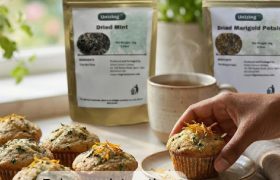
    There’s a kind of comfort you can smell. The oven hums, the kitchen warms up, and the whole house starts whispering, “Something good is coming.” Now imagine that scent with a gentle minty lift and a soft, golden floral note, all wrapped up in a simple bake made with plantain flour and corn flour.

    This post gives you three things in one:

    • A recipe guide (easy muffins you can make on a relaxed day)
    • A practical, educational breakdown (how these flours behave, and how to get the best texture)
    • A cosy inspiration story (because food is flavour + feeling)

    Jump to the recipe


    A Sunday Kitchen Story: “The Bake That Smells Like a Garden”

    Some days call for loud flavours. Other days ask for something quieter, softer, and a bit more “grown-up.” This is that bake.

    You know the mood: you want something warm to nibble with tea, not too sugary, not too heavy, and definitely not stressful. You want a recipe that feels like a soft blanket, not a maths exam.

    That’s where dried mint and dried marigold petals come in. Mint brings a clean, refreshing aroma. Marigold adds a gentle golden colour and a light floral vibe. Together, they make your kitchen smell like “calm, but make it tasty.”


    Quick Ingredient Map (What Each One Does)

    1) Plantain flour

    Plantain flour gives body and a naturally earthy flavour that works beautifully in bakes. Because it’s gluten-free, it behaves differently from wheat flour, so we use simple structure helpers (like eggs or yoghurt) to keep things tender.

    2) Corn flour

    Corn flour adds a smooth, familiar comfort and helps lighten the texture when paired with plantain flour. It also plays nicely with warm spices and citrus, if you choose to add them.

    3) Dried mint

    Mint is powerful. A little goes a long way. The trick is to crush it gently (to wake up the aroma) and avoid “over-steeping” it in hot liquid for too long, which can make it taste sharp.

    4) Dried marigold petals

    Think of marigold as your “sunshine ingredient.” It’s mostly for colour and a soft floral hint. Use a small amount, like you would with zest: enough to be special, not enough to take over.


    Recipe Guide: Herb-Scented Plantain & Corn Flour Muffins

    Makes: 8–10 muffins
    Time: 10 minutes prep + 18–22 minutes bake
    Vibe: light, cosy, gently herby

    Ingredients

    • 1 cup plantain flour
    • 3/4 cup corn flour
    • 2 tsp baking powder
    • 1/3 cup sugar (white or brown, adjust to taste)
    • 1/4 tsp salt
    • 1 tsp dried mint leaves, gently crushed
    • 1/2 tsp dried marigold petals, lightly crumbled (or a pinch more for colour)
    • 2 eggs
    • 3/4 cup plain yoghurt (or sour milk/buttermilk)
    • 1/3 cup neutral oil (sunflower/vegetable)
    • 1 tsp vanilla (optional)

    Method

    1. Heat the oven: Preheat to 180°C. Line or grease a muffin tray.
    2. Mix dry: In a bowl, whisk plantain flour, corn flour, baking powder, sugar, salt, crushed mint, and crumbled marigold petals.
    3. Mix wet: In another bowl, whisk eggs, yoghurt, oil, and vanilla.
    4. Combine: Pour wet into dry. Stir gently just until you don’t see dry patches.
    5. Rest (important): Let the batter sit for 8–10 minutes. This helps the flours hydrate, which improves texture.
    6. Bake: Scoop into the tray and bake for 18–22 minutes, until a toothpick comes out mostly clean.
    7. Cool: Rest 10 minutes, then lift out. Enjoy warm.

    Easy flavour upgrades (optional)

    • “Tea-time” version: add 1/2 tsp cinnamon or nutmeg.
    • “Bright” version: add 1 tsp orange zest (pairs beautifully with marigold).
    • “Savoury snack” version: reduce sugar to 1 tbsp and add a pinch of black pepper + a little grated cheese.

    Note: If you’re baking for kids or guests, always check allergies and dietary needs. This is a food post, not medical advice.


    Educational: 7 Small Tricks That Make These Bakes Actually Work

    1. Rest the batter. Plantain and corn flour need a little time to soak up moisture. This reduces grit and dryness.
    2. Don’t overmix. Stir just until combined, or you’ll lose tenderness.
    3. Use yoghurt (or sour milk). It boosts softness and balances flavour without making any health promises.
    4. Crush mint gently. You want aroma, not dust.
    5. Use marigold lightly. It’s for colour and a soft note, not a “perfume cake.”
    6. Mind the bake time. Overbaking is the fastest route to dry muffins.
    7. Cool before storing. Trapped steam can make the tops sticky.

    Shop the Ingredients (Direct Links)

    If you prefer browsing everything at once, check our WhatsApp catalogue.

    Ready to order? Tap to chat: Chat on WhatsApp


    Related Reads (If You Want More Ideas)


    FAQ

    Can I bake with only plantain flour?

    You can, but the texture may be denser. Pairing with corn flour helps keep things lighter and more snackable.

    Can I use marigold in food?

    Yes, when it’s prepared as food-grade dried petals. Use a small amount for colour and a gentle floral note.

    How do I store these muffins?

    Let them cool fully, then store in an airtight container. For best texture, warm slightly before eating.


    One Last Nudge (The Friendly Kind)

    If you try these herb-scented muffins, you’ll understand why we call them “garden in the oven.” 🌿☀️

    Want your ingredients delivered quickly? Visit greenunison.com or browse the WhatsApp catalogue to pick your pack sizes.
  • Guilt-Free Puff-Puff: The Plantain Flour Revolution

    Guilt-Free Puff-Puff: The Plantain Flour Revolution

    If puff-puff was part of your childhood and weekend memories — the tray at parties, the stall by the roadside and the small-chops table — you’ll know how quickly those golden balls disappear.

    You’ve probably also heard more than once that it’s “junk food” you should avoid or keep strictly for special occasions. This post offers a guilt-free approach that keeps the soul of puff-puff but uses plantain and corn flour to create a lighter, softer and more wholesome-feeling result.

    We’ll open with the cultural story, then explain why this flour mix is a smart, sustainable pantry choice, and finish with a practical, kitchen-tested recipe and trouble-shooting tips so you can make these at home today.


    Puff-puff: a snack that carries memory

    Puff-puff is more than fried dough. It is smell, celebration, and sharing — the little treat that turns up at gatherings and makes people smile. Our aim here is not to replace tradition but to add an option: enjoy a version of puff-puff that is still indulgent, still delicious, but that feels lighter on the palate and sits well with a variety of diets and cooks.


    Why the plantain flour revolution?

    People are increasingly curious about flours beyond wheat. If you’ve ever picked up plantain or corn flour and wondered what else you can do with it, this puff-puff recipe is for you.

    What plantain flour actually does in puff-puff

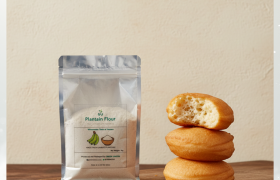
    When you add Smooth Plantain Flour (Elubo Ogede) to puff-puff batter, a few useful things happen:

    • Softer crumb: Plantain flour holds on to moisture, so the inside stays soft and tender even after the puff-puff cools down.
    • Gentle natural sweetness: You get a mild, earthy sweetness, which means you can keep the sugar level comfortable without losing flavour.
    • Richer colour and aroma: The natural sugars in plantain help the puff-puff take on a warm golden colour and a slightly deeper aroma.
    • Less “heavy” feeling: Compared with using only white flour, many people find this blend tastes indulgent but doesn’t sit quite as heavy after a few pieces.
    • Tasty even the next day: The plantain flour helps the texture stay pleasant when reheated, instead of going tough or dry quickly.

    In short, plantain flour doesn’t just tick a “healthier” box on paper — it changes how your puff-puff looks, smells and feels in the mouth.

    Order Smooth Plantain Flour (Elubo Ogede)

    Corn flour — wholegrain backbone

    A dash of corn flour adds body and a pleasant wholegrain note, helping the puff-puff keep shape while remaining tender.

    Order Silky White/Yellow Corn Flour

    Together, plantain and corn flours are a small revolution in the bowl — they let you keep the familiar flavour while creating a softer, less heavy bite.


    Why choose Green Unison plantain flour for this recipe?

    For this puff-puff, you want plantain flour that is:

    • Finely milled, so it blends smoothly into batter without gritty bits
    • Carefully dried, so the flavour stays clean and the flour doesn’t taste smoky or bitter
    • Consistent from bag to bag, so your results are predictable

    That’s exactly what our Smooth Plantain Flour (Elubo Ogede) is made for. It works beautifully in swallow, but it also shines in recipes like puff-puff, pancakes and waffles — so a single bag goes a long way in the kitchen.

    How much plantain flour do you need?

    This recipe uses about ½ cup of plantain flour per bowl of batter. A standard bag of Smooth Plantain Flour will comfortably cover several family batches, so you can test this puff-puff, then still have enough left for pancakes or swallow during the week.


    The sustainability and “guilt-free” angle

    Puff-puff often gets pushed into the same group as doughnuts and chips – delicious, but treated as “junk” or fast food because it is deep-fried and usually made with only white flour and sugar. Many nutrition professionals will tell you to keep those foods as occasional treats.

    That doesn’t mean puff-puff has to disappear from your plate. It just means we can be more intentional about what goes into the bowl.

    By swapping part of the white flour for plantain flour (and a little corn flour), you are still making a treat, but you are also:

    • Upgrading the ingredients. You are bringing in real plantain and maize, not just refined flour.
    • Adding natural fibre and variety. Plantain and corn flours contribute fibre and micronutrients as part of a varied diet.
    • Making the indulgence feel more thoughtful. You still get that warm, party-snack feeling, but with a recipe that feels less like an “all or nothing” compromise.

    There is also a sustainability side:

    • Support local crops. Using plantain and corn flour encourages local farming and reduces reliance on imported refined flour.
    • Variety in the pantry. Rotating flours gives your cooking new flavours and textures and moves you away from a one-flour-for-everything mindset.

    The result is a puff-puff you can enjoy with a little less guilt: same street-snack nostalgia, but ingredients that line up better with everyday wellness goals.


    Guilt-Free Puff-Puff — base recipe (serves 4–6)

    Base flour ratio

    • 1 cup plain / all-purpose flour
    • ½ cup Smooth Plantain Flour — order here
    • ½ cup Silky White/Yellow Corn Flour — order here

    Other ingredients

    • ⅓–½ cup sugar (to taste)
    • 1 tbsp instant yeast
    • ½ tsp salt
    • ½ tsp grated nutmeg (optional)
    • 1½–1¾ cups lukewarm water (add gradually)
    • 1 egg (optional — helps tenderness and structure)
    • Neutral oil, for deep-frying

    Method

    1. Activate the yeast. Stir the lukewarm water, sugar and yeast; leave 5–10 minutes until foamy.
    2. Mix dry ingredients. Whisk together all flours, salt and nutmeg.
    3. Combine. Pour the yeast mix into the dry blend, add the egg if using, and stir to a thick, scoopable batter (should fall slowly from a spoon). Add water if too stiff.
    4. Proof. Cover and leave in a warm place for 40–60 minutes, until doubled and bubbly — this gives the airy interior.
    5. Fry carefully. Heat oil on medium. Test by dropping a small spoonful of batter: it should sink then slowly rise. Fry spoonfuls in small batches, turning for even browning (a few minutes per batch).
    6. Drain & serve. Use a slotted spoon and drain on a rack or paper towel. Serve warm.

    Notes

    • Plantain flour can brown a little faster due to natural sugars — moderate the oil heat to avoid over-browning.
    • For a wheat-free version, try equal parts plantain and corn flour with 1–2 eggs; expect a softer fritter rather than the classic stretchy puff-puff texture.

    Troubleshooting & tips

    • Batter too thick? Add 2–3 tbsp lukewarm water and fold gently. You want a batter that flows slowly.
    • Puff-puff dense after frying? Either the batter was too stiff or the proofing was insufficient. Give it time to double in a warm spot.
    • Too oily? Don’t overcrowd the pot and keep oil at medium; drain well on a rack.
    • Extra lift: A small splash (1 tsp) of white vinegar or lemon juice added to the batter just before frying can give a quick reaction with baking soda if you use any — a tiny trick for extra lift.

    Serving ideas & variations

    • Spiced sweet: Add a pinch of cinnamon or orange zest for a grown-up version.
    • Savoury twist: Reduce sugar, fold in chopped herbs and a little grated cheese for a tray of savoury bites.
    • Mini party puff-puff: Make smaller balls for canapé-style serving.

    Where to buy and how to order

    Ready to try the plantain flour version? Order your flour combo on greenunison.com or send “PUFF-PUFF” to 08103043789 and we’ll help you choose pack sizes.

    Prefer to order by chat?


    Puff-puff with plantain flour – quick questions

    Can I make this without egg?
    Yes. You can leave the egg out; just keep the batter slightly looser and give it enough time to rise so it stays airy.

    Can I bake instead of frying?
    You can spoon the batter into a greased muffin tin and bake until golden. The texture will be more like soft buns than classic puff-puff, but the flavour will still be lovely.

    Can I use only plantain flour?
    You can, but the texture will be closer to a soft fritter. The plantain-plus-corn-plus-wheat blend in this recipe gives a balance of softness, stretch and shape.


    Final note

    This small plantain-flour revolution keeps the pleasure of puff-puff while offering a guilt-free option that fits modern kitchens and tastes. Play with the ratios, keep an eye on the oil, and enjoy the process — a little experimentation is how the best recipes are born.

    Disclaimer: This article provides cooking guidance and sourcing notes only. It is not medical or nutritional advice.