Ever wondered if you could bake bread using corn flour instead of wheat flour? You’re not alone. Many home bakers are exploring wheat-free, gluten-free alternatives for health or dietary reasons. Corn flour (finely milled maize) is a naturally gluten-free whole grain flour, so it’s an exciting option. But can it truly replace wheat in bread? The answer: yes, you can make some delicious things with corn flour alone, but no, it won’t behave exactly like wheat. In this post, we’ll explore what you can bake with corn flour when you skip the wheat – and what you shouldn’t attempt, to save you time and kitchen frustration.
(Quick note: Here corn flour means whole ground corn/maize flour, not the starchy white “cornflour” used as a thickener. We’re talking about the yellow or white corn meal flour from maize grains, which is what Green Unison’s Corn Flour is. It’s naturally gluten-free with all the fibre and nutrients of whole corn.)
Why No Wheat? Corn Flour vs. Wheat Flour Basics
Baking without wheat is becoming popular as more people go gluten-free or experiment with local flours. Corn flour is a staple from maize – a crop we know well – so it’s an appealing wheat substitute. The key difference: unlike wheat, **corn flour contains *zero gluten***. Gluten is the protein in wheat that makes dough stretchy and traps air bubbles, giving bread that soft, risen structure. Corn flour has no gluten, which means:
- Pros: Corn flour is gluten-free (great for those with gluten intolerance or looking to cut down on refined flour). It brings a rich, subtly sweet corn flavour and extra whole-grain fibre. It’s also locally available and affordable.
- Cons: Without gluten, corn flour dough doesn’t have elasticity. It won’t rise and fluff up the way a wheat dough will. This doesn’t mean you can’t make any “bread” with it – but it does mean true yeast-risen bread loaves are tricky.
In other words, corn flour can shine in certain recipes, but you need to choose the right kind of bakes. Let’s dive into those.
What You Can Make with Corn Flour (No Wheat Added!)
Fortunately, you can enjoy plenty of wheat-free goodness with corn flour. Here are some baked (and non-baked) creations that work well with 100% corn flour – no wheat needed:
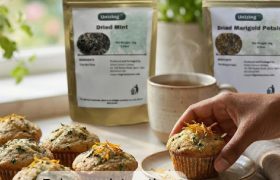
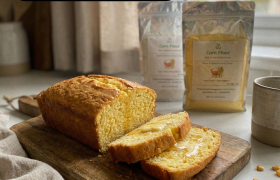
- Cornbread & Quick Loaves: The most famous corn flour “bread” is cornbread, a golden quick bread that’s closer to a moist cake. Cornbread doesn’t use yeast at all – instead it rises with baking powder or soda. You can mix our fine corn flour with eggs, a bit of oil, milk, a touch of sugar/honey, and baking powder to bake a lovely dense loaf or muffins. Because it’s gluten-free, the texture will be a bit crumbly (think along the lines of a cake or muffin, not a stretchy bread). Add some corn kernels, cheese or peppers for a fun twist. These corn flour loaves or muffins pair wonderfully with soups, stews, or as a snack.
- Pancakes & Flatbreads: Corn flour makes tasty wheat-free pancakes. Just combine it with an egg (or mashed banana for vegan option), milk or water, a little oil and leavening. The pancakes will be tender with a slight crisp edge and a pleasant corn taste. Similarly, you can create simple flatbreads or wraps with corn flour. For example, mix corn flour with hot water and a pinch of salt to form a soft dough, then press or roll it into flat rounds. Cook these on a hot pan – you’ll get something like a rustic corn flatbread. They won’t be as flexible as wheat rotis or tortillas (corn flour is more brittle), but you can make small, thicker flatbreads that are great for dipping or topping. Pro tip: using a bit of cassava or tapioca starch in the mix can improve flexibility for wraps, since those starches add stretchiness.
- Baked Snacks (Crackers & Coatings): Ever tried corn crackers? You can mix corn flour with a bit of fat and water to make a dough, roll it thin and bake into crispy corn crackers – a great gluten-free snack! Additionally, corn flour excels as a gluten-free coating for frying or baking. Use it to bread chicken or tofu, or to dust veggies before pan-frying. It gives a light, crunchy coating (think tempura-style or the way cornmeal coats fried okra). While this isn’t “bread” per se, it’s a way to replace wheat flour in recipes (like coating that normally uses all-purpose flour).
- “Swallow” (Tuwo Masara): Outside the baking realm, corn flour’s superstar use in Nigerian cuisine is tuwo masara, the smooth corn flour swallow. Just corn flour and water, stirred over heat, turn into a smooth, dough-like meal that you eat with soup. It’s completely wheat-free and a beloved staple. (If you want to master lump-free tuwo, check out our guide on how to prepare corn flour for swallow (tuwo masara) for pro tips!)
So yes – you can create plenty of wheatless delights with corn flour. From a pan of crumbly cornbread to a plate of hot corn pancakes or a bowl of satisfying corn swallow, corn flour is versatile. The trick is to stick to recipes that don’t rely on gluten for structure. Quick breads, unleavened breads, and anything bake-from-batter (rather than knead-and-rise dough) are your friends here.
(Bonus: Even if you’re not cutting wheat entirely, you can still put corn flour to work by replacing a portion of wheat flour in traditional recipes. For instance, swap in about 25–30% corn flour in a muffin, pancake or bread recipe for extra fibre and flavour. Our Silky White/Yellow Corn Flour blends especially well with wheat flour in “rustic” bakes, adding a golden colour and hearty taste.)
What You Shouldn’t Do with Corn Flour
Now for the flipside – what not to do with corn flour if you’re trying to avoid a kitchen disaster. Some ideas sound great in theory but don’t work out well in practice due to that no-gluten issue. Here are a few “don’ts” for corn flour:
- Don’t expect a fluffy, airy bread loaf: Without gluten, a dough made of only corn flour simply won’t rise into a soft loaf. If you tried to bake a classic sandwich bread or our local Agege bread using 100% corn flour, you’d get a dense, brick-like or crumbling loaf. Corn flour can’t trap the yeast’s air bubbles effectively, so the bread will be very heavy and likely fall apart. (In fact, bakers often say you cannot make true leavened “bread” with just corn – you’d need to add special binders like psyllium husk or extra starches, which goes beyond a simple flour swap.)
- Don’t swap corn flour 1:1 for wheat flour in yeast recipes: Following from the above – if a recipe is designed for wheat (like a yeast-risen dough or a cake that relies on gluten structure), you can’t just use corn flour instead and hope it works. For example, don’t use corn flour in a dough expecting to knead it; it lacks the stretchy consistency and will break apart or turn paste-like. Always seek recipes specifically formulated for corn or gluten-free flours. They often compensate by using eggs, gums, extra starch, or different techniques to mimic the structure. Spontaneously substituting corn flour into a random bread recipe will end in disappointment.
- Don’t confuse corn flour with cornstarch: This is a common mix-up, especially since in the UK, people say “cornflour” meaning cornstarch. Cornstarch is the ultra-fine white powder used for thickening sauces or making custard – it’s not whole corn flour. Never try to bake bread with cornstarch; you’ll get a gooey mess or a rock-hard result. Make sure you’re using actual corn flour (maize flour) for any of the ideas we mention here. Corn flour has the yellow (or white) colour of ground corn and contains the grain’s proteins and fibre, whereas cornstarch is just the starch (carbohydrate) part of corn. They behave totally differently.
- Avoid purely starch-based “bread” attempts: On a related note, some might wonder “what if I add tons of starchy flour (like tapioca or potato starch) to corn flour to help it bind?” – Gluten-free bread recipes do use starches, but you still need a balance. If you somehow ended up with mostly starch and corn, you’ll get an odd, rubbery texture. Follow proven recipes if venturing into that territory. If your goal is a true bread loaf without any wheat, consider using a blend of gluten-free flours (corn, rice, sorghum, etc.) plus a binding agent and yeast – it’s possible to achieve a decent loaf, but it’s a science! For the scope of this post, we’re focusing on simpler corn-flour-only uses, because they’re much more foolproof.
In short, don’t try to force corn flour into roles that wheat flour plays in classic baking. You’ll save yourself wasted ingredients and frustration. Embrace corn flour for what it does best (the tasty results in the previous section!), rather than expecting it to perform exactly like wheat.
Wrapping Up: Enjoying Wheat-Free Baking with Corn Flour
Baking without wheat can be truly rewarding when you use the right approach. Corn flour brings its own unique taste and benefits to the table – a slightly sweet flavour, lovely colour, and whole-grain nutrients – as long as you work within its gluten-free limits. Instead of a traditional bread loaf, think muffins, quick breads, pancakes, and indigenous dishes like tuwo. You’ll discover new favourites that don’t miss the wheat at all!
Ready to try it out? Start small: maybe whip up a batch of corn flour pancakes this weekend or a simple cornbread loaf using Green Unison Corn Flour. You might be surprised how quickly your family devours these wheat-free treats. And if you’re feeling creative, experiment by combining corn flour with other flours (like a bit of plantain flour or yam flour) to create your own signature gluten-free bake – the possibilities are endless once you get the hang of it.
Green Unison’s own Silky White/Yellow Corn Flour is finely milled and easy to use for all the ideas we mentioned. It’s a pantry must-have if you’re exploring alternative flours. You can grab a pack from our shop or even order on WhatsApp for quick pickup. We’re always here to help you make the most of these natural ingredients in your kitchen.
Hungry for more tips? Don’t miss other guides on our blog, like How to Prepare Corn Flour for Swallow (Tuwo Masara) if you’re into traditional meals, or our upcoming posts on creative gluten-free baking. Have questions or your own corn flour experiment to share? Drop a comment or reach out – we love hearing from you!
Ready to go wheat-free with corn flour? Browse our Flours collection for quality, locally-grown options. You can order Silky White/Yellow Corn Flour directly from our site or chat with us for quick service. Happy baking!
CTA: Order Now – Get our premium corn flour and start baking! Shop online: Silky White/Yellow Corn Flour – Effortless Use or Chat with us on WhatsApp 👉 Click here (₦1,800 for 1 kg; same-day pickup available!). Enjoy nationwide delivery and let’s bring your wheat-free recipes to life!