
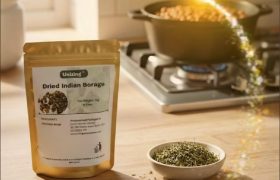
Maybe there is a pouch of dried Indian borage, a jar of dried sweet basil and some dried lavender sitting quietly in your cupboard. You add thyme and curry powder to almost every pot, but these herbs feel “new” and a little intimidating.
From messages and search data, we keep seeing the same questions:
- “Are dried herbs as good as fresh?”
- “How much should I use so it does not taste bitter?”
- “Can I even use herbs like Indian borage or lavender in our everyday dishes?”
This guide brings those real questions together and answers them in one place, with a special focus on Indian borage, basil and lavender – all available as gently dried, kitchen-ready herbs in the Green Unison eShop.
Important: this article is for everyday cooking, comfort and flavour only. It is not medical advice and it does not replace speaking to a qualified health professional about any symptoms, diagnosis or treatment.
Q1. I see Indian borage, basil and lavender on your shop. Where do I even start?
Let’s meet each herb in simple kitchen language.
Indian Borage (Mexican Mint / Cuban Oregano)
Flavour: bold, mint-meets-thyme with a hint of oregano.
Best for: rich, savoury dishes that need a lift – beans, stews, pepper soup, sauces and marinades.
Think of it as: a flavour “reset button” when your pot tastes flat or too heavy.
You can get food-grade dried leaves here: Nature Powered Dried Indian Borage (Mexican Mint / Cuban Oregano) .
Sweet Basil
Flavour: warm, slightly sweet and soft, with that classic tomato-friendly basil aroma.
Best for: anything tomato-based – stew, jollof-style rice, oven-baked chicken in tomato sauce, egg sauce, noodles with home-made pepper mix.
Think of it as: your go-to partner for tomato, onions and pepper.
Shop it here: Nature Powered Dried Sweet Basil .
Lavender
Flavour: floral and slightly sweet; strong in tiny amounts.
Best for: gentle “aroma accents” – simple bakes, honey, sugar, syrups for drinks, or as a tiny twist in zobo, pap toppings or dessert sauces.
Think of it as: vanilla’s floral cousin – use sparingly.
Explore culinary-friendly dried lavender here: Nature Powered Dried Lavender .
All three sit inside the Dried Herbs eShop, so you can easily add them to a single order.
Q2. Do dried herbs really work in our kind of cooking, or are they just for “foreign” recipes?
Short answer: yes, they work beautifully in everyday home cooking.
Dried herbs are simply fresh herbs that have had their water gently removed. That drying step concentrates flavour, which is why cooks usually need less dried herb than fresh. For long-cooked dishes like stews, soups and slow sauces, dried herbs often perform better than fresh because they have time to rehydrate and release flavour into the pot.
In practice, that means:
- Your long-simmered tomato stew loves dried basil.
- Your pot of beans or pepper soup can handle a bold herb like Indian borage.
- Your simple sugar syrup or honey can happily hold a pinch of dried lavender.
You do not need to change your whole menu. You are simply layering more depth, aroma and character into dishes you already cook.
Q3. How much dried herb should I use compared to fresh?
A common rule in cookbooks is:
Use about 1 part dried herb for 3 parts fresh.
In everyday kitchen language:
- 1 teaspoon dried ≈ 1 tablespoon chopped fresh.
Some herbs (like Indian borage and lavender) are naturally stronger, so you may need less. For a family pot (4–6 servings), here is a gentle starting guide:
- Indian borage: about ½ teaspoon dried leaves stirred into beans, stew or pepper soup in the last 5–10 minutes of cooking.
- Sweet basil: about 1 teaspoon dried leaves for a tomato stew or jollof-style rice; start with ½ teaspoon and adjust next time if you want more.
- Lavender: a pinch (⅛ teaspoon or less) in a small batch of syrup, biscuit dough or dessert topping. Too much quickly becomes perfumey.
Always start small; you can add more in your next pot when you know your preference.
Q4. When should I add dried herbs to soup, stew or sauce?
Timing makes a big difference.
For long-cooked dishes (stews, beans, pepper soup)
- Base layer: add part of your dried herb earlier in cooking so it can rehydrate and blend with the sauce.
- Finishing layer: add a small extra pinch near the end for fresh aroma just before serving.
Example for a tomato stew:
- After frying your pepper–tomato mix, add about ½ teaspoon dried basil and simmer.
- In the last 3–5 minutes, crush another small pinch of basil between your fingers straight into the pot for a bright aroma.
For very strong herbs (Indian borage, lavender)
- Indian borage: add towards the middle or end of cooking (last 5–10 minutes), especially if the pot will still simmer. It is powerful, so you do not need a long cook time for the flavour to appear.
- Lavender: use mainly in short-cooked recipes – infusing honey or syrup, or flavouring batter for biscuits and simple cakes – and always measure tiny amounts.
Q5. Which everyday dishes can I use Indian borage, basil and lavender in?
Here are practical, tonight-friendly ideas.
Dried Indian Borage in savoury dishes
Indian borage’s mint-thyme profile makes it shine in hearty, savoury pots.
- Beans and stews: add about ½ teaspoon dried Indian borage to a pot of beans or mixed stew in the last 10 minutes. Taste and adjust salt and acid (for example, a squeeze of lemon or lime).
- Pepper soup: add a small pinch along with your usual pepper soup spice mix; it gives an aromatic, slightly cooling background note.
- Marinades for fish or meat: combine crushed dried Indian borage with garlic, oil, salt and a little lemon for oven-baked fish or grilled chicken.
- “Flat” pots that need rescue: if your sauce tastes dull, crush a small pinch between your fingers and stir in near the end of cooking. It can act like a mini flavour reset.
You can stock up on dried Indian borage leaves here: Dried Indian Borage (Mexican Mint / Cuban Oregano) .
Dried Sweet Basil in tomato-based favourites
Basil and tomatoes are a classic pair across many cuisines, and the same rule works beautifully in West-African-style tomato dishes too.
- Tomato stew for rice or yam: add about 1 teaspoon dried basil once your pepper–tomato mix has fried and the oil “comes up”. Simmer, taste, and finish with a small extra pinch if you want more aroma.
- Jollof-style rice: stir ½–1 teaspoon dried basil into the base sauce before adding rice. It adds depth without changing the identity of the dish.
- Egg sauce: sprinkle a pinch into your onion–pepper–tomato mix just before you pour in beaten eggs.
- Noodles with homemade sauce: toss cooked noodles in a quick tomato-onion–pepper sauce with a pinch of dried basil and a squeeze of citrus instead of seasoning cubes alone.
Find dried sweet basil here: Nature Powered Dried Sweet Basil .
Dried Lavender in small sweet touches
Lavender is powerful. In cooking, it is usually treated like a gentle background note rather than the main flavour.
- Lavender sugar or honey: stir a tiny pinch into a small jar of sugar or honey and leave for a few days to infuse. Use in tea, on toast or over yoghurt and fruit.
- Simple biscuits or tea loaves: add a tiny pinch to vanilla biscuit dough or a basic tea loaf mixture. Lavender loves sugar, vanilla and citrus.
- Drink syrups: infuse a pinch into a small pot of sugar syrup, then strain and use the syrup to sweeten zobo, drizzle over fresh fruit, or stir into chilled water with lemon for a floral cooler.
Dried lavender is available here: Nature Powered Dried Lavender .
For extra kitchen inspiration with other herbs and teas, you can also explore herb-focused articles by searching for “peppermint”, “lemongrass” or “Indian borage” on our blog: peppermint, lemongrass, Indian borage.
Q6. How do I stop dried herbs from tasting medicinal or bitter?
If dried herbs have ever “slapped” you in a dish, it is usually because of one of three things:
- Too much at once – herbs like Indian borage and lavender are naturally potent.
- Added at the wrong time – some herbs taste better added early (to cook in), others near the end.
- No balance with salt, acid or fat – herbs need company.
To keep flavours round and friendly:
- Start with tiny amounts, especially for Indian borage and lavender. You can always add more next time.
- Crush dried leaves between your fingers just before adding. This wakes up their aroma and helps them blend into the dish.
- Balance with a pinch of salt and a dash of acid (tomato, lemon or lime) if the dish tastes “sharp herbal” rather than delicious.
- Pair herbs with friendly bases: tomatoes, onions, garlic, citrus and mild chilli help herbs shine instead of shout.
Q7. How should I store dried herbs, and how long do they last?
Proper storage is one of the most common questions we see – and it makes a real difference to flavour.
For dried herbs like Indian borage, basil and lavender:
- Keep them in airtight jars or resealable pouches.
- Store in a cool, dry cupboard, away from direct sunlight, cooker heat and steam.
- Always use a clean, dry spoon to scoop from the jar.
- As a general guide, most dried herbs keep their best flavour for 6–12 months when stored well.
If you open a jar and the aroma is weak or dusty instead of fresh and herbal, it may be time to refresh your stock.
You will find storage and shelf-life guidance printed on each Green Unison dried herb pack, and the resealable packaging is designed to make these steps easy.
Q8. Can I use the same dried herbs for tea as well as cooking?
Yes – as long as you are using culinary dried herbs from the food-grade herb range (not essential oils or cosmetic-only products).
Examples:
- Dried Indian borage can go into stews and also be brewed as a gentle herbal drink in small, food-like portions.
- Dried sweet basil can flavour tomato stew and also be steeped briefly as a simple herbal infusion.
- Dried lavender is commonly used in both tea and baking; the key is keeping the quantity low.
If you would like detailed tea brewing steps for mint family herbs and relaxing evening cups, you can search for “mint tea” or “calming tea” on our blog: mint tea articles.
In this particular guide, we are focusing mainly on cooking, so we recommend:
- Treat tea from dried herbs like a light, food-like drink.
- Keep daily amounts moderate, especially with stronger herbs.
- Always talk to a health professional if you plan to drink any herb regularly for specific health reasons.
Q9. Is there anyone who should be more careful with herbs?
Even though we are talking about food-like use, it is still good to stay on the safe side:
- If you are pregnant, breastfeeding, managing a health condition or taking regular medication, check with a qualified health professional before using herbs like Indian borage or lavender regularly as tea or strong infusions.
- Avoid giving concentrated herbal teas to babies and very young children unless a paediatric professional has advised it.
- If you ever notice unusual reactions after using any herb, stop and seek proper medical advice.
Used in normal culinary amounts in food, these herbs are typically enjoyed as part of everyday meals in many cultures. The key is moderation, variety and listening to your body.
Dried Herb Quick-Start Cheat Sheet (Family Pot)
Save or print this as a one-page guide for your kitchen. You can also turn it into a downloadable PDF or image in your media library.
| Herb | Flavour | How much?* (4–6 servings) | When to add | Great in |
|---|---|---|---|---|
| Indian borage | Bold mint–thyme | ½–1 tsp dried leaves | Last 5–10 mins of cooking | Beans, stews, pepper soup, fish/chicken marinades |
| Sweet basil | Warm, sweet, tomato-friendly | About 1 tsp dried leaves | Half early in sauce, small pinch at the end | Tomato stew, jollof-style rice, egg sauce, noodles |
| Lavender | Floral, sweet, very strong | Pinch (⅛ tsp or less) | Short-cooked recipes, syrups, batters | Biscuits, syrups for zobo, honey or sugar jars |
*These are gentle starting points. Always adjust to your own taste.
Ready to turn those jars into real flavour?
If this guide has sparked ideas for your next pot, here are easy next steps:
- Browse all food-grade herbs in the Dried Herbs eShop.
- Go straight to:
- Prefer to browse by phone? Open our WhatsApp catalogue: https://wa.me/c/2348103043789.
- Not sure which herb fits your favourite dishes? Tap to chat and tell us what you cook most often – we will help you pick a simple starting combo.
Chat on WhatsApp or send a direct message to +234 810 304 3789.
Little herbs, big flavour – one pinch at a time. 🌿
Leave a Reply