Category: Recipes

  • Corn Flour Bread Without Wheat: What You Can Make (and What You Shouldn’t)

    Corn Flour Bread Without Wheat: What You Can Make (and What You Shouldn’t)

    Ever wondered if you could bake bread using corn flour instead of wheat flour? You’re not alone. Many home bakers are exploring wheat-free, gluten-free alternatives for health or dietary reasons. Corn flour (finely milled maize) is a naturally gluten-free whole grain flour, so it’s an exciting option. But can it truly replace wheat in bread? The answer: yes, you can make some delicious things with corn flour alone, but no, it won’t behave exactly like wheat. In this post, we’ll explore what you can bake with corn flour when you skip the wheat – and what you shouldn’t attempt, to save you time and kitchen frustration.

    (Quick note: Here corn flour means whole ground corn/maize flour, not the starchy white “cornflour” used as a thickener. We’re talking about the yellow or white corn meal flour from maize grains, which is what Green Unison’s Corn Flour is. It’s naturally gluten-free with all the fibre and nutrients of whole corn.)

    Why No Wheat? Corn Flour vs. Wheat Flour Basics

    Baking without wheat is becoming popular as more people go gluten-free or experiment with local flours. Corn flour is a staple from maize – a crop we know well – so it’s an appealing wheat substitute. The key difference: unlike wheat, **corn flour contains *zero gluten***. Gluten is the protein in wheat that makes dough stretchy and traps air bubbles, giving bread that soft, risen structure. Corn flour has no gluten, which means:

    • Pros: Corn flour is gluten-free (great for those with gluten intolerance or looking to cut down on refined flour). It brings a rich, subtly sweet corn flavour and extra whole-grain fibre. It’s also locally available and affordable.
    • Cons: Without gluten, corn flour dough doesn’t have elasticity. It won’t rise and fluff up the way a wheat dough will. This doesn’t mean you can’t make any “bread” with it – but it does mean true yeast-risen bread loaves are tricky.

    In other words, corn flour can shine in certain recipes, but you need to choose the right kind of bakes. Let’s dive into those.

    What You Can Make with Corn Flour (No Wheat Added!)

    Fortunately, you can enjoy plenty of wheat-free goodness with corn flour. Here are some baked (and non-baked) creations that work well with 100% corn flour – no wheat needed:

    • Cornbread & Quick Loaves: The most famous corn flour “bread” is cornbread, a golden quick bread that’s closer to a moist cake. Cornbread doesn’t use yeast at all – instead it rises with baking powder or soda. You can mix our fine corn flour with eggs, a bit of oil, milk, a touch of sugar/honey, and baking powder to bake a lovely dense loaf or muffins. Because it’s gluten-free, the texture will be a bit crumbly (think along the lines of a cake or muffin, not a stretchy bread). Add some corn kernels, cheese or peppers for a fun twist. These corn flour loaves or muffins pair wonderfully with soups, stews, or as a snack.
    • Pancakes & Flatbreads: Corn flour makes tasty wheat-free pancakes. Just combine it with an egg (or mashed banana for vegan option), milk or water, a little oil and leavening. The pancakes will be tender with a slight crisp edge and a pleasant corn taste. Similarly, you can create simple flatbreads or wraps with corn flour. For example, mix corn flour with hot water and a pinch of salt to form a soft dough, then press or roll it into flat rounds. Cook these on a hot pan – you’ll get something like a rustic corn flatbread. They won’t be as flexible as wheat rotis or tortillas (corn flour is more brittle), but you can make small, thicker flatbreads that are great for dipping or topping. Pro tip: using a bit of cassava or tapioca starch in the mix can improve flexibility for wraps, since those starches add stretchiness.
    • Baked Snacks (Crackers & Coatings): Ever tried corn crackers? You can mix corn flour with a bit of fat and water to make a dough, roll it thin and bake into crispy corn crackers – a great gluten-free snack! Additionally, corn flour excels as a gluten-free coating for frying or baking. Use it to bread chicken or tofu, or to dust veggies before pan-frying. It gives a light, crunchy coating (think tempura-style or the way cornmeal coats fried okra). While this isn’t “bread” per se, it’s a way to replace wheat flour in recipes (like coating that normally uses all-purpose flour).
    • “Swallow” (Tuwo Masara): Outside the baking realm, corn flour’s superstar use in Nigerian cuisine is tuwo masara, the smooth corn flour swallow. Just corn flour and water, stirred over heat, turn into a smooth, dough-like meal that you eat with soup. It’s completely wheat-free and a beloved staple. (If you want to master lump-free tuwo, check out our guide on how to prepare corn flour for swallow (tuwo masara) for pro tips!)

    So yes – you can create plenty of wheatless delights with corn flour. From a pan of crumbly cornbread to a plate of hot corn pancakes or a bowl of satisfying corn swallow, corn flour is versatile. The trick is to stick to recipes that don’t rely on gluten for structure. Quick breads, unleavened breads, and anything bake-from-batter (rather than knead-and-rise dough) are your friends here.

    (Bonus: Even if you’re not cutting wheat entirely, you can still put corn flour to work by replacing a portion of wheat flour in traditional recipes. For instance, swap in about 25–30% corn flour in a muffin, pancake or bread recipe for extra fibre and flavour. Our Silky White/Yellow Corn Flour blends especially well with wheat flour in “rustic” bakes, adding a golden colour and hearty taste.)

    What You Shouldn’t Do with Corn Flour

    Now for the flipside – what not to do with corn flour if you’re trying to avoid a kitchen disaster. Some ideas sound great in theory but don’t work out well in practice due to that no-gluten issue. Here are a few “don’ts” for corn flour:

    • Don’t expect a fluffy, airy bread loaf: Without gluten, a dough made of only corn flour simply won’t rise into a soft loaf. If you tried to bake a classic sandwich bread or our local Agege bread using 100% corn flour, you’d get a dense, brick-like or crumbling loaf. Corn flour can’t trap the yeast’s air bubbles effectively, so the bread will be very heavy and likely fall apart. (In fact, bakers often say you cannot make true leavened “bread” with just corn – you’d need to add special binders like psyllium husk or extra starches, which goes beyond a simple flour swap.)
    • Don’t swap corn flour 1:1 for wheat flour in yeast recipes: Following from the above – if a recipe is designed for wheat (like a yeast-risen dough or a cake that relies on gluten structure), you can’t just use corn flour instead and hope it works. For example, don’t use corn flour in a dough expecting to knead it; it lacks the stretchy consistency and will break apart or turn paste-like. Always seek recipes specifically formulated for corn or gluten-free flours. They often compensate by using eggs, gums, extra starch, or different techniques to mimic the structure. Spontaneously substituting corn flour into a random bread recipe will end in disappointment.
    • Don’t confuse corn flour with cornstarch: This is a common mix-up, especially since in the UK, people say “cornflour” meaning cornstarch. Cornstarch is the ultra-fine white powder used for thickening sauces or making custard – it’s not whole corn flour. Never try to bake bread with cornstarch; you’ll get a gooey mess or a rock-hard result. Make sure you’re using actual corn flour (maize flour) for any of the ideas we mention here. Corn flour has the yellow (or white) colour of ground corn and contains the grain’s proteins and fibre, whereas cornstarch is just the starch (carbohydrate) part of corn. They behave totally differently.
    • Avoid purely starch-based “bread” attempts: On a related note, some might wonder “what if I add tons of starchy flour (like tapioca or potato starch) to corn flour to help it bind?” – Gluten-free bread recipes do use starches, but you still need a balance. If you somehow ended up with mostly starch and corn, you’ll get an odd, rubbery texture. Follow proven recipes if venturing into that territory. If your goal is a true bread loaf without any wheat, consider using a blend of gluten-free flours (corn, rice, sorghum, etc.) plus a binding agent and yeast – it’s possible to achieve a decent loaf, but it’s a science! For the scope of this post, we’re focusing on simpler corn-flour-only uses, because they’re much more foolproof.

    In short, don’t try to force corn flour into roles that wheat flour plays in classic baking. You’ll save yourself wasted ingredients and frustration. Embrace corn flour for what it does best (the tasty results in the previous section!), rather than expecting it to perform exactly like wheat.

    Wrapping Up: Enjoying Wheat-Free Baking with Corn Flour

    Baking without wheat can be truly rewarding when you use the right approach. Corn flour brings its own unique taste and benefits to the table – a slightly sweet flavour, lovely colour, and whole-grain nutrients – as long as you work within its gluten-free limits. Instead of a traditional bread loaf, think muffins, quick breads, pancakes, and indigenous dishes like tuwo. You’ll discover new favourites that don’t miss the wheat at all!

    Ready to try it out? Start small: maybe whip up a batch of corn flour pancakes this weekend or a simple cornbread loaf using Green Unison Corn Flour. You might be surprised how quickly your family devours these wheat-free treats. And if you’re feeling creative, experiment by combining corn flour with other flours (like a bit of plantain flour or yam flour) to create your own signature gluten-free bake – the possibilities are endless once you get the hang of it.

    Green Unison’s own Silky White/Yellow Corn Flour is finely milled and easy to use for all the ideas we mentioned. It’s a pantry must-have if you’re exploring alternative flours. You can grab a pack from our shop or even order on WhatsApp for quick pickup. We’re always here to help you make the most of these natural ingredients in your kitchen.

    Hungry for more tips? Don’t miss other guides on our blog, like How to Prepare Corn Flour for Swallow (Tuwo Masara) if you’re into traditional meals, or our upcoming posts on creative gluten-free baking. Have questions or your own corn flour experiment to share? Drop a comment or reach out – we love hearing from you!


    Ready to go wheat-free with corn flour? Browse our Flours collection for quality, locally-grown options. You can order Silky White/Yellow Corn Flour directly from our site or chat with us for quick service. Happy baking!

    CTA: Order Now – Get our premium corn flour and start baking! Shop online: Silky White/Yellow Corn Flour – Effortless Use or Chat with us on WhatsApp 👉 Click here (₦1,800 for 1 kg; same-day pickup available!). Enjoy nationwide delivery and let’s bring your wheat-free recipes to life!

  • Tuwo Masara for Beginners: Smooth, Stretchy, Lump-Free Every Time

    Tuwo Masara for Beginners: Smooth, Stretchy, Lump-Free Every Time

    Prep time: 5–10 minutes
    Cook time: 10–15 minutes
    Serves: 2–3 (adjust proportions as needed)

    Tuwo Masara — a comforting corn-flour swallow — should be soft, smooth and hold together without crumbling. If you’ve had trouble with lumpy tuwo or a swallow that breaks apart, this beginner-friendly guide is for you. It focuses only on using finely milled corn flour (the kind sold for swallow preparation) and gives clear, repeatable steps that remove the guesswork.

    Why this method works: start with a thin slurry so the flour disperses evenly, cook a stable base, then add the remaining flour slowly while stirring. A final short steam ensures the centre cooks through and the tuwo binds together for a stretchy, lump-free finish.


    Ingredients & tools

    Ingredients (approximate — scale to suit):

    • 1 cup finely milled corn flour (white or yellow) — see product link below
    • 2–2½ cups water (for ~1 cup corn flour) — plus a little extra if needed
    • A pinch of salt (optional)

    Tools:

    • Heavy-bottomed pot or saucepan
    • Sturdy wooden spoon or heatproof spatula (a turning stick is ideal)
    • Small mixing bowl for the slurry
    • Measuring cup and spoon

    Order fine corn flour: Green Unison Finely Milled Corn Flour — suitable for tuwo masara and made for smooth mixing. You can also browse all our flours here: https://greenunison.com/shop/


    Quick explanation: why lumps and breakage happen

    • Dry flour dumped into hot water causes clumps that are hard to break down.
    • Coarse flour or unsieved flour doesn’t dissolve evenly, leaving a grainy texture.
    • Too little water makes a dry, crumbly dough that falls apart.
    • Insufficient cooking/steaming leaves the centre undercooked and prone to breaking.

    The instructions below address each of these issues.


    The Smooth Tuwo Method — step-by-step

    This two-stage method (slurry → gradual dry add) is the simplest and most reliable for beginners.

    1. Heat the water
      Add 2–2½ cups of water to your pot and bring to a rolling boil. Reduce heat to medium so the water is hot but not vigorously boiling (this gives you better control when adding flour).
    2. Make a thin corn-flour slurry
      In a small bowl, combine half of the corn flour (about ½ cup) with cold water to make a smooth, runny batter (think thin porridge). Mix until there are no dry pockets. This slurry prevents instant lumping when it hits the hot water.
    3. Cook the slurry into a base
      Pour the slurry into the hot water slowly while stirring continuously. The mixture will thicken quickly into a pap-like base. Stir for 2–3 minutes to cook out the raw corn taste and to form a stable foundation.
    4. Add the remaining flour gradually
      Sprinkle the remaining dry corn flour into the pot in small handfuls while stirring vigorously. After each sprinkle, work the flour in until incorporated. This gradual addition is the step that prevents lumps — patience here is key.
    5. Adjust to the right consistency
      As the mixture becomes thick, it should be moist and elastic rather than dry and crumbly. If it firms up too fast, splash in a tablespoon or two of hot water and continue stirring. Aim for a dough that pulls cleanly from the pot sides and holds shape when scooped.
    6. Steam for a few minutes
      When the mixture is smooth and homogeneous, reduce the heat to low, cover the pot and let it steam for 2–3 minutes. This finishing steam cooks the centre and helps the tuwo bind so it won’t fall apart.
    7. Final stir and shape
      Uncover, give a final vigorous stir, then scoop and mould into round portions using a wet spoon or a bowl lined with plastic. Serve hot with your preferred soup or stew.

    Ratio cheat-sheet (no scale)

    • Starter (thin slurry): ½ cup corn flour + enough cold water to make a thin batter (approx. ¾ cup cold water)
    • Boiling water: 2–2½ cups of hot water for 1 cup total corn flour
    • Adjust: Add hot water a tablespoon at a time if mixture feels too stiff while cooking

    Tip: If cooking for more people, increase flour and water proportionally — keep the slurry stage and gradual flour addition the same.


    Extra tips for success

    • Use finely milled corn flour — coarser flours can give a grainy finish. Our recommended product is designed for swallow preparation.
    • Stir with purpose: a sturdy wooden spoon helps you reach every part of the pot and prevents scorching.
    • Don’t rush adding the dry flour. Small additions and full incorporation are the secret to zero lumps.
    • If lumps appear: take the pot off the heat and vigorously stir or smash them against the pot side with the spoon, then return to the heat and continue. For small stubborn lumps, a short blender blitz (if removed and cooled slightly) can rescue a batch, but prevention is preferable.
    • Steaming matters: a brief covered cook at the end makes the tuwo cohesive and elastic. Skipping it is a common reason for crumbling.

    Serving ideas

    Tuwo Masara pairs well with rich, flavourful soups. Some popular combinations:

    • Groundnut (peanut) soup — nutty and rich
    • Egusi (melon seed) stew — hearty and spicy
    • Vegetable or tomato-based soups — for lighter pairings

    Scoop a small ball of tuwo, dip into hot soup and enjoy. For a prettier plate, use yellow corn flour for a warm golden colour.


    Storage & reheating

    • Best eaten fresh. Tuwo is softest and most pleasant hot.
    • To keep: wrap warm tuwo in cling film and refrigerate for up to 24–48 hours.
    • Reheat: sprinkle a little hot water over the portion and reheat gently on the stove with stirring until soft, or microwave briefly with a sprinkle of water — stirring halfway through.

    Frequently asked questions

    Q — Can I use cornmeal or corn starch instead?
    A — Cornmeal (coarser) will give a grainier texture; if you must use it, sieve first and accept a different mouthfeel. Corn starch is a pure starch and not suitable as the main ingredient for tuwo masara. Use a finely milled corn flour made for swallows.

    Q — How do I know the tuwo is done?
    A — The tuwo should be smooth, pull away from the pot sides, and feel elastic when you scoop it. A short steam finishes the cooking and sets the texture.

    Q — Is tuwo masara gluten-free?
    A — Yes — when made from pure corn flour, tuwo is naturally gluten-free.


    Related resources & internal links

    • Our corn flour product: Green Unison Finely Milled Corn Flour — https://greenunison.com/product/nature-powered-corn-flour/
    • Browse all flours: https://greenunison.com/shop/
    • For more behind-the-scenes reading, see our collection: Farm to Cup — Behind the Scenes of Our Dried Herbs (find related posts and guides in the blog sitemap): https://blog.greenunison.com/post-sitemap.xml
    • Want a storage guide for flours? Check our blog for flour storage tips (link to related post in your CMS when you publish).

    Ready to try it?

    Give the smooth tuwo method a go today — it’s quick, forgiving and perfect for beginners. If you’d like to order the corn flour we recommend, you can:

    • Buy online: https://greenunison.com/product/nature-powered-corn-flour/
    • Browse our shop / other flours: https://greenunison.com/shop/
    • View our WhatsApp catalogue: https://wa.me/c/2348103043789
    • Chat or order via WhatsApp: https://wa.me/2348103043789?text=Hi%20Green%20Unison!%20I%20want%20to%20buy%20your%20corn%20flour%20for%20tuwo.

    If you found this guide helpful, please leave a comment on the blog, share your finished tuwo picture, or send us a message on WhatsApp. Happy cooking!

  • Plantain Flour Amala: The 3-Minute Whisk Method (Plus How to Fix Lumps, Stickiness & Bitter Taste)

    Plantain Flour Amala: The 3-Minute Whisk Method (Plus How to Fix Lumps, Stickiness & Bitter Taste)

    If you’ve ever made plantain flour amala and ended up with lumps, a sticky paste, or a slightly bitter taste, you’re not alone. The good news: you don’t need a sieve, special tools, or long stirring sessions.

    This is the 3-minute whisk method we use when we want smooth amala fast—plus exact fixes if anything goes wrong.

    Best for: busy weeknights, first-timers, “I need swallow now” moments.


    What you’ll need (simple)

    • Plantain flour (finely milled works best): Nature Powered Plantain Flour
    • Water
    • A pinch of salt (optional, but helpful for taste)
    • Balloon whisk (or a sturdy fork in a pinch)
    • Pot + wooden spatula (for final smoothing)

    Want to browse all our flours? Start here: Shop Flours


    The 3-Minute Whisk Method (Lump-Free)

    Step 1: Get your water hot (30–60 seconds)

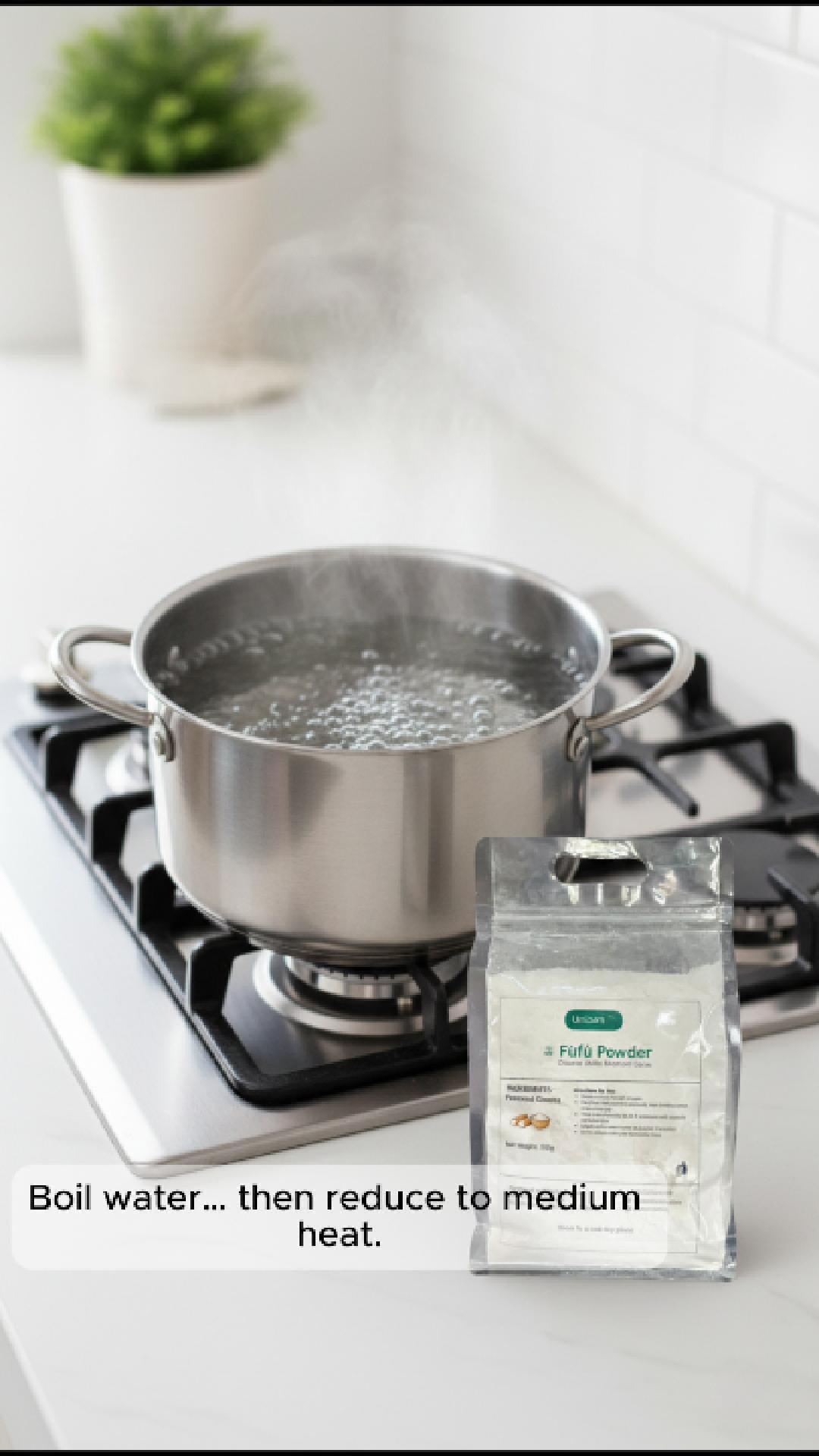
    Bring water to a boil, then reduce to medium heat (still steaming/hot, not raging).

    Step 2: Whisk first, pour flour like rain (60–90 seconds)

    Keep the whisk moving and sprinkle plantain flour gradually—don’t dump it all at once.
    You’ll see it thicken quickly.

    Step 3: Smooth & fold (60 seconds)

    Once it gets thick enough that whisking feels heavy:

    • switch to a wooden spatula
    • fold, press, and turn for about 1 minute
    • cover for 30 seconds (optional), then give it one final smooth turn

    Done. Serve immediately with your favourite soup.


    Quick ratio guide (start here, then adjust)

    Because flour fineness and personal preference vary, use this as a reliable starting point:

    • 1 cup plantain flour : 2 cups water → firm, classic swallow texture
    • Prefer it softer? add hot water 1–2 tablespoons at a time while turning.

    Tip: If you’re cooking for one, start smaller and scale up once you like your texture.


    Troubleshooting (Save this part)

    1) “I have lumps” — How to fix it fast

    Why it happens: the outside of the flour hits hot water and gels before the inside hydrates.

    Fix (choose one):

    • Hot-water rescue: take pot off heat, add 2–4 tbsp hot water, whisk hard for 20–30 seconds, then return to medium heat and turn smooth.
    • Press & turn: press lumps against the pot side with your spatula while turning.
    • Prevention for next time: sprinkle flour gradually and keep whisk moving before it thickens.

    2) “It’s sticky / gluey” — How to correct it

    Common causes:

    • too much water
    • undercooked (needs a bit more heat time)
    • too much aggressive stirring after it has set

    Fix:

    • return to medium heat for 60–90 seconds, turning gently (cooking helps it set properly)
    • if it’s still too soft, sprinkle 1–2 teaspoons of plantain flour and turn until it firms up
    • cover for 30–60 seconds to steam, then smooth once

    3) “It tastes bitter” — What’s going on?

    Plantain flour can have a naturally “earthy” note, but bitter is usually one of these:

    • flour has picked up off-flavours from heat/humidity
    • flour stored unsealed near strong smells
    • pot got too hot and the bottom scorched slightly

    Fix now:

    • add a tiny pinch of salt and serve with a rich soup (bitterness fades in balance)
    • if you suspect scorching, transfer to a clean pot and continue gently for 30 seconds

    Prevent next time:

    • store flour sealed, cool, and dry
    • avoid very high heat once thickening starts

    Common mistakes (and the easy swap)

    • Dumping flour in one go → sprinkle it gradually
    • Whisking stops too early → whisk until it’s thick, then switch to spatula
    • Heat too high → medium heat gives smoother results

    FAQs

    Can I mix with cool water first?

    Yes—if you’re a beginner, you can make a smooth slurry with a little cool water first, then pour into hot water while whisking. It’s slower, but very safe for lump-free results.

    Can I reheat leftover amala?

    Yes. Add a splash of hot water, cover, and warm on low heat. Turn once it softens.

    What to buy for this method?

    If you want the easiest, smoothest start, use a finely milled flour:


    Related reads from our blog


    Call to action (order in 30 seconds)

    Ready to make lump-free plantain flour amala this week?

    • 🛒 Buy on website: greenunison.com
    • 📦 WhatsApp catalogue: https://wa.me/c/2348103043789
    • 💬 Chat to order (prefilled): https://wa.me/2348103043789?text=Hi%20Green%20Unison%2C%20I%20want%20to%20order%20Plantain%20Flour%20for%20amala%20ogede.%20Please%20share%20your%203-minute%20whisk%20method%20ratio%20and%20delivery%20options.%20Thank%20you%21

    Pin this post so the troubleshooting section is always one scroll away.

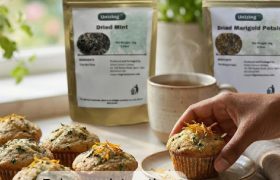
  • Herb-Scented Bakes: Using Dried Mint & Marigold with Plantain & Corn Flour

    Herb-Scented Bakes: Using Dried Mint & Marigold with Plantain & Corn Flour

    There’s a kind of comfort you can smell. The oven hums, the kitchen warms up, and the whole house starts whispering, “Something good is coming.” Now imagine that scent with a gentle minty lift and a soft, golden floral note, all wrapped up in a simple bake made with plantain flour and corn flour.

    This post gives you three things in one:

    • A recipe guide (easy muffins you can make on a relaxed day)
    • A practical, educational breakdown (how these flours behave, and how to get the best texture)
    • A cosy inspiration story (because food is flavour + feeling)

    Jump to the recipe


    A Sunday Kitchen Story: “The Bake That Smells Like a Garden”

    Some days call for loud flavours. Other days ask for something quieter, softer, and a bit more “grown-up.” This is that bake.

    You know the mood: you want something warm to nibble with tea, not too sugary, not too heavy, and definitely not stressful. You want a recipe that feels like a soft blanket, not a maths exam.

    That’s where dried mint and dried marigold petals come in. Mint brings a clean, refreshing aroma. Marigold adds a gentle golden colour and a light floral vibe. Together, they make your kitchen smell like “calm, but make it tasty.”


    Quick Ingredient Map (What Each One Does)

    1) Plantain flour

    Plantain flour gives body and a naturally earthy flavour that works beautifully in bakes. Because it’s gluten-free, it behaves differently from wheat flour, so we use simple structure helpers (like eggs or yoghurt) to keep things tender.

    2) Corn flour

    Corn flour adds a smooth, familiar comfort and helps lighten the texture when paired with plantain flour. It also plays nicely with warm spices and citrus, if you choose to add them.

    3) Dried mint

    Mint is powerful. A little goes a long way. The trick is to crush it gently (to wake up the aroma) and avoid “over-steeping” it in hot liquid for too long, which can make it taste sharp.

    4) Dried marigold petals

    Think of marigold as your “sunshine ingredient.” It’s mostly for colour and a soft floral hint. Use a small amount, like you would with zest: enough to be special, not enough to take over.


    Recipe Guide: Herb-Scented Plantain & Corn Flour Muffins

    Makes: 8–10 muffins
    Time: 10 minutes prep + 18–22 minutes bake
    Vibe: light, cosy, gently herby

    Ingredients

    • 1 cup plantain flour
    • 3/4 cup corn flour
    • 2 tsp baking powder
    • 1/3 cup sugar (white or brown, adjust to taste)
    • 1/4 tsp salt
    • 1 tsp dried mint leaves, gently crushed
    • 1/2 tsp dried marigold petals, lightly crumbled (or a pinch more for colour)
    • 2 eggs
    • 3/4 cup plain yoghurt (or sour milk/buttermilk)
    • 1/3 cup neutral oil (sunflower/vegetable)
    • 1 tsp vanilla (optional)

    Method

    1. Heat the oven: Preheat to 180°C. Line or grease a muffin tray.
    2. Mix dry: In a bowl, whisk plantain flour, corn flour, baking powder, sugar, salt, crushed mint, and crumbled marigold petals.
    3. Mix wet: In another bowl, whisk eggs, yoghurt, oil, and vanilla.
    4. Combine: Pour wet into dry. Stir gently just until you don’t see dry patches.
    5. Rest (important): Let the batter sit for 8–10 minutes. This helps the flours hydrate, which improves texture.
    6. Bake: Scoop into the tray and bake for 18–22 minutes, until a toothpick comes out mostly clean.
    7. Cool: Rest 10 minutes, then lift out. Enjoy warm.

    Easy flavour upgrades (optional)

    • “Tea-time” version: add 1/2 tsp cinnamon or nutmeg.
    • “Bright” version: add 1 tsp orange zest (pairs beautifully with marigold).
    • “Savoury snack” version: reduce sugar to 1 tbsp and add a pinch of black pepper + a little grated cheese.

    Note: If you’re baking for kids or guests, always check allergies and dietary needs. This is a food post, not medical advice.


    Educational: 7 Small Tricks That Make These Bakes Actually Work

    1. Rest the batter. Plantain and corn flour need a little time to soak up moisture. This reduces grit and dryness.
    2. Don’t overmix. Stir just until combined, or you’ll lose tenderness.
    3. Use yoghurt (or sour milk). It boosts softness and balances flavour without making any health promises.
    4. Crush mint gently. You want aroma, not dust.
    5. Use marigold lightly. It’s for colour and a soft note, not a “perfume cake.”
    6. Mind the bake time. Overbaking is the fastest route to dry muffins.
    7. Cool before storing. Trapped steam can make the tops sticky.

    Shop the Ingredients (Direct Links)

    If you prefer browsing everything at once, check our WhatsApp catalogue.

    Ready to order? Tap to chat: Chat on WhatsApp


    Related Reads (If You Want More Ideas)


    FAQ

    Can I bake with only plantain flour?

    You can, but the texture may be denser. Pairing with corn flour helps keep things lighter and more snackable.

    Can I use marigold in food?

    Yes, when it’s prepared as food-grade dried petals. Use a small amount for colour and a gentle floral note.

    How do I store these muffins?

    Let them cool fully, then store in an airtight container. For best texture, warm slightly before eating.


    One Last Nudge (The Friendly Kind)

    If you try these herb-scented muffins, you’ll understand why we call them “garden in the oven.” 🌿☀️

    Want your ingredients delivered quickly? Visit greenunison.com or browse the WhatsApp catalogue to pick your pack sizes.

  • 5 Healing Herbs to Spice Up Your Comfort Food

    5 Healing Herbs to Spice Up Your Comfort Food

    When it comes to comfort food, a little sprinkle of herb can do more than add flavor – it can add comforting benefits, too! 🌿 In this guide, we explore five healing herbs you can easily use in your everyday meals. These herbs not only make your kitchen smell divine, but also may help soothe common troubles like indigestion, stress or the sniffles (all without forcing anything – just good food and nature’s touch). Grab a warm seat and let’s cook for comfort!

    1. Peppermint – Soothe Digestion with a Fresh Twist

    Why it comforts: Peppermint is famous for calming an upset stomach. In fact, there’s science behind that after-dinner mint ritual – peppermint can relax stomach muscles and improve bile flow, easing indigestion. The menthol in peppermint also works as a gentle decongestant, which is why a steamy cup of peppermint tea feels so good when you have a cold. It’s a win for tummy comfort and stuffy noses!
    How to use: Brew a cup of peppermint tea using our food-grade Dried Peppermint Leaves as a soothing after-meal drink. You can also chop a few Dried Mint Leaves into a cucumber salad or yogurt raita – the cool flavor refreshes the palate and aids digestion. If you’re feeling adventurous, drop a leaf into your morning smoothie or zobo drink. The key is to start with a small pinch, taste, and add more if needed. Peppermint is potent, so a little goes a long way in cooking. (Ever wonder why peppermint candy is offered after heavy meals? Now you know – it’s not just tradition, it’s tummy care in disguise! 😊)

    2. Sweet Basil – Stress Relief in a Stew Pot

    Why it comforts: Sweet basil (the same “scent leaf” many of us know and love) isn’t only for jollof rice aroma – it’s also packed with antioxidants and anti-inflammatory compounds that support wellness. Some studies even suggest basil’s natural oils (like eugenol) can help reduce stress and anxiety levels. No, it’s not a magic cure for a bad day, but the ritual of cooking with basil – and the soothing scent it releases – can have a calming effect. Think of that whiff of fresh basil in hot soup; it practically feels like self-care.
    How to use: Stir a pinch of Dried Sweet Basil into your tomato stew or pepper soup towards the end of cooking (too much heat can diminish its flavor). The herbal note brightens rich dishes and might just help your nerves unwind after a long day. Pro tip: 1 teaspoon of dried basil ≈ 1 tablespoon fresh:contentReference[oaicite:8]{index=8}, so you don’t need much for that classic aroma. Basil is also great in non-Nigerian comfort foods: sprinkle it on homemade pizza, creamy pasta, or even make a quick basil tea (steep 1–2 teaspoons in hot water for 5 minutes) for a caffeine-free evening drink. The aroma therapy you get while chopping or infusing basil is a bonus dose of comfort!

    3. Lavender – A Little Calm in Your Cookies (or Cup)

    Why it comforts: Lavender is well-known for its relaxing scent – think aromatherapy oils and spa days. But can you cook with it? Absolutely – with a few pointers. Lavender contains gentle compounds that are traditionally used to ease stress and improve sleep (ever tried a lavender pillow spray?). In food, it can impart a soothing floral note that feels as calming as it tastes. However, many people worry: won’t my food taste like soap or grandma’s perfume? The good news: if you use culinary lavender and use just a little, your dishes will be enchanting, not overwhelming. The rule of thumb is “less is more” – dried lavender buds are about 3 times more potent than fresh, so start tiny and adjust:contentReference[oaicite:9]{index=9}. When done right, lavender adds a unique cozy warmth to sweets and drinks.
    How to use: Use edible dried lavender (like our locally grown Dried Lavender) in very small quantities. For instance, add a pinch of crushed lavender to a batch of cookie or shortbread dough – you’ll get a light floral hint that pairs beautifully with vanilla and citrus. 🍪 Or steep 1/2 teaspoon of lavender with your tea leaves to make a fragrant lavender tea (excellent with honey at bedtime). You can even infuse lavender in warm milk for a relaxing nightcap. Remember, because of lavender’s strength, it’s wise to start small and taste as you go. The goal is a hint of lavender; too much and you’ll go from comforting to cough syrup. Used sparingly, though, lavender can turn simple foods – like lemonade, hot cocoa, or even zobo – into a calming ritual. And yes, it’s completely safe to eat in these small amounts. So don’t be scared to try it in the kitchen – just follow your nose and your taste buds (they’ll tell you when it’s enough!).

    4. Lemongrass – Warming Relief for Cold Days

    Why it comforts: Lemongrass (known as “citrus grass” by some) brings a bright lemony flavor and a slew of traditional benefits. It’s popularly used in teas for anxiety relief and better sleep, and it contains compounds that fight inflammation:contentReference[oaicite:12]{index=12}. In folk medicine, lemongrass tea is a go-to for when you’re feeling under the weather – it can help reduce bloating and calm the body, almost like a natural mild sedative. Ever had a soothing cup of fever grass tea in grandma’s kitchen? That’s lemongrass working its magic, easing your tension and aiding digestion at the same time. It’s the definition of a comfort drink.
    How to use: Our Dried Lemongrass Leaves are perfect for brewing tea. Just steep a teaspoon in hot water for 5-10 minutes, strain and sip – you’ll notice how the citrusy aroma instantly “opens” your senses and relaxes you. 💆🏾‍♀️ You can add ginger or mint to the cup for extra flavor and cold-fighting power. Beyond tea, drop a piece of lemongrass in your pepper soup or chicken broth while it simmers – it lends a subtle fragrance that can lift your spirits, especially on a chilly evening. (Remove the lemongrass before serving, like you would a bay leaf.) Because lemongrass has those calming properties, a warm soup infused with it does double duty: it comforts you with heat and helps you unwind. Fun fact: The same natural oils in lemongrass that relax you are also great for skin and can even repel mosquitoes – but we’ll stick to culinary comforts here! Enjoy the gentle zest lemongrass brings, and breathe easy with each sip and spoonful.

    5. Indian Borage – Nature’s “Invisible Mentor” Herb

    Why it comforts: Indian Borage (sometimes called Cuban oregano or locally, a form of “effirin” in Yoruba) is a powerhouse of traditional remedies packed into one fuzzy leaf. This humble herb has a long history in grandma’s arsenal: it’s been used for chronic coughs, sore throats, and even skin soothing. In places like India and across Africa, people chew the leaves or drink the tea to help with persistent cough and bronchitis. The leaves are rich in anti-inflammatory properties, which might explain why they’re used to relieve asthma symptoms and ease chest congestion. Think of Indian borage as that quiet friend in the background, ready to step up when you’re feeling congested or run-down. It’s not as famous as peppermint or ginger, but it’s cherished as an “emergency herb” for good reason.
    How to use: Try adding a couple of Dried Indian Borage leaves to your cooking – its flavor is like a bold mix of mint and oregano, so it pairs well with meat and poultry dishes. For example, drop one leaf into your chicken pepper soup or goat meat stew as it cooks, then remove before serving (the same way you’d use a bay leaf or scent leaf). It gives a robust, herbal depth to the broth. You can also make a simple herbal steam to clear your nose: pour boiling water over a few borage leaves in a bowl, drape a towel over your head and inhale the steam (carefully). The menthol-like vapors can help open up nasal passages – a comforting relief when you’re bunged up with a cold. If you have fresh leaves, you might even chew on one for a cough (it’s strong, but generations swear by it!). And as always, moderation is key: one or two leaves are plenty to “do the job” – remember, with herbs it’s about gentle consistent support, not heavy doses. Indian borage proves that sometimes the lesser-known ingredients in our pantry carry the biggest comfort surprises!

    Bonus Tips for Cooking with Healing Herbs

    • Start Small, Adjust to Taste: When using potent herbs (👋🏽 hello lavender and Indian borage), begin with a tiny amount. You can always add a bit more, but you can’t undo an overpowering flavor. As one cooking guide says, “less is more when it comes to lavender” in recipes – and this wisdom applies to any strong herb. Your taste buds will guide you, so sprinkle, stir, and sample as you cook.
    • Pair with Comfort Classics: Incorporate these herbs into familiar comfort dishes. Making jollof rice? Toss in a bay leaf and a pinch of basil at the end for aroma. Craving hot chocolate? Try steeping it with a dried peppermint leaf for a minty twist. Because the goal is comfort, you don’t need fancy new recipes – just boost the ones you already love.
    • Quality Matters: Use culinary-grade, dried herbs from trusted sources. (Avoid grabbing potpourri lavender from a craft store, for example – it might be treated with chemicals 🫢.) All the herbs mentioned above – peppermint, basil, lavender, lemongrass, borage, etc. – are available in our shop in dried, food-safe form, grown and prepared with care. Quality dried herbs ensure you get the flavor and the benefits without any unwanted additives.
    • No Wild Health Claims: Enjoy the gentle health boosts these herbs offer, but remember they’re not medicines. Think of them as nature’s little helpers. A cup of lemongrass tea might relax you, but it’s not a prescribed sedative – and that’s okay! Embrace the comforting ritual and the possible relief it brings, with no pressure. Always listen to your body (and of course, consult a doctor for serious ailments). Herbs support a healthy lifestyle; they don’t replace professional care. 💚

    Comfort and Care, Served Naturally

    Cooking with healing herbs is like getting a warm hug from nature with your meal. By infusing your favorite comfort foods with peppermint, basil, lavender, lemongrass, or Indian borage, you’re layering in extra love and care. The next time you’re brewing that chicken pepper soup or baking those biscuits, reach for one of these herbs in your pantry. You’ll not only delight your senses but also tap into age-old wellness traditions that have comforted people for generations.

    Ready to give it a try? You can get high-quality, dried herbs delivered to your doorstep – browse our WhatsApp catalog for all the herbs mentioned here. We’ve got everything from mint to lavender in stock, carefully dried to lock in their goodness. If you need a friendly nudge or a custom recommendation, we’re just a chat away – chat with us on WhatsApp and let’s talk about which herb might become your new kitchen hero. We’re happy to help you pick, order, and even share more recipe ideas. 😉

    Cook, taste, and enjoy the comfort that nature offers. Sometimes, a pinch of healing is all you need to turn a good meal into a great one – for your body and soul. Happy cooking and take care! 💚🌱

    Content reviewed for accuracy and sourced from trusted references. All tips are for general wellness and enjoyment – no medical claims here, just delicious, time-honored habits*.

    (Tags: HealingHerbs, ComfortCooking, HerbalRemedies, NaturalFlavors, HealthyLiving)
    (Categories: Herbs & Spices; Wellness Tips; Recipes)

  • From Harvest to Home: How Our Local Farmers Bring Flour to Your Plate

    Sunrise over Green Unison plantain fields and a bag of plantain flour
    Sunrise at our farm and partner fields — the first step in a long, loving journey to your plate.

    There is a certain quiet that belongs to early mornings on the farm — a hush broken only by careful footsteps and the soft rustle of broad leaves. For the people who grow our plantains, every season is a chorus of hands, heat and hope. At Green Unison we grow plantains on our own farms, and when harvests can’t meet demand we carefully source the rest from trusted organic farms that practise gentle, chemical-free care. This is their story and the slow, loving labour that turns green unripe plantain into flour that warms festive tables, comforts harmattan mornings and helps households begin the new year with light, nourishing meals.

    At dawn: where the flour’s story begins

    Our plantain journey is rooted in Ogun State — from our small family fields around Iperu Remo, to the river-kissed plots of Akaka Remo, and a nearby farm settlement where a river runs through the land. Growers on our estate, the river-fed plots and partner organic farms rise early to harvest green unripe plantains at the perfect firmness. The fruit must be green and starchy — not sweet — to make flour that cooks into a smooth elubo ogede or a comforting breakfast porridge. These lands are tended in different ways: some by our own teams, and others by partner farmers working land that has been passed down through families, held communally, or rented from families who remain the landowners. Our head office in Iperu Remo also runs irrigation systems so we can support an all-year supply of fresh unripe plantains for milling and steady kitchen tables.

    Hands and stories: the people behind the flour

    Each bunch of plantains is a work of hands — peeled with patience, sliced thin, and dehydrated using controlled low-heat methods that preserve starch structure and minimise nutrient loss. This careful dehydration reduces moisture safely, helps prevent contamination and produces slices that mill into a smooth, sand-free flour. These hands do more than harvest: they keep communities fed and households afloat. At the nearby farm settlement many cultivators bring deep knowledge of planting and harvest cycles, helping the site thrive. On our own farms and at Akaka Remo our teams work alongside partner growers; some partner plots are family-inherited, some are communal lands rented for cultivation, and others are farmsteads rented from families who remain the landowners. This mix of arrangements is part of the region’s farming fabric — and it means every bag of flour carries the care and expertise of many hands and histories.

    “Behind every spoon of our plantain flour is a full day like this — careful peeling, controlled dehydration and smooth, sand-free flour, all ready for your table.”

    The gentle art: drying and milling for flavour and texture

    Quality plantain flour is made, not rushed. After peeling and slicing, our green unripe plantain is dehydrated using controlled, low-heat methods designed for best quality retention. These methods protect the starches and colour of the fruit while reducing moisture to safe levels, so the flour mills fine and cooks quickly into a lump-free swallow.

    Slow, low-temperature dehydration reduces the need for heavy processing, preserving the texture and helping the flour cook quickly into a lump-free swallow. Once dry, the slices are milled to a fine consistency and sieved so you get a smooth, even flour every time.

    We apply the same standards whether the plantains are grown on our estate, in Akaka Remo’s river-fed plots, at the nearby settlement, or on a partner organic farm: careful harvest timing, minimal handling and a focus on preserving natural goodness. These steps — harvest timing, gentle dehydration, fine milling — are simple, but they make the difference between a flour that needs lots of sieving and one that gives you perfect amala or pancakes with minimal fuss.

    Why plantain flour is perfect for festive, harmattan and New Year tables

    The end of the year brings feasts, travel and colder, drier mornings. Plantain flour answers the moment in three ways:

    • Comforting and light: A bowl of plantain porridge or a plate of smooth amala feels warming without being heavy — helpful during busy festivities.
    • Quick and forgiving: Finely milled plantain flour cooks fast and is generally easier to work with when you’re juggling holiday plans.
    • Budget-wise and local: Choosing locally produced flour supports small farmers and often offers a friendly price point for families planning seasonal menus.

    Search interest for plantain flour shows that people are looking for reliable, local alternatives — our own pages for plantain flour are being discovered in search, which tells us many households are curious and ready to try something wholesome and familiar.

    How to cook it — simple, honest tips

    Cooking plantain flour is a small act of care. Here are practical, no-nonsense tips so your first pot is the best pot.

    1. For smooth amala (swallow): Pour boiling water into a pot and reduce the heat slightly. Sprinkle the plantain flour in slowly, whisking or stirring firmly with a wooden spoon until it forms a smooth, elastic paste. If the pack gives a recommended ratio, start with that and adjust. If uncertain, add less flour, test the texture, then add more — you can always thicken, but you cannot thin a lumped paste easily.
    2. For porridge: Mix a small amount of flour into cool water to make a paste, then pour into gently boiling milk or water while stirring. Cook for a few minutes, stirring until the porridge thickens. Top with banana, roasted groundnut or a drizzle of honey for a quick festive breakfast.
    3. For baking and snacks: Plantain flour blends beautifully in pancakes, flatbreads and quick muffins. Swap up to half of the wheat in many simple recipes for plantain flour for a lighter, earthy result.
    4. Storage: Keep the flour in an airtight container in a cool, dry place. For longer shelf life during wet or humid months, store in the fridge. Use within the best-before period on the pack and always smell and check for dampness before use.

    If you’d like a quick recipe, try our 10-minute creamy plantain porridge — a crowd favourite over the last few weeks.

    Small choices, big meaning: health, economy and care

    Choosing locally produced plantain flour is about more than a single meal. It is a gentle vote for ingredients made nearby; a way of eating that prefers simpler processing and supports families who farm the land. Whether you want something light over the festive season, a soothing breakfast for harmattan mornings, or a healthier start to the new year, this flour offers a practical, kind choice.

    We’ve also shared many ideas for plantain flour across our blog — from creative everyday recipes to tips for bakes and snacks. If you’re planning festive menus or New Year meal prep, those guides make it easy to begin.

    Ready to taste the journey?

    If you’d like to bring this flour to your kitchen, choose the Smooth Plantain Flour that’s milled for consistent, lump-free cooking:

    All of our plantains are sourced in Ogun State — from Iperu Remo, Akaka Remo and a nearby farm settlement. A river passes through the settlement’s plots, and our head office in Iperu Remo uses irrigation systems to support an all-year supply of fresh unripe plantains, so every bag carries the same promise of quality and care.

    Prefer to chat before ordering? Tap our WhatsApp catalogue or message us directly: Chat to order — 0810 304 3789 😊

    Bring the farm home this festive season — choose flour made with care.

    If this story moved you, save it for your festive planning and share it with someone who loves plantain. 🌱💚

    Related: Beyond swallow & pancakes — 5 easy plantain flour recipes · Smooth plantain flour breakfast porridge — 10 minutes

  • Clean Eating Upgrade: How to Switch Your Swallow to Plantain Flour Without Stress


    If you’ve been thinking, “I want to eat a bit cleaner, but I still want my swallow,” you’re not alone.

    Clean eating doesn’t have to mean salad every day or complicated rules. Sometimes, it’s as simple as choosing a swallow that comes from one familiar ingredient you can pronounce, cooked the same way you already love.

    That’s where plantain flour swallow comes in a simple, comforting plantain flour swallow upgrade that still feels like home.

    What Does “Clean” Mean Here?

    When we say “clean” in this context, we’re talking about:

    • Short ingredient lists
    • Familiar, minimally processed foods
    • Products you can explain in one sentence

    For swallow, that looks like:

    • A flour that is made from one main ingredient
    • No artificial colourants
    • No flavour enhancers
    • No unnecessary additives

    Plantain flour fits that picture beautifully when it’s made from carefully dried, milled unripe plantain.

    What Exactly Is Plantain Flour Swallow?

    Plantain flour swallow is made by cooking plantain flour with hot water until it becomes smooth, stretchy and moldable very similar to other swallows you already know, just with a different base.

    Good plantain flour is usually:

    • Made from peeled, dried, finely milled unripe plantains
    • Naturally free from artificial colourants
    • Neutral to slightly earthy in taste
    • Easy to pair with vegetable, fish, meat or mixed soups

    If you want a version that is already finely milled and ready for smooth swallow, you can look at:

    It’s designed for instant plantain amala-style swallow, with no sieving needed.

    Why People Call It a “Clean Eating Upgrade”

    1. Simple, clear ingredients

    When your swallow is made from just plantain flour and water, you know exactly what is on the plate. It fits nicely into a clean eating mindset where you can recognise and trust the ingredients.

    2. Familiar comfort, adjusted in a gentle way

    You still sit down with a warm plate of swallow and soup. You still tear, dip and enjoy. The routine is the same the main change is the flour you used.

    3. Easy to fit into normal life

    You don’t have to change your entire cooking style. Most of your soups stay the same. You’re just swapping the base you mould on the side.

    For many people, that’s a realistic way to “upgrade” without turning their whole kitchen upside down.

    How to Switch Your Swallow to Plantain Flour (Step by Step)

    If you’ve only ever eaten other types of swallow, trying something new can feel risky. Here’s a gentle way to start.

    Step 1: Start with a small quantity

    For the first trial:

    • Cook plantain flour for just one person, or
    • Make a mix of half plantain flour, half your usual swallow flour

    This way, the taste and texture are not a shock, and you can adjust gradually.

    Step 2: Learn the water–flour balance

    Plantain flour can behave slightly differently from other flours, so take note of:

    • How much water you boil
    • How much flour you sprinkle in
    • How long you stir on the heat

    A simple starting mini-guide (you can adjust to your preference):

    1. Bring water to a gentle boil.
    2. Reduce the heat slightly.
    3. Sprinkle in plantain flour gradually, stirring firmly with a wooden spoon.
    4. Keep mixing until it thickens and pulls away from the sides of the pot.
    5. If it’s too soft, sprinkle a little more flour. If it’s too thick, add a splash of hot water and mix in well.

    Using a finely milled option like

    Smooth Plantain Flour (Elubo Ogede)

    helps reduce lumps and makes the process quicker.

    Step 3: Pair it with soups you already love

    Don’t change everything at once. Use the same soups you normally enjoy:

    • Leafy vegetable soups
    • Pepper-based soups
    • Egusi-style soups
    • Light broths with fish or meat

    Keeping the soup familiar makes it easier to adjust to the new swallow texture.

    Step 4: Notice how it feels for you

    Pay attention to:

    • How satisfied you feel
    • How the texture feels in your mouth
    • How easy it is to finish your plate

    Everyone’s preferences are different. The goal isn’t perfection it’s finding what truly works for your own body and routine.

    Tips for Getting the Best Result with Plantain Flour Swallow

    • Use hot, not lukewarm water for cooking. It helps the flour bind properly.
    • Stir with confidence. Gentle, slow stirring can create more lumps. A firm, circular motion helps keep it smooth.
    • Cover and steam for a minute after cooking, then give it a final stir. This often improves the stretch and softness.
    • Serve it fresh. Like many swallows, plantain swallow is at its best soon after cooking.
    • Store the flour well. Keep it in an airtight container in a cool, dry cupboard, and always use a dry spoon.

    Where Plantain Flour Fits in Your Clean Eating Pantry

    Plantain flour works well alongside other simple, clean staples, for example:

    With just a few of these on your shelf, you can pull off:

    • Weeknight swallow and soup
    • Light weekend brunches
    • Pancakes or bakes using plantain flour as part of your flour mix
    • Quick thickening for certain dishes

    Gentle, Real-Life Clean Eating

    Clean eating doesn’t have to be dramatic. Sometimes, it’s just:

    • Reading the label
    • Choosing the simpler option
    • Stocking your pantry with things you actually cook with

    Switching from one type of swallow to plantain flour swallow is one of those quiet upgrades: your plate still looks familiar, but your ingredient list gets calmer and shorter.

    If you’ve been curious about plantain swallow, this might be your sign to try a small pot, taste it with your favourite soup, and see how your own body and schedule respond.

    Ready to Try the Plantain Flour Swallow Upgrade?

    When you’re ready to give it a proper test in your own kitchen, you can order directly:

    Prefer to chat first or order via message?

    Plantain flour swallow might not be the only way to enjoy a good meal, but it’s a beautiful option to have on the table especially if you’re gently moving towards cleaner, calmer, more intentional eating.

  • Guilt-Free Puff-Puff: The Plantain Flour Revolution

    Guilt-Free Puff-Puff: The Plantain Flour Revolution

    If puff-puff was part of your childhood and weekend memories — the tray at parties, the stall by the roadside and the small-chops table — you’ll know how quickly those golden balls disappear.

    You’ve probably also heard more than once that it’s “junk food” you should avoid or keep strictly for special occasions. This post offers a guilt-free approach that keeps the soul of puff-puff but uses plantain and corn flour to create a lighter, softer and more wholesome-feeling result.

    We’ll open with the cultural story, then explain why this flour mix is a smart, sustainable pantry choice, and finish with a practical, kitchen-tested recipe and trouble-shooting tips so you can make these at home today.


    Puff-puff: a snack that carries memory

    Puff-puff is more than fried dough. It is smell, celebration, and sharing — the little treat that turns up at gatherings and makes people smile. Our aim here is not to replace tradition but to add an option: enjoy a version of puff-puff that is still indulgent, still delicious, but that feels lighter on the palate and sits well with a variety of diets and cooks.


    Why the plantain flour revolution?

    People are increasingly curious about flours beyond wheat. If you’ve ever picked up plantain or corn flour and wondered what else you can do with it, this puff-puff recipe is for you.

    What plantain flour actually does in puff-puff

    When you add Smooth Plantain Flour (Elubo Ogede) to puff-puff batter, a few useful things happen:

    • Softer crumb: Plantain flour holds on to moisture, so the inside stays soft and tender even after the puff-puff cools down.
    • Gentle natural sweetness: You get a mild, earthy sweetness, which means you can keep the sugar level comfortable without losing flavour.
    • Richer colour and aroma: The natural sugars in plantain help the puff-puff take on a warm golden colour and a slightly deeper aroma.
    • Less “heavy” feeling: Compared with using only white flour, many people find this blend tastes indulgent but doesn’t sit quite as heavy after a few pieces.
    • Tasty even the next day: The plantain flour helps the texture stay pleasant when reheated, instead of going tough or dry quickly.

    In short, plantain flour doesn’t just tick a “healthier” box on paper — it changes how your puff-puff looks, smells and feels in the mouth.

    Order Smooth Plantain Flour (Elubo Ogede)

    Corn flour — wholegrain backbone

    A dash of corn flour adds body and a pleasant wholegrain note, helping the puff-puff keep shape while remaining tender.

    Order Silky White/Yellow Corn Flour

    Together, plantain and corn flours are a small revolution in the bowl — they let you keep the familiar flavour while creating a softer, less heavy bite.


    Why choose Green Unison plantain flour for this recipe?

    For this puff-puff, you want plantain flour that is:

    • Finely milled, so it blends smoothly into batter without gritty bits
    • Carefully dried, so the flavour stays clean and the flour doesn’t taste smoky or bitter
    • Consistent from bag to bag, so your results are predictable

    That’s exactly what our Smooth Plantain Flour (Elubo Ogede) is made for. It works beautifully in swallow, but it also shines in recipes like puff-puff, pancakes and waffles — so a single bag goes a long way in the kitchen.

    How much plantain flour do you need?

    This recipe uses about ½ cup of plantain flour per bowl of batter. A standard bag of Smooth Plantain Flour will comfortably cover several family batches, so you can test this puff-puff, then still have enough left for pancakes or swallow during the week.


    The sustainability and “guilt-free” angle

    Puff-puff often gets pushed into the same group as doughnuts and chips – delicious, but treated as “junk” or fast food because it is deep-fried and usually made with only white flour and sugar. Many nutrition professionals will tell you to keep those foods as occasional treats.

    That doesn’t mean puff-puff has to disappear from your plate. It just means we can be more intentional about what goes into the bowl.

    By swapping part of the white flour for plantain flour (and a little corn flour), you are still making a treat, but you are also:

    • Upgrading the ingredients. You are bringing in real plantain and maize, not just refined flour.
    • Adding natural fibre and variety. Plantain and corn flours contribute fibre and micronutrients as part of a varied diet.
    • Making the indulgence feel more thoughtful. You still get that warm, party-snack feeling, but with a recipe that feels less like an “all or nothing” compromise.

    There is also a sustainability side:

    • Support local crops. Using plantain and corn flour encourages local farming and reduces reliance on imported refined flour.
    • Variety in the pantry. Rotating flours gives your cooking new flavours and textures and moves you away from a one-flour-for-everything mindset.

    The result is a puff-puff you can enjoy with a little less guilt: same street-snack nostalgia, but ingredients that line up better with everyday wellness goals.


    Guilt-Free Puff-Puff — base recipe (serves 4–6)

    Base flour ratio

    • 1 cup plain / all-purpose flour
    • ½ cup Smooth Plantain Flour — order here
    • ½ cup Silky White/Yellow Corn Flour — order here

    Other ingredients

    • ⅓–½ cup sugar (to taste)
    • 1 tbsp instant yeast
    • ½ tsp salt
    • ½ tsp grated nutmeg (optional)
    • 1½–1¾ cups lukewarm water (add gradually)
    • 1 egg (optional — helps tenderness and structure)
    • Neutral oil, for deep-frying

    Method

    1. Activate the yeast. Stir the lukewarm water, sugar and yeast; leave 5–10 minutes until foamy.
    2. Mix dry ingredients. Whisk together all flours, salt and nutmeg.
    3. Combine. Pour the yeast mix into the dry blend, add the egg if using, and stir to a thick, scoopable batter (should fall slowly from a spoon). Add water if too stiff.
    4. Proof. Cover and leave in a warm place for 40–60 minutes, until doubled and bubbly — this gives the airy interior.
    5. Fry carefully. Heat oil on medium. Test by dropping a small spoonful of batter: it should sink then slowly rise. Fry spoonfuls in small batches, turning for even browning (a few minutes per batch).
    6. Drain & serve. Use a slotted spoon and drain on a rack or paper towel. Serve warm.

    Notes

    • Plantain flour can brown a little faster due to natural sugars — moderate the oil heat to avoid over-browning.
    • For a wheat-free version, try equal parts plantain and corn flour with 1–2 eggs; expect a softer fritter rather than the classic stretchy puff-puff texture.

    Troubleshooting & tips

    • Batter too thick? Add 2–3 tbsp lukewarm water and fold gently. You want a batter that flows slowly.
    • Puff-puff dense after frying? Either the batter was too stiff or the proofing was insufficient. Give it time to double in a warm spot.
    • Too oily? Don’t overcrowd the pot and keep oil at medium; drain well on a rack.
    • Extra lift: A small splash (1 tsp) of white vinegar or lemon juice added to the batter just before frying can give a quick reaction with baking soda if you use any — a tiny trick for extra lift.

    Serving ideas & variations

    • Spiced sweet: Add a pinch of cinnamon or orange zest for a grown-up version.
    • Savoury twist: Reduce sugar, fold in chopped herbs and a little grated cheese for a tray of savoury bites.
    • Mini party puff-puff: Make smaller balls for canapé-style serving.

    Where to buy and how to order

    Ready to try the plantain flour version? Order your flour combo on greenunison.com or send “PUFF-PUFF” to 08103043789 and we’ll help you choose pack sizes.

    Prefer to order by chat?


    Puff-puff with plantain flour – quick questions

    Can I make this without egg?
    Yes. You can leave the egg out; just keep the batter slightly looser and give it enough time to rise so it stays airy.

    Can I bake instead of frying?
    You can spoon the batter into a greased muffin tin and bake until golden. The texture will be more like soft buns than classic puff-puff, but the flavour will still be lovely.

    Can I use only plantain flour?
    You can, but the texture will be closer to a soft fritter. The plantain-plus-corn-plus-wheat blend in this recipe gives a balance of softness, stretch and shape.


    Final note

    This small plantain-flour revolution keeps the pleasure of puff-puff while offering a guilt-free option that fits modern kitchens and tastes. Play with the ratios, keep an eye on the oil, and enjoy the process — a little experimentation is how the best recipes are born.

    Disclaimer: This article provides cooking guidance and sourcing notes only. It is not medical or nutritional advice.

  • Fluffy Corn-Flavoured Pancakes: A Naturally Sweet Breakfast with Green Unison

    Fluffy Corn-Flavoured Pancakes: A Naturally Sweet Breakfast with Green Unison

    Quick, soft and pleasantly sweet — pancakes reimagined with Green Unison corn flour.
    This post shares a simple recipe that produces light, fluffy pancakes with a clean corn flavour, honest tasting notes from our reviewer, and clear links so you can order the exact products shown.

    Simple Corn-Flour Pancake Recipe

    Makes: 8–10 medium pancakes | Prep & cook: ~10 minutes

    Ingredients

    Optional: For an even softer crumb, mix in a small amount of plantain flour. See plantain flour and other items on the Green Unison Shop (plantain flour and all products).

    Method

    1. In a bowl, sieve the wheat flour and add the corn flour. Add sugar, baking powder and a pinch of salt. Whisk to combine and remove any lumps.
    2. In a separate bowl, whisk the egg with the milk and oil.
    3. Pour the wet mix into the dry mix and whisk gently until you have a thick, smooth batter. Rest 5–10 minutes to let the flours hydrate.
    4. Heat a frying pan on medium and grease lightly. Pour the batter (about ¼ cup per pancake). Wait for bubbles to form on the surface and the edges to look set, then flip and cook until golden.
    5. Stack, drizzle with honey and enjoy.

    Tip: If the batter feels too thin, add a dash more corn flour. If too thick, loosen with a splash of milk. Aim for a thick, smooth, consistent batter before cooking.

    Why Green Unison corn flour works so well

    • Natural sweetness: corn adds a pleasant, subtle sweetness so you can reduce added sugar.
    • Fine milling → smooth batter: Green Unison corn flour blends easily, producing a silky, lump-free batter that cooks into a tender pancake.
    • Fluffy texture: with the right leavening (baking powder) and a gentle whisk, pancakes rise light and airy.
    • Versatile: use on its own for gluten-free pancakes or blend with plantain flour for extra softness.

    Honest tasting notes from the reviewer

    “Very fluffy inside.”
    “Just clean and natural flavour.”
    “No lumps no aftertaste.”
    “corn flour blends so with batter.”

    These short comments reflect what we experienced: a golden stack that tastes naturally sweet and finishes cleanly on the palate.

    Ready to order? Clear product links and ordering

    Buy the exact corn flour used in this recipe:

    Other products and complementary flours:

    Order by WhatsApp (quick and personal):

    We’re happy to advise on quantities, mixing ratios (corn vs plantain or wheat) and delivery options — just message us on WhatsApp.

    Final notes and serving ideas

    • Try a 1:1 mix of corn flour and plantain flour for extra softness (shop link above).
    • Add a splash of vanilla or a pinch of cinnamon to the batter for a warm flavour note.
    • Serve with fresh fruit and honey for a naturally sweet breakfast.

  • Plantain Flour for Better Digestion and Steady Energy: Simple Ways to Use It Every Day

    Some plates leave you feeling warm, satisfied… and completely knocked out afterwards. 🥵
    Other plates feel comforting but light enough that you can still think, work, study or care for family.

    Plantain flour often sits in that second group.

    This article explains, in simple, science-aware language, why many people find plantain flour gentler on the stomach, how it can support steadier energy, and easy ways to use it every day — without making any medical promises.

    You’ll also see where to get farm-powered Smooth Plantain Flour (Elubo Ogede) that is finely milled and ready for swallow, breakfast bowls, smoothies and more.

    Kind note: This article is for general information only and does not replace medical advice. If you have any health condition or dietary restriction, please speak with a qualified health professional before making changes to your diet.


    What exactly is plantain flour?

    Plantain flour is made from unripe plantain that has been:

    • washed and peeled
    • thinly sliced
    • gently dried
    • milled into a fine flour

    Because it is made from unripe plantain, it naturally contains:

    • complex carbohydrates
    • dietary fibre
    • a special type of carbohydrate called resistant starch
    • minerals such as potassium

    At Green Unison, our Smooth Plantain Flour (Elubo Ogede) is:

    • 100% unripe plantain (no mixing, no bulking)
    • low-heat dried to protect colour and flavour
    • finely milled for smooth amala with no sieving
    • packed in resealable, food-grade pouches

    This combination makes it a practical choice for people who want meals that feel satisfying, but not overly heavy.


    Why does plantain flour often feel gentler on the stomach?

    Everyone’s body is different, but there are a few reasons many people say plantain flour “sits better” than some heavy plates:

    1. Fibre and resistant starch

    Unripe plantain flour is naturally rich in fibre and resistant starch (a starch that behaves like fibre in the body).

    • Fibre adds bulk to food and slows down how quickly you digest it.
    • Resistant starch passes through the small intestine without breaking down fully, then is gently fermented in the large intestine by friendly bacteria.

    Together, these can:

    • support regular, comfortable digestion
    • help you feel pleasantly full, not stuffed
    • reduce the “sharp peaks and dips” in energy that come with very sugary or highly refined foods

    Research on resistant starch from different foods shows that it can lower the rise in blood sugar after a meal and support a healthy gut environment when eaten as part of a balanced diet. It is not a cure for any condition, but it is a helpful type of carbohydrate to include in everyday meals.

    2. Naturally simple ingredient list

    Good plantain flour should be just plantain — no added sugar, no whitening agents, no unnecessary additives.

    That simplicity means:

    • you know exactly what is on your plate
    • it is easier to combine with soups, stews and sides that already have spices, oil and protein
    • you can adjust portion size without worrying about hidden ingredients

    3. How you cook and serve it

    The same flour can feel very different depending on:

    • how much you eat at once
    • how thick or soft you make your swallow
    • what you eat with it (very oily, very salty or very spicy sauces will still feel heavy)

    Used in sensible portions, many people find plantain swallow “lighter” and less sleep-inducing than some alternatives — especially at night.


    Plantain flour and steady energy

    Most of the energy in plantain flour comes from complex carbohydrates. Because of the fibre and resistant starch, those carbohydrates tend to be released more steadily than very refined flours or sugary drinks.

    In everyday life, that can look like:

    • fewer sharp “rushes” and “crashes”
    • feeling full and focused for longer between meals
    • being able to finish work, errands or study after eating, instead of fighting sleep

    Of course, your whole plate still matters. Pairing plantain swallow or porridge with:

    • vegetables (for extra fibre and micronutrients)
    • beans, fish, eggs or lean meat (for protein)
    • healthy fats in moderation

    …helps your body use the energy from the flour in a more balanced way.


    Everyday ways to use plantain flour for digestion and energy

    Here are simple, realistic ways to bring plantain flour into your daily routine.

    1. Swallow that doesn’t feel too heavy

    Plantain amala (amala ogede) is the most familiar use.

    Quick method for one small/medium serving

    1. Bring about 2 cups of water to a gentle boil.
    2. Reduce the heat slightly so it is still hot but not bubbling over.
    3. Sprinkle in Smooth Plantain Flour (Elubo Ogede) gradually while stirring.
    4. Keep turning until it becomes smooth, stretchy and lump-free.
    5. Adjust with a splash of hot water if it becomes too thick.

    Serve immediately with your favourite soup or stew. To keep the plate feeling comfortable:

    • use a portion that truly matches your hunger
    • load the bowl with vegetables and quality protein
    • avoid turning the soup into a pool of oil

    2. Warm breakfast bowl for a gentle start

    A warm breakfast can be very soothing, especially for people whose stomachs are sensitive first thing in the morning.

    Simple plantain flour breakfast bowl

    1. Whisk 2–3 tablespoons of Smooth Plantain Flour (Elubo Ogede) into cool water or milk (dairy or plant-based) until smooth.
    2. Cook on low heat, stirring, until it thickens into a porridge.
    3. Sweeten lightly with dates, honey or fruit if you like.
    4. Top with nuts, seeds or a spoon of Finely-ground Groundnut Flour for extra richness and staying power.

    You get:

    • warmth and comfort
    • satisfying, slow-release carbohydrates
    • extra fibre and healthy fats from your toppings

    3. Smoothie or shake booster

    If you prefer to drink your breakfast or afternoon snack, plantain flour can add gentle thickness and extra staying power.

    How to use it

    1. Add 1–2 tablespoons of Smooth Plantain Flour (Elubo Ogede) to your blender.
    2. Pour in your usual smoothie ingredients – for example:
    3. Blend until completely smooth.
    4. Adjust liquid if it becomes too thick.

    Because the flour brings extra fibre and resistant starch, the smoothie can feel more like a proper mini-meal than just a sweet drink.

    4. Baby and toddler porridges (with care)

    Plantain flour has a mild, familiar flavour, which many babies and toddlers accept well once they are ready for family foods.

    You can:

    • cook it into a very soft porridge
    • thin it out with breastmilk, formula or appropriate milk alternatives
    • combine it with pureed vegetables or fruit

    Always follow your paediatrician’s advice on:

    • when to introduce solids
    • how thick the food should be
    • how to handle allergens

    Plantain flour should not replace professional guidance, but it can be one of several gentle staples in the cupboard.

    5. Simple pancakes, waffles and bakes

    You do not need complicated recipes to use plantain flour in snacks.

    Try:

    Because plantain flour is gluten-free, it behaves differently from wheat flour. Start by replacing 20–30% of the wheat portion and adjust from there until you find a texture your household enjoys.


    How to add plantain flour to your routine gently

    If you are new to plantain flour, there is no need to overhaul your whole diet in one week. A slow, thoughtful approach lets you notice how your body responds.

    Here’s a simple plan:

    1. Pick one meal to change first.
      For example, evening swallow or weekend breakfast.
    2. Swap just a part.
      Instead of switching 100% at once, start with half plantain flour and half your usual flour, then gradually increase the plantain portion.
    3. Watch how you feel.
      Notice your digestion, energy levels, mood and sleep before and after meals. Everyone responds differently.
    4. Keep the plate balanced.
      Add vegetables, good fats and proteins so your body has a mix of nutrients to work with.

    If at any point something does not feel right, go back a step or speak with a health professional. Listening to your body is always more important than following any trend.


    Who might especially enjoy plantain flour?

    Plantain flour can fit into many households, but it is especially attractive for:

    • people who want a swallow that feels lighter in the evening
    • students and office workers who do not want to feel sleepy after lunch
    • parents looking for simple, gentle porridges and swallow options for the whole family
    • anyone trying to add more fibre and variety to everyday meals, without giving up familiar flavours

    Again, it is not a medicine and is not meant to diagnose, treat or cure any condition. It is simply a smarter way to use a traditional ingredient, backed by what we now understand about fibre and resistant starch.


    Choosing a good-quality plantain flour

    When you are comparing bags on the shelf or online, look out for:

    • 100% unripe plantain on the ingredient list
    • low-heat or gentle drying methods
    • fine milling for smooth swallow and easy mixing
    • resealable, food-grade packaging
    • no unnecessary additives or bleaching agents

    Smooth Plantain Flour (Elubo Ogede) from Green Unison is made with:

    • carefully washed and peeled unripe plantain
    • thin slices dried under controlled, low-heat conditions
    • fine milling in food-safe equipment for a lump-free finish
    • small-batch packing into resealable stand-up pouches to keep moisture out

    You can also explore other nature-powered flours like:

    See them all together in the Flours eShop.


    Quick answers to common plantain flour questions

    1. Is plantain flour good for digestion?

    Plantain flour naturally contains fibre and resistant starch, which can support comfortable digestion and a healthy gut environment as part of a balanced diet. It is not a treatment for digestive illness, but it is a smart staple if you want meals that feel satisfying without being too heavy.

    2. Does plantain flour give energy?

    Yes. Plantain flour is a rich source of complex carbohydrates, which your body breaks down into energy more slowly than simple sugars. When you combine it with protein, vegetables and healthy fats, it can help you feel energised for longer between meals.

    3. Can I eat plantain flour every day?

    For most healthy adults, plantain flour can appear regularly in the diet — especially when you vary how you use it (swallow, porridge, smoothies and bakes). If you have any medical condition or specific dietary needs, speak with your doctor or dietitian first.

    4. Is plantain flour gluten-free?

    Unripe plantain itself does not contain gluten. Our Smooth Plantain Flour (Elubo Ogede) is made from 100% plantain with no wheat added. If you are very sensitive to gluten or have coeliac disease, always double-check labels and seek personal medical advice.


    Ready to try plantain flour for lighter, steadier meals?

    If you are curious about how plantain flour might feel in your own body, the best way is to test it gently at home.

    • Start with a small bag of Smooth Plantain Flour (Elubo Ogede).
    • Experiment with one or two of the ideas in this article this week.
    • Notice which meals your body enjoys the most.

    You can:

    • Shop online:
      Visit the Green Unison flours collection to see sizes, bundles and other nature-powered staples.
    • Browse the full WhatsApp catalogue:
      Open our WhatsApp catalogue to scroll through products, prices and pack sizes.
    • Chat with us directly on WhatsApp:
      If you would like help choosing plantain flour sizes or you want simple meal ideas for digestion and energy, send us a quick message:👉 Chat with us on WhatsApp

    We’ll help you pick the right pack for your household and share practical ways to enjoy plantain flour from breakfast to swallow — without feeling weighed down. 💚