Category: Flours

  • Wholesome Luxury at Your Door: Same-Day Delivery in Ago Iwoye, Ibadan & Abeokuta

    Wholesome Luxury at Your Door: Same-Day Delivery in Ago Iwoye, Ibadan & Abeokuta

    It usually starts the same way.

    A student gets back from lectures, opens the cupboard and realises there’s nothing simple to eat.
    A mum remembers she promised “hot pap” in the morning… then remembers she’s out of pap powder.
    An eco-conscious shopper wants clean staples, but doesn’t want to keep jumping from place to place hoping the quality is right.

    And then comes the line we’ve heard too many times:

    “I’ve been looking for this.”

    If that’s you, we have good news: your search ends here.
    Green Unison can now deliver to you the same day you place your order in Ago Iwoye, Ibadan and Abeokuta (we’ll confirm your delivery window on chat based on time of order and route).

    Wholesome luxury has come closer — knocking on your door.

    What you can order for same-day delivery

    These are the pantry staples people keep coming back for (and yes, you can stock up):

    Want to browse everything in one place?
    Explore the full shop here: greenunison.com/shop

    A small story from three doorsteps

    1) The student who needed something fast

    It’s late afternoon. You’re tired. You want something familiar that doesn’t take forever.

    That’s where staples like pap powder and corn flour shine: quick meals, easy routines, less stress.

    Now imagine sending a message, placing your order… and knowing it can arrive that same day.

    2) The mum who just wants tomorrow morning to go smoothly

    Mornings move quickly. When the basics are in the house, everything feels calmer.

    A small pack of Pap Powder (200g) is perfect for “let me just start with this” moments.
    Bigger packs are for families that don’t want to keep running out.

    3) The eco-conscious shopper who is tired of the endless search

    Quality matters. But so does time, transport and the mental load of “Where can I find the good one?”

    This is the heart of the update:
    wholesome luxury has come closer — so you don’t have to keep going farther.

    How same-day delivery works (simple)

    1. Choose what you want (product + size).
    2. Message us with your location (Ago Iwoye / Ibadan / Abeokuta + your area).
    3. We confirm availability, total cost and delivery fee, then dispatch.
    4. Receive your order same day (based on confirmation/time of order and route).

    Prefer to buy through a reseller near you?

    We’re building access community by community. You can also order via our resellers:

    • Amuloko, Ibadan (Oyo State)
    • Pagun, Ibadan (Oyo State)
    • Abeokuta (Ogun State)
    • Mariam, Ago Iwoye (Ogun State)
    • …and more to come

    Quick ideas: what to do with these staples

    If you’re stocking up, here are a few simple ways people use them:

    • Pap Powder: quick breakfast pap, or set pap (eko style) for home routines
    • Plantain Flour: swallow, quick thickener for soups, or simple pancakes
    • Corn Flour (white/yellow): swallow, porridge base, or light baking experiments
    • Groundnuts / Groundnut Flour: snacks, blends, and add-ins for flavour and satisfaction

    Kind note: our blog content is for general food inspiration and everyday cooking guidance — not medical advice.

    FAQs

    Do you really deliver the same day?

    Same-day delivery is available in Ago Iwoye, Ibadan and Abeokuta. We’ll confirm your delivery window once you message (it depends on time of order and route).

    What if I’m not sure what size to buy?

    Start small if you’re testing: 200g is available for Plantain Flour and Pap Powder. For regular cooking, 500g is a solid middle option; 1kg is great for families and repeat meals.

    White or yellow corn flour — which should I pick?

    Choose based on preference: white is classic and neutral; yellow is slightly richer in colour. Both work for swallow and other meals.

    Do you ship outside these cities too?

    Yes — you can still order via the shop, but this post is specifically for same-day delivery within Ago Iwoye, Ibadan and Abeokuta.

    Any allergy notes?

    Groundnuts and groundnut flour are not suitable for anyone with a peanut allergy. Always check before serving to guests or children.

    Order now (quick links)

    Your search is over. Wholesome luxury has found you

  • Instant Pap Powder: What “Instant” Really Means (How It’s Processed + Why It Cooks Faster)

    Instant Pap Powder: What “Instant” Really Means (How It’s Processed + Why It Cooks Faster)

    You know that morning where you’re already late, your kettle is whistling, and someone in the house says, “Abeg, make pap”?
    That’s where instant pap powder shines — but only if we’re clear on what “instant” really means.

    Because no: “instant” doesn’t mean you pour water and walk away like magic.
    Yes: it does mean the hardest parts of pap-making have already been done for you — properly.

    In this post, we’ll break down:

    • what “instant” truly means for pap powder (ogi/akamu),
    • how it’s processed,
    • why it cooks faster than the old method,
    • and how to get smooth pap every single time (no lumps, no stress).

    If you want to go straight to the product: Instant Pap Powder (Ogi/Akamu) is here:
    👉 https://greenunison.com/product/nature-powered-pap-powder/


    What “Instant” Pap Powder is (and what it isn’t)

    ✅ What it is

    “Instant” pap powder means:

    • the grain has already been soaked and fermented (so you still get that classic pap flavour),
    • then wet-milled, dried, and milled again into a fine powder you can store and use anytime,
    • so you skip the 2–4 day process at home and go straight to cooking.

    ❌ What it isn’t

    Instant pap powder does not mean:

    • “no heat needed”
    • “just add cold water and drink”
    • “it’s cooked already”

    You still need to cook it for that proper pap texture — but it’s fast and consistent.


    How instant pap powder is processed (simple, real-life breakdown)

    Traditional pap (the wet one) usually involves soaking maize for days, washing, milling, sieving, settling, and fermenting again — a whole process.

    With a quality instant pap powder, the work is done before it gets to your kitchen.

    Here’s the straightforward chain:

    1. Soak + ferment the maize (this is where pap gets that familiar tang and aroma)
    2. Wet-mill the fermented grain into a smooth slurry
    3. Settle + decant (removes excess water and helps build consistency)
    4. Low-heat drying (turns it into stable, shelf-friendly flakes)
    5. Fine milling (this is the key “instant” advantage)
    6. Small-batch packing in airtight, resealable pouches

    That “fine milling” step is one of the biggest reasons it cooks quicker (we’ll explain next).


    Why instant pap powder cooks faster (the basic science, explained simply)

    Pap thickens when the starch in maize meets heat and water — that’s starch gelatinisation (the thickening moment).

    Instant pap powder tends to cook faster because:

    1) The particles are finer, so water enters faster

    Smaller particles have more surface area. More surface area = quicker hydration = quicker thickening.

    2) It’s already “prepped” (so your stove does less work)

    When maize has already been soaked/fermented and wet-milled, it’s easier for water and heat to do their job.

    3) Fine powders heat more evenly (less stubborn lumps)

    With good milling, you’re not fighting big gritty bits that take longer to soften.

    4) You don’t need to sieve or settle at home

    No waiting time. No messy cloth. No “is it fermented enough?” guessing.

    Bottom line: “instant” = time saved before cooking, plus faster cooking because it’s finer.


    The 7‑minute method: how to cook instant pap powder smoothly (no lumps)

    This is the method that works even on rushed mornings.

    What you need

    • Pap powder
    • Water
    • Pot
    • Whisk or wooden spatula

    Step-by-step (Creamy Ogi)

    Ratio: 3–4 tablespoons pap powder : 2 cups water (serves 1)

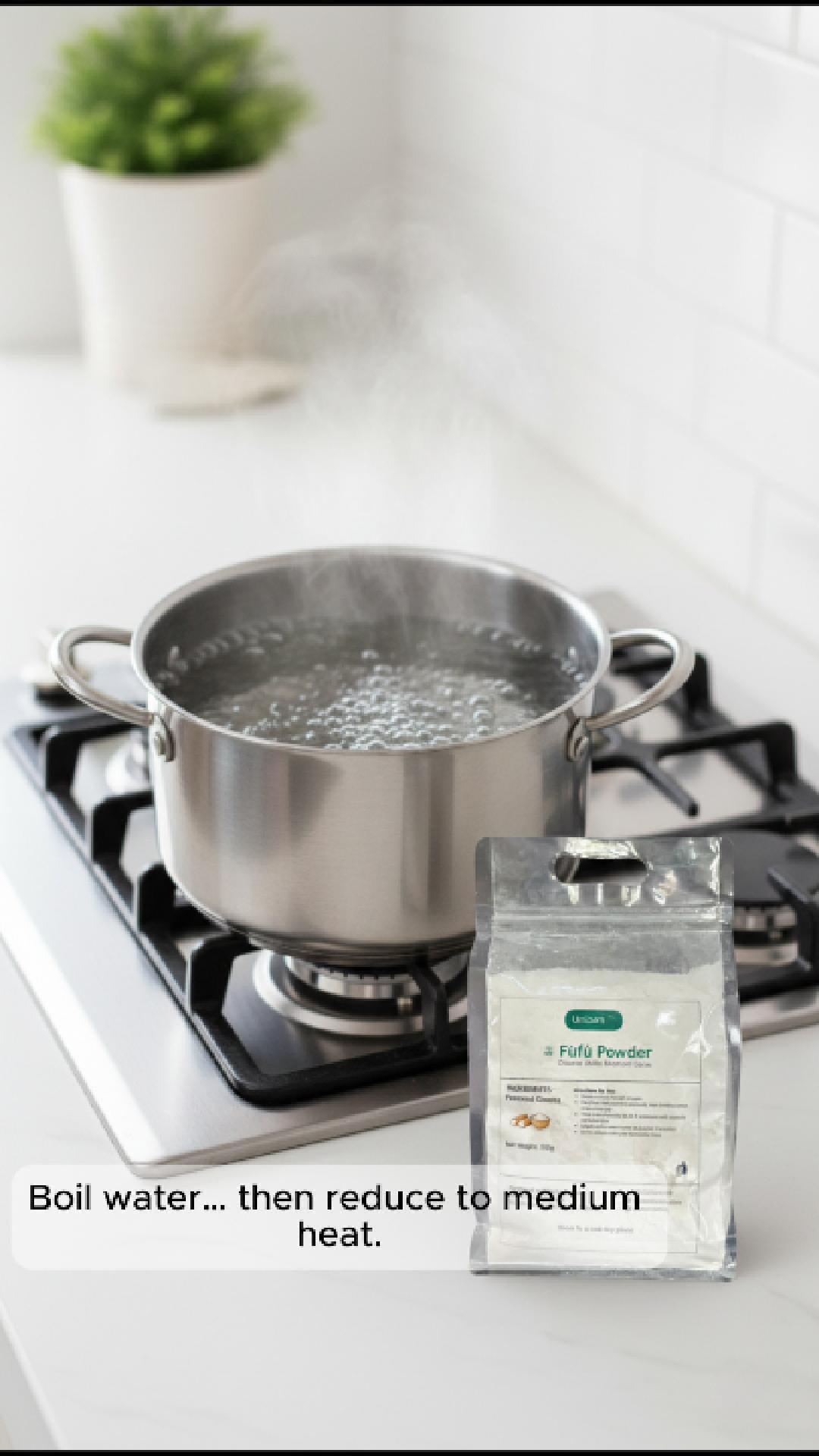
    1. Make a slurry first (cold water only).
      In a small bowl, mix pap powder with a little cool water to form a smooth, runny slurry.
    2. Boil your main water.
      Bring the 2 cups water to a rolling boil.
    3. Pour slurry into boiling water while stirring nonstop.
      Stir/whisk as you pour — this is your anti‑lump insurance.
    4. Cook 5–7 minutes, stirring, until creamy.
      Once it turns glossy and smooth, you’re done.

    👉 Shop the pap powder here: https://greenunison.com/product/nature-powered-pap-powder/


    Quick fixes if something goes wrong

    “My pap has lumps.”

    • You likely poured powder directly into hot water.
      ✅ Fix: Always slurry with cool water first.
      ✅ Rescue tip: whisk vigorously and cook a bit longer; stubborn lumps can be strained out.

    “It’s too watery.”

    ✅ Mix 1 tbsp powder with cool water, add slowly while stirring on low heat.

    “It’s too thick.”

    ✅ Add a splash of hot water and whisk.

    “It tastes raw.”

    ✅ It needs 2–3 more minutes of gentle cooking.


    Can I use it for eko too?

    Yes — same powder, different water ratio and thickness.

    If you want the full step-by-step (and the science behind the texture), read:
    Eko vs Ogi: One Pap Powder, Two Textures
    👉 https://blog.greenunison.com/eko-vs-ogi-one-pap-powder-two-textures/


    How to store instant pap powder so it stays fresh

    Pap powder is dry — but it loves to pick up moisture if you’re not careful.

    Quick storage rules:

    • keep it cool and dry
    • reseal immediately after scooping
    • don’t store it near the cooker/steam
    • use a dry spoon every time

    For the full guide (including weevils + odour prevention):
    👉 https://blog.greenunison.com/flour-pap-storage-guide-to-beat-weevils-moisture-odours/


    Which pack size should you buy?

    A simple way to choose:

    • 250g → “I just want to try it” / occasional use
    • 500g → regular breakfast (small household)
    • 1kg+ → families, consistent pap drinkers, or you don’t want to restock often

    (You’ll see available sizes on the product page.)

    Order here: https://greenunison.com/product/nature-powered-pap-powder/


    Ready for stress-free pap tomorrow morning?

    If you want pap that’s:

    • quick to cook,
    • smooth (no gritty feel),
    • and made with proper fermentation — without you doing the heavy work…

    ✅ Order Instant Pap Powder here:
    https://greenunison.com/product/nature-powered-pap-powder/

    📲 Prefer WhatsApp?

    • Browse our catalogue: https://wa.me/c/2348103043789
    • Chat to order: https://wa.me/2348103043789?text=Hi%20Green%20Unison%20%F0%9F%91%8B%F0%9F%8F%BD%20I%E2%80%99d%20like%20to%20order%20your%20Instant%20Pap%20Powder%20%28Ogi%2FAkamu%29.%20Please%20recommend%20the%20best%20pack%20size%20and%20delivery%20option.%20Thank%20you%21

    References (for the food-science curious)

    • https://www.canr.msu.edu/fsp/publications/research-papers/FSP%20Research%20Paper%20116.pdf
    • https://pubmed.ncbi.nlm.nih.gov/39593981/
    • https://www.mdpi.com/2304-8158/13/18/2862

  • Why your corn flour swallow “draws” (or turns rubbery) — causes + fixes (Tuwo)

    Why your corn flour swallow “draws” (or turns rubbery) — causes + fixes (Tuwo)

    If you’ve ever made corn flour swallow and it suddenly starts “drawing” like chewing gum (or turns rubbery), you’re not alone. The good news? Most times, it’s not that anything is “wrong” with you — it’s usually water + heat + turning technique

    Yorùbá (kíákíá): Bí swallow ìyẹ̀pẹ̀ agbàdo rẹ bá ń fa tàbí di gígùn bí gọ́ọ̀mù, ó sábà máa jẹ́ omi tí kéré, ina tó ga, tàbí bí o ṣe ń yí i. Ẹ jọ̀ọ́, ẹ má bínú — a máa fix rẹ.

    Shop the flour used in this guide:
    Silky White/Yellow Corn Flour – Effortless Use


    First: what does “draw” actually mean?

    When corn flour meets hot water, the starch granules swell and thicken (that’s normal). But when the mix becomes too tight, overheated, or worked wrongly, it can turn stretchy-rubbery instead of smooth and soft.

    Yorùbá: “Draw” túmọ̀ sí pé swallow náà ń fa, kì í sì jẹ́ kí o yà a dáadáa — ó ń dà bí ẹni pé o ń jẹ gọ́ọ̀mù.


    Quick Fix Checklist (try this in 5 minutes)

    If your tuwo is already drawing:

    1. Reduce heat to low.
    2. Add hot water (small splashes) around the edges — not cold water.
    3. Cover for 60–90 seconds to steam.
    4. Fold/turn gently until it relaxes.
    5. If it’s still too tight, repeat with another small splash of hot water.

    Yorùbá:
    1) Dín iná kù.
    2) Fikun omi gbóná díẹ̀ díẹ̀ (kì í ṣe omi tútù).
    3) Bo fún ìṣẹ́jú kan.
    4) Yí i sẹ́lẹ̀ sẹ́lẹ̀ títí yóò fi rọ.


    7 reasons corn flour swallow draws (and how to fix each one)

    1) Your water-to-flour ratio is too low (it’s simply too thick)

    Symptom: It becomes tight early and starts pulling.
    Fix: Use the reliable base ratio:

    • 1 cup corn flour : 2 to 2½ cups water

    If you like it softer, stay closer to 2½ cups.

    Yorùbá: Bí omi bá kéré ju, swallow máa di gígùn. Fikun omi díẹ̀ díẹ̀ (omi gbóná).


    2) You poured too much flour at once

    Symptom: It thickens too fast; you fight lumps, then it becomes rubbery.
    Fix: Add flour gradually while stirring/whisking at the start.

    Pro tip: Start with a small portion first, let it thicken, then add the rest in batches.

    Yorùbá: Má ṣe tú ìyẹ̀pẹ̀ pọ̀ sílẹ̀ lẹ́ẹ̀kan. Tú un díẹ̀ díẹ̀.


    3) Heat is too high after adding the flour

    Symptom: It “sets” too quickly and turns chewy.
    Fix: Once water boils, reduce to medium/medium-low before adding flour. Keep it controlled.

    Yorùbá: Iná tó ga máa mú kí ó “di” kíákíá. Dín iná kù sí àárín.


    4) You used the wrong mixing method (or over-whisked)

    Symptom: It becomes gluey/stretchy instead of smooth and soft.
    Fix:

    • Whisk only at the beginning to prevent lumps.
    • Switch to a wooden spatula/turning stick to finish.
    • Turn firmly, but don’t “beat” it like cake batter.

    Yorùbá: Whisk jẹ́ fún ìbẹ̀rẹ̀. Lẹ́yìn náà, lo ọ̀pá/yíyí (turning stick) kí o sì yí i dáadáa.


    5) You kept “dry-patching” (adding extra flour to “correct” softness)

    Symptom: It starts okay, then gets tight and draws later.
    Fix: If you need to adjust texture, do it with hot water, not more flour.

    Yorùbá: Tí ó bá rọ ju, má ṣe fọwọ́sí i pẹ̀lú ìyẹ̀pẹ̀ míì. Omi gbóná ló yẹ.


    6) You left it covered too long without turning

    Symptom: The top looks fine, but underneath sets like rubber.
    Fix: Cover briefly (1–3 minutes max), then turn again.

    Yorùbá: Bo díẹ̀ ni. Lẹ́yìn náà, yí i padà.


    7) It cooled down (and firmed up)

    Symptom: Smooth when hot; rubbery/firm after sitting.
    Fix:

    • Serve tuwo hot.
    • If it sits, reheat gently with steam + a tiny splash of hot water and fold.

    Yorùbá: Swallow fẹ́ràn gbígbóná. Tí ó bá tutù, jẹ́ kó gba ẹ̀fúùfù-omi (steam) kí o sì yí i.


    Foolproof method for smooth, non-rubbery corn flour tuwo

    You’ll need:

    Steps:

    1. Bring 2–2½ cups water to a boil (for 1 cup flour).
    2. Reduce heat to medium.
    3. Add corn flour gradually while whisking.
    4. Once it thickens, switch to a spatula/turning stick and turn until smooth.
    5. Cover 1–2 minutes, then turn once more.
    6. Serve hot.

    Yorùbá (ìlànà kúkúrú):
    Gbé omi dé bíbo → dín iná kù → tú ìyẹ̀pẹ̀ díẹ̀ díẹ̀ → whisk → yí i pẹ̀lú ọ̀pá → bo díẹ̀ → yí i lẹ́ẹ̀kansi → jẹun.


    “Corn flour” vs “cornflour” (important note)

    In some places, “cornflour” can mean pure cornstarch (used mostly for thickening sauces).
    In this post, corn flour means finely milled maize flour used for tuwo/swallow — like the one we sell.


    Helpful next reads (if you want more guidance)


    Where to buy the corn flour in this post

    🛒 Shop directly:
    Silky White/Yellow Corn Flour – Effortless Use

    📦 Browse all flours:
    https://greenunison.com/shop/flours/

    📲 Browse our WhatsApp catalogue:
    https://wa.me/c/2348103043789

    💬 Chat to order (prefilled message):
    https://wa.me/2348103043789?text=Hi%20Green%20Unison%20%F0%9F%91%8B%20Please%20help%20me%20order%20your%20Silky%2FWhite%2FYellow%20Corn%20Flour%20for%20tuwo.%20I%20need%20the%20best%20water%20ratio%20%2B%20tips%20to%20stop%20my%20corn%20flour%20swallow%20from%20drawing%2Frubbery.


    Final word (small, but powerful)

    If your corn flour swallow draws, don’t panic.
    In most kitchens, the fix is simply: more hot water (small splashes), lower heat, and gentler turning.

    Yorùbá: Ẹ má yá. Ọ̀pọ̀ ìgbà, ìtúnṣe rẹ̀ ni: omi gbóná díẹ̀ díẹ̀ + iná kékèké + yíyí pẹ̀lẹ́pẹ̀lẹ́.

    Happy cooking — and may your tuwo be soft, smooth, and proudly non-dramatic.

  • Corn Flour Bread Without Wheat: What You Can Make (and What You Shouldn’t)

    Corn Flour Bread Without Wheat: What You Can Make (and What You Shouldn’t)

    Ever wondered if you could bake bread using corn flour instead of wheat flour? You’re not alone. Many home bakers are exploring wheat-free, gluten-free alternatives for health or dietary reasons. Corn flour (finely milled maize) is a naturally gluten-free whole grain flour, so it’s an exciting option. But can it truly replace wheat in bread? The answer: yes, you can make some delicious things with corn flour alone, but no, it won’t behave exactly like wheat. In this post, we’ll explore what you can bake with corn flour when you skip the wheat – and what you shouldn’t attempt, to save you time and kitchen frustration.

    (Quick note: Here corn flour means whole ground corn/maize flour, not the starchy white “cornflour” used as a thickener. We’re talking about the yellow or white corn meal flour from maize grains, which is what Green Unison’s Corn Flour is. It’s naturally gluten-free with all the fibre and nutrients of whole corn.)

    Why No Wheat? Corn Flour vs. Wheat Flour Basics

    Baking without wheat is becoming popular as more people go gluten-free or experiment with local flours. Corn flour is a staple from maize – a crop we know well – so it’s an appealing wheat substitute. The key difference: unlike wheat, **corn flour contains *zero gluten***. Gluten is the protein in wheat that makes dough stretchy and traps air bubbles, giving bread that soft, risen structure. Corn flour has no gluten, which means:

    • Pros: Corn flour is gluten-free (great for those with gluten intolerance or looking to cut down on refined flour). It brings a rich, subtly sweet corn flavour and extra whole-grain fibre. It’s also locally available and affordable.
    • Cons: Without gluten, corn flour dough doesn’t have elasticity. It won’t rise and fluff up the way a wheat dough will. This doesn’t mean you can’t make any “bread” with it – but it does mean true yeast-risen bread loaves are tricky.

    In other words, corn flour can shine in certain recipes, but you need to choose the right kind of bakes. Let’s dive into those.

    What You Can Make with Corn Flour (No Wheat Added!)

    Fortunately, you can enjoy plenty of wheat-free goodness with corn flour. Here are some baked (and non-baked) creations that work well with 100% corn flour – no wheat needed:

    • Cornbread & Quick Loaves: The most famous corn flour “bread” is cornbread, a golden quick bread that’s closer to a moist cake. Cornbread doesn’t use yeast at all – instead it rises with baking powder or soda. You can mix our fine corn flour with eggs, a bit of oil, milk, a touch of sugar/honey, and baking powder to bake a lovely dense loaf or muffins. Because it’s gluten-free, the texture will be a bit crumbly (think along the lines of a cake or muffin, not a stretchy bread). Add some corn kernels, cheese or peppers for a fun twist. These corn flour loaves or muffins pair wonderfully with soups, stews, or as a snack.
    • Pancakes & Flatbreads: Corn flour makes tasty wheat-free pancakes. Just combine it with an egg (or mashed banana for vegan option), milk or water, a little oil and leavening. The pancakes will be tender with a slight crisp edge and a pleasant corn taste. Similarly, you can create simple flatbreads or wraps with corn flour. For example, mix corn flour with hot water and a pinch of salt to form a soft dough, then press or roll it into flat rounds. Cook these on a hot pan – you’ll get something like a rustic corn flatbread. They won’t be as flexible as wheat rotis or tortillas (corn flour is more brittle), but you can make small, thicker flatbreads that are great for dipping or topping. Pro tip: using a bit of cassava or tapioca starch in the mix can improve flexibility for wraps, since those starches add stretchiness.
    • Baked Snacks (Crackers & Coatings): Ever tried corn crackers? You can mix corn flour with a bit of fat and water to make a dough, roll it thin and bake into crispy corn crackers – a great gluten-free snack! Additionally, corn flour excels as a gluten-free coating for frying or baking. Use it to bread chicken or tofu, or to dust veggies before pan-frying. It gives a light, crunchy coating (think tempura-style or the way cornmeal coats fried okra). While this isn’t “bread” per se, it’s a way to replace wheat flour in recipes (like coating that normally uses all-purpose flour).
    • “Swallow” (Tuwo Masara): Outside the baking realm, corn flour’s superstar use in Nigerian cuisine is tuwo masara, the smooth corn flour swallow. Just corn flour and water, stirred over heat, turn into a smooth, dough-like meal that you eat with soup. It’s completely wheat-free and a beloved staple. (If you want to master lump-free tuwo, check out our guide on how to prepare corn flour for swallow (tuwo masara) for pro tips!)

    So yes – you can create plenty of wheatless delights with corn flour. From a pan of crumbly cornbread to a plate of hot corn pancakes or a bowl of satisfying corn swallow, corn flour is versatile. The trick is to stick to recipes that don’t rely on gluten for structure. Quick breads, unleavened breads, and anything bake-from-batter (rather than knead-and-rise dough) are your friends here.

    (Bonus: Even if you’re not cutting wheat entirely, you can still put corn flour to work by replacing a portion of wheat flour in traditional recipes. For instance, swap in about 25–30% corn flour in a muffin, pancake or bread recipe for extra fibre and flavour. Our Silky White/Yellow Corn Flour blends especially well with wheat flour in “rustic” bakes, adding a golden colour and hearty taste.)

    What You Shouldn’t Do with Corn Flour

    Now for the flipside – what not to do with corn flour if you’re trying to avoid a kitchen disaster. Some ideas sound great in theory but don’t work out well in practice due to that no-gluten issue. Here are a few “don’ts” for corn flour:

    • Don’t expect a fluffy, airy bread loaf: Without gluten, a dough made of only corn flour simply won’t rise into a soft loaf. If you tried to bake a classic sandwich bread or our local Agege bread using 100% corn flour, you’d get a dense, brick-like or crumbling loaf. Corn flour can’t trap the yeast’s air bubbles effectively, so the bread will be very heavy and likely fall apart. (In fact, bakers often say you cannot make true leavened “bread” with just corn – you’d need to add special binders like psyllium husk or extra starches, which goes beyond a simple flour swap.)
    • Don’t swap corn flour 1:1 for wheat flour in yeast recipes: Following from the above – if a recipe is designed for wheat (like a yeast-risen dough or a cake that relies on gluten structure), you can’t just use corn flour instead and hope it works. For example, don’t use corn flour in a dough expecting to knead it; it lacks the stretchy consistency and will break apart or turn paste-like. Always seek recipes specifically formulated for corn or gluten-free flours. They often compensate by using eggs, gums, extra starch, or different techniques to mimic the structure. Spontaneously substituting corn flour into a random bread recipe will end in disappointment.
    • Don’t confuse corn flour with cornstarch: This is a common mix-up, especially since in the UK, people say “cornflour” meaning cornstarch. Cornstarch is the ultra-fine white powder used for thickening sauces or making custard – it’s not whole corn flour. Never try to bake bread with cornstarch; you’ll get a gooey mess or a rock-hard result. Make sure you’re using actual corn flour (maize flour) for any of the ideas we mention here. Corn flour has the yellow (or white) colour of ground corn and contains the grain’s proteins and fibre, whereas cornstarch is just the starch (carbohydrate) part of corn. They behave totally differently.
    • Avoid purely starch-based “bread” attempts: On a related note, some might wonder “what if I add tons of starchy flour (like tapioca or potato starch) to corn flour to help it bind?” – Gluten-free bread recipes do use starches, but you still need a balance. If you somehow ended up with mostly starch and corn, you’ll get an odd, rubbery texture. Follow proven recipes if venturing into that territory. If your goal is a true bread loaf without any wheat, consider using a blend of gluten-free flours (corn, rice, sorghum, etc.) plus a binding agent and yeast – it’s possible to achieve a decent loaf, but it’s a science! For the scope of this post, we’re focusing on simpler corn-flour-only uses, because they’re much more foolproof.

    In short, don’t try to force corn flour into roles that wheat flour plays in classic baking. You’ll save yourself wasted ingredients and frustration. Embrace corn flour for what it does best (the tasty results in the previous section!), rather than expecting it to perform exactly like wheat.

    Wrapping Up: Enjoying Wheat-Free Baking with Corn Flour

    Baking without wheat can be truly rewarding when you use the right approach. Corn flour brings its own unique taste and benefits to the table – a slightly sweet flavour, lovely colour, and whole-grain nutrients – as long as you work within its gluten-free limits. Instead of a traditional bread loaf, think muffins, quick breads, pancakes, and indigenous dishes like tuwo. You’ll discover new favourites that don’t miss the wheat at all!

    Ready to try it out? Start small: maybe whip up a batch of corn flour pancakes this weekend or a simple cornbread loaf using Green Unison Corn Flour. You might be surprised how quickly your family devours these wheat-free treats. And if you’re feeling creative, experiment by combining corn flour with other flours (like a bit of plantain flour or yam flour) to create your own signature gluten-free bake – the possibilities are endless once you get the hang of it.

    Green Unison’s own Silky White/Yellow Corn Flour is finely milled and easy to use for all the ideas we mentioned. It’s a pantry must-have if you’re exploring alternative flours. You can grab a pack from our shop or even order on WhatsApp for quick pickup. We’re always here to help you make the most of these natural ingredients in your kitchen.

    Hungry for more tips? Don’t miss other guides on our blog, like How to Prepare Corn Flour for Swallow (Tuwo Masara) if you’re into traditional meals, or our upcoming posts on creative gluten-free baking. Have questions or your own corn flour experiment to share? Drop a comment or reach out – we love hearing from you!


    Ready to go wheat-free with corn flour? Browse our Flours collection for quality, locally-grown options. You can order Silky White/Yellow Corn Flour directly from our site or chat with us for quick service. Happy baking!

    CTA: Order Now – Get our premium corn flour and start baking! Shop online: Silky White/Yellow Corn Flour – Effortless Use or Chat with us on WhatsApp 👉 Click here (₦1,800 for 1 kg; same-day pickup available!). Enjoy nationwide delivery and let’s bring your wheat-free recipes to life!

  • Tuwo Masara for Beginners: Smooth, Stretchy, Lump-Free Every Time

    Tuwo Masara for Beginners: Smooth, Stretchy, Lump-Free Every Time

    Prep time: 5–10 minutes
    Cook time: 10–15 minutes
    Serves: 2–3 (adjust proportions as needed)

    Tuwo Masara — a comforting corn-flour swallow — should be soft, smooth and hold together without crumbling. If you’ve had trouble with lumpy tuwo or a swallow that breaks apart, this beginner-friendly guide is for you. It focuses only on using finely milled corn flour (the kind sold for swallow preparation) and gives clear, repeatable steps that remove the guesswork.

    Why this method works: start with a thin slurry so the flour disperses evenly, cook a stable base, then add the remaining flour slowly while stirring. A final short steam ensures the centre cooks through and the tuwo binds together for a stretchy, lump-free finish.


    Ingredients & tools

    Ingredients (approximate — scale to suit):

    • 1 cup finely milled corn flour (white or yellow) — see product link below
    • 2–2½ cups water (for ~1 cup corn flour) — plus a little extra if needed
    • A pinch of salt (optional)

    Tools:

    • Heavy-bottomed pot or saucepan
    • Sturdy wooden spoon or heatproof spatula (a turning stick is ideal)
    • Small mixing bowl for the slurry
    • Measuring cup and spoon

    Order fine corn flour: Green Unison Finely Milled Corn Flour — suitable for tuwo masara and made for smooth mixing. You can also browse all our flours here: https://greenunison.com/shop/


    Quick explanation: why lumps and breakage happen

    • Dry flour dumped into hot water causes clumps that are hard to break down.
    • Coarse flour or unsieved flour doesn’t dissolve evenly, leaving a grainy texture.
    • Too little water makes a dry, crumbly dough that falls apart.
    • Insufficient cooking/steaming leaves the centre undercooked and prone to breaking.

    The instructions below address each of these issues.


    The Smooth Tuwo Method — step-by-step

    This two-stage method (slurry → gradual dry add) is the simplest and most reliable for beginners.

    1. Heat the water
      Add 2–2½ cups of water to your pot and bring to a rolling boil. Reduce heat to medium so the water is hot but not vigorously boiling (this gives you better control when adding flour).
    2. Make a thin corn-flour slurry
      In a small bowl, combine half of the corn flour (about ½ cup) with cold water to make a smooth, runny batter (think thin porridge). Mix until there are no dry pockets. This slurry prevents instant lumping when it hits the hot water.
    3. Cook the slurry into a base
      Pour the slurry into the hot water slowly while stirring continuously. The mixture will thicken quickly into a pap-like base. Stir for 2–3 minutes to cook out the raw corn taste and to form a stable foundation.
    4. Add the remaining flour gradually
      Sprinkle the remaining dry corn flour into the pot in small handfuls while stirring vigorously. After each sprinkle, work the flour in until incorporated. This gradual addition is the step that prevents lumps — patience here is key.
    5. Adjust to the right consistency
      As the mixture becomes thick, it should be moist and elastic rather than dry and crumbly. If it firms up too fast, splash in a tablespoon or two of hot water and continue stirring. Aim for a dough that pulls cleanly from the pot sides and holds shape when scooped.
    6. Steam for a few minutes
      When the mixture is smooth and homogeneous, reduce the heat to low, cover the pot and let it steam for 2–3 minutes. This finishing steam cooks the centre and helps the tuwo bind so it won’t fall apart.
    7. Final stir and shape
      Uncover, give a final vigorous stir, then scoop and mould into round portions using a wet spoon or a bowl lined with plastic. Serve hot with your preferred soup or stew.

    Ratio cheat-sheet (no scale)

    • Starter (thin slurry): ½ cup corn flour + enough cold water to make a thin batter (approx. ¾ cup cold water)
    • Boiling water: 2–2½ cups of hot water for 1 cup total corn flour
    • Adjust: Add hot water a tablespoon at a time if mixture feels too stiff while cooking

    Tip: If cooking for more people, increase flour and water proportionally — keep the slurry stage and gradual flour addition the same.


    Extra tips for success

    • Use finely milled corn flour — coarser flours can give a grainy finish. Our recommended product is designed for swallow preparation.
    • Stir with purpose: a sturdy wooden spoon helps you reach every part of the pot and prevents scorching.
    • Don’t rush adding the dry flour. Small additions and full incorporation are the secret to zero lumps.
    • If lumps appear: take the pot off the heat and vigorously stir or smash them against the pot side with the spoon, then return to the heat and continue. For small stubborn lumps, a short blender blitz (if removed and cooled slightly) can rescue a batch, but prevention is preferable.
    • Steaming matters: a brief covered cook at the end makes the tuwo cohesive and elastic. Skipping it is a common reason for crumbling.

    Serving ideas

    Tuwo Masara pairs well with rich, flavourful soups. Some popular combinations:

    • Groundnut (peanut) soup — nutty and rich
    • Egusi (melon seed) stew — hearty and spicy
    • Vegetable or tomato-based soups — for lighter pairings

    Scoop a small ball of tuwo, dip into hot soup and enjoy. For a prettier plate, use yellow corn flour for a warm golden colour.


    Storage & reheating

    • Best eaten fresh. Tuwo is softest and most pleasant hot.
    • To keep: wrap warm tuwo in cling film and refrigerate for up to 24–48 hours.
    • Reheat: sprinkle a little hot water over the portion and reheat gently on the stove with stirring until soft, or microwave briefly with a sprinkle of water — stirring halfway through.

    Frequently asked questions

    Q — Can I use cornmeal or corn starch instead?
    A — Cornmeal (coarser) will give a grainier texture; if you must use it, sieve first and accept a different mouthfeel. Corn starch is a pure starch and not suitable as the main ingredient for tuwo masara. Use a finely milled corn flour made for swallows.

    Q — How do I know the tuwo is done?
    A — The tuwo should be smooth, pull away from the pot sides, and feel elastic when you scoop it. A short steam finishes the cooking and sets the texture.

    Q — Is tuwo masara gluten-free?
    A — Yes — when made from pure corn flour, tuwo is naturally gluten-free.


    Related resources & internal links

    • Our corn flour product: Green Unison Finely Milled Corn Flour — https://greenunison.com/product/nature-powered-corn-flour/
    • Browse all flours: https://greenunison.com/shop/
    • For more behind-the-scenes reading, see our collection: Farm to Cup — Behind the Scenes of Our Dried Herbs (find related posts and guides in the blog sitemap): https://blog.greenunison.com/post-sitemap.xml
    • Want a storage guide for flours? Check our blog for flour storage tips (link to related post in your CMS when you publish).

    Ready to try it?

    Give the smooth tuwo method a go today — it’s quick, forgiving and perfect for beginners. If you’d like to order the corn flour we recommend, you can:

    • Buy online: https://greenunison.com/product/nature-powered-corn-flour/
    • Browse our shop / other flours: https://greenunison.com/shop/
    • View our WhatsApp catalogue: https://wa.me/c/2348103043789
    • Chat or order via WhatsApp: https://wa.me/2348103043789?text=Hi%20Green%20Unison!%20I%20want%20to%20buy%20your%20corn%20flour%20for%20tuwo.

    If you found this guide helpful, please leave a comment on the blog, share your finished tuwo picture, or send us a message on WhatsApp. Happy cooking!

  • Plantain Flour Amala: The 3-Minute Whisk Method (Plus How to Fix Lumps, Stickiness & Bitter Taste)

    Plantain Flour Amala: The 3-Minute Whisk Method (Plus How to Fix Lumps, Stickiness & Bitter Taste)

    If you’ve ever made plantain flour amala and ended up with lumps, a sticky paste, or a slightly bitter taste, you’re not alone. The good news: you don’t need a sieve, special tools, or long stirring sessions.

    This is the 3-minute whisk method we use when we want smooth amala fast—plus exact fixes if anything goes wrong.

    Best for: busy weeknights, first-timers, “I need swallow now” moments.


    What you’ll need (simple)

    • Plantain flour (finely milled works best): Nature Powered Plantain Flour
    • Water
    • A pinch of salt (optional, but helpful for taste)
    • Balloon whisk (or a sturdy fork in a pinch)
    • Pot + wooden spatula (for final smoothing)

    Want to browse all our flours? Start here: Shop Flours


    The 3-Minute Whisk Method (Lump-Free)

    Step 1: Get your water hot (30–60 seconds)

    Bring water to a boil, then reduce to medium heat (still steaming/hot, not raging).

    Step 2: Whisk first, pour flour like rain (60–90 seconds)

    Keep the whisk moving and sprinkle plantain flour gradually—don’t dump it all at once.
    You’ll see it thicken quickly.

    Step 3: Smooth & fold (60 seconds)

    Once it gets thick enough that whisking feels heavy:

    • switch to a wooden spatula
    • fold, press, and turn for about 1 minute
    • cover for 30 seconds (optional), then give it one final smooth turn

    Done. Serve immediately with your favourite soup.


    Quick ratio guide (start here, then adjust)

    Because flour fineness and personal preference vary, use this as a reliable starting point:

    • 1 cup plantain flour : 2 cups water → firm, classic swallow texture
    • Prefer it softer? add hot water 1–2 tablespoons at a time while turning.

    Tip: If you’re cooking for one, start smaller and scale up once you like your texture.


    Troubleshooting (Save this part)

    1) “I have lumps” — How to fix it fast

    Why it happens: the outside of the flour hits hot water and gels before the inside hydrates.

    Fix (choose one):

    • Hot-water rescue: take pot off heat, add 2–4 tbsp hot water, whisk hard for 20–30 seconds, then return to medium heat and turn smooth.
    • Press & turn: press lumps against the pot side with your spatula while turning.
    • Prevention for next time: sprinkle flour gradually and keep whisk moving before it thickens.

    2) “It’s sticky / gluey” — How to correct it

    Common causes:

    • too much water
    • undercooked (needs a bit more heat time)
    • too much aggressive stirring after it has set

    Fix:

    • return to medium heat for 60–90 seconds, turning gently (cooking helps it set properly)
    • if it’s still too soft, sprinkle 1–2 teaspoons of plantain flour and turn until it firms up
    • cover for 30–60 seconds to steam, then smooth once

    3) “It tastes bitter” — What’s going on?

    Plantain flour can have a naturally “earthy” note, but bitter is usually one of these:

    • flour has picked up off-flavours from heat/humidity
    • flour stored unsealed near strong smells
    • pot got too hot and the bottom scorched slightly

    Fix now:

    • add a tiny pinch of salt and serve with a rich soup (bitterness fades in balance)
    • if you suspect scorching, transfer to a clean pot and continue gently for 30 seconds

    Prevent next time:

    • store flour sealed, cool, and dry
    • avoid very high heat once thickening starts

    Common mistakes (and the easy swap)

    • Dumping flour in one go → sprinkle it gradually
    • Whisking stops too early → whisk until it’s thick, then switch to spatula
    • Heat too high → medium heat gives smoother results

    FAQs

    Can I mix with cool water first?

    Yes—if you’re a beginner, you can make a smooth slurry with a little cool water first, then pour into hot water while whisking. It’s slower, but very safe for lump-free results.

    Can I reheat leftover amala?

    Yes. Add a splash of hot water, cover, and warm on low heat. Turn once it softens.

    What to buy for this method?

    If you want the easiest, smoothest start, use a finely milled flour:


    Related reads from our blog


    Call to action (order in 30 seconds)

    Ready to make lump-free plantain flour amala this week?

    • 🛒 Buy on website: greenunison.com
    • 📦 WhatsApp catalogue: https://wa.me/c/2348103043789
    • 💬 Chat to order (prefilled): https://wa.me/2348103043789?text=Hi%20Green%20Unison%2C%20I%20want%20to%20order%20Plantain%20Flour%20for%20amala%20ogede.%20Please%20share%20your%203-minute%20whisk%20method%20ratio%20and%20delivery%20options.%20Thank%20you%21

    Pin this post so the troubleshooting section is always one scroll away.

  • Groundnut Flour as a “One-Spoon Upgrade” for Breakfast (5 easy ways)

    Groundnut Flour as a “One-Spoon Upgrade” for Breakfast (5 easy ways)

    Some mornings, breakfast happens in a rush: a quick bowl, a quick drink, and you’re out the door… then you’re hungry again far too soon.

    Here’s a tiny habit that can change how breakfast feels—without changing your whole life:

    The One-Spoon Upgrade: add 1 tablespoon of groundnut flour to what you already eat.

    It’s simple, it’s tasty, and it works brilliantly with familiar breakfasts like pap, oats, smoothies, cereal, or pancakes.

    Quick note: Groundnuts are peanuts. If you have an allergy, please skip this completely.


    What is groundnut flour?

    Groundnut flour is finely milled groundnuts—that’s it.
    It adds a naturally nutty flavour, and it’s an easy way to add more body to breakfasts that can feel “light”.

    If you’ve never tried it, start small: 1 tablespoon. Your tastebuds will tell you how fast to level up.


    The One-Spoon Rule (so you don’t get lumps)

    If you’ve ever added groundnut flour straight into hot pap or hot oats and it clumped… you’re not alone.

    Use this simple method:

    1. Put 1 tablespoon groundnut flour in a bowl/cup.
    2. Add 2–3 tablespoons of cool water (or milk) and stir to make a smooth paste.
    3. Pour it into your breakfast and stir well.

    That’s it. Smooth, no lumps, better texture.


    5 breakfasts that love groundnut flour

    1) Pap (ogi/akamu)

    Pap is comfort—groundnut flour makes it feel more “complete”.

    How to do it:
    Mix 1 tablespoon groundnut flour with cool water → stir into pap → add your preferred sweetener and toppings.

    Taste tip: A little goes a long way. Start with 1 tablespoon before trying 2.


    2) Oats

    If you like your oats thicker and more filling, this is a game-changer.

    How to do it:
    Stir in the groundnut flour paste during the final 1–2 minutes of cooking.


    3) Smoothies

    This is one of the easiest places to start because blending handles the texture.

    How to do it:
    Add 1 tablespoon directly into the blender with banana, milk, yoghurt, or your usual mix.


    4) Breakfast pancakes

    You can add groundnut flour to pancake batter for extra nutty flavour.

    How to do it:
    Add 1 tablespoon to your batter and whisk well (or blend).


    5) Cereal / granola bowls

    If you enjoy a crunchy cereal bowl, groundnut flour can make the milk feel richer.

    How to do it:
    Mix the groundnut flour paste into your milk first, then pour over your bowl.


    A simple 7-day “one-spoon” routine (no stress)

    • Mon: Pap + 1 spoon groundnut flour
    • Tue: Oats + 1 spoon groundnut flour
    • Wed: Smoothie + 1 spoon groundnut flour
    • Thu: Pap + 1 spoon groundnut flour
    • Fri: Oats + 1 spoon groundnut flour
    • Sat: Pancakes + 1 spoon groundnut flour
    • Sun: Cereal bowl + 1 spoon groundnut flour

    Repeat what you loved. Drop what you didn’t. Keep it easy.


    Common questions

    Is groundnut flour the same as peanut butter?

    Not quite. Peanut butter is a paste (with a different texture and use). Groundnut flour is dry and mixes differently—especially in pap, oats, and baking.

    How much should I use?

    Start with 1 tablespoon per serving. If you enjoy it and your breakfast can carry it, try 2 tablespoons.

    Can I add it to hot food?

    Yes—just mix with cool liquid first to reduce clumping.

    Who should avoid it?

    Anyone with a groundnut/peanut allergy should avoid it completely.


    Storage tips (to keep it fresh)

    • Keep it sealed after use.
    • Store in a cool, dry place away from heat.
    • If your kitchen runs warm, keeping it chilled can help it stay fresher for longer.

    Ready to try the One-Spoon Upgrade?

    Shop Groundnut Flour:
    Nature Powered Groundnut Flour → https://greenunison.com/product/nature-powered-groundnut-flour/

    Prefer to order on WhatsApp?
    Catalogue: https://wa.me/c/2348103043789

    Chat to order: https://wa.me/2348103043789?text=Hi%20Green%20Unison%20%F0%9F%91%8B%F0%9F%8F%BE%20I%E2%80%99d%20like%20to%20order%20Nature%20Powered%20Groundnut%20Flour%20for%20my%20breakfast%20%E2%80%9Cone-spoon%20upgrade%E2%80%9D.%20Please%20share%20available%20sizes%2C%20prices%2C%20and%20delivery%20options.%20Thank%20you%21

    Or visit: greenunison.com

  • Baby & Toddler Porridge Guide: Using Pap Powder and Plantain Flour

    Baby & Toddler Porridge Guide: Using Pap Powder and Plantain Flour

    Feeding your little one a nutritious meal shouldn’t be a daily struggle. For many families, pap (also known as ogi or akamu) has long been a go-to first food during weaning. Now, with Pap Powder and Plantain Flour readily available, you can easily prepare wholesome, home-made porridge that babies and toddlers love. This guide will walk you through what Pap Powder and Plantain Flour are, their nutritional benefits, and how to use them to create energizing porridge for your baby or toddler – all with a friendly local twist and zero guesswork.

    What Is Pap Powder (Ogi/Akamu) and Why Use It for Baby Porridge?

    Pap is a smooth fermented cereal pudding made from maize (corn) and sometimes other grains. It’s a traditional weaning food in Nigeria (called ogi in Yoruba, akamu in Igbo, koko in Hausa) prized for its easy digestion and comforting taste. Pap Powder is simply pap in a convenient dry form – finely milled and ready to cook without the labor-intensive process of soaking and fermenting corn at home.

    Why Pap Powder is great for babies: It provides a belly-filling base of carbohydrates for energy, yet is gentle on tiny tummies. The fermentation process breaks down complex starches, making the pap easier to digest for infants. Green Unison’s Pap Powder is 100% natural fermented maize with no additives, so it’s smooth and safe even for babies as young as 6 months starting solids. It’s also gluten-free and contains modest amounts of key minerals like potassium and magnesium from the corn.

    When prepared as a warm porridge, pap has a familiar mild taste that babies accept readily. It can be served on its own or mixed with a little milk. Plus, you can adjust the consistency – make it thin and runny for a 6–8 month old, or thicker and more spoonable for an older toddler. (For tips on achieving either creamy pap (ogi) or firm set pap (eko), see our guide “Eko vs Ogi: One Pap Powder, Two Textures” on the blog.) Pap is a blank canvas: you can enrich it with other healthy add-ins as your child grows (more on this later).

    👉 Internal link: Learn more about pap’s versatility in Eko vs Ogi: One Pap Powder, Two Textures (how to make a creamy pap vs a firm set pap).

    What Is Plantain Flour and Why Use It for Baby Porridge?

    Plantain flour is made from dried, milled unripe plantains (known as elubo ogede in Yoruba). It’s traditionally used to make amala ogede (a solid “swallow” meal), but it also shines as an ingredient for porridge and other foods. Plantain Flour brings some superb nutritional benefits to your baby’s bowl:

    • Vitamins and Minerals: Unripe plantains are a good source of vitamins A, C, B6, plus minerals like potassium and magnesium. These nutrients support your child’s immunity, growth, and development.
    • High Fiber and Resistant Starch: Plantain flour is rich in fiber and resistant starch, a type of carbohydrate that acts as a prebiotic to support healthy gut bacteria and digestion. This means it can help keep your baby’s tummy happy and full for longer. The complex carbs in plantains also provide slow-releasing energy, great for active toddlers.
    • Allergy-Friendly: It’s naturally gluten-free, grain-free and contains no added sugar or preservatives – just pure plantain. If you’re looking to introduce variety beyond typical rice or wheat cereals, plantain is an excellent local alternative.

    Why plantain porridge is great for babies: For generations, mothers have fed unripe plantain porridge to young children as a complementary food from around 6 months of age. It’s often thought of as “baby food” because of its gentle, nourishing nature. Unlike ripe bananas, unripe plantain flour isn’t very sweet on its own – which is actually good, as it helps your baby learn to enjoy less sugary flavors. When cooked into a porridge with water or milk, it has a creamy consistency similar to oat cereal. Plantain flour porridge contributes valuable nutrients and variety to a weaning diet, though (like pap) it’s not a standalone source of iron or protein. It should be served alongside other foods or fortified (e.g. with a bit of protein) for a balanced meal.

    Green Unison’s Smooth Plantain Flour is finely milled so it cooks quickly without lumps, and it’s made from 100% Nigerian plantains with no additives. It’s a “best seller” in our shop for good reason – many moms love using it not just for amala, but also to thicken baby foods and make hearty porridge. In fact, our Plantain Flour is labeled as “great as a mild base for baby foods and weaning porridges” right on the package!

    👉 Internal link: Read our in-depth post Local Superfoods: Corn, Plantain & Groundnut Flour Nutrition Unpacked for more on the nutritional highlights of these flours.

    How to Prepare Porridge with Pap Powder and Plantain Flour

    Making a porridge from Pap Powder or Plantain Flour is quick and beginner-friendly. You can prepare them separately on different days to give your baby a variety of tastes, or even combine a bit of each in one meal (for example, adding a spoon of plantain flour into pap) to blend the benefits of both. Below are simple preparation guides for each:

    Preparing Pap Powder Porridge (Ogi Akamu) for Baby

    You will need: Pap Powder, clean water (and optionally breast milk/formula or milk for older babies).

    1. Mix with cool water: In a clean bowl, put 3–4 tablespoons of Pap Powder (for one baby portion). Add a small amount of cool or room-temperature water and stir to dissolve the powder into a smooth, runny paste (no lumps). This step is key to avoid lumps later.
    2. Add to boiling water: In a pot or kettle, bring about 1–2 cups of water to a rolling boil. Reduce the heat to low, then slowly pour the pap paste into the boiling water while stirring continuously with a spoon or whisk. The pap will begin to thicken almost immediately.
    3. Cook to desired consistency: Keep stirring on low heat for a few minutes until you see a smooth, creamy porridge. For a baby of 6–8 months, you might stop when it’s a lighter, custard-like consistency. For a toddler, you can cook it a bit longer for a thicker pap. (Tip: If it ever gets too thick, just stir in a little boiled water to thin it out.)
    4. Cool and enrich: Allow the pap to cool down to a warm (not hot) temperature before serving. Never feed a baby very hot pap – always test the temperature on the inside of your wrist. You can mix in a bit of breast milk or prepared infant formula at this stage to cool and enrich the pap. This not only adds nutrients but also a familiar taste that many babies love. You can also mash in a teaspoon of fruit puree (e.g. banana or pear) for natural sweetness instead of sugar.

    Pap is quite plain on its own. For babies under 12 months, avoid adding sugar or honey (honey is unsafe for infants under 1 year old). Instead, rely on the natural mild sweetness of corn or add naturally sweet fruit. As your baby grows, you can introduce a little toddler-safe fortifier: a spoon of Groundnut Flour (peanut flour) or soybean powder can boost protein – though note that Green Unison Groundnut Flour is currently out of stock. Another idea is to serve pap alongside a protein like mashed beans or an egg yolk (for older babies), rather than mixing it in. Always introduce new add-ins gradually to ensure your child tolerates them well.

    Preparing Plantain Flour Porridge for Baby

    You will need: Plantain Flour, water or milk (plus optional add-ins like fruit or formula as above).

    1. Stir into liquid: Plantain flour doesn’t need pre-soaking. Start by mixing 1–2 tablespoons of Plantain Flour into about 1 cup of water or milk in a pot before turning on the heat. Stir it well so it’s mostly dissolved. (Using a whisk or even blending it with some of the liquid can help if you want it super smooth.)
    2. Cook gently: Place the pot on the stove and cook over medium heat, stirring continuously. As it warms up, the mixture will thicken. Continue cooking and stirring for about 5 minutes. You can add a splash more liquid if it becomes too thick. The goal is a smooth, creamy porridge with no raw flour taste. Tip: You can also mix Plantain Flour into already-hot water like pap, but starting cold gives a bit more time to break up lumps.
    3. Adjust thickness: Just like pap, you can tailor the consistency. For younger babies, a thinner gruel is easier to swallow – simply use more water/milk. For toddlers, you might make it as thick as oatmeal. If it over-thickens, stir in a little warm water to loosen it.
    4. Add final touches: Once cooked, let it cool to a safe temperature. Plantain porridge has a mild, earthy taste. Enhance it by stirring in some breast milk or formula after it cools slightly, or mix in fruit purees (mashed banana goes wonderfully with plantain!). A pinch of cinnamon or vanilla can also be added for aroma if your baby is old enough for mild spices. No need to add sugar – it’s best for babies to enjoy it as is or with natural fruit sweetness.

    Note: Unripe plantain porridge will have a light tan color and a different aroma than corn pap – every baby is different, so if yours isn’t sure about it at first, try combining a small amount of plantain porridge with pap or another familiar cereal initially. Over time, they may come to appreciate the new taste. Many moms report their toddlers actually prefer plantain porridge once they get used to it, because of its creamy, hearty texture.

    Serving Tips and FAQs

    How often can I serve pap or plantain porridge? – These porridges can be given as a breakfast or lunch for your baby a few times a week as part of a varied diet. Many Nigerian families give pap in the morning. You might alternate between pap and plantain on different days to keep things interesting. Both are quite filling, so a few spoonfuls might be enough for younger babies. Always pay attention to your child’s hunger and fullness cues.

    Do I need to mix pap and plantain flour together? – You don’t have to, but you can. Mixing them isn’t an established tradition, but there’s no rule against it. If you do, use a smaller quantity of each so the total remains a normal serving. You might enjoy the slightly thicker texture and broadened nutrient profile that a combo porridge offers. Experiment to see what your baby enjoys – some moms even nickname the mix “power porridge”!

    How do I store Pap Powder and Plantain Flour? – Both products should be kept in an airtight container in a cool, dry place. Always use a clean, dry spoon to scoop out what you need. Proper storage prevents moisture and pests from spoiling your flours. If you buy in bulk, you can portion some into a small jar for daily use and keep the rest tightly sealed. Check out our handy Flour & Pap Storage Guide for tips on keeping your pap powder and other flours fresh and weevil-free.

    What about nutrition – is pap or plantain flour enough on its own? – On their own, pap and plantain porridge are energy-rich but low in protein. That’s why pediatricians often recommend “fortifying” pap for babies with additional nutrients. For example, you can cook pap with a bit of ground soybeans (to make “soy pap”) or serve egg yolk or fish alongside. In this guide, we’ve mentioned adding breast milk or formula (which add protein), or pairing the porridge with nutrient-dense foods. Plantain porridge similarly benefits from a little boost. The key is balance: use pap or plantain as a base, but rotate in other foods (mashed beans, pureed veggies, fruits, etc.) during the day so baby gets a range of nutrients. Both pap and plantain are excellent for weight gain and energy, while other foods will provide the protein and extra vitamins to round out your child’s diet.

    Is Pap Powder/Plantain Flour better than traditional home-made pap? – Nutritionally, they’re comparable to what you’d make from scratch, since the ingredients are the same (corn and plantain, respectively) without additives. The big advantage is convenience and hygiene. Green Unison’s Pap Powder is made with a hygienic, controlled fermentation process, meaning you get the authentic taste of home-fermented ogi but with assured quality (no worries about contamination during the soaking and grinding). It also saves you time – no 3-day fermentation wait, no messy milling or sieving; just mix and cook in minutes. For busy parents, that’s a game changer. Our Plantain Flour likewise comes from carefully selected unripe plantains that are washed, dried and milled under strict quality control. In short, using these ready-made products gives you consistent results and peace of mind, so you can focus on enjoying mealtime with your little one.

    Making It Fun and Varied

    One of the joys of introducing pap or plantain porridge is that you can get creative as your baby grows. Here are a few ideas to keep things fun and nutritious:

    • Mix in natural flavors: Once basic pap is accepted, try stirring in a spoon of puréed dates or mashed ripe banana to pap for a hint of sweetness (dates are a popular local sweetener and are safe for babies when mashed fine or made into a syrup). For plantain porridge, a dash of nutmeg or cinnamon can add aroma – common in many custard recipes – but use only a tiny pinch and ensure your baby is over 8–9 months old before introducing spices.
    • Toppings for toddlers: If your toddler is a confident eater, you can top their pap or plantain porridge with soft bits of fruit like cooked apple cubes, mashed strawberries, or a swirl of peanut butter (as long as there’s no allergy). Always supervise them during feeding.
    • Combine with other cereals: Pap can be combined with other grain cereals like millet or guinea corn (as in “brown pap” mixes) for more nutrition
    • . If you have Green Unison’s whole grains, you could mill a small batch of your own multi-grain mix or simply alternate between corn pap and other cereal porridges on different days. Variety is the spice of life!
    • Use Plantain Flour beyond porridge: Don’t forget, you can use plantain flour in pancakes and other recipes too. Once in a while, you might treat your toddler to plantain flour pancakes or use it to thicken a fruit smoothie for them. It’s a great way to get more value out of the pack you bought.

    Conclusion and Next Steps

    Starting your baby on pap or plantain porridge is setting them on a path of enjoying local, wholesome foods. Many of us have fond childhood memories of a warm bowl of ogi in the morning – and now, with these convenient powders, you can continue that tradition with less hassle. Whether you’re feeding a 6-month-old just tasting their first pap, or a busy toddler who can polish off a bowl of plantain porridge, you’re providing more than just a meal – you’re sharing a bit of our culture and love in each spoonful.

    Ready to give it a try? Green Unison’s Pap Powder and Plantain Flour make it easy to whip up nutritious porridge anytime. You can order both products directly from our shop and have them delivered to your doorstep.

    👉 Product links: Check out Instant Pap Powder (Ogi/Akamu) and Smooth Plantain Flour (Elubo Ogede) on our e-shop – each product page includes prep tips and size options. Both are available in various pack sizes, so you can start small or stock up.

    For a closer look or to ask questions, feel free to view our WhatsApp product catalog (you’ll find Pap Powder and Plantain Flour under the flours section). We’re always here to help you make the best choices for your family. You can even chat with us on WhatsApp – send us a message anytime and we’ll be happy to assist .

    Nurturing your baby with healthy food is a rewarding journey. We hope this guide empowers you to use Pap Powder and Plantain Flour confidently as part of your little one’s diet. Happy cooking and happy feeding!

  • Herb-Scented Bakes: Using Dried Mint & Marigold with Plantain & Corn Flour

    Herb-Scented Bakes: Using Dried Mint & Marigold with Plantain & Corn Flour

    There’s a kind of comfort you can smell. The oven hums, the kitchen warms up, and the whole house starts whispering, “Something good is coming.” Now imagine that scent with a gentle minty lift and a soft, golden floral note, all wrapped up in a simple bake made with plantain flour and corn flour.

    This post gives you three things in one:

    • A recipe guide (easy muffins you can make on a relaxed day)
    • A practical, educational breakdown (how these flours behave, and how to get the best texture)
    • A cosy inspiration story (because food is flavour + feeling)

    Jump to the recipe


    A Sunday Kitchen Story: “The Bake That Smells Like a Garden”

    Some days call for loud flavours. Other days ask for something quieter, softer, and a bit more “grown-up.” This is that bake.

    You know the mood: you want something warm to nibble with tea, not too sugary, not too heavy, and definitely not stressful. You want a recipe that feels like a soft blanket, not a maths exam.

    That’s where dried mint and dried marigold petals come in. Mint brings a clean, refreshing aroma. Marigold adds a gentle golden colour and a light floral vibe. Together, they make your kitchen smell like “calm, but make it tasty.”


    Quick Ingredient Map (What Each One Does)

    1) Plantain flour

    Plantain flour gives body and a naturally earthy flavour that works beautifully in bakes. Because it’s gluten-free, it behaves differently from wheat flour, so we use simple structure helpers (like eggs or yoghurt) to keep things tender.

    2) Corn flour

    Corn flour adds a smooth, familiar comfort and helps lighten the texture when paired with plantain flour. It also plays nicely with warm spices and citrus, if you choose to add them.

    3) Dried mint

    Mint is powerful. A little goes a long way. The trick is to crush it gently (to wake up the aroma) and avoid “over-steeping” it in hot liquid for too long, which can make it taste sharp.

    4) Dried marigold petals

    Think of marigold as your “sunshine ingredient.” It’s mostly for colour and a soft floral hint. Use a small amount, like you would with zest: enough to be special, not enough to take over.


    Recipe Guide: Herb-Scented Plantain & Corn Flour Muffins

    Makes: 8–10 muffins
    Time: 10 minutes prep + 18–22 minutes bake
    Vibe: light, cosy, gently herby

    Ingredients

    • 1 cup plantain flour
    • 3/4 cup corn flour
    • 2 tsp baking powder
    • 1/3 cup sugar (white or brown, adjust to taste)
    • 1/4 tsp salt
    • 1 tsp dried mint leaves, gently crushed
    • 1/2 tsp dried marigold petals, lightly crumbled (or a pinch more for colour)
    • 2 eggs
    • 3/4 cup plain yoghurt (or sour milk/buttermilk)
    • 1/3 cup neutral oil (sunflower/vegetable)
    • 1 tsp vanilla (optional)

    Method

    1. Heat the oven: Preheat to 180°C. Line or grease a muffin tray.
    2. Mix dry: In a bowl, whisk plantain flour, corn flour, baking powder, sugar, salt, crushed mint, and crumbled marigold petals.
    3. Mix wet: In another bowl, whisk eggs, yoghurt, oil, and vanilla.
    4. Combine: Pour wet into dry. Stir gently just until you don’t see dry patches.
    5. Rest (important): Let the batter sit for 8–10 minutes. This helps the flours hydrate, which improves texture.
    6. Bake: Scoop into the tray and bake for 18–22 minutes, until a toothpick comes out mostly clean.
    7. Cool: Rest 10 minutes, then lift out. Enjoy warm.

    Easy flavour upgrades (optional)

    • “Tea-time” version: add 1/2 tsp cinnamon or nutmeg.
    • “Bright” version: add 1 tsp orange zest (pairs beautifully with marigold).
    • “Savoury snack” version: reduce sugar to 1 tbsp and add a pinch of black pepper + a little grated cheese.

    Note: If you’re baking for kids or guests, always check allergies and dietary needs. This is a food post, not medical advice.


    Educational: 7 Small Tricks That Make These Bakes Actually Work

    1. Rest the batter. Plantain and corn flour need a little time to soak up moisture. This reduces grit and dryness.
    2. Don’t overmix. Stir just until combined, or you’ll lose tenderness.
    3. Use yoghurt (or sour milk). It boosts softness and balances flavour without making any health promises.
    4. Crush mint gently. You want aroma, not dust.
    5. Use marigold lightly. It’s for colour and a soft note, not a “perfume cake.”
    6. Mind the bake time. Overbaking is the fastest route to dry muffins.
    7. Cool before storing. Trapped steam can make the tops sticky.

    Shop the Ingredients (Direct Links)

    If you prefer browsing everything at once, check our WhatsApp catalogue.

    Ready to order? Tap to chat: Chat on WhatsApp


    Related Reads (If You Want More Ideas)


    FAQ

    Can I bake with only plantain flour?

    You can, but the texture may be denser. Pairing with corn flour helps keep things lighter and more snackable.

    Can I use marigold in food?

    Yes, when it’s prepared as food-grade dried petals. Use a small amount for colour and a gentle floral note.

    How do I store these muffins?

    Let them cool fully, then store in an airtight container. For best texture, warm slightly before eating.


    One Last Nudge (The Friendly Kind)

    If you try these herb-scented muffins, you’ll understand why we call them “garden in the oven.” 🌿☀️

    Want your ingredients delivered quickly? Visit greenunison.com or browse the WhatsApp catalogue to pick your pack sizes.

  • Eko vs Ogi: One Pap Powder, Two Textures (and How to Nail Both Every Time)

    Eko vs Ogi: One Pap Powder, Two Textures (and How to Nail Both Every Time)

    Pap is a versatile staple enjoyed in many homes – it can be smooth and creamy or cool and firm. In fact, the classic breakfast ogi (also called akamu or pap) and the sliceable eko (firm pap pudding) both come from the same pap base. With one quality pap powder, you can easily make either texture in minutes. This guide explains the difference between eko and ogi, the science behind their textures, and how you can nail both consistencies every time. (No more guesswork – even if you’re new to pap-making!)

    What Exactly Are Ogi and Eko?

    Ogi (Pap/Akamu) is a smooth, custard-like porridge made from fermented grains (usually corn). It’s a traditional cereal pudding that’s popular across Nigeria. Ogi is typically enjoyed warm for breakfast or as a light meal – often sweetened to taste or taken with a splash of milk. Many families pair ogi with side treats like akara (bean fritters) or moin moin (steamed bean pudding) for a hearty start. Because it’s fermented, ogi has a mild tangy aroma and taste. (Fun fact: the fermentation is done by friendly bacteria and yeast, which gives pap its unique slightly sour flavour and makes it easily digestible.)

    Eko (Agidi), on the other hand, is basically pap in jelly form. It’s the firm, set version of pap – usually made by cooking pap extra thick and letting it cool until solid. The result is a white, pudding-like block that can be sliced and chewed. Eko (called agidi by the Igbo) has a neutral taste like ogi, but its firmer texture means it’s often eaten differently. Some people enjoy eko on its own as a light meal or snack, while others serve it with flavorful accompaniments (for example, eko can be paired with soups, stews, or a spicy sauce). Essentially, if ogi is like a thick drinkable porridge, eko is pap you can hold once it’s cooled and set.

    In summary: ogi/akamu is the creamy pap you eat with a spoon, while eko/agidi is the solid pap you can cut with a knife. The amazing part is both come from the same pap powder or paste – the difference is how you prepare it. Below, we’ll show you how one instant pap powder can yield two textures with ease.

    One Pap Powder, Two Textures – How Is It Possible?

    The secret comes down to proportion and technique. With traditional wet pap (the kind sold fresh in markets), cooks have long known that a slightly thinner mix gives a pourable ogi, while a thicker mix can set into firm eko. It’s all about how much water you use and how long you cook it.

    From a food science perspective, it’s about starch gelatinisation and gelation. When you heat a starch like corn in water, its granules swell and burst – the mixture thickens (that’s gelatinisation). As it cools, the starch molecules (especially amylose) start bonding into a mesh-like network, trapping water. With more starch (higher concentration), this network becomes denser and sets into a firm gel. That’s why eko, which is made with more pap powder and less water, solidifies into a sliceable gel, whereas ogi, made with more water, stays semi-liquid and spoonable. In short, the higher the starch-to-water ratio, the firmer the pap will be once cooled.

    (If you were to reheat a solid eko with enough water, it would loosen back into a pap consistency – it’s the same ingredients, just a different structure!)

    Another key factor is fermentation. Traditional pap is made by fermenting corn for days; this process develops that classic slightly sour taste and improves the pap’s texture and digestibility. Green Unison’s Instant Pap Powder retains this authentic process – our maize is soaked and fermented under controlled conditions, then dried and milled into a fine powder. The result: you get all the rich flavour and nutrition of real ogi/akamu without the laborious prep. No additives or preservatives – just pap powder that cooks fast into creamy ogi or sets into firm eko.

    With that in mind, let’s dive into the practical steps for making both ogi and eko using one pap powder. Grab your favourite pap powder (we’ll of course be using our Green Unison brand) and let’s get cooking!

    How to Prepare Ogi (Akamu) – The Creamy Pap

    Making ogi with our instant pap powder is quick and foolproof. Here’s how to get that smooth, creamy porridge consistency every time:

    1. Measure the Pap Powder: Start with about 3–4 tablespoons of pap powder per serving (this yields roughly one medium bowl of ogi).
    2. Make a Slurry: In a pot or bowl, mix the powder with a little cool water – just enough to form a smooth, runny paste (slurry). This step is crucial: using cold water first helps the powder dissolve without forming lumps. Stir until there are no dry clumps.
    3. Add to Boiling Water: Bring about 2 cups of water to a rolling boil in a pot. Once boiling, slowly pour the pap slurry into the water while stirring continuously. Stirring as you pour is the key to avoid lumps – you’ll see the mixture turn translucent and begin to thicken as it combines.
    4. Cook to Thicken: Reduce the heat to low and keep stirring for a few minutes. The pap will thicken into a custard-like consistency. Cook for about 5 minutes until it’s smooth and creamy, with no raw starchy taste.
    5. Serve Warm & Enjoy: Your ogi is ready when it’s a lush, smooth porridge. Serve it hot or warm. You can enjoy it plain, or add a splash of milk (or plant-based milk) and a bit of sugar or honey to sweeten. For extra yum, pair it with akara or moi-moi on the side – a classic combo for a filling breakfast!

    Ogi Tip: If your pap turns out too thick for your liking, simply stir in a little hot water to loosen it. If it’s too thin, you can mix a bit more pap powder in cold water and carefully stir it in while heating until it thickens. Once you get your preferred thickness, make a mental note of the powder-to-water ratio for next time. With our finely milled pap powder, you should get a smooth result with no lumps – just be sure to stir well and use boiling water.

    How to Prepare Eko (Firm Pap) – The Set Pap Pudding

    Now for eko, the firmer pap that sets into a mold. The preparation is similar at the start, but we’ll use less water and a thicker slurry, plus some patience to let it set:

    1. Measure a Larger Quantity: For eko, you’ll typically use more pap powder since it’s a solid serving. Let’s say about 1 cup of pap powder to make a small bowl or mold that serves two people.
    2. Mix a Thick Paste: In a bowl, combine the pap powder with some cool water, but this time add just enough water to form a thick paste. The mixture should be heavier – think the consistency of pancake batter or even thicker. Make sure it’s smooth (no dry lumps).
    3. Add to Boiling Water: Boil about 2½ cups of water in a pot (for 1 cup powder). Once boiling, stir in the pap paste gradually. Go slowly and stir vigorously as you add it, so the thick pap disperses without clumping. The mixture will begin to thicken very quickly.
    4. Cook Until Very Thick: Keep the heat on medium and stir constantly. The pap will turn into a thick, doughy porridge. Continue cooking and stirring for a few minutes – it will become glossy and pull away slightly from the pot as it thickens. Make sure there’s no raw taste (about 5–6 minutes of cooking is usually enough).
    5. **Pour and *Set:* Immediately pour the thick pap into a clean container or mold. (You can use any bowl, a loaf pan, or ramekins – lightly rinsed with water beforehand to make unmolding easier, if you plan to invert it out.) Smooth the top with a spoon. Leave it to cool and set for at least 1–3 hours at room temperature. For faster results, you can refrigerate it once it’s cooled a bit – the cold will help it firm up quicker.
    6. Serve as Desired: Once solid, eko can be cut into slices or blocks. Serve chilled or at room temperature. It’s often eaten on its own as a light meal, or you can enjoy it with a savory dish. Some popular pairings include eko with hot pepper soup, with akara/moi-moi (like ogi), or with a drizzle of stew or sauce on top.

    When made right, eko should hold its shape but still have a tender, gel-like bite. If your eko feels too soft or won’t hold form, it may have had a bit too much water – next time use slightly more powder (or a little less water). If it’s too hard or rubbery, use a bit more water next time for a gentler gel. After a try or two, you’ll find the perfect balance that suits your texture preference.

    Storage tip: Eko is best enjoyed within a day or two. Keep any leftovers refrigerated, wrapped or in an airtight container so it doesn’t dry out. Chilled eko can be quite firm; you can warm it slightly to soften the texture if preferred (or just enjoy it cold).

    Top Tips for Perfect Pap (Ogi or Eko)

    No matter which style you’re making, these tips will help you get a smooth, delicious result every time:

    • Always start with a cold-water mix: Whether for ogi or eko, don’t skip making that initial cold slurry/paste. Stirring pap powder directly into hot water will almost guarantee lumps. The cold pre-mix allows the powder to disperse evenly.
    • Stir, stir, stir: Continuous stirring while cooking is your best friend. It prevents the pap from settling and forming clumps at the bottom. Use a wooden spoon or whisk and really get into the corners of the pot as you stir.
    • Use the right ratio: For ogi, a ratio of roughly 1 part pap powder to 8–10 parts water (by volume) gives a good consistency (e.g. 3–4 tablespoons powder to 2 cups water). For eko, it’s more like 1 part powder to 2.5 parts water (e.g. 1 cup powder to ~2.5 cups water). These aren’t hard rules – you can adjust if you like it thinner or firmer – but they’re a reliable starting point.
    • Cook thoroughly: Once the mixture thickens, reduce heat to avoid burning, but do let it cook a few minutes. Proper cooking eliminates any raw starchy taste and brings out the subtle fermented flavour of the pap. You’ll notice ogi gets a smoother, more velvety texture after a bit of gentle simmering. Eko needs to be well-heated so it sets evenly (undercooked eko might separate or weep water upon cooling).
    • Let eko set undisturbed: Patience is key for eko. Resist the temptation to poke or stir it while it’s setting. Just pour it and let it rest in a cool spot. Moving it around or disturbing it can prevent the gel from forming nicely. You’ll know it’s ready when the container feels cool and the pap is firm to the touch.
    • Serving suggestions: For ogi/akamu, common add-ins are evaporated milk, sugar or honey, and sometimes a pinch of spices like ginger. It can also be blended with groundnut paste for a protein boost (see our post on a groundnut pap energy breakfast for ideas). For eko, since it’s plain, feel free to spice up the experience – a dash of salt or a spoon of stew on the side can complement its mild taste.
    • Storage and freshness: If you’re using our Pap Powder, store it in a cool, dry place in an airtight container. It has a shelf life of several months, but keeping it dry is crucial (so it doesn’t ferment further or attract pests). Check out our Flour & Pap Storage Guide for tips on keeping your pap powder fresh, weevil-free, and flavourful long-term.

    Why Pap Powder Makes It Easier

    Both newbies and seasoned pap-makers can appreciate the convenience of a good pap powder. Traditionally, preparing ogi from scratch meant soaking corn for 2-3 days, grinding and sieving it, and fermenting the extract – a labor of love that many of us simply don’t have time for. Green Unison’s Instant Pap Powder takes the hassle out while keeping the authentic taste. It’s made from 100% fermented cornno preservatives – and finely milled for a lump-free mix. Essentially, we’ve done the heavy prep ahead so you can just mix, cook, and enjoy in minutes.

    Plus, using a dry pap powder gives you flexibility. You can make just the amount you need, with no waste. It’s also hygienic and shelf-stable – no worries about the pap going sour or bad quickly (a common issue with wet akamu). Whether you’re a busy parent needing a quick breakfast for the kids, or a food enthusiast experimenting with Nigerian recipes, having pap powder in your kitchen means instant ogi or eko on demand.

    And don’t forget, pap isn’t only for breakfast. Ogi can be a soothing evening meal (many people enjoy it as a light dinner or to wind down at night), and eko can be a fun alternative to swallow or other staples at lunch. With one product, you have options.

    Ready to Make Yours?

    Now that you know how to achieve both textures from one humble powder, it’s time to put it into practice! Whether you’re Team Ogi (loves it warm and creamy) or Team Eko (all about that chilled firmness), you can have it all. Grab a bag of quality pap powder and give these techniques a try.

    👉 Get Green Unison Pap Powder: You can order our premium, nature-powered pap powder from our online shop – available in different sizes to suit your needs. It’s the same pap powder that’s featured in this guide, lovingly made from local maize and processed for maximum nutrition and convenience.

    👉 Quick WhatsApp Order: Prefer to chat? No problem! Browse our Pap Powder on WhatsApp via our catalog, or chat with us directly on WhatsApp to place your order or ask any questions. Just send a message saying you’re interested in pap powder, and we’ll guide you from there.

    Enjoy your pap, whichever way you like it! With the right powder and these tips, you’ll be making perfect ogi or eko whenever the craving strikes. Happy cooking and happy eating!