Author: Ayodotun Ayodele

  • Why your corn flour swallow “draws” (or turns rubbery) — causes + fixes (Tuwo)

    Why your corn flour swallow “draws” (or turns rubbery) — causes + fixes (Tuwo)

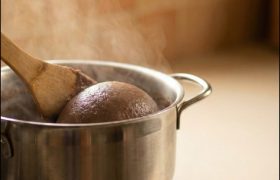
    If you’ve ever made corn flour swallow and it suddenly starts “drawing” like chewing gum (or turns rubbery), you’re not alone. The good news? Most times, it’s not that anything is “wrong” with you — it’s usually water + heat + turning technique

    Yorùbá (kíákíá): Bí swallow ìyẹ̀pẹ̀ agbàdo rẹ bá ń fa tàbí di gígùn bí gọ́ọ̀mù, ó sábà máa jẹ́ omi tí kéré, ina tó ga, tàbí bí o ṣe ń yí i. Ẹ jọ̀ọ́, ẹ má bínú — a máa fix rẹ.

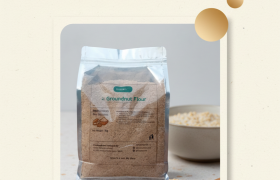
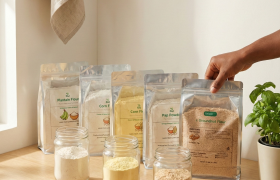
    Shop the flour used in this guide:
    Silky White/Yellow Corn Flour – Effortless Use


    First: what does “draw” actually mean?

    When corn flour meets hot water, the starch granules swell and thicken (that’s normal). But when the mix becomes too tight, overheated, or worked wrongly, it can turn stretchy-rubbery instead of smooth and soft.

    Yorùbá: “Draw” túmọ̀ sí pé swallow náà ń fa, kì í sì jẹ́ kí o yà a dáadáa — ó ń dà bí ẹni pé o ń jẹ gọ́ọ̀mù.


    Quick Fix Checklist (try this in 5 minutes)

    If your tuwo is already drawing:

    1. Reduce heat to low.
    2. Add hot water (small splashes) around the edges — not cold water.
    3. Cover for 60–90 seconds to steam.
    4. Fold/turn gently until it relaxes.
    5. If it’s still too tight, repeat with another small splash of hot water.

    Yorùbá:
    1) Dín iná kù.
    2) Fikun omi gbóná díẹ̀ díẹ̀ (kì í ṣe omi tútù).
    3) Bo fún ìṣẹ́jú kan.
    4) Yí i sẹ́lẹ̀ sẹ́lẹ̀ títí yóò fi rọ.


    7 reasons corn flour swallow draws (and how to fix each one)

    1) Your water-to-flour ratio is too low (it’s simply too thick)

    Symptom: It becomes tight early and starts pulling.
    Fix: Use the reliable base ratio:

    • 1 cup corn flour : 2 to 2½ cups water

    If you like it softer, stay closer to 2½ cups.

    Yorùbá: Bí omi bá kéré ju, swallow máa di gígùn. Fikun omi díẹ̀ díẹ̀ (omi gbóná).


    2) You poured too much flour at once

    Symptom: It thickens too fast; you fight lumps, then it becomes rubbery.
    Fix: Add flour gradually while stirring/whisking at the start.

    Pro tip: Start with a small portion first, let it thicken, then add the rest in batches.

    Yorùbá: Má ṣe tú ìyẹ̀pẹ̀ pọ̀ sílẹ̀ lẹ́ẹ̀kan. Tú un díẹ̀ díẹ̀.


    3) Heat is too high after adding the flour

    Symptom: It “sets” too quickly and turns chewy.
    Fix: Once water boils, reduce to medium/medium-low before adding flour. Keep it controlled.

    Yorùbá: Iná tó ga máa mú kí ó “di” kíákíá. Dín iná kù sí àárín.


    4) You used the wrong mixing method (or over-whisked)

    Symptom: It becomes gluey/stretchy instead of smooth and soft.
    Fix:

    • Whisk only at the beginning to prevent lumps.
    • Switch to a wooden spatula/turning stick to finish.
    • Turn firmly, but don’t “beat” it like cake batter.

    Yorùbá: Whisk jẹ́ fún ìbẹ̀rẹ̀. Lẹ́yìn náà, lo ọ̀pá/yíyí (turning stick) kí o sì yí i dáadáa.


    5) You kept “dry-patching” (adding extra flour to “correct” softness)

    Symptom: It starts okay, then gets tight and draws later.
    Fix: If you need to adjust texture, do it with hot water, not more flour.

    Yorùbá: Tí ó bá rọ ju, má ṣe fọwọ́sí i pẹ̀lú ìyẹ̀pẹ̀ míì. Omi gbóná ló yẹ.


    6) You left it covered too long without turning

    Symptom: The top looks fine, but underneath sets like rubber.
    Fix: Cover briefly (1–3 minutes max), then turn again.

    Yorùbá: Bo díẹ̀ ni. Lẹ́yìn náà, yí i padà.


    7) It cooled down (and firmed up)

    Symptom: Smooth when hot; rubbery/firm after sitting.
    Fix:

    • Serve tuwo hot.
    • If it sits, reheat gently with steam + a tiny splash of hot water and fold.

    Yorùbá: Swallow fẹ́ràn gbígbóná. Tí ó bá tutù, jẹ́ kó gba ẹ̀fúùfù-omi (steam) kí o sì yí i.


    Foolproof method for smooth, non-rubbery corn flour tuwo

    You’ll need:

    Steps:

    1. Bring 2–2½ cups water to a boil (for 1 cup flour).
    2. Reduce heat to medium.
    3. Add corn flour gradually while whisking.
    4. Once it thickens, switch to a spatula/turning stick and turn until smooth.
    5. Cover 1–2 minutes, then turn once more.
    6. Serve hot.

    Yorùbá (ìlànà kúkúrú):
    Gbé omi dé bíbo → dín iná kù → tú ìyẹ̀pẹ̀ díẹ̀ díẹ̀ → whisk → yí i pẹ̀lú ọ̀pá → bo díẹ̀ → yí i lẹ́ẹ̀kansi → jẹun.


    “Corn flour” vs “cornflour” (important note)

    In some places, “cornflour” can mean pure cornstarch (used mostly for thickening sauces).
    In this post, corn flour means finely milled maize flour used for tuwo/swallow — like the one we sell.


    Helpful next reads (if you want more guidance)


    Where to buy the corn flour in this post

    🛒 Shop directly:
    Silky White/Yellow Corn Flour – Effortless Use

    📦 Browse all flours:
    https://greenunison.com/shop/flours/

    📲 Browse our WhatsApp catalogue:
    https://wa.me/c/2348103043789

    💬 Chat to order (prefilled message):
    https://wa.me/2348103043789?text=Hi%20Green%20Unison%20%F0%9F%91%8B%20Please%20help%20me%20order%20your%20Silky%2FWhite%2FYellow%20Corn%20Flour%20for%20tuwo.%20I%20need%20the%20best%20water%20ratio%20%2B%20tips%20to%20stop%20my%20corn%20flour%20swallow%20from%20drawing%2Frubbery.


    Final word (small, but powerful)

    If your corn flour swallow draws, don’t panic.
    In most kitchens, the fix is simply: more hot water (small splashes), lower heat, and gentler turning.

    Yorùbá: Ẹ má yá. Ọ̀pọ̀ ìgbà, ìtúnṣe rẹ̀ ni: omi gbóná díẹ̀ díẹ̀ + iná kékèké + yíyí pẹ̀lẹ́pẹ̀lẹ́.

    Happy cooking — and may your tuwo be soft, smooth, and proudly non-dramatic.

  • Corn Flour Bread Without Wheat: What You Can Make (and What You Shouldn’t)

    Corn Flour Bread Without Wheat: What You Can Make (and What You Shouldn’t)

    Ever wondered if you could bake bread using corn flour instead of wheat flour? You’re not alone. Many home bakers are exploring wheat-free, gluten-free alternatives for health or dietary reasons. Corn flour (finely milled maize) is a naturally gluten-free whole grain flour, so it’s an exciting option. But can it truly replace wheat in bread? The answer: yes, you can make some delicious things with corn flour alone, but no, it won’t behave exactly like wheat. In this post, we’ll explore what you can bake with corn flour when you skip the wheat – and what you shouldn’t attempt, to save you time and kitchen frustration.

    (Quick note: Here corn flour means whole ground corn/maize flour, not the starchy white “cornflour” used as a thickener. We’re talking about the yellow or white corn meal flour from maize grains, which is what Green Unison’s Corn Flour is. It’s naturally gluten-free with all the fibre and nutrients of whole corn.)

    Why No Wheat? Corn Flour vs. Wheat Flour Basics

    Baking without wheat is becoming popular as more people go gluten-free or experiment with local flours. Corn flour is a staple from maize – a crop we know well – so it’s an appealing wheat substitute. The key difference: unlike wheat, **corn flour contains *zero gluten***. Gluten is the protein in wheat that makes dough stretchy and traps air bubbles, giving bread that soft, risen structure. Corn flour has no gluten, which means:

    • Pros: Corn flour is gluten-free (great for those with gluten intolerance or looking to cut down on refined flour). It brings a rich, subtly sweet corn flavour and extra whole-grain fibre. It’s also locally available and affordable.
    • Cons: Without gluten, corn flour dough doesn’t have elasticity. It won’t rise and fluff up the way a wheat dough will. This doesn’t mean you can’t make any “bread” with it – but it does mean true yeast-risen bread loaves are tricky.

    In other words, corn flour can shine in certain recipes, but you need to choose the right kind of bakes. Let’s dive into those.

    What You Can Make with Corn Flour (No Wheat Added!)

    Fortunately, you can enjoy plenty of wheat-free goodness with corn flour. Here are some baked (and non-baked) creations that work well with 100% corn flour – no wheat needed:

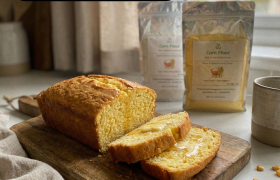
    • Cornbread & Quick Loaves: The most famous corn flour “bread” is cornbread, a golden quick bread that’s closer to a moist cake. Cornbread doesn’t use yeast at all – instead it rises with baking powder or soda. You can mix our fine corn flour with eggs, a bit of oil, milk, a touch of sugar/honey, and baking powder to bake a lovely dense loaf or muffins. Because it’s gluten-free, the texture will be a bit crumbly (think along the lines of a cake or muffin, not a stretchy bread). Add some corn kernels, cheese or peppers for a fun twist. These corn flour loaves or muffins pair wonderfully with soups, stews, or as a snack.
    • Pancakes & Flatbreads: Corn flour makes tasty wheat-free pancakes. Just combine it with an egg (or mashed banana for vegan option), milk or water, a little oil and leavening. The pancakes will be tender with a slight crisp edge and a pleasant corn taste. Similarly, you can create simple flatbreads or wraps with corn flour. For example, mix corn flour with hot water and a pinch of salt to form a soft dough, then press or roll it into flat rounds. Cook these on a hot pan – you’ll get something like a rustic corn flatbread. They won’t be as flexible as wheat rotis or tortillas (corn flour is more brittle), but you can make small, thicker flatbreads that are great for dipping or topping. Pro tip: using a bit of cassava or tapioca starch in the mix can improve flexibility for wraps, since those starches add stretchiness.
    • Baked Snacks (Crackers & Coatings): Ever tried corn crackers? You can mix corn flour with a bit of fat and water to make a dough, roll it thin and bake into crispy corn crackers – a great gluten-free snack! Additionally, corn flour excels as a gluten-free coating for frying or baking. Use it to bread chicken or tofu, or to dust veggies before pan-frying. It gives a light, crunchy coating (think tempura-style or the way cornmeal coats fried okra). While this isn’t “bread” per se, it’s a way to replace wheat flour in recipes (like coating that normally uses all-purpose flour).
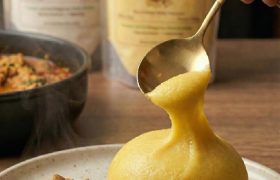
    • “Swallow” (Tuwo Masara): Outside the baking realm, corn flour’s superstar use in Nigerian cuisine is tuwo masara, the smooth corn flour swallow. Just corn flour and water, stirred over heat, turn into a smooth, dough-like meal that you eat with soup. It’s completely wheat-free and a beloved staple. (If you want to master lump-free tuwo, check out our guide on how to prepare corn flour for swallow (tuwo masara) for pro tips!)

    So yes – you can create plenty of wheatless delights with corn flour. From a pan of crumbly cornbread to a plate of hot corn pancakes or a bowl of satisfying corn swallow, corn flour is versatile. The trick is to stick to recipes that don’t rely on gluten for structure. Quick breads, unleavened breads, and anything bake-from-batter (rather than knead-and-rise dough) are your friends here.

    (Bonus: Even if you’re not cutting wheat entirely, you can still put corn flour to work by replacing a portion of wheat flour in traditional recipes. For instance, swap in about 25–30% corn flour in a muffin, pancake or bread recipe for extra fibre and flavour. Our Silky White/Yellow Corn Flour blends especially well with wheat flour in “rustic” bakes, adding a golden colour and hearty taste.)

    What You Shouldn’t Do with Corn Flour

    Now for the flipside – what not to do with corn flour if you’re trying to avoid a kitchen disaster. Some ideas sound great in theory but don’t work out well in practice due to that no-gluten issue. Here are a few “don’ts” for corn flour:

    • Don’t expect a fluffy, airy bread loaf: Without gluten, a dough made of only corn flour simply won’t rise into a soft loaf. If you tried to bake a classic sandwich bread or our local Agege bread using 100% corn flour, you’d get a dense, brick-like or crumbling loaf. Corn flour can’t trap the yeast’s air bubbles effectively, so the bread will be very heavy and likely fall apart. (In fact, bakers often say you cannot make true leavened “bread” with just corn – you’d need to add special binders like psyllium husk or extra starches, which goes beyond a simple flour swap.)
    • Don’t swap corn flour 1:1 for wheat flour in yeast recipes: Following from the above – if a recipe is designed for wheat (like a yeast-risen dough or a cake that relies on gluten structure), you can’t just use corn flour instead and hope it works. For example, don’t use corn flour in a dough expecting to knead it; it lacks the stretchy consistency and will break apart or turn paste-like. Always seek recipes specifically formulated for corn or gluten-free flours. They often compensate by using eggs, gums, extra starch, or different techniques to mimic the structure. Spontaneously substituting corn flour into a random bread recipe will end in disappointment.
    • Don’t confuse corn flour with cornstarch: This is a common mix-up, especially since in the UK, people say “cornflour” meaning cornstarch. Cornstarch is the ultra-fine white powder used for thickening sauces or making custard – it’s not whole corn flour. Never try to bake bread with cornstarch; you’ll get a gooey mess or a rock-hard result. Make sure you’re using actual corn flour (maize flour) for any of the ideas we mention here. Corn flour has the yellow (or white) colour of ground corn and contains the grain’s proteins and fibre, whereas cornstarch is just the starch (carbohydrate) part of corn. They behave totally differently.
    • Avoid purely starch-based “bread” attempts: On a related note, some might wonder “what if I add tons of starchy flour (like tapioca or potato starch) to corn flour to help it bind?” – Gluten-free bread recipes do use starches, but you still need a balance. If you somehow ended up with mostly starch and corn, you’ll get an odd, rubbery texture. Follow proven recipes if venturing into that territory. If your goal is a true bread loaf without any wheat, consider using a blend of gluten-free flours (corn, rice, sorghum, etc.) plus a binding agent and yeast – it’s possible to achieve a decent loaf, but it’s a science! For the scope of this post, we’re focusing on simpler corn-flour-only uses, because they’re much more foolproof.

    In short, don’t try to force corn flour into roles that wheat flour plays in classic baking. You’ll save yourself wasted ingredients and frustration. Embrace corn flour for what it does best (the tasty results in the previous section!), rather than expecting it to perform exactly like wheat.

    Wrapping Up: Enjoying Wheat-Free Baking with Corn Flour

    Baking without wheat can be truly rewarding when you use the right approach. Corn flour brings its own unique taste and benefits to the table – a slightly sweet flavour, lovely colour, and whole-grain nutrients – as long as you work within its gluten-free limits. Instead of a traditional bread loaf, think muffins, quick breads, pancakes, and indigenous dishes like tuwo. You’ll discover new favourites that don’t miss the wheat at all!

    Ready to try it out? Start small: maybe whip up a batch of corn flour pancakes this weekend or a simple cornbread loaf using Green Unison Corn Flour. You might be surprised how quickly your family devours these wheat-free treats. And if you’re feeling creative, experiment by combining corn flour with other flours (like a bit of plantain flour or yam flour) to create your own signature gluten-free bake – the possibilities are endless once you get the hang of it.

    Green Unison’s own Silky White/Yellow Corn Flour is finely milled and easy to use for all the ideas we mentioned. It’s a pantry must-have if you’re exploring alternative flours. You can grab a pack from our shop or even order on WhatsApp for quick pickup. We’re always here to help you make the most of these natural ingredients in your kitchen.

    Hungry for more tips? Don’t miss other guides on our blog, like How to Prepare Corn Flour for Swallow (Tuwo Masara) if you’re into traditional meals, or our upcoming posts on creative gluten-free baking. Have questions or your own corn flour experiment to share? Drop a comment or reach out – we love hearing from you!


    Ready to go wheat-free with corn flour? Browse our Flours collection for quality, locally-grown options. You can order Silky White/Yellow Corn Flour directly from our site or chat with us for quick service. Happy baking!

    CTA: Order Now – Get our premium corn flour and start baking! Shop online: Silky White/Yellow Corn Flour – Effortless Use or Chat with us on WhatsApp 👉 Click here (₦1,800 for 1 kg; same-day pickup available!). Enjoy nationwide delivery and let’s bring your wheat-free recipes to life!

  • Tuwo Masara for Beginners: Smooth, Stretchy, Lump-Free Every Time

    Tuwo Masara for Beginners: Smooth, Stretchy, Lump-Free Every Time

    Prep time: 5–10 minutes
    Cook time: 10–15 minutes
    Serves: 2–3 (adjust proportions as needed)

    Tuwo Masara — a comforting corn-flour swallow — should be soft, smooth and hold together without crumbling. If you’ve had trouble with lumpy tuwo or a swallow that breaks apart, this beginner-friendly guide is for you. It focuses only on using finely milled corn flour (the kind sold for swallow preparation) and gives clear, repeatable steps that remove the guesswork.

    Why this method works: start with a thin slurry so the flour disperses evenly, cook a stable base, then add the remaining flour slowly while stirring. A final short steam ensures the centre cooks through and the tuwo binds together for a stretchy, lump-free finish.


    Ingredients & tools

    Ingredients (approximate — scale to suit):

    • 1 cup finely milled corn flour (white or yellow) — see product link below
    • 2–2½ cups water (for ~1 cup corn flour) — plus a little extra if needed
    • A pinch of salt (optional)

    Tools:

    • Heavy-bottomed pot or saucepan
    • Sturdy wooden spoon or heatproof spatula (a turning stick is ideal)
    • Small mixing bowl for the slurry
    • Measuring cup and spoon

    Order fine corn flour: Green Unison Finely Milled Corn Flour — suitable for tuwo masara and made for smooth mixing. You can also browse all our flours here: https://greenunison.com/shop/


    Quick explanation: why lumps and breakage happen

    • Dry flour dumped into hot water causes clumps that are hard to break down.
    • Coarse flour or unsieved flour doesn’t dissolve evenly, leaving a grainy texture.
    • Too little water makes a dry, crumbly dough that falls apart.
    • Insufficient cooking/steaming leaves the centre undercooked and prone to breaking.

    The instructions below address each of these issues.


    The Smooth Tuwo Method — step-by-step

    This two-stage method (slurry → gradual dry add) is the simplest and most reliable for beginners.

    1. Heat the water
      Add 2–2½ cups of water to your pot and bring to a rolling boil. Reduce heat to medium so the water is hot but not vigorously boiling (this gives you better control when adding flour).
    2. Make a thin corn-flour slurry
      In a small bowl, combine half of the corn flour (about ½ cup) with cold water to make a smooth, runny batter (think thin porridge). Mix until there are no dry pockets. This slurry prevents instant lumping when it hits the hot water.
    3. Cook the slurry into a base
      Pour the slurry into the hot water slowly while stirring continuously. The mixture will thicken quickly into a pap-like base. Stir for 2–3 minutes to cook out the raw corn taste and to form a stable foundation.
    4. Add the remaining flour gradually
      Sprinkle the remaining dry corn flour into the pot in small handfuls while stirring vigorously. After each sprinkle, work the flour in until incorporated. This gradual addition is the step that prevents lumps — patience here is key.
    5. Adjust to the right consistency
      As the mixture becomes thick, it should be moist and elastic rather than dry and crumbly. If it firms up too fast, splash in a tablespoon or two of hot water and continue stirring. Aim for a dough that pulls cleanly from the pot sides and holds shape when scooped.
    6. Steam for a few minutes
      When the mixture is smooth and homogeneous, reduce the heat to low, cover the pot and let it steam for 2–3 minutes. This finishing steam cooks the centre and helps the tuwo bind so it won’t fall apart.
    7. Final stir and shape
      Uncover, give a final vigorous stir, then scoop and mould into round portions using a wet spoon or a bowl lined with plastic. Serve hot with your preferred soup or stew.

    Ratio cheat-sheet (no scale)

    • Starter (thin slurry): ½ cup corn flour + enough cold water to make a thin batter (approx. ¾ cup cold water)
    • Boiling water: 2–2½ cups of hot water for 1 cup total corn flour
    • Adjust: Add hot water a tablespoon at a time if mixture feels too stiff while cooking

    Tip: If cooking for more people, increase flour and water proportionally — keep the slurry stage and gradual flour addition the same.


    Extra tips for success

    • Use finely milled corn flour — coarser flours can give a grainy finish. Our recommended product is designed for swallow preparation.
    • Stir with purpose: a sturdy wooden spoon helps you reach every part of the pot and prevents scorching.
    • Don’t rush adding the dry flour. Small additions and full incorporation are the secret to zero lumps.
    • If lumps appear: take the pot off the heat and vigorously stir or smash them against the pot side with the spoon, then return to the heat and continue. For small stubborn lumps, a short blender blitz (if removed and cooled slightly) can rescue a batch, but prevention is preferable.
    • Steaming matters: a brief covered cook at the end makes the tuwo cohesive and elastic. Skipping it is a common reason for crumbling.

    Serving ideas

    Tuwo Masara pairs well with rich, flavourful soups. Some popular combinations:

    • Groundnut (peanut) soup — nutty and rich
    • Egusi (melon seed) stew — hearty and spicy
    • Vegetable or tomato-based soups — for lighter pairings

    Scoop a small ball of tuwo, dip into hot soup and enjoy. For a prettier plate, use yellow corn flour for a warm golden colour.


    Storage & reheating

    • Best eaten fresh. Tuwo is softest and most pleasant hot.
    • To keep: wrap warm tuwo in cling film and refrigerate for up to 24–48 hours.
    • Reheat: sprinkle a little hot water over the portion and reheat gently on the stove with stirring until soft, or microwave briefly with a sprinkle of water — stirring halfway through.

    Frequently asked questions

    Q — Can I use cornmeal or corn starch instead?
    A — Cornmeal (coarser) will give a grainier texture; if you must use it, sieve first and accept a different mouthfeel. Corn starch is a pure starch and not suitable as the main ingredient for tuwo masara. Use a finely milled corn flour made for swallows.

    Q — How do I know the tuwo is done?
    A — The tuwo should be smooth, pull away from the pot sides, and feel elastic when you scoop it. A short steam finishes the cooking and sets the texture.

    Q — Is tuwo masara gluten-free?
    A — Yes — when made from pure corn flour, tuwo is naturally gluten-free.


    Related resources & internal links

    • Our corn flour product: Green Unison Finely Milled Corn Flour — https://greenunison.com/product/nature-powered-corn-flour/
    • Browse all flours: https://greenunison.com/shop/
    • For more behind-the-scenes reading, see our collection: Farm to Cup — Behind the Scenes of Our Dried Herbs (find related posts and guides in the blog sitemap): https://blog.greenunison.com/post-sitemap.xml
    • Want a storage guide for flours? Check our blog for flour storage tips (link to related post in your CMS when you publish).

    Ready to try it?

    Give the smooth tuwo method a go today — it’s quick, forgiving and perfect for beginners. If you’d like to order the corn flour we recommend, you can:

    • Buy online: https://greenunison.com/product/nature-powered-corn-flour/
    • Browse our shop / other flours: https://greenunison.com/shop/
    • View our WhatsApp catalogue: https://wa.me/c/2348103043789
    • Chat or order via WhatsApp: https://wa.me/2348103043789?text=Hi%20Green%20Unison!%20I%20want%20to%20buy%20your%20corn%20flour%20for%20tuwo.

    If you found this guide helpful, please leave a comment on the blog, share your finished tuwo picture, or send us a message on WhatsApp. Happy cooking!

  • Plantain Flour Amala: The 3-Minute Whisk Method (Plus How to Fix Lumps, Stickiness & Bitter Taste)

    Plantain Flour Amala: The 3-Minute Whisk Method (Plus How to Fix Lumps, Stickiness & Bitter Taste)

    If you’ve ever made plantain flour amala and ended up with lumps, a sticky paste, or a slightly bitter taste, you’re not alone. The good news: you don’t need a sieve, special tools, or long stirring sessions.

    This is the 3-minute whisk method we use when we want smooth amala fast—plus exact fixes if anything goes wrong.

    Best for: busy weeknights, first-timers, “I need swallow now” moments.


    What you’ll need (simple)

    • Plantain flour (finely milled works best): Nature Powered Plantain Flour
    • Water
    • A pinch of salt (optional, but helpful for taste)
    • Balloon whisk (or a sturdy fork in a pinch)
    • Pot + wooden spatula (for final smoothing)

    Want to browse all our flours? Start here: Shop Flours


    The 3-Minute Whisk Method (Lump-Free)

    Step 1: Get your water hot (30–60 seconds)

    Bring water to a boil, then reduce to medium heat (still steaming/hot, not raging).

    Step 2: Whisk first, pour flour like rain (60–90 seconds)

    Keep the whisk moving and sprinkle plantain flour gradually—don’t dump it all at once.
    You’ll see it thicken quickly.

    Step 3: Smooth & fold (60 seconds)

    Once it gets thick enough that whisking feels heavy:

    • switch to a wooden spatula
    • fold, press, and turn for about 1 minute
    • cover for 30 seconds (optional), then give it one final smooth turn

    Done. Serve immediately with your favourite soup.


    Quick ratio guide (start here, then adjust)

    Because flour fineness and personal preference vary, use this as a reliable starting point:

    • 1 cup plantain flour : 2 cups water → firm, classic swallow texture
    • Prefer it softer? add hot water 1–2 tablespoons at a time while turning.

    Tip: If you’re cooking for one, start smaller and scale up once you like your texture.


    Troubleshooting (Save this part)

    1) “I have lumps” — How to fix it fast

    Why it happens: the outside of the flour hits hot water and gels before the inside hydrates.

    Fix (choose one):

    • Hot-water rescue: take pot off heat, add 2–4 tbsp hot water, whisk hard for 20–30 seconds, then return to medium heat and turn smooth.
    • Press & turn: press lumps against the pot side with your spatula while turning.
    • Prevention for next time: sprinkle flour gradually and keep whisk moving before it thickens.

    2) “It’s sticky / gluey” — How to correct it

    Common causes:

    • too much water
    • undercooked (needs a bit more heat time)
    • too much aggressive stirring after it has set

    Fix:

    • return to medium heat for 60–90 seconds, turning gently (cooking helps it set properly)
    • if it’s still too soft, sprinkle 1–2 teaspoons of plantain flour and turn until it firms up
    • cover for 30–60 seconds to steam, then smooth once

    3) “It tastes bitter” — What’s going on?

    Plantain flour can have a naturally “earthy” note, but bitter is usually one of these:

    • flour has picked up off-flavours from heat/humidity
    • flour stored unsealed near strong smells
    • pot got too hot and the bottom scorched slightly

    Fix now:

    • add a tiny pinch of salt and serve with a rich soup (bitterness fades in balance)
    • if you suspect scorching, transfer to a clean pot and continue gently for 30 seconds

    Prevent next time:

    • store flour sealed, cool, and dry
    • avoid very high heat once thickening starts

    Common mistakes (and the easy swap)

    • Dumping flour in one go → sprinkle it gradually
    • Whisking stops too early → whisk until it’s thick, then switch to spatula
    • Heat too high → medium heat gives smoother results

    FAQs

    Can I mix with cool water first?

    Yes—if you’re a beginner, you can make a smooth slurry with a little cool water first, then pour into hot water while whisking. It’s slower, but very safe for lump-free results.

    Can I reheat leftover amala?

    Yes. Add a splash of hot water, cover, and warm on low heat. Turn once it softens.

    What to buy for this method?

    If you want the easiest, smoothest start, use a finely milled flour:


    Related reads from our blog


    Call to action (order in 30 seconds)

    Ready to make lump-free plantain flour amala this week?

    • 🛒 Buy on website: greenunison.com
    • 📦 WhatsApp catalogue: https://wa.me/c/2348103043789
    • 💬 Chat to order (prefilled): https://wa.me/2348103043789?text=Hi%20Green%20Unison%2C%20I%20want%20to%20order%20Plantain%20Flour%20for%20amala%20ogede.%20Please%20share%20your%203-minute%20whisk%20method%20ratio%20and%20delivery%20options.%20Thank%20you%21

    Pin this post so the troubleshooting section is always one scroll away.

  • Groundnut Flour as a “One-Spoon Upgrade” for Breakfast (5 easy ways)

    Groundnut Flour as a “One-Spoon Upgrade” for Breakfast (5 easy ways)

    Some mornings, breakfast happens in a rush: a quick bowl, a quick drink, and you’re out the door… then you’re hungry again far too soon.

    Here’s a tiny habit that can change how breakfast feels—without changing your whole life:

    The One-Spoon Upgrade: add 1 tablespoon of groundnut flour to what you already eat.

    It’s simple, it’s tasty, and it works brilliantly with familiar breakfasts like pap, oats, smoothies, cereal, or pancakes.

    Quick note: Groundnuts are peanuts. If you have an allergy, please skip this completely.


    What is groundnut flour?

    Groundnut flour is finely milled groundnuts—that’s it.
    It adds a naturally nutty flavour, and it’s an easy way to add more body to breakfasts that can feel “light”.

    If you’ve never tried it, start small: 1 tablespoon. Your tastebuds will tell you how fast to level up.


    The One-Spoon Rule (so you don’t get lumps)

    If you’ve ever added groundnut flour straight into hot pap or hot oats and it clumped… you’re not alone.

    Use this simple method:

    1. Put 1 tablespoon groundnut flour in a bowl/cup.
    2. Add 2–3 tablespoons of cool water (or milk) and stir to make a smooth paste.
    3. Pour it into your breakfast and stir well.

    That’s it. Smooth, no lumps, better texture.


    5 breakfasts that love groundnut flour

    1) Pap (ogi/akamu)

    Pap is comfort—groundnut flour makes it feel more “complete”.

    How to do it:
    Mix 1 tablespoon groundnut flour with cool water → stir into pap → add your preferred sweetener and toppings.

    Taste tip: A little goes a long way. Start with 1 tablespoon before trying 2.


    2) Oats

    If you like your oats thicker and more filling, this is a game-changer.

    How to do it:
    Stir in the groundnut flour paste during the final 1–2 minutes of cooking.


    3) Smoothies

    This is one of the easiest places to start because blending handles the texture.

    How to do it:
    Add 1 tablespoon directly into the blender with banana, milk, yoghurt, or your usual mix.


    4) Breakfast pancakes

    You can add groundnut flour to pancake batter for extra nutty flavour.

    How to do it:
    Add 1 tablespoon to your batter and whisk well (or blend).


    5) Cereal / granola bowls

    If you enjoy a crunchy cereal bowl, groundnut flour can make the milk feel richer.

    How to do it:
    Mix the groundnut flour paste into your milk first, then pour over your bowl.


    A simple 7-day “one-spoon” routine (no stress)

    • Mon: Pap + 1 spoon groundnut flour
    • Tue: Oats + 1 spoon groundnut flour
    • Wed: Smoothie + 1 spoon groundnut flour
    • Thu: Pap + 1 spoon groundnut flour
    • Fri: Oats + 1 spoon groundnut flour
    • Sat: Pancakes + 1 spoon groundnut flour
    • Sun: Cereal bowl + 1 spoon groundnut flour

    Repeat what you loved. Drop what you didn’t. Keep it easy.


    Common questions

    Is groundnut flour the same as peanut butter?

    Not quite. Peanut butter is a paste (with a different texture and use). Groundnut flour is dry and mixes differently—especially in pap, oats, and baking.

    How much should I use?

    Start with 1 tablespoon per serving. If you enjoy it and your breakfast can carry it, try 2 tablespoons.

    Can I add it to hot food?

    Yes—just mix with cool liquid first to reduce clumping.

    Who should avoid it?

    Anyone with a groundnut/peanut allergy should avoid it completely.


    Storage tips (to keep it fresh)

    • Keep it sealed after use.
    • Store in a cool, dry place away from heat.
    • If your kitchen runs warm, keeping it chilled can help it stay fresher for longer.

    Ready to try the One-Spoon Upgrade?

    Shop Groundnut Flour:
    Nature Powered Groundnut Flour → https://greenunison.com/product/nature-powered-groundnut-flour/

    Prefer to order on WhatsApp?
    Catalogue: https://wa.me/c/2348103043789

    Chat to order: https://wa.me/2348103043789?text=Hi%20Green%20Unison%20%F0%9F%91%8B%F0%9F%8F%BE%20I%E2%80%99d%20like%20to%20order%20Nature%20Powered%20Groundnut%20Flour%20for%20my%20breakfast%20%E2%80%9Cone-spoon%20upgrade%E2%80%9D.%20Please%20share%20available%20sizes%2C%20prices%2C%20and%20delivery%20options.%20Thank%20you%21

    Or visit: greenunison.com

  • Baby & Toddler Porridge Guide: Using Pap Powder and Plantain Flour

    Baby & Toddler Porridge Guide: Using Pap Powder and Plantain Flour

    Feeding your little one a nutritious meal shouldn’t be a daily struggle. For many families, pap (also known as ogi or akamu) has long been a go-to first food during weaning. Now, with Pap Powder and Plantain Flour readily available, you can easily prepare wholesome, home-made porridge that babies and toddlers love. This guide will walk you through what Pap Powder and Plantain Flour are, their nutritional benefits, and how to use them to create energizing porridge for your baby or toddler – all with a friendly local twist and zero guesswork.

    What Is Pap Powder (Ogi/Akamu) and Why Use It for Baby Porridge?

    Pap is a smooth fermented cereal pudding made from maize (corn) and sometimes other grains. It’s a traditional weaning food in Nigeria (called ogi in Yoruba, akamu in Igbo, koko in Hausa) prized for its easy digestion and comforting taste. Pap Powder is simply pap in a convenient dry form – finely milled and ready to cook without the labor-intensive process of soaking and fermenting corn at home.

    Why Pap Powder is great for babies: It provides a belly-filling base of carbohydrates for energy, yet is gentle on tiny tummies. The fermentation process breaks down complex starches, making the pap easier to digest for infants. Green Unison’s Pap Powder is 100% natural fermented maize with no additives, so it’s smooth and safe even for babies as young as 6 months starting solids. It’s also gluten-free and contains modest amounts of key minerals like potassium and magnesium from the corn.

    When prepared as a warm porridge, pap has a familiar mild taste that babies accept readily. It can be served on its own or mixed with a little milk. Plus, you can adjust the consistency – make it thin and runny for a 6–8 month old, or thicker and more spoonable for an older toddler. (For tips on achieving either creamy pap (ogi) or firm set pap (eko), see our guide “Eko vs Ogi: One Pap Powder, Two Textures” on the blog.) Pap is a blank canvas: you can enrich it with other healthy add-ins as your child grows (more on this later).

    👉 Internal link: Learn more about pap’s versatility in Eko vs Ogi: One Pap Powder, Two Textures (how to make a creamy pap vs a firm set pap).

    What Is Plantain Flour and Why Use It for Baby Porridge?

    Plantain flour is made from dried, milled unripe plantains (known as elubo ogede in Yoruba). It’s traditionally used to make amala ogede (a solid “swallow” meal), but it also shines as an ingredient for porridge and other foods. Plantain Flour brings some superb nutritional benefits to your baby’s bowl:

    • Vitamins and Minerals: Unripe plantains are a good source of vitamins A, C, B6, plus minerals like potassium and magnesium. These nutrients support your child’s immunity, growth, and development.
    • High Fiber and Resistant Starch: Plantain flour is rich in fiber and resistant starch, a type of carbohydrate that acts as a prebiotic to support healthy gut bacteria and digestion. This means it can help keep your baby’s tummy happy and full for longer. The complex carbs in plantains also provide slow-releasing energy, great for active toddlers.
    • Allergy-Friendly: It’s naturally gluten-free, grain-free and contains no added sugar or preservatives – just pure plantain. If you’re looking to introduce variety beyond typical rice or wheat cereals, plantain is an excellent local alternative.

    Why plantain porridge is great for babies: For generations, mothers have fed unripe plantain porridge to young children as a complementary food from around 6 months of age. It’s often thought of as “baby food” because of its gentle, nourishing nature. Unlike ripe bananas, unripe plantain flour isn’t very sweet on its own – which is actually good, as it helps your baby learn to enjoy less sugary flavors. When cooked into a porridge with water or milk, it has a creamy consistency similar to oat cereal. Plantain flour porridge contributes valuable nutrients and variety to a weaning diet, though (like pap) it’s not a standalone source of iron or protein. It should be served alongside other foods or fortified (e.g. with a bit of protein) for a balanced meal.

    Green Unison’s Smooth Plantain Flour is finely milled so it cooks quickly without lumps, and it’s made from 100% Nigerian plantains with no additives. It’s a “best seller” in our shop for good reason – many moms love using it not just for amala, but also to thicken baby foods and make hearty porridge. In fact, our Plantain Flour is labeled as “great as a mild base for baby foods and weaning porridges” right on the package!

    👉 Internal link: Read our in-depth post Local Superfoods: Corn, Plantain & Groundnut Flour Nutrition Unpacked for more on the nutritional highlights of these flours.

    How to Prepare Porridge with Pap Powder and Plantain Flour

    Making a porridge from Pap Powder or Plantain Flour is quick and beginner-friendly. You can prepare them separately on different days to give your baby a variety of tastes, or even combine a bit of each in one meal (for example, adding a spoon of plantain flour into pap) to blend the benefits of both. Below are simple preparation guides for each:

    Preparing Pap Powder Porridge (Ogi Akamu) for Baby

    You will need: Pap Powder, clean water (and optionally breast milk/formula or milk for older babies).

    1. Mix with cool water: In a clean bowl, put 3–4 tablespoons of Pap Powder (for one baby portion). Add a small amount of cool or room-temperature water and stir to dissolve the powder into a smooth, runny paste (no lumps). This step is key to avoid lumps later.
    2. Add to boiling water: In a pot or kettle, bring about 1–2 cups of water to a rolling boil. Reduce the heat to low, then slowly pour the pap paste into the boiling water while stirring continuously with a spoon or whisk. The pap will begin to thicken almost immediately.
    3. Cook to desired consistency: Keep stirring on low heat for a few minutes until you see a smooth, creamy porridge. For a baby of 6–8 months, you might stop when it’s a lighter, custard-like consistency. For a toddler, you can cook it a bit longer for a thicker pap. (Tip: If it ever gets too thick, just stir in a little boiled water to thin it out.)
    4. Cool and enrich: Allow the pap to cool down to a warm (not hot) temperature before serving. Never feed a baby very hot pap – always test the temperature on the inside of your wrist. You can mix in a bit of breast milk or prepared infant formula at this stage to cool and enrich the pap. This not only adds nutrients but also a familiar taste that many babies love. You can also mash in a teaspoon of fruit puree (e.g. banana or pear) for natural sweetness instead of sugar.

    Pap is quite plain on its own. For babies under 12 months, avoid adding sugar or honey (honey is unsafe for infants under 1 year old). Instead, rely on the natural mild sweetness of corn or add naturally sweet fruit. As your baby grows, you can introduce a little toddler-safe fortifier: a spoon of Groundnut Flour (peanut flour) or soybean powder can boost protein – though note that Green Unison Groundnut Flour is currently out of stock. Another idea is to serve pap alongside a protein like mashed beans or an egg yolk (for older babies), rather than mixing it in. Always introduce new add-ins gradually to ensure your child tolerates them well.

    Preparing Plantain Flour Porridge for Baby

    You will need: Plantain Flour, water or milk (plus optional add-ins like fruit or formula as above).

    1. Stir into liquid: Plantain flour doesn’t need pre-soaking. Start by mixing 1–2 tablespoons of Plantain Flour into about 1 cup of water or milk in a pot before turning on the heat. Stir it well so it’s mostly dissolved. (Using a whisk or even blending it with some of the liquid can help if you want it super smooth.)
    2. Cook gently: Place the pot on the stove and cook over medium heat, stirring continuously. As it warms up, the mixture will thicken. Continue cooking and stirring for about 5 minutes. You can add a splash more liquid if it becomes too thick. The goal is a smooth, creamy porridge with no raw flour taste. Tip: You can also mix Plantain Flour into already-hot water like pap, but starting cold gives a bit more time to break up lumps.
    3. Adjust thickness: Just like pap, you can tailor the consistency. For younger babies, a thinner gruel is easier to swallow – simply use more water/milk. For toddlers, you might make it as thick as oatmeal. If it over-thickens, stir in a little warm water to loosen it.
    4. Add final touches: Once cooked, let it cool to a safe temperature. Plantain porridge has a mild, earthy taste. Enhance it by stirring in some breast milk or formula after it cools slightly, or mix in fruit purees (mashed banana goes wonderfully with plantain!). A pinch of cinnamon or vanilla can also be added for aroma if your baby is old enough for mild spices. No need to add sugar – it’s best for babies to enjoy it as is or with natural fruit sweetness.

    Note: Unripe plantain porridge will have a light tan color and a different aroma than corn pap – every baby is different, so if yours isn’t sure about it at first, try combining a small amount of plantain porridge with pap or another familiar cereal initially. Over time, they may come to appreciate the new taste. Many moms report their toddlers actually prefer plantain porridge once they get used to it, because of its creamy, hearty texture.

    Serving Tips and FAQs

    How often can I serve pap or plantain porridge? – These porridges can be given as a breakfast or lunch for your baby a few times a week as part of a varied diet. Many Nigerian families give pap in the morning. You might alternate between pap and plantain on different days to keep things interesting. Both are quite filling, so a few spoonfuls might be enough for younger babies. Always pay attention to your child’s hunger and fullness cues.

    Do I need to mix pap and plantain flour together? – You don’t have to, but you can. Mixing them isn’t an established tradition, but there’s no rule against it. If you do, use a smaller quantity of each so the total remains a normal serving. You might enjoy the slightly thicker texture and broadened nutrient profile that a combo porridge offers. Experiment to see what your baby enjoys – some moms even nickname the mix “power porridge”!

    How do I store Pap Powder and Plantain Flour? – Both products should be kept in an airtight container in a cool, dry place. Always use a clean, dry spoon to scoop out what you need. Proper storage prevents moisture and pests from spoiling your flours. If you buy in bulk, you can portion some into a small jar for daily use and keep the rest tightly sealed. Check out our handy Flour & Pap Storage Guide for tips on keeping your pap powder and other flours fresh and weevil-free.

    What about nutrition – is pap or plantain flour enough on its own? – On their own, pap and plantain porridge are energy-rich but low in protein. That’s why pediatricians often recommend “fortifying” pap for babies with additional nutrients. For example, you can cook pap with a bit of ground soybeans (to make “soy pap”) or serve egg yolk or fish alongside. In this guide, we’ve mentioned adding breast milk or formula (which add protein), or pairing the porridge with nutrient-dense foods. Plantain porridge similarly benefits from a little boost. The key is balance: use pap or plantain as a base, but rotate in other foods (mashed beans, pureed veggies, fruits, etc.) during the day so baby gets a range of nutrients. Both pap and plantain are excellent for weight gain and energy, while other foods will provide the protein and extra vitamins to round out your child’s diet.

    Is Pap Powder/Plantain Flour better than traditional home-made pap? – Nutritionally, they’re comparable to what you’d make from scratch, since the ingredients are the same (corn and plantain, respectively) without additives. The big advantage is convenience and hygiene. Green Unison’s Pap Powder is made with a hygienic, controlled fermentation process, meaning you get the authentic taste of home-fermented ogi but with assured quality (no worries about contamination during the soaking and grinding). It also saves you time – no 3-day fermentation wait, no messy milling or sieving; just mix and cook in minutes. For busy parents, that’s a game changer. Our Plantain Flour likewise comes from carefully selected unripe plantains that are washed, dried and milled under strict quality control. In short, using these ready-made products gives you consistent results and peace of mind, so you can focus on enjoying mealtime with your little one.

    Making It Fun and Varied

    One of the joys of introducing pap or plantain porridge is that you can get creative as your baby grows. Here are a few ideas to keep things fun and nutritious:

    • Mix in natural flavors: Once basic pap is accepted, try stirring in a spoon of puréed dates or mashed ripe banana to pap for a hint of sweetness (dates are a popular local sweetener and are safe for babies when mashed fine or made into a syrup). For plantain porridge, a dash of nutmeg or cinnamon can add aroma – common in many custard recipes – but use only a tiny pinch and ensure your baby is over 8–9 months old before introducing spices.
    • Toppings for toddlers: If your toddler is a confident eater, you can top their pap or plantain porridge with soft bits of fruit like cooked apple cubes, mashed strawberries, or a swirl of peanut butter (as long as there’s no allergy). Always supervise them during feeding.
    • Combine with other cereals: Pap can be combined with other grain cereals like millet or guinea corn (as in “brown pap” mixes) for more nutrition
    • . If you have Green Unison’s whole grains, you could mill a small batch of your own multi-grain mix or simply alternate between corn pap and other cereal porridges on different days. Variety is the spice of life!
    • Use Plantain Flour beyond porridge: Don’t forget, you can use plantain flour in pancakes and other recipes too. Once in a while, you might treat your toddler to plantain flour pancakes or use it to thicken a fruit smoothie for them. It’s a great way to get more value out of the pack you bought.

    Conclusion and Next Steps

    Starting your baby on pap or plantain porridge is setting them on a path of enjoying local, wholesome foods. Many of us have fond childhood memories of a warm bowl of ogi in the morning – and now, with these convenient powders, you can continue that tradition with less hassle. Whether you’re feeding a 6-month-old just tasting their first pap, or a busy toddler who can polish off a bowl of plantain porridge, you’re providing more than just a meal – you’re sharing a bit of our culture and love in each spoonful.

    Ready to give it a try? Green Unison’s Pap Powder and Plantain Flour make it easy to whip up nutritious porridge anytime. You can order both products directly from our shop and have them delivered to your doorstep.

    👉 Product links: Check out Instant Pap Powder (Ogi/Akamu) and Smooth Plantain Flour (Elubo Ogede) on our e-shop – each product page includes prep tips and size options. Both are available in various pack sizes, so you can start small or stock up.

    For a closer look or to ask questions, feel free to view our WhatsApp product catalog (you’ll find Pap Powder and Plantain Flour under the flours section). We’re always here to help you make the best choices for your family. You can even chat with us on WhatsApp – send us a message anytime and we’ll be happy to assist .

    Nurturing your baby with healthy food is a rewarding journey. We hope this guide empowers you to use Pap Powder and Plantain Flour confidently as part of your little one’s diet. Happy cooking and happy feeding!

  • Eko vs Ogi: One Pap Powder, Two Textures (and How to Nail Both Every Time)

    Eko vs Ogi: One Pap Powder, Two Textures (and How to Nail Both Every Time)

    Pap is a versatile staple enjoyed in many homes – it can be smooth and creamy or cool and firm. In fact, the classic breakfast ogi (also called akamu or pap) and the sliceable eko (firm pap pudding) both come from the same pap base. With one quality pap powder, you can easily make either texture in minutes. This guide explains the difference between eko and ogi, the science behind their textures, and how you can nail both consistencies every time. (No more guesswork – even if you’re new to pap-making!)

    What Exactly Are Ogi and Eko?

    Ogi (Pap/Akamu) is a smooth, custard-like porridge made from fermented grains (usually corn). It’s a traditional cereal pudding that’s popular across Nigeria. Ogi is typically enjoyed warm for breakfast or as a light meal – often sweetened to taste or taken with a splash of milk. Many families pair ogi with side treats like akara (bean fritters) or moin moin (steamed bean pudding) for a hearty start. Because it’s fermented, ogi has a mild tangy aroma and taste. (Fun fact: the fermentation is done by friendly bacteria and yeast, which gives pap its unique slightly sour flavour and makes it easily digestible.)

    Eko (Agidi), on the other hand, is basically pap in jelly form. It’s the firm, set version of pap – usually made by cooking pap extra thick and letting it cool until solid. The result is a white, pudding-like block that can be sliced and chewed. Eko (called agidi by the Igbo) has a neutral taste like ogi, but its firmer texture means it’s often eaten differently. Some people enjoy eko on its own as a light meal or snack, while others serve it with flavorful accompaniments (for example, eko can be paired with soups, stews, or a spicy sauce). Essentially, if ogi is like a thick drinkable porridge, eko is pap you can hold once it’s cooled and set.

    In summary: ogi/akamu is the creamy pap you eat with a spoon, while eko/agidi is the solid pap you can cut with a knife. The amazing part is both come from the same pap powder or paste – the difference is how you prepare it. Below, we’ll show you how one instant pap powder can yield two textures with ease.

    One Pap Powder, Two Textures – How Is It Possible?

    The secret comes down to proportion and technique. With traditional wet pap (the kind sold fresh in markets), cooks have long known that a slightly thinner mix gives a pourable ogi, while a thicker mix can set into firm eko. It’s all about how much water you use and how long you cook it.

    From a food science perspective, it’s about starch gelatinisation and gelation. When you heat a starch like corn in water, its granules swell and burst – the mixture thickens (that’s gelatinisation). As it cools, the starch molecules (especially amylose) start bonding into a mesh-like network, trapping water. With more starch (higher concentration), this network becomes denser and sets into a firm gel. That’s why eko, which is made with more pap powder and less water, solidifies into a sliceable gel, whereas ogi, made with more water, stays semi-liquid and spoonable. In short, the higher the starch-to-water ratio, the firmer the pap will be once cooled.

    (If you were to reheat a solid eko with enough water, it would loosen back into a pap consistency – it’s the same ingredients, just a different structure!)

    Another key factor is fermentation. Traditional pap is made by fermenting corn for days; this process develops that classic slightly sour taste and improves the pap’s texture and digestibility. Green Unison’s Instant Pap Powder retains this authentic process – our maize is soaked and fermented under controlled conditions, then dried and milled into a fine powder. The result: you get all the rich flavour and nutrition of real ogi/akamu without the laborious prep. No additives or preservatives – just pap powder that cooks fast into creamy ogi or sets into firm eko.

    With that in mind, let’s dive into the practical steps for making both ogi and eko using one pap powder. Grab your favourite pap powder (we’ll of course be using our Green Unison brand) and let’s get cooking!

    How to Prepare Ogi (Akamu) – The Creamy Pap

    Making ogi with our instant pap powder is quick and foolproof. Here’s how to get that smooth, creamy porridge consistency every time:

    1. Measure the Pap Powder: Start with about 3–4 tablespoons of pap powder per serving (this yields roughly one medium bowl of ogi).
    2. Make a Slurry: In a pot or bowl, mix the powder with a little cool water – just enough to form a smooth, runny paste (slurry). This step is crucial: using cold water first helps the powder dissolve without forming lumps. Stir until there are no dry clumps.
    3. Add to Boiling Water: Bring about 2 cups of water to a rolling boil in a pot. Once boiling, slowly pour the pap slurry into the water while stirring continuously. Stirring as you pour is the key to avoid lumps – you’ll see the mixture turn translucent and begin to thicken as it combines.
    4. Cook to Thicken: Reduce the heat to low and keep stirring for a few minutes. The pap will thicken into a custard-like consistency. Cook for about 5 minutes until it’s smooth and creamy, with no raw starchy taste.
    5. Serve Warm & Enjoy: Your ogi is ready when it’s a lush, smooth porridge. Serve it hot or warm. You can enjoy it plain, or add a splash of milk (or plant-based milk) and a bit of sugar or honey to sweeten. For extra yum, pair it with akara or moi-moi on the side – a classic combo for a filling breakfast!

    Ogi Tip: If your pap turns out too thick for your liking, simply stir in a little hot water to loosen it. If it’s too thin, you can mix a bit more pap powder in cold water and carefully stir it in while heating until it thickens. Once you get your preferred thickness, make a mental note of the powder-to-water ratio for next time. With our finely milled pap powder, you should get a smooth result with no lumps – just be sure to stir well and use boiling water.

    How to Prepare Eko (Firm Pap) – The Set Pap Pudding

    Now for eko, the firmer pap that sets into a mold. The preparation is similar at the start, but we’ll use less water and a thicker slurry, plus some patience to let it set:

    1. Measure a Larger Quantity: For eko, you’ll typically use more pap powder since it’s a solid serving. Let’s say about 1 cup of pap powder to make a small bowl or mold that serves two people.
    2. Mix a Thick Paste: In a bowl, combine the pap powder with some cool water, but this time add just enough water to form a thick paste. The mixture should be heavier – think the consistency of pancake batter or even thicker. Make sure it’s smooth (no dry lumps).
    3. Add to Boiling Water: Boil about 2½ cups of water in a pot (for 1 cup powder). Once boiling, stir in the pap paste gradually. Go slowly and stir vigorously as you add it, so the thick pap disperses without clumping. The mixture will begin to thicken very quickly.
    4. Cook Until Very Thick: Keep the heat on medium and stir constantly. The pap will turn into a thick, doughy porridge. Continue cooking and stirring for a few minutes – it will become glossy and pull away slightly from the pot as it thickens. Make sure there’s no raw taste (about 5–6 minutes of cooking is usually enough).
    5. **Pour and *Set:* Immediately pour the thick pap into a clean container or mold. (You can use any bowl, a loaf pan, or ramekins – lightly rinsed with water beforehand to make unmolding easier, if you plan to invert it out.) Smooth the top with a spoon. Leave it to cool and set for at least 1–3 hours at room temperature. For faster results, you can refrigerate it once it’s cooled a bit – the cold will help it firm up quicker.
    6. Serve as Desired: Once solid, eko can be cut into slices or blocks. Serve chilled or at room temperature. It’s often eaten on its own as a light meal, or you can enjoy it with a savory dish. Some popular pairings include eko with hot pepper soup, with akara/moi-moi (like ogi), or with a drizzle of stew or sauce on top.

    When made right, eko should hold its shape but still have a tender, gel-like bite. If your eko feels too soft or won’t hold form, it may have had a bit too much water – next time use slightly more powder (or a little less water). If it’s too hard or rubbery, use a bit more water next time for a gentler gel. After a try or two, you’ll find the perfect balance that suits your texture preference.

    Storage tip: Eko is best enjoyed within a day or two. Keep any leftovers refrigerated, wrapped or in an airtight container so it doesn’t dry out. Chilled eko can be quite firm; you can warm it slightly to soften the texture if preferred (or just enjoy it cold).

    Top Tips for Perfect Pap (Ogi or Eko)

    No matter which style you’re making, these tips will help you get a smooth, delicious result every time:

    • Always start with a cold-water mix: Whether for ogi or eko, don’t skip making that initial cold slurry/paste. Stirring pap powder directly into hot water will almost guarantee lumps. The cold pre-mix allows the powder to disperse evenly.
    • Stir, stir, stir: Continuous stirring while cooking is your best friend. It prevents the pap from settling and forming clumps at the bottom. Use a wooden spoon or whisk and really get into the corners of the pot as you stir.
    • Use the right ratio: For ogi, a ratio of roughly 1 part pap powder to 8–10 parts water (by volume) gives a good consistency (e.g. 3–4 tablespoons powder to 2 cups water). For eko, it’s more like 1 part powder to 2.5 parts water (e.g. 1 cup powder to ~2.5 cups water). These aren’t hard rules – you can adjust if you like it thinner or firmer – but they’re a reliable starting point.
    • Cook thoroughly: Once the mixture thickens, reduce heat to avoid burning, but do let it cook a few minutes. Proper cooking eliminates any raw starchy taste and brings out the subtle fermented flavour of the pap. You’ll notice ogi gets a smoother, more velvety texture after a bit of gentle simmering. Eko needs to be well-heated so it sets evenly (undercooked eko might separate or weep water upon cooling).
    • Let eko set undisturbed: Patience is key for eko. Resist the temptation to poke or stir it while it’s setting. Just pour it and let it rest in a cool spot. Moving it around or disturbing it can prevent the gel from forming nicely. You’ll know it’s ready when the container feels cool and the pap is firm to the touch.
    • Serving suggestions: For ogi/akamu, common add-ins are evaporated milk, sugar or honey, and sometimes a pinch of spices like ginger. It can also be blended with groundnut paste for a protein boost (see our post on a groundnut pap energy breakfast for ideas). For eko, since it’s plain, feel free to spice up the experience – a dash of salt or a spoon of stew on the side can complement its mild taste.
    • Storage and freshness: If you’re using our Pap Powder, store it in a cool, dry place in an airtight container. It has a shelf life of several months, but keeping it dry is crucial (so it doesn’t ferment further or attract pests). Check out our Flour & Pap Storage Guide for tips on keeping your pap powder fresh, weevil-free, and flavourful long-term.

    Why Pap Powder Makes It Easier

    Both newbies and seasoned pap-makers can appreciate the convenience of a good pap powder. Traditionally, preparing ogi from scratch meant soaking corn for 2-3 days, grinding and sieving it, and fermenting the extract – a labor of love that many of us simply don’t have time for. Green Unison’s Instant Pap Powder takes the hassle out while keeping the authentic taste. It’s made from 100% fermented cornno preservatives – and finely milled for a lump-free mix. Essentially, we’ve done the heavy prep ahead so you can just mix, cook, and enjoy in minutes.

    Plus, using a dry pap powder gives you flexibility. You can make just the amount you need, with no waste. It’s also hygienic and shelf-stable – no worries about the pap going sour or bad quickly (a common issue with wet akamu). Whether you’re a busy parent needing a quick breakfast for the kids, or a food enthusiast experimenting with Nigerian recipes, having pap powder in your kitchen means instant ogi or eko on demand.

    And don’t forget, pap isn’t only for breakfast. Ogi can be a soothing evening meal (many people enjoy it as a light dinner or to wind down at night), and eko can be a fun alternative to swallow or other staples at lunch. With one product, you have options.

    Ready to Make Yours?

    Now that you know how to achieve both textures from one humble powder, it’s time to put it into practice! Whether you’re Team Ogi (loves it warm and creamy) or Team Eko (all about that chilled firmness), you can have it all. Grab a bag of quality pap powder and give these techniques a try.

    👉 Get Green Unison Pap Powder: You can order our premium, nature-powered pap powder from our online shop – available in different sizes to suit your needs. It’s the same pap powder that’s featured in this guide, lovingly made from local maize and processed for maximum nutrition and convenience.

    👉 Quick WhatsApp Order: Prefer to chat? No problem! Browse our Pap Powder on WhatsApp via our catalog, or chat with us directly on WhatsApp to place your order or ask any questions. Just send a message saying you’re interested in pap powder, and we’ll guide you from there.

    Enjoy your pap, whichever way you like it! With the right powder and these tips, you’ll be making perfect ogi or eko whenever the craving strikes. Happy cooking and happy eating!

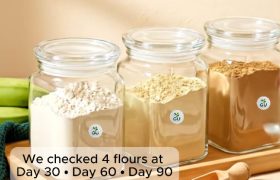
  • Micro-Batches: The Science of Aging Flour — Taste Tests Over 30, 60, 90 Days

    Micro-Batches: The Science of Aging Flour — Taste Tests Over 30, 60, 90 Days

    Flour is a kitchen staple – but have you ever wondered how its flavor and texture change over time? We did, and we put it to the test with our micro-batch flours. In this post, we share results from tasting our freshly milled Smooth Plantain Flour, White/Yellow Corn Flour, Instant Pap Powder (ogi), and Groundnut (Peanut) Flour at 30, 60, and 90 days after production. How long does each stay fresh, when do they start to decline, and what can you do to preserve that just-milled goodness? Let’s dive into the science of aging flour – and why micro-batches may be your new best friend for peak flavor and nutrition.

    Why Freshness Matters (The Micro-Batch Difference)

    There’s a reason your nose perks up at the smell of freshly milled flour – it’s packed with vibrant flavors and nutrients that can dull over time. It’s like comparing freshly ground coffee beans to month-old grounds: fresh is always better. The micro-batch approach means we mill in small quantities and ship quickly, so you get flour at its freshest. This is vital for health-conscious shoppers (to maximise nutrients and avoid stale oils) and budget-wise families (to ensure that every scoop you bought gets used, not binned). Even home cooks will notice the difference: freshly milled flours yield richer aromas and better texture in your swallows, bakes, and breakfasts.

    What actually happens as flour sits? Over time, flours – especially whole-grain or nut-based ones – gradually oxidise. The natural oils in the flour (for example, the germ oil in whole corn or the healthy fats in groundnut) slowly break down, which can lead to off-odors and flavors. An older batch of flour might develop a slight mustiness; as one expert puts it, old whole-grain flour can taste bitter or even metallic if the oils have gone rancid. Additionally, prolonged storage in less-than-ideal conditions can invite moisture or unwelcome pests, which nobody wants in their pantry. All of these factors underscore why freshness isn’t just a buzzword – it directly affects the quality of your food.

    Micro-batches, however, help sidestep many of these issues. By producing flours in small lots, we avoid long warehouse storage. Every package of Green Unison flour is packed at peak freshness and in airtight, food-grade pouches. This means when you open a new bag, you’re likely smelling the same wholesome aroma as on milling day. We also seal each pouch with an extra inner layer – you break the first seal to confirm safety and freshness on arrival, then reseal it to keep the flour fresh after opening. It’s our way of ensuring you enjoy that “just milled” experience, even if you don’t finish the pack immediately.

    Now, onto the fun part: taste-testing our flours as they age. We stored each flour under normal pantry conditions (cool, dry, and sealed between uses) and noted the changes (if any) at 30-day intervals. Here’s what we found:

    30 Days Post-Milling: Still Farm-Fresh

    At the one-month mark, all our flours were virtually as good as new. Thirty days is well within the typical shelf window for any flour, so this wasn’t a surprise – but it was reassuring to confirm.

    • Plantain Flour (Elubo Ogede) – After 30 days, the plantain flour’s color and aroma remained rich. The flour had the same fine, lump-free texture it had on day 1. When made into amala ogede (plantain swallow), it was smooth and had that subtle plantain sweetness we love. No “off” smells; just the usual earthy aroma. This flour is naturally low in fat, so it’s quite stable. A bowl of plantain porridge made with 1-month-old flour tasted identical to one made with a fresh batch. In short, if stored properly, 1-month-old plantain flour cooks and tastes fresh.
    • Corn Flour (White/Yellow) – Our whole-grain corn flour also showed no significant change at 30 days. The fine powder was dry and free-flowing. We made tuwo masara (corn swallow) to test it, and it set perfectly with a smooth, non-lumpy consistency (our finely milled texture helps with that any day). Flavor-wise, both white and yellow corn flour gave the same hearty, slightly nutty corn taste as they did initially. We noticed no stale or bitter notes at this stage. This aligns with expectations – maize flour is relatively low in oil content, so one month is nothing. (If you’re curious about making the perfect corn swallow, we have a detailed guide on how to prepare corn flour for swallow (tuwo masara) – technique matters, but using fresh flour gives you a head start on flavor!).
    • Pap Powder (Ogi) – Our instant pap (fermented corn) powder at 30 days was in great shape. Pap is often made from corn, fermented and dried, so it has some tanginess by nature. After a month, the tangy aroma was the same, with no sour or foul smell beyond the normal ogi scent. The powder had remained dry (thanks to the low-heat dehydration and airtight pouch). We made a warm pap porridge and found no difference in taste or thickness compared to a freshly opened pack. It still gave that comforting, creamy ogi flavor and set into a nice smooth pap in minutes. No signs of clumping or moisture – a good indicator that the packaging was doing its job.
    • Groundnut Flour (Peanut) – At 30 days, the groundnut flour smelled wonderfully nutty, as it did on day 1. This flour has more natural oil than the others, being essentially finely milled peanuts. Sometimes, peanut-based products can start to smell slightly “peanut butter-ish” or rancid if the oils oxidise, but we detected none of that so early on. The flour tasted rich and peanutty when we stirred it into a smoothie and when used to thicken a soup. Its proteins and fats were still in prime condition. We did start storing the opened groundnut flour in the fridge right after this test, as an extra precaution – our product instructions actually recommend refrigerating after opening to maintain best freshness. While a month at room temperature was fine, cooler storage can extend that fresh taste even further for this type.

    Bottom Line at 30 Days: All four flours were fresh in appearance, smell, and taste. Proper packaging and storage were key – we kept them sealed, in a dry cupboard away from sunlight. No mold, no bugs, no odd odors. This shows that buying flours in micro-batches and using them within a few weeks ensures you’re always cooking with vibrant, flavorful flour. In fact, many of our customers finish a 1 kg bag in well under 30 days, especially with how versatile these flours are in everyday cooking. If you’re using them for multiple meals (for example, our social media recently showed 3 quick ways to use corn, plantain, and groundnut flour in one day – morning bowl, afternoon swallow, evening pap), your flour might not even see day 30! But if it does, rest assured it’s still top-notch at this point.

    60 Days Post-Milling: Holding Strong, Minor Changes

    Two months in, we examined (and tasted) the flours again. At 60 days, all flours were still in good shape, with just the subtlest shifts noticed in the more sensitive ones:

    • Plantain Flour (Elubo) – By the 60-day mark, the plantain flour remained dry and fine. There were no visible changes (no discoloration or clumping). The aroma when opening the pouch was still mild and neutral (plantain flour isn’t very aromatic to begin with, unlike something like whole wheat). We made another batch of amala and some plantain flour pancakes. The amala texture was as smooth as ever, and if anything, we might say the flavor was slightly milder than a truly fresh batch – but in a blind taste test, an average person probably wouldn’t tell the difference. Importantly, there was no hint of staleness. We did notice the color of the flour remained a nice beige; if it were going bad, you might see it turning dull or grey. At 60 days, it was still appetising. So plantain flour at two months old, stored properly, gets a thumbs up from our home cooks.
    • Corn Flour – At this point, the corn flour (both white and yellow) was also doing well. The powder was free of lumps and weevils (thankfully!). When we mixed it into tuwo, it bound nicely. The flavor was still hearty, though we thought the corn aroma when you first add water was a touch less pronounced than a fresh batch. This could be us being very finely attuned; the difference was minimal. Corn flour does contain the whole grain (ours isn’t degermed), so by 2 months a bit of the corn’s natural oil in the germ could start to lose potency. But there was no “off” smell – no sourness or playdough odor (which rancid flour can have. We also used the corn flour in a baking test – making a rustic cornbread by replacing some wheat flour with our yellow corn flour. The result was excellent; the bread had a lovely aroma and crumb. If the flour had gone stale, the bread would taste dull or slightly bitter. We experienced none of that. So, 60-day corn flour still passes the baking test for flavor and performance.
    • Pap Powder (Ogi) – After 60 days, our pap powder remained reliably good. No clumps (sign of moisture) and no mold. We took a closer sniff and got the same gentle fermented fragrance as always. When prepared, the pap thickened normally and tasted authentic. One thing we kept an eye on was any increase in sourness – over-fermented or spoiling pap might turn too sour or smell alcoholic. At 2 months, that did not happen; the taste was consistent with a fresh batch of pap. We did store this powder very tightly sealed because pap (ogi) can easily absorb moisture from air (and moisture is its enemy if you want it shelf-stable). The resealable pouch did its job well. For context, traditionally wet ogi is often used within a week or two or kept frozen – but our dry pap powder is made to last much longer since it’s fully dried. Two months was no challenge for it. It’s still fast, easy pap on demand, with freshness intact.
    • Groundnut Flour – Here we began to see the first subtle signs of aging. By 60 days, when we opened the pouch (which we had been keeping in the refrigerator after the first month), the groundnut flour’s aroma was still nutty and pleasant. If it hadn’t been, we’d know – peanut flour that’s starting to go rancid would smell a bit like old peanuts or oil paint. Our noses picked up nothing bad. We did a taste test by licking a pinch of the raw flour (just a tiny bit) – it tasted fine: rich and peanutty, no bitter or waxy aftertaste. We then used it in two ways: as a soup thickener and in a banana-groundnut pancake batter. In both cases, the flavor came through as it should. However, compared to a freshly opened pack, the intensity of the peanut aroma might have been slightly reduced. Fresh peanut flour has a strong nutty punch; at 2 months, it was a tad mellower. This is natural, as some of the aromatic compounds dissipate over time. Importantly, no bitterness was detected (which would indicate oncoming rancidity). We’ll note that we kept this flour cool; at room temperature, high-fat flours like groundnut or almond can start declining faster. If you’re buying groundnut flour and plan to store it for several months, we advise transferring it to an airtight container and possibly refrigerating or freezing it to preserve those oils. At 60 days though, ours was still going strong in terms of safety and taste.

    Bottom Line at 60 Days: Two months in, quality remained high across all flours, with only very minor flavor softening in the case of corn and groundnut flours. Everything we cooked tasted great – a sign that the flours were still fresh enough not to negatively impact recipes. If you served dishes made with these 60-day-old flours to your family, they’d likely never know the difference. This is good news for those who buy in bulk or stock up – as long as you store things correctly, you have a comfortable window to use your flours. We do recommend, especially for health-conscious folks, to use whole-grain or nut flours sooner than later for maximum nutritional benefit (some delicate nutrients can degrade over time). But from a purely culinary perspective, 60-day-old micro-batch flour is practically as delightful as day 1.

    One thing to emphasize: storage, storage, storage! By the 2-month mark, if flour is not stored well, you could start seeing problems. For example, a poorly sealed bag can let in humid air (leading to moldy clumps) or pantry pests like weevils. We kept our test flours in their original Green Unison pouches, squeezing out excess air and sealing tightly after each use, and placed them in a cool cupboard. If you were to leave a bag open or in a damp area, your results will vary. At this point, a quick visual check (no bugs, no discoloration) and a sniff test (no sour or musty odor) before use is wise. Ours passed both tests with flying colours at 60 days.

    90 Days Post-Milling: When to Be More Watchful

    Three months after milling, we reached a critical checkpoint. Flour can have a long shelf life, but 90 days is around the quarter-way point of the typical storage lifespan for many flours. According to food safety research, flour generally starts to deteriorate around 3–8 months in storage(so 90 days is right at the lower end of that range). Here’s what we observed at the 90-day mark:

    • Plantain Flour – Our plantain flour at 90 days was still usable and safe, but we noted a slight staleness beginning to creep in. Visually, it looked the same – dry, light brown powder with no pests or mold. The difference was subtle and mostly in aroma. Upon opening the pack, the smell was neutral (which is okay) but had lost that faint sweet hint of unripe plantain that a freshly opened pack has. In a warm bowl of amala, we honestly couldn’t tell much difference in taste; it still made a perfectly satisfying swallow with good texture. Perhaps the flavour was a touch flat compared to a new batch, but nothing off-putting. We did a best-by check: our plantain flour is labeled for ~12 months unopened, 6 months after opening. We were at 3 months open, so within limits. It hadn’t “expired” in any official sense, but we could tell it was no longer at peak. If you have plantain flour nearing 3+ months since opening, we’d suggest using it up in recipes like pancakes, muffins or smoothies where any minor flavor loss is easily masked. Also, always check for little clumps or specks. Our batch had none, but clumps could mean moisture, and specks that move (yikes) mean bugs – in either case, time to toss it. Happily, we saw neither and could continue enjoying it, but we knew we were on the back end of its prime window.
    • Corn Flour – At 90 days, the corn flour also remained largely fine but with some notes to consider. The flour was still dry and free-flowing. One thing we did was a quick sieve test: we sifted a bit through a mesh to see if any weevil carcasses or eggs might be hidden (sometimes you don’t notice pests until you sift). Thankfully, nothing but flour passed through – a relief, meaning our airtight storage kept the flour beetles and moths out. In terms of smell, the flour had a mild cereal scent, perhaps lighter than before. Whole-grain corn flour has some fat from the germ; by 3 months, that fat can start to oxidize. We didn’t smell anything like the “crayon” or “play-dough” odor that truly rancid whole grain flour can emit, so we were clear on that front. Using 3-month-old corn flour in cooking yielded decent results: tuwo came out slightly less flavorful than with a fresh batch (corn’s natural sweetness can dull with time). We also fried some as a coating for fish – it still gave a nice crunch but we noted we had to season a bit more generously to get the same corn flavour pop. This hints that while the flour hadn’t gone bad, its flavour strength was fading. Nutritionally, it’s likely still providing the carbs and fibre, though possibly a tiny loss in certain vitamins by this age. We decided that if not used up by this point, it’s best to finish it soon. The flour’s official shelf life is around 6–8 months in the pantry, but quality-wise, 3 months is a good cut-off to ensure you’re still enjoying it. We’d also move any remainder to the fridge or freezer at this stage to prolong its life (just bring it back to room temp before using, to avoid lumps.
    • Pap Powder (Ogi) – Three months in, our pap powder was the one we were most vigilant about, because any moisture sneaking in could spoil it. We examined the powder closely: still a fine off-white powder, no discoloration (mold on pap would show as dark patches or an orange tint sometimes). The smell test: it had a slightly less sharp sour aroma than a fresh batch, interestingly. Possibly some of the natural sour notes mellowed as the powder aged. There was no foul odor – which is key, because a bad smell would mean throw it out. We made a small bowl of pap to double-check performance: it took a tad longer to thicken than initially (maybe because the powder had absorbed just a bit of ambient humidity over time, needing extra heat to gel). But it did thicken and set into a nice pap/akamu. Taste-wise, it was still enjoyable – a warm, comforting custard. We did notice we wanted to add a bit more milk and sweetener than usual; perhaps the pap’s flavor wasn’t as vibrant, or maybe we were just overanalyzing. The takeaway: 90-day pap powder was okay to consume and tasted fine for most practical purposes. However, at this age, we strongly advise checking it visually each time before use. Any moldy clumps or “off” smells (or the presence of pantry bugs) are a no-go. In our case, the pap powder remained clean. Nonetheless, since pap is something often given to babies or consumed for its probiotic benefits, one might prefer it fresher. We’d say using our pap powder within 3 months of opening is ideal to enjoy its full authentic taste. Technically, it can last longer (unopened pap powder is good for about a year, and 6 months opened, but quality is highest in those first few months.
    • Groundnut Flour – Finally, our groundnut flour at 90 days: this was the critical one due to those natural oils. We had stored it chilled after month 1, which definitely helped. Upon retrieving it for the 3-month test, we let it come to room temperature (to avoid condensation). The look was unchanged – a light brown, powdery flour. No visible oil separation (sometimes you can see tiny oil beads in high-fat flours if they start going bad). We gave it a good sniff: there it was – the first hint of that “old peanut” smell. It was faint, not a full-blown rancid odor, but we could tell the flour was not as fresh. If at 30 days it smelled like freshly roasted peanuts, at 90 days it smelled more like peanut butter that’s been open a while – still nutty, but a bit subdued with a whisper of waxiness. We tasted a pinch and noted a slight bitterness on the back of the tongue that wasn’t there before. This is the tell-tale sign that the oils are on the verge of rancidity. Now, it’s worth noting: rancid flour isn’t immediately harmful in small amounts, but it definitely isn’t pleasant or healthy to consume regularly. We wouldn’t bake a cake with 3-month-old groundnut flour that has started to turn – the whole cake could taste off. In our test, the flour was just at the cusp; we decided it was still usable for non-delicate uses. For example, we stirred some into our morning oats with honey – and it was okay, the honey masked any slight bitterness. But using it in a plain pancake, we noticed the flavor wasn’t as delightful as it should be. Given this result, we concluded that around 3 months is when groundnut flour typically goes downhill in the Nigerian climate if not frozen. It’s in line with general advice that higher-fat flours spoil closer to the 3–4 month mark at room temp. Because we extended its life via refrigeration, we squeezed a bit more time out, but even so, 90 days was pushing it for peak quality. If you ever open your peanut/groundnut flour and it smells sour, musty, or like old crayons, or tastes bitter, it’s time to chuck it (or compost it) – don’t try to save a bad flour. In our case, we pre-emptively decided to transform the remainder into a cooked paste (like a quick groundnut soup) and then froze that, rather than keep the raw flour longer.

    Bottom Line at 90 Days: Three months after production, our flours were largely still safe and mostly palatable, but some were past their prime in flavor. Plantain and pap flours held up the best, continuing to perform well with minimal quality loss. Corn flour was alright but starting to lose its flavourful edge. Groundnut flour was on the verge of decline – edible, yet not as pleasant as we’d like. Essentially, 90 days is a good checkpoint to either use up or renew your stock. If you have flour that’s been sitting for 3+ months, do a thorough check: look, smell, and if those are okay, even taste a tiny bit raw. Fresh flour has very little taste; bad flour tastes bitter or “off”. As one food expert notes, “Old flour can taste bitter or metallic… better to trash that flour than ruin your recipe”. We agree – when in doubt, it’s not worth a ruined pot of soup or batch of swallow (or an upset tummy).

    By this time, you might also encounter pests if your storage wasn’t airtight. Those “tiny visitors” like flour beetles (weevils) or pantry moths can infiltrate even dry-looking flour. They often come in as microscopic eggs from processing or packaging and hatch later. If you ever find small bugs in your flour at any age, it’s best to discard it. The good news: using sealed, thick packaging (like our pouches or your own airtight jars) can prevent infestations by keeping bugs out (and any that were in, trapped). We strongly recommend, especially in our climate, to store flour in airtight containers – not just folded in a paper sack. In our tests, the integrity of our packaging clearly prevented any pest issues even at 90 days. For extra caution, you can freeze new flour for a few days after purchase to kill any possible insect eggs, then store it in a jar. We didn’t need to in our case, but it’s a handy tip for long-term storage.

    Flour Shelf Life by Type (and Maximising Freshness)

    From our micro-batch experiment and general food science, here’s a quick rundown of how long these flours typically stay fresh and what affects that:

    • Plantain Flour: Shelf life is about 12 months unopened, 6 months once opened if stored well. It’s low in fat, so it doesn’t go rancid easily. The main risks are moisture (which can cause mold) and pests. Keep it sealed and dry. In practice, as we saw, quality is top-notch for at least the first 2–3 months, and still usable up to 6 months. Beyond that, you might notice it’s harder to rehydrate smoothly or a stale odour might develop. Always reseal after each use – the pouch is resealable for this reason.
    • Corn Flour (Wholegrain): Also roughly 12 months sealed, ~6 months. Because ours is wholegrain, it contains the germ oils; those oils can shorten the optimal period compared to refined cornmeal. Store corn flour in a cool, dry place, and consider refrigeration after opening if you won’t use it within 3-4 months. It will stay safe for longer, but the flavor may degrade. If it smells musty or no longer has that corn sweetness, it’s past its best. Use clean, dry scoops to avoid introducing moisture or contaminants. Pro tip: Split large packs into smaller airtight jars – each time you open, you expose only a portion of the flour to air. (And if you love corn flour, check out our recipe for fluffy corn-flavoured pancakes – using fresh corn flour makes them extra fragrant!
    • Pap Powder (Ogi/Akamu): Unopened, up to 12 months; after opening, we suggest 3–6 months for best quality (though it may last longer). The key is zero moisture – even a wet spoon can ruin a whole pack of pap. Always use a dry spoon and seal it immediately after scooping. Because pap is fermented, it has some natural preservation (the acidity deters some microbes), but if water gets in, mold can grow. You’ll know if it’s off: moldy pap smells truly foul. Otherwise, it can actually smell sour by nature, so go by any change in smell or appearance. Some folks refrigerate pap powder; it’s not required, but it can’t hurt, especially in humid seasons. If you notice the pap takes much longer to set or doesn’t taste right, it might have aged – time for a fresh pack.
    • Groundnut Flour: Unopened ~12 months, but once opened, use within ~3 months for peak quality, or 6 months max if kept refrigerated. This flour is the most sensitive of the lot. The natural oils in peanuts can oxidize and go rancid relatively quickly at room temperature. You’ll first notice a slight bitter or “crayon-like” smell when it’s starting to spoil. To maximise its life: keep it airtight (absolutely no air exchange if possible), and store it cold. We recommend transferring groundnut flour to a jar and popping it in the fridge or freezer right after opening if you won’t finish it in a month. In the freezer, it can easily last 6+ months without quality loss (just let it thaw to room temp before opening the container, so no condensation forms). As we saw, even refrigerated, by 3 months we were hitting the limit on taste. So smaller quantities bought more frequently (micro-batches!) will give you the best experience. And hey, if you find you have a lot nearing its date, you can turn it into a quick groundnut soup or sauce – cooked groundnut won’t spoil as quickly as the raw flour.

    Factors influencing freshness: Beyond time itself, remember these key factors that determine how long your flour stays fresh and tasty:

    • Packaging – The initial packaging matters a lot. All Green Unison flours come in sealed, multilayer pouches that keep light, air, and moisture out. This gives you a head start on shelf life. Once opened, continue to keep them in a similar protective environment. If the original pouch gets damaged, move the flour to an airtight container immediately. Avoid thin plastic bags – believe it or not, insects can chew through flimsy bags, and bags don’t fully prevent humidity exchange. A screw-top jar or quality plastic container is better if not using the original pouch.
    • Storage Conditions – Heat and humidity are the enemies. Store flours in a cool, dry place (for example, a cupboard away from the stove or sunlight). In Nigeria’s climate, that often means finding the least humid spot in your kitchen. You can even put a food-safe moisture absorber (like a silica gel packet meant for pantry use) near your stored flours if humidity is a big issue. Also, strong light can cause some nutrient breakdown – another reason our pouches are opaque. If your kitchen is very hot, consider refrigeration for all flours, not just groundnut, to extend their life. Just ensure they’re sealed to avoid absorbing fridge odors.
    • Flour Type – As discussed, different flours have different compositions. White/refined flours (not in our case, but e.g. white wheat flour) last longer because the oily germ and bran are removed, leaving mostly starch. Wholegrain flours (like our corn flour and pap) have more nutrients but shorter peak life due to oils. Nut flours (groundnut) have the highest oil content and thus the shortest life before quality dips. Root/tuber flours (like plantain) are mostly starch and fibre, with low fat – they tend to be quite shelf-stable if dry. Knowing this, you can prioritise which to use first. For example, if you buy both plantain and groundnut flour today, plan to finish the groundnut flour sooner or store it extra carefully.
    • Cleanliness – Always use clean utensils to scoop your flour. Introducing crumbs, dampness, or other food particles can invite bacterial or mold growth. It might sound trivial, but a breadcrumb in a jar of flour over weeks can grow mold that then spoils the flour. We often tell customers: treat your flour like a food, not just an ingredient – it can spoil. Good handling practices will keep it fresh longer.
    • Best By vs. Actual Freshness – Our products have best-by dates (usually 6-12 months out) and those are conservative estimates for unopened packs. Flour can technically remain safe beyond those dates if stored perfectly, but the quality and nutritional value diminish. One rule of thumb: flour doesn’t suddenly “die” the day after its best-by date. If it’s been stored properly, you can inspect and use your judgment. We’ve heard from some resourceful cooks who revive slightly older flour in non-critical uses (like frying batter or gravy) as long as it passes the sniff/taste test. However, for something like baking or where flour is a main flavor, fresh is always best. Given that most flours are affordable, it usually isn’t worth holding on to old stock – better to buy in quantities you’ll use in a few months, i.e., micro-batches, which brings us back full circle!

    Keeping Your Flour Fresher for Longer: Tips & Tricks

    To wrap up, here are practical tips to ensure your flours stay as fresh as the day they were milled – helping health-conscious shoppers get the most nutrients, budget-conscious families avoid waste, and home cooks achieve consistently delicious results:

    • Buy in Micro-Batches: Rather than buying a year’s supply of flour that sits around losing potency, buy smaller packs more frequently. Our shop offers sizes like 500g or 1kg – which for most households will be used up in a month or two. This way, you’re always working with fresher flour. It might feel convenient to bulk-buy staples, but with flour, less can be more in terms of quality.
    • Use Original Airtight Packaging or Equivalents: Upon purchase, our flours come vacuum-sealed or tightly packed. After opening, squeeze out excess air and zip the pouch securely. If the pouch has no zip or you prefer jars, transfer the flour to an airtight container that no air or pests can enter. Glass jars with rubber gaskets or good plastic canisters work well. Label them with the opening date so you can keep track of age. Remember that pantry pests can’t penetrate solid sealed containers – and you also prevent your flour from absorbing odours or moisture this way.
    • Cool, Dark, Dry Storage: We’ve said it before, but it bears repeating. Humidity is high in many parts of Nigeria, especially during the rainy season – that’s when you’ll want to be extra vigilant. Store flours off the ground (pantry shelves are great) and away from sources of heat like your cooker or direct sun through a window. If you have AC or a dehumidifier in a store room, that’s an ideal spot. Even a lidded plastic bin or cooler box can create a more controlled environment for your dry goods. For those in very hot regions, consider keeping a small stock of flour in the fridge or freezer and the rest in the pantry, refilling your pantry jar from the frozen stock as needed.
    • Freeze for Long Storage: Freezing flour is a well-kept secret. It can significantly extend shelf life and also kill any potential insect eggs. If you buy multiple packs or grind your own flour, store the excess in the freezer. Flour won’t freeze solid (too dry), but the cold keeps it fresh. When using frozen flour, let the container sit out until it reaches room temp before opening, to avoid condensation wetting the flour. This technique is especially useful for groundnut flour or rare flours you use occasionally.
    • First In, First Out (FIFO): Use older flour before newer ones. If you purchase a fresh batch, don’t mix it on top of an older batch in a jar – finish or remove the old one first. This rotation prevents the scenario of discovering a 1-year-old packet that got buried in the back. It also ensures you’re always cooking with reasonably fresh product. Many families keep two jars: one in use, and one backup sealed for when the first is done – rather than opening both.
    • Trust Your Senses: Ultimately, your nose and eyes are great at judging flour. Give stored flour a sniff each time you use it. It should smell neutral or slightly nutty/sweet depending on the type. Any sour, chemical, or strange strong smell is a red flag. Feel the texture: it should be loose and powdery. If it’s caked or has cobwebby clumps, there’s likely mold or insects. Don’t try to salvage it – bin it. It’s better to lose a bit of flour than risk ruining a whole meal or your health. When in doubt, do a test: cook a small pancake or mix a teaspoon of flour in warm water and taste. If it tastes fine, you’re good to go. If it yields any bitter or “off” flavor, time to replace it.
    • **Keep Flour **Bug-Free: As an extra measure, some people like to add a bay leaf or dried chili to flour containers as a traditional repellent for bugs (there’s mixed evidence on effectiveness, but it might help). More scientifically, as mentioned, freezing newly bought flour for 72 hours can eliminate any insect eggs from the factory or market. We ensure our production is clean and we haven’t seen any infestations on our end, but once it’s in your kitchen, other food items can cross-contaminate. Keeping a tidy pantry and using airtight storage is the best prevention. Should you ever find an infestation in one item, check all other nearby items – those pests spread.

    By following these tips, you can extend the life and quality of your flours, saving money (no more tossing out half-used bags) and ensuring every recipe comes out as delicious as possible. Fresh flour not only tastes better but also can have more nutritional value – for instance, freshly milled whole grains retain more vitamins and antioxidants, which degrade over time. So, your commitment to freshness is also a commitment to better nutrition for your family.

    Conclusion: Savor the Freshness of Small-Batch Flours

    Our 30-60-90 day flour experiment highlights one key message: fresh flour makes a difference you can taste. While properly stored flour can stay usable for many months, the peak flavors and textures shine in those first few weeks after milling. That’s exactly why Green Unison champions micro-batches – by milling in small quantities, we deliver flour that reaches you faster and fresher, so you can enjoy it at its best.

    Whether you’re a health-conscious shopper mindful of nutrient loss, a budget-focused parent who hates wasting food, or a home cook whose pride is serving tasty meals, using fresher flour is a win-win. You get full flavor, maximum nutrition, and minimum spoilage. Our micro-batch ethos isn’t just a gimmick; it’s rooted in science and sustainability. We’d rather mill more often and sell just enough, than mill a ton that sits around. It ensures quality control at every step – from the farm in Ogun State where our grains and plantains grow, to the low-heat drying and fine milling we perform, to the careful packaging that locks in freshness.

    So the next time you open a bag of Green Unison flour, breathe in that subtle fresh aroma and feel confident that you’re starting your recipe with a solid foundation. Whether it’s a nourishing breakfast pap, a family dinner of swallow with soup, or a batch of pancakes for a weekend treat, you’ll notice the vibrant taste that fresh flour brings. No more “funny aftertaste” or dense, odd-smelling bakes that old flour can cause – just wholesome, natural goodness. As we often say, “Nature’s best, enjoyed fresh.”

    Ready to put this into practice? We invite you to try any of our all-natural flours and feel the difference yourself. You can shop these products on our website or even via WhatsApp for convenience. For instance, check out our Flours section online to order Smooth Plantain Flour for a gluten-free amala, or Silky Corn Flour to elevate your baking and swallows. We also have the Instant Pap Powder ready for your next hearty breakfast, and the Groundnut Flour for those protein-rich additions to meals (when it’s fresh, it’s incredibly flavorful!).

    Feel free to reach out to us if you have any questions about storing your flours or want to share your own tips. We love hearing from our Green Unison community – after all, our mission is to make natural, healthy living easy and joyful for you.

    📞 Quick Order or Inquiry

    Interested in trying a micro-batch flour or need a refill? We’ve made it super easy for you:

    • WhatsApp Catalog: Browse and order through our WhatsApp catalog with a simple tap: View Products on WhatsApp. You’ll find all our flours there with current prices. 🛍️
    • Chat with Us: Have a question or ready to place an order directly? Chat with a Green Unison representative on WhatsApp: Chat Now. Just say hi and let us know what you need – we’re here to help (fast response guaranteed!). 💬

    We deliver nationwide, with same-day pickup in Iperu Remo and fast delivery to Lagos & Ibadan, so fresh flour is never far from your kitchen.

    Join the micro-batch revolution and cook with confidence, knowing your ingredients are fresh, natural, and handled with care from farm to packaging. Your taste buds (and your family’s smiles at dinnertime) will thank you!

    Live green, eat fresh, and enjoy every meal. 🌱🥘 Thank you for reading, and happy cooking!

    References: The insights above are backed by food science and our hands-on tests. For further reading on flour shelf life and storage, you may check resources like Healthline’s guide on flour expiration, expert tips from Food Republic on signs of flour spoilage, and our own product pages which detail storage recommendations. Stay informed, stay healthy!

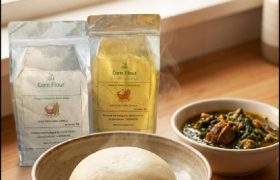
  • 5 Healing Herbs to Spice Up Your Comfort Food

    5 Healing Herbs to Spice Up Your Comfort Food

    When it comes to comfort food, a little sprinkle of herb can do more than add flavor – it can add comforting benefits, too! 🌿 In this guide, we explore five healing herbs you can easily use in your everyday meals. These herbs not only make your kitchen smell divine, but also may help soothe common troubles like indigestion, stress or the sniffles (all without forcing anything – just good food and nature’s touch). Grab a warm seat and let’s cook for comfort!

    1. Peppermint – Soothe Digestion with a Fresh Twist

    Why it comforts: Peppermint is famous for calming an upset stomach. In fact, there’s science behind that after-dinner mint ritual – peppermint can relax stomach muscles and improve bile flow, easing indigestion. The menthol in peppermint also works as a gentle decongestant, which is why a steamy cup of peppermint tea feels so good when you have a cold. It’s a win for tummy comfort and stuffy noses!
    How to use: Brew a cup of peppermint tea using our food-grade Dried Peppermint Leaves as a soothing after-meal drink. You can also chop a few Dried Mint Leaves into a cucumber salad or yogurt raita – the cool flavor refreshes the palate and aids digestion. If you’re feeling adventurous, drop a leaf into your morning smoothie or zobo drink. The key is to start with a small pinch, taste, and add more if needed. Peppermint is potent, so a little goes a long way in cooking. (Ever wonder why peppermint candy is offered after heavy meals? Now you know – it’s not just tradition, it’s tummy care in disguise! 😊)

    2. Sweet Basil – Stress Relief in a Stew Pot

    Why it comforts: Sweet basil (the same “scent leaf” many of us know and love) isn’t only for jollof rice aroma – it’s also packed with antioxidants and anti-inflammatory compounds that support wellness. Some studies even suggest basil’s natural oils (like eugenol) can help reduce stress and anxiety levels. No, it’s not a magic cure for a bad day, but the ritual of cooking with basil – and the soothing scent it releases – can have a calming effect. Think of that whiff of fresh basil in hot soup; it practically feels like self-care.
    How to use: Stir a pinch of Dried Sweet Basil into your tomato stew or pepper soup towards the end of cooking (too much heat can diminish its flavor). The herbal note brightens rich dishes and might just help your nerves unwind after a long day. Pro tip: 1 teaspoon of dried basil ≈ 1 tablespoon fresh:contentReference[oaicite:8]{index=8}, so you don’t need much for that classic aroma. Basil is also great in non-Nigerian comfort foods: sprinkle it on homemade pizza, creamy pasta, or even make a quick basil tea (steep 1–2 teaspoons in hot water for 5 minutes) for a caffeine-free evening drink. The aroma therapy you get while chopping or infusing basil is a bonus dose of comfort!

    3. Lavender – A Little Calm in Your Cookies (or Cup)

    Why it comforts: Lavender is well-known for its relaxing scent – think aromatherapy oils and spa days. But can you cook with it? Absolutely – with a few pointers. Lavender contains gentle compounds that are traditionally used to ease stress and improve sleep (ever tried a lavender pillow spray?). In food, it can impart a soothing floral note that feels as calming as it tastes. However, many people worry: won’t my food taste like soap or grandma’s perfume? The good news: if you use culinary lavender and use just a little, your dishes will be enchanting, not overwhelming. The rule of thumb is “less is more” – dried lavender buds are about 3 times more potent than fresh, so start tiny and adjust:contentReference[oaicite:9]{index=9}. When done right, lavender adds a unique cozy warmth to sweets and drinks.
    How to use: Use edible dried lavender (like our locally grown Dried Lavender) in very small quantities. For instance, add a pinch of crushed lavender to a batch of cookie or shortbread dough – you’ll get a light floral hint that pairs beautifully with vanilla and citrus. 🍪 Or steep 1/2 teaspoon of lavender with your tea leaves to make a fragrant lavender tea (excellent with honey at bedtime). You can even infuse lavender in warm milk for a relaxing nightcap. Remember, because of lavender’s strength, it’s wise to start small and taste as you go. The goal is a hint of lavender; too much and you’ll go from comforting to cough syrup. Used sparingly, though, lavender can turn simple foods – like lemonade, hot cocoa, or even zobo – into a calming ritual. And yes, it’s completely safe to eat in these small amounts. So don’t be scared to try it in the kitchen – just follow your nose and your taste buds (they’ll tell you when it’s enough!).

    4. Lemongrass – Warming Relief for Cold Days

    Why it comforts: Lemongrass (known as “citrus grass” by some) brings a bright lemony flavor and a slew of traditional benefits. It’s popularly used in teas for anxiety relief and better sleep, and it contains compounds that fight inflammation:contentReference[oaicite:12]{index=12}. In folk medicine, lemongrass tea is a go-to for when you’re feeling under the weather – it can help reduce bloating and calm the body, almost like a natural mild sedative. Ever had a soothing cup of fever grass tea in grandma’s kitchen? That’s lemongrass working its magic, easing your tension and aiding digestion at the same time. It’s the definition of a comfort drink.
    How to use: Our Dried Lemongrass Leaves are perfect for brewing tea. Just steep a teaspoon in hot water for 5-10 minutes, strain and sip – you’ll notice how the citrusy aroma instantly “opens” your senses and relaxes you. 💆🏾‍♀️ You can add ginger or mint to the cup for extra flavor and cold-fighting power. Beyond tea, drop a piece of lemongrass in your pepper soup or chicken broth while it simmers – it lends a subtle fragrance that can lift your spirits, especially on a chilly evening. (Remove the lemongrass before serving, like you would a bay leaf.) Because lemongrass has those calming properties, a warm soup infused with it does double duty: it comforts you with heat and helps you unwind. Fun fact: The same natural oils in lemongrass that relax you are also great for skin and can even repel mosquitoes – but we’ll stick to culinary comforts here! Enjoy the gentle zest lemongrass brings, and breathe easy with each sip and spoonful.

    5. Indian Borage – Nature’s “Invisible Mentor” Herb

    Why it comforts: Indian Borage (sometimes called Cuban oregano or locally, a form of “effirin” in Yoruba) is a powerhouse of traditional remedies packed into one fuzzy leaf. This humble herb has a long history in grandma’s arsenal: it’s been used for chronic coughs, sore throats, and even skin soothing. In places like India and across Africa, people chew the leaves or drink the tea to help with persistent cough and bronchitis. The leaves are rich in anti-inflammatory properties, which might explain why they’re used to relieve asthma symptoms and ease chest congestion. Think of Indian borage as that quiet friend in the background, ready to step up when you’re feeling congested or run-down. It’s not as famous as peppermint or ginger, but it’s cherished as an “emergency herb” for good reason.
    How to use: Try adding a couple of Dried Indian Borage leaves to your cooking – its flavor is like a bold mix of mint and oregano, so it pairs well with meat and poultry dishes. For example, drop one leaf into your chicken pepper soup or goat meat stew as it cooks, then remove before serving (the same way you’d use a bay leaf or scent leaf). It gives a robust, herbal depth to the broth. You can also make a simple herbal steam to clear your nose: pour boiling water over a few borage leaves in a bowl, drape a towel over your head and inhale the steam (carefully). The menthol-like vapors can help open up nasal passages – a comforting relief when you’re bunged up with a cold. If you have fresh leaves, you might even chew on one for a cough (it’s strong, but generations swear by it!). And as always, moderation is key: one or two leaves are plenty to “do the job” – remember, with herbs it’s about gentle consistent support, not heavy doses. Indian borage proves that sometimes the lesser-known ingredients in our pantry carry the biggest comfort surprises!

    Bonus Tips for Cooking with Healing Herbs

    • Start Small, Adjust to Taste: When using potent herbs (👋🏽 hello lavender and Indian borage), begin with a tiny amount. You can always add a bit more, but you can’t undo an overpowering flavor. As one cooking guide says, “less is more when it comes to lavender” in recipes – and this wisdom applies to any strong herb. Your taste buds will guide you, so sprinkle, stir, and sample as you cook.
    • Pair with Comfort Classics: Incorporate these herbs into familiar comfort dishes. Making jollof rice? Toss in a bay leaf and a pinch of basil at the end for aroma. Craving hot chocolate? Try steeping it with a dried peppermint leaf for a minty twist. Because the goal is comfort, you don’t need fancy new recipes – just boost the ones you already love.
    • Quality Matters: Use culinary-grade, dried herbs from trusted sources. (Avoid grabbing potpourri lavender from a craft store, for example – it might be treated with chemicals 🫢.) All the herbs mentioned above – peppermint, basil, lavender, lemongrass, borage, etc. – are available in our shop in dried, food-safe form, grown and prepared with care. Quality dried herbs ensure you get the flavor and the benefits without any unwanted additives.
    • No Wild Health Claims: Enjoy the gentle health boosts these herbs offer, but remember they’re not medicines. Think of them as nature’s little helpers. A cup of lemongrass tea might relax you, but it’s not a prescribed sedative – and that’s okay! Embrace the comforting ritual and the possible relief it brings, with no pressure. Always listen to your body (and of course, consult a doctor for serious ailments). Herbs support a healthy lifestyle; they don’t replace professional care. 💚

    Comfort and Care, Served Naturally

    Cooking with healing herbs is like getting a warm hug from nature with your meal. By infusing your favorite comfort foods with peppermint, basil, lavender, lemongrass, or Indian borage, you’re layering in extra love and care. The next time you’re brewing that chicken pepper soup or baking those biscuits, reach for one of these herbs in your pantry. You’ll not only delight your senses but also tap into age-old wellness traditions that have comforted people for generations.

    Ready to give it a try? You can get high-quality, dried herbs delivered to your doorstep – browse our WhatsApp catalog for all the herbs mentioned here. We’ve got everything from mint to lavender in stock, carefully dried to lock in their goodness. If you need a friendly nudge or a custom recommendation, we’re just a chat away – chat with us on WhatsApp and let’s talk about which herb might become your new kitchen hero. We’re happy to help you pick, order, and even share more recipe ideas. 😉

    Cook, taste, and enjoy the comfort that nature offers. Sometimes, a pinch of healing is all you need to turn a good meal into a great one – for your body and soul. Happy cooking and take care! 💚🌱

    Content reviewed for accuracy and sourced from trusted references. All tips are for general wellness and enjoyment – no medical claims here, just delicious, time-honored habits*.

    (Tags: HealingHerbs, ComfortCooking, HerbalRemedies, NaturalFlavors, HealthyLiving)
    (Categories: Herbs & Spices; Wellness Tips; Recipes)

  • Your Flour & Pap Powder Care Guide: How To Beat Weevils, Moisture And Bad Smells

    Your Flour & Pap Powder Care Guide: How To Beat Weevils, Moisture And Bad Smells

    Keep your plantain, corn, pap and groundnut flours fresh, bug-free and smelling clean with simple flour storage habits that work in warm, humid kitchens.

    Have you ever opened your bag of flour to make a quick meal — maybe a bowl of creamy ogi or soft amala ogede — and instead met tiny insects or a strange smell? 😖 It is a common pantry problem in warm, humid climates where unsealed flour easily becomes a weevil playground or starts to clump and smell off.

    The good news: with a few simple habits, you can beat weevils, moisture and bad smells and get the best out of your Smooth Plantain Flour (Elubo Ogede) , Silky White/Yellow Corn Flour , Instant Pap Powder (Ogi/Akamu) and Finely-ground Groundnut Flour .

    This guide breaks everything down in plain language, so every scoop from your pantry still feels fresh and safe.

    What Makes Flour Go Bad?

    Flour looks dry and harmless, but three quiet enemies can spoil it if we are not careful: insects, moisture and air.

    • Pantry weevils (flour bugs) — Tiny brown beetles that love grains and flours. They often arrive as invisible eggs inside the grain or flour. Once they hatch, they turn your bag into a home and food source.
    • Moisture and mould — Flour absorbs moisture from the air. In a humid kitchen, that moisture can turn into soft clumps and eventually mould. Mouldy flour may show fuzzy spots or develop a musty odour.
    • Air and rancidity — When flour, especially one with natural oils such as groundnut flour, sits open for too long, oxygen slowly breaks the oils down. This process (oxidation) leads to a sharp, stale or paint-like smell and an unpleasant taste.

    The key to good flour care is simple: keep bugs out, keep moisture out, and limit air contact. The next sections show exactly how to do that at home.

    Beat the Bugs: How to Keep Weevils Out of Your Flour

    Nobody enjoys discovering “extra protein” in their pap or swallow. Here is how to keep weevils far away from your flour shelf.

    1. Move flour into airtight containers

    After opening any pack of flour, do not just roll the top and hope for the best. Pour it into a clean, airtight container or keep it in the original resealable pouch, squeezing the air out before sealing.

    Good options include:

    • Glass jars with tight lids
    • Food-grade plastic containers with snap lids
    • The original Green Unison resealable pouch zipped properly after each use

    Airtight containers make it harder for insects to crawl in and also stop any eggs that might already be present from spreading around your pantry.

    2. Use the freezer trick for new flour

    One science-backed tip used in many kitchens worldwide is simple: freeze your new flour for a few days after you buy it.

    When you bring home a fresh bag of:

    place the sealed bag in your freezer for around 3–5 days. Deep cold helps to stop any hidden insect eggs from surviving long enough to hatch. After freezing, let the bag come back to room temperature before you open it, so condensation does not form inside.

    3. Keep shelves clean and crumbs away

    Weevils and other pantry pests love leftover grains or crumbs. If there is spilt flour in your cupboard, it acts like a free buffet.

    Make it a habit to:

    • Wipe and sweep shelves regularly
    • Clean up any flour spills immediately
    • Check corners and cracks — vacuum or wipe them, especially if you have had bugs before

    A clean pantry makes it harder for pests to settle in or move from one food item to another.

    4. First in, first out

    Try not to forget half-used bags at the back of the cupboard. The longer flour sits, the more time insects have to appear.

    Use a simple rule: first in, first out. Finish older flours before newer ones and label containers with the date you opened them so you can keep track.

    Keep It Dry: Protect Your Flour from Moisture and Mould

    Moisture is one of the quickest ways to ruin flour. Once water gets in, clumps, mould and sour odours are not far behind.

    1. Choose a cool, dry cupboard

    Keep flour on a shelf that is:

    • Away from the cooker, kettle and steamy pots
    • Away from the sink or any leaks
    • Not directly against a damp wall

    A cool, dry, dark cupboard is best. Warm, humid air speeds up spoilage and encourages mould growth.

    2. Seal properly after every use

    Each time you scoop flour, close it back immediately. If the flour stays open while you cook, steam and moisture can easily get inside the bag or container.

    Simple habits:

    • Use only clean, dry spoons (no wet cups or damp hands)
    • Close the zip on the pouch all the way to the end
    • Check that container lids are really tight

    3. Be careful with the fridge or freezer

    The fridge or freezer can help with freshness, especially for groundnut flour, but only if the flour is stored in an airtight container.

    If a container is not tightly sealed, cold air can cause condensation when you bring it back to room temperature, and that moisture can sit directly on your flour.

    So if you refrigerate any flour:

    • Use a proper airtight jar or bag
    • Let the container come back to room temperature before opening it

    Fresh, Not Funky: Prevent Bad Odours and Rancidity

    A quick sniff is one of the easiest ways to check flour quality. Fresh flour has a mild, neutral or lightly nutty smell. Spoiling flour usually tells on itself.

    1. Understand shelf life

    The exact shelf life depends on how much natural oil is in the flour:

    • Smooth Plantain Flour & Silky White/Yellow Corn Flour are relatively low in oil. Properly stored, they usually keep their best quality for several months after opening.
    • Instant Pap Powder is completely dry but should be kept bone dry so the fermented grains do not pick up extra moisture.
    • Groundnut Flour contains plenty of natural peanut oil. That oil is great for flavour, but it also means the flour can turn rancid faster if left in heat or light.

    Always check the best before date on the pack and aim to finish an opened pack within a few months for the best aroma and taste.

    2. Chill high-oil flours for longer freshness

    For flour with more natural oil, such as Groundnut Flour , the fridge or freezer can slow down rancidity.

    Simple approach:

    • Store groundnut flour in an airtight container in the fridge after opening if you want it to stay fresh beyond 2–3 months.
    • For very long storage, keep it in the freezer, also airtight, and bring out only what you need.

    Remember to let the container reach room temperature before opening to avoid moisture forming inside.

    3. Keep flours away from strong smells

    Flours quietly absorb odours from their environment. If you keep them next to very strong spices, cleaning products or kerosene, they can pick up strange flavours.

    Give your flours their own corner, away from:

    • Very strong spices (like curry mixes, stock cubes and dried fish)
    • Chemicals or detergents
    • Anything with a strong smell

    A dedicated flour section helps every bag stay neutral and versatile.

    4. Always do a quick check before using

    Before you cook, take a moment to:

    • Look: Does the flour look normal? No unusual colours, no visible mould, no insects?
    • Smell: Does it smell fresh and mild? Any sour, bitter, musty or paint-like odour means it is time to throw it away.
    • Feel: Is it loose and powdery? Hard lumps or dampness suggest moisture problems.

    When in doubt, it is safer to discard and start with a fresh pack. No recipe is worth using spoiled flour.

    How to Care for Each Green Unison Flour

    Here is a quick, practical guide for the four flours most people keep in their pantry.

    Smooth Plantain Flour (Elubo Ogede)

    Smooth Plantain Flour is made from gently dried, finely milled unripe plantain slices. It is naturally gluten-free and grain-free, perfect for instant amala ogede, thickening soups, baby foods and even some baking.

    • Store unopened packs in a cool, dry cupboard.
    • After opening, keep in the resealable pouch or an airtight container.
    • Use a clean, dry scoop every time — no wet utensils.
    • Try finishing an opened pack within about 6 months for best quality, following the pack storage advice.

    For cooking inspiration, you can pair this storage guide with your earlier reading on recipes, then come back and store your flour like a pro.

    Silky White/Yellow Corn Flour

    Silky White/Yellow Corn Flour is finely milled for smooth, lump-free tuwo masara and other dishes. Because it comes from whole maize, it contains natural oils and should be treated with care.

    • Store in a cool, dry cupboard away from direct heat.
    • Keep tightly sealed after every use to keep out bugs and moisture.
    • If you buy in bulk and know it will sit for a while, consider refrigerating a portion in an airtight container.
    • Use older stock first so nothing stays forgotten for too long.

    Want to perfect your swallow technique as well as your storage? Read the full step-by-step cooking guide: How to Prepare Corn Flour for Swallow (Tuwo Masara): Smooth, Simple & Wholesome .

    Instant Pap Powder (White/Yellow Ogi/Akamu)

    Instant White/Yellow Pap Powder is traditionally fermented and then fully dried, so you can make ogi or eko in minutes. To keep that tangy, comforting taste, it must stay completely dry.

    • Store sealed in a cool, dry cupboard.
    • Use only dry spoons when scooping.
    • Reseal immediately after each use.
    • If you ever notice an unusually sharp sour odour, visible mould or heavy clumping, it is time to replace it.

    Finely-ground Groundnut Flour

    Finely-ground Groundnut Flour is made from lightly roasted groundnuts, milled to a smooth, aromatic flour. It is rich in natural oils, which makes it flavourful but also more sensitive to heat and air.

    • Store unopened packs in a cool, dry place away from direct sunlight.
    • After opening, keep in an airtight container and refrigerate for best freshness.
    • For very long storage, freeze in small portions and bring out only what you need.
    • Always do a smell test before use. Any sharp, bitter or paint-like odour means the flour has turned and should be thrown away.

    For ideas on how to use groundnut flour once you have stored it properly, you can check: Power Up Your Pap & Smoothies with Natural Groundnut Goodness . If you enjoy working with whole nuts too, there is also a helpful guide: No Sand, No Stress: Roasting Groundnuts with Garri .

    When to Say Goodbye: Clear Signs Your Flour Is Spoiled

    Even with the best storage habits, an old pack might sometimes slip through. Here are clear warning signs that it is time to let that flour go:

    • Visible insects or webs — Any weevils, larvae or web-like threads in the flour mean it should be discarded immediately.
    • Mould or strange colours — Green, blue, grey or fuzzy patches are mould. Do not try to rescue or sieve and use. Simply dispose of it.
    • Strong off odour — Sour, bitter, musty or paint-like smells show spoilage or rancidity.
    • Heavy, damp clumps — A few small clumps that break easily may be from settling, but big hard lumps or a damp feel are a red flag.
    • Bad taste — If a tiny pinch tastes bitter, stale or strange, do not cook with it.

    Throwing out flour can feel painful, but it is much better than ruining your food or serving something that is clearly past its best.

    Practical Bonus Tips for Everyday Flour Care

    • Buy the right quantity — It is tempting to buy a lot at once, but only stock what you can finish in a reasonable time. You can always reorder.
    • Divide big bags — If you buy 5 kg of flour, pour it into smaller containers. Keep one container for daily use and leave the rest sealed.
    • Use a dedicated scoop — Keep a small dry scoop inside or next to your flour containers so you are less likely to dip in a wet cup.
    • Do a monthly pantry check — Once a month, quickly inspect your flours. It takes just a few minutes and saves surprises later.

    With these habits, your flour stops being a source of stress and becomes something you can trust every time you cook.

    Ready to Give Your Flours Better Care?

    With airtight storage, cool shelves, a little freezer trick and regular checks, you can keep your plantain flour, corn flour, pap powder and groundnut flour fresh, smooth and ready for everyday use.

    Once you have sorted your pantry, you can confidently enjoy:

    • Soft, stretchy amala ogede that cooks without lumps
    • Smooth tuwo masara with no surprise visitors
    • Comforting pap that smells clean and tastes right
    • Rich, nutty soups and smoothies powered by fresh groundnut flour

    At Green Unison, we already handle careful drying, milling and packing for you. All you have to do is finish the journey at home with good flour care.

    Shop Fresh Flours and Get Personal Help

    Ready to restock with flours that arrive already carefully dried and packed in resealable pouches? Explore our flours collection here: Green Unison Flours eShop .

    You can also browse all flours directly in our WhatsApp catalogue.

    Prefer to chat with a real human before buying? Send us a message on WhatsApp and we will help you pick the right combination of flours for your home: chat with us on WhatsApp .

    Share this guide with someone who is tired of “moving flour” and mystery smells. Their pantry will thank you. 😊