Tag: swallow

  • Tuwo Masara for Beginners: Smooth, Stretchy, Lump-Free Every Time

    Tuwo Masara for Beginners: Smooth, Stretchy, Lump-Free Every Time

    Prep time: 5–10 minutes
    Cook time: 10–15 minutes
    Serves: 2–3 (adjust proportions as needed)

    Tuwo Masara — a comforting corn-flour swallow — should be soft, smooth and hold together without crumbling. If you’ve had trouble with lumpy tuwo or a swallow that breaks apart, this beginner-friendly guide is for you. It focuses only on using finely milled corn flour (the kind sold for swallow preparation) and gives clear, repeatable steps that remove the guesswork.

    Why this method works: start with a thin slurry so the flour disperses evenly, cook a stable base, then add the remaining flour slowly while stirring. A final short steam ensures the centre cooks through and the tuwo binds together for a stretchy, lump-free finish.


    Ingredients & tools

    Ingredients (approximate — scale to suit):

    • 1 cup finely milled corn flour (white or yellow) — see product link below
    • 2–2½ cups water (for ~1 cup corn flour) — plus a little extra if needed
    • A pinch of salt (optional)

    Tools:

    • Heavy-bottomed pot or saucepan
    • Sturdy wooden spoon or heatproof spatula (a turning stick is ideal)
    • Small mixing bowl for the slurry
    • Measuring cup and spoon

    Order fine corn flour: Green Unison Finely Milled Corn Flour — suitable for tuwo masara and made for smooth mixing. You can also browse all our flours here: https://greenunison.com/shop/


    Quick explanation: why lumps and breakage happen

    • Dry flour dumped into hot water causes clumps that are hard to break down.
    • Coarse flour or unsieved flour doesn’t dissolve evenly, leaving a grainy texture.
    • Too little water makes a dry, crumbly dough that falls apart.
    • Insufficient cooking/steaming leaves the centre undercooked and prone to breaking.

    The instructions below address each of these issues.


    The Smooth Tuwo Method — step-by-step

    This two-stage method (slurry → gradual dry add) is the simplest and most reliable for beginners.

    1. Heat the water
      Add 2–2½ cups of water to your pot and bring to a rolling boil. Reduce heat to medium so the water is hot but not vigorously boiling (this gives you better control when adding flour).
    2. Make a thin corn-flour slurry
      In a small bowl, combine half of the corn flour (about ½ cup) with cold water to make a smooth, runny batter (think thin porridge). Mix until there are no dry pockets. This slurry prevents instant lumping when it hits the hot water.
    3. Cook the slurry into a base
      Pour the slurry into the hot water slowly while stirring continuously. The mixture will thicken quickly into a pap-like base. Stir for 2–3 minutes to cook out the raw corn taste and to form a stable foundation.
    4. Add the remaining flour gradually
      Sprinkle the remaining dry corn flour into the pot in small handfuls while stirring vigorously. After each sprinkle, work the flour in until incorporated. This gradual addition is the step that prevents lumps — patience here is key.
    5. Adjust to the right consistency
      As the mixture becomes thick, it should be moist and elastic rather than dry and crumbly. If it firms up too fast, splash in a tablespoon or two of hot water and continue stirring. Aim for a dough that pulls cleanly from the pot sides and holds shape when scooped.
    6. Steam for a few minutes
      When the mixture is smooth and homogeneous, reduce the heat to low, cover the pot and let it steam for 2–3 minutes. This finishing steam cooks the centre and helps the tuwo bind so it won’t fall apart.
    7. Final stir and shape
      Uncover, give a final vigorous stir, then scoop and mould into round portions using a wet spoon or a bowl lined with plastic. Serve hot with your preferred soup or stew.

    Ratio cheat-sheet (no scale)

    • Starter (thin slurry): ½ cup corn flour + enough cold water to make a thin batter (approx. ¾ cup cold water)
    • Boiling water: 2–2½ cups of hot water for 1 cup total corn flour
    • Adjust: Add hot water a tablespoon at a time if mixture feels too stiff while cooking

    Tip: If cooking for more people, increase flour and water proportionally — keep the slurry stage and gradual flour addition the same.


    Extra tips for success

    • Use finely milled corn flour — coarser flours can give a grainy finish. Our recommended product is designed for swallow preparation.
    • Stir with purpose: a sturdy wooden spoon helps you reach every part of the pot and prevents scorching.
    • Don’t rush adding the dry flour. Small additions and full incorporation are the secret to zero lumps.
    • If lumps appear: take the pot off the heat and vigorously stir or smash them against the pot side with the spoon, then return to the heat and continue. For small stubborn lumps, a short blender blitz (if removed and cooled slightly) can rescue a batch, but prevention is preferable.
    • Steaming matters: a brief covered cook at the end makes the tuwo cohesive and elastic. Skipping it is a common reason for crumbling.

    Serving ideas

    Tuwo Masara pairs well with rich, flavourful soups. Some popular combinations:

    • Groundnut (peanut) soup — nutty and rich
    • Egusi (melon seed) stew — hearty and spicy
    • Vegetable or tomato-based soups — for lighter pairings

    Scoop a small ball of tuwo, dip into hot soup and enjoy. For a prettier plate, use yellow corn flour for a warm golden colour.


    Storage & reheating

    • Best eaten fresh. Tuwo is softest and most pleasant hot.
    • To keep: wrap warm tuwo in cling film and refrigerate for up to 24–48 hours.
    • Reheat: sprinkle a little hot water over the portion and reheat gently on the stove with stirring until soft, or microwave briefly with a sprinkle of water — stirring halfway through.

    Frequently asked questions

    Q — Can I use cornmeal or corn starch instead?
    A — Cornmeal (coarser) will give a grainier texture; if you must use it, sieve first and accept a different mouthfeel. Corn starch is a pure starch and not suitable as the main ingredient for tuwo masara. Use a finely milled corn flour made for swallows.

    Q — How do I know the tuwo is done?
    A — The tuwo should be smooth, pull away from the pot sides, and feel elastic when you scoop it. A short steam finishes the cooking and sets the texture.

    Q — Is tuwo masara gluten-free?
    A — Yes — when made from pure corn flour, tuwo is naturally gluten-free.


    Related resources & internal links

    • Our corn flour product: Green Unison Finely Milled Corn Flour — https://greenunison.com/product/nature-powered-corn-flour/
    • Browse all flours: https://greenunison.com/shop/
    • For more behind-the-scenes reading, see our collection: Farm to Cup — Behind the Scenes of Our Dried Herbs (find related posts and guides in the blog sitemap): https://blog.greenunison.com/post-sitemap.xml
    • Want a storage guide for flours? Check our blog for flour storage tips (link to related post in your CMS when you publish).

    Ready to try it?

    Give the smooth tuwo method a go today — it’s quick, forgiving and perfect for beginners. If you’d like to order the corn flour we recommend, you can:

    • Buy online: https://greenunison.com/product/nature-powered-corn-flour/
    • Browse our shop / other flours: https://greenunison.com/shop/
    • View our WhatsApp catalogue: https://wa.me/c/2348103043789
    • Chat or order via WhatsApp: https://wa.me/2348103043789?text=Hi%20Green%20Unison!%20I%20want%20to%20buy%20your%20corn%20flour%20for%20tuwo.

    If you found this guide helpful, please leave a comment on the blog, share your finished tuwo picture, or send us a message on WhatsApp. Happy cooking!

  • Plantain Flour Amala: The 3-Minute Whisk Method (Plus How to Fix Lumps, Stickiness & Bitter Taste)

    Plantain Flour Amala: The 3-Minute Whisk Method (Plus How to Fix Lumps, Stickiness & Bitter Taste)

    If you’ve ever made plantain flour amala and ended up with lumps, a sticky paste, or a slightly bitter taste, you’re not alone. The good news: you don’t need a sieve, special tools, or long stirring sessions.

    This is the 3-minute whisk method we use when we want smooth amala fast—plus exact fixes if anything goes wrong.

    Best for: busy weeknights, first-timers, “I need swallow now” moments.


    What you’ll need (simple)

    • Plantain flour (finely milled works best): Nature Powered Plantain Flour
    • Water
    • A pinch of salt (optional, but helpful for taste)
    • Balloon whisk (or a sturdy fork in a pinch)
    • Pot + wooden spatula (for final smoothing)

    Want to browse all our flours? Start here: Shop Flours


    The 3-Minute Whisk Method (Lump-Free)

    Step 1: Get your water hot (30–60 seconds)

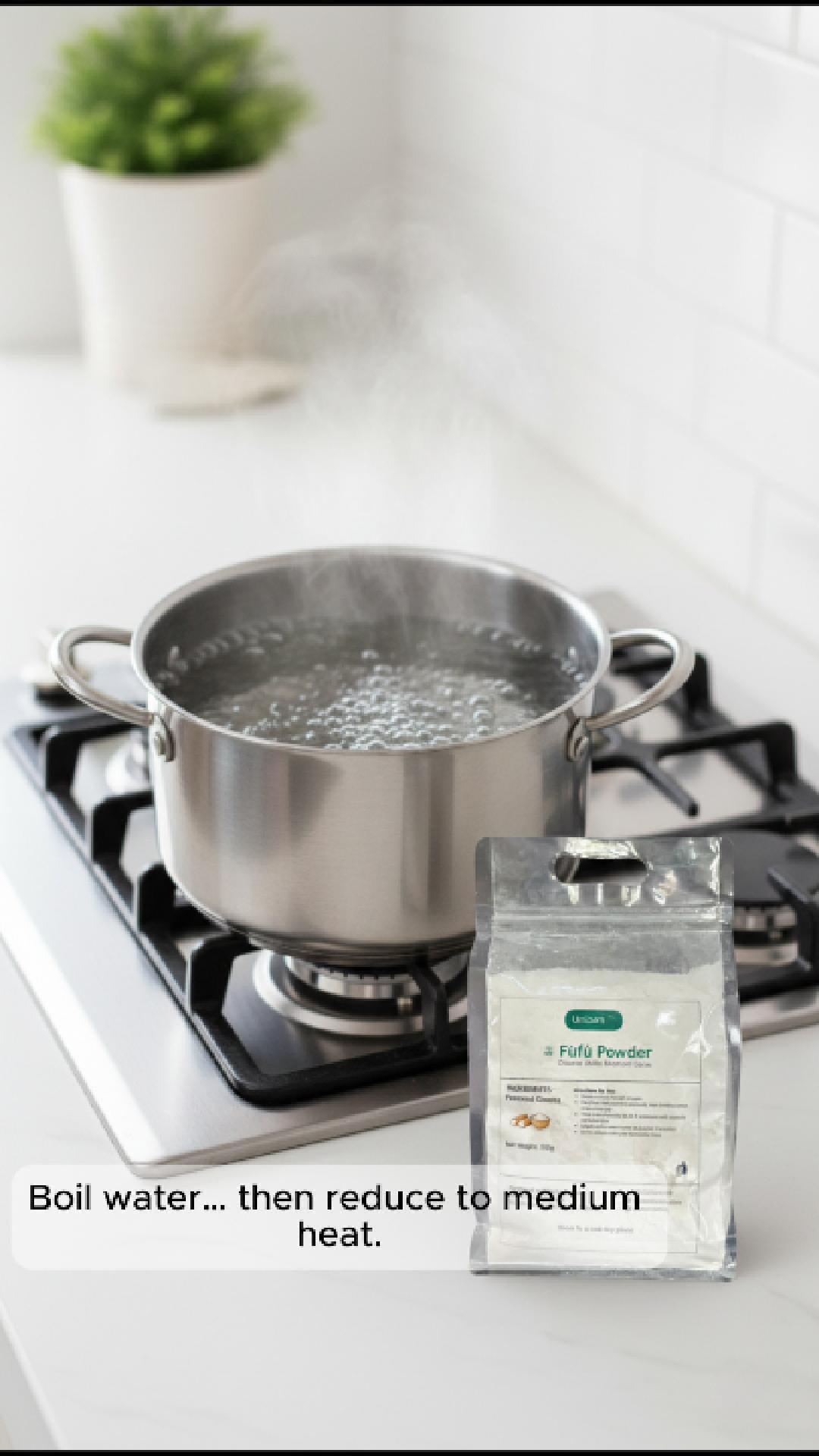
    Bring water to a boil, then reduce to medium heat (still steaming/hot, not raging).

    Step 2: Whisk first, pour flour like rain (60–90 seconds)

    Keep the whisk moving and sprinkle plantain flour gradually—don’t dump it all at once.
    You’ll see it thicken quickly.

    Step 3: Smooth & fold (60 seconds)

    Once it gets thick enough that whisking feels heavy:

    • switch to a wooden spatula
    • fold, press, and turn for about 1 minute
    • cover for 30 seconds (optional), then give it one final smooth turn

    Done. Serve immediately with your favourite soup.


    Quick ratio guide (start here, then adjust)

    Because flour fineness and personal preference vary, use this as a reliable starting point:

    • 1 cup plantain flour : 2 cups water → firm, classic swallow texture
    • Prefer it softer? add hot water 1–2 tablespoons at a time while turning.

    Tip: If you’re cooking for one, start smaller and scale up once you like your texture.


    Troubleshooting (Save this part)

    1) “I have lumps” — How to fix it fast

    Why it happens: the outside of the flour hits hot water and gels before the inside hydrates.

    Fix (choose one):

    • Hot-water rescue: take pot off heat, add 2–4 tbsp hot water, whisk hard for 20–30 seconds, then return to medium heat and turn smooth.
    • Press & turn: press lumps against the pot side with your spatula while turning.
    • Prevention for next time: sprinkle flour gradually and keep whisk moving before it thickens.

    2) “It’s sticky / gluey” — How to correct it

    Common causes:

    • too much water
    • undercooked (needs a bit more heat time)
    • too much aggressive stirring after it has set

    Fix:

    • return to medium heat for 60–90 seconds, turning gently (cooking helps it set properly)
    • if it’s still too soft, sprinkle 1–2 teaspoons of plantain flour and turn until it firms up
    • cover for 30–60 seconds to steam, then smooth once

    3) “It tastes bitter” — What’s going on?

    Plantain flour can have a naturally “earthy” note, but bitter is usually one of these:

    • flour has picked up off-flavours from heat/humidity
    • flour stored unsealed near strong smells
    • pot got too hot and the bottom scorched slightly

    Fix now:

    • add a tiny pinch of salt and serve with a rich soup (bitterness fades in balance)
    • if you suspect scorching, transfer to a clean pot and continue gently for 30 seconds

    Prevent next time:

    • store flour sealed, cool, and dry
    • avoid very high heat once thickening starts

    Common mistakes (and the easy swap)

    • Dumping flour in one go → sprinkle it gradually
    • Whisking stops too early → whisk until it’s thick, then switch to spatula
    • Heat too high → medium heat gives smoother results

    FAQs

    Can I mix with cool water first?

    Yes—if you’re a beginner, you can make a smooth slurry with a little cool water first, then pour into hot water while whisking. It’s slower, but very safe for lump-free results.

    Can I reheat leftover amala?

    Yes. Add a splash of hot water, cover, and warm on low heat. Turn once it softens.

    What to buy for this method?

    If you want the easiest, smoothest start, use a finely milled flour:


    Related reads from our blog


    Call to action (order in 30 seconds)

    Ready to make lump-free plantain flour amala this week?

    • 🛒 Buy on website: greenunison.com
    • 📦 WhatsApp catalogue: https://wa.me/c/2348103043789
    • 💬 Chat to order (prefilled): https://wa.me/2348103043789?text=Hi%20Green%20Unison%2C%20I%20want%20to%20order%20Plantain%20Flour%20for%20amala%20ogede.%20Please%20share%20your%203-minute%20whisk%20method%20ratio%20and%20delivery%20options.%20Thank%20you%21

    Pin this post so the troubleshooting section is always one scroll away.

  • 7 Smart Ways to Use Dried Plantains in Everyday Cooking (Beyond Amala)

    For many homes, dried plantain and plantain flour live in the cupboard for one main job: swallow.

    However, dried plantains can do far more than that.

    In this guide, you will see seven smart, everyday ways to use dried plantains and plantain flour – from light snacks to breakfasts and quick comfort meals. You do not need to be a chef; you just need simple steps and a little curiosity.

    Along the way, you will see ideas that pair beautifully with:

    If you are still wondering about how plantain flour feels in the body, you can also read our earlier guide:
    Plantain Flour Benefits: Better Digestion, Stable Energy & Daily Uses


    Dried plantain vs plantain flour: quick kitchen reminder

    Before we jump into recipes, it helps to remember the difference in everyday cooking:

    • Dried plantain slices
      Usually come as thin or chunky pieces.
      Great for chips, stews, and porridge-style dishes.
      You see the pieces as you cook and eat.
    • Plantain flour
      Made by milling dried unripe plantain into a fine powder.
      Perfect for swallow (amala ogede), thickening stews, porridges and simple home baking.
      Easy to blend with other flours.

    Because plantains are naturally starchy and contain some fibre and resistant starch, they tend to feel more filling than very sugary snacks, especially when you prepare them with simple ingredients and minimal frying.

    Now, let’s turn that packet of dried plantain into everyday meals.


    1. Crispy baked or air-fried dried plantain chips

    Many people only think of fresh plantain when they picture chips. Even so, dried plantain slices make excellent chips with very little oil.

    How to make lighter dried plantain chips

    1. Preheat your oven or air fryer.
    2. Lightly coat dried plantain slices with:
      • 1–2 teaspoons of neutral oil, or brush oil lightly.
      • A pinch of salt.
      • Optional: mild chilli, smoked paprika, garlic powder or a spice mix you already enjoy.
    3. Spread in a single layer on a tray or in the air-fryer basket.
    4. Bake or air fry until crisp and golden, turning once.

    Because the plantain is already dried, it crisps up faster than fresh slices. As a result, you can often use less oil than a deep-fried batch.

    Tip: Store cooled chips in an airtight jar. This turns dried plantains into a grab-and-go snack for work bags, school bags or travel.


    2. Breakfast porridge with plantain flour and pap powder

    On cool mornings, a warm bowl of porridge is comforting. Instead of only using pap or oats, you can build a simple plantain-based breakfast bowl.

    Gentle breakfast bowl idea

    You will need:

    Method

    1. In a bowl, mix plantain flour and pap powder with a little cool water to form a smooth paste.
    2. Bring water to a gentle boil in a pot.
    3. Gradually pour the paste into the hot water, stirring all the time.
    4. Cook for a few minutes until smooth and thickened.
    5. Adjust thickness with more water or milk.
    6. Serve warm with toppings of your choice.

    Because this porridge combines slow-digesting starches and a bit of fibre, many people find it more satisfying than a sugary drink alone.


    3. Half-and-half swallow: plantain flour + corn flour

    You may already love amala ogede on its own. Even so, some days you might want to change the texture or flavour slightly without leaving plantain behind.

    That is where a half-and-half swallow comes in.

    Simple half-and-half swallow

    Combine:

    Method

    1. Bring water to a boil in a pot.
    2. In a separate bowl, mix plantain flour and corn flour together in the ratio you prefer. For example:
      • 50:50 for a more balanced taste, or
      • 70:30 for a plantain-forward swallow.
    3. Reduce the heat and start to sprinkle the flour mix into the pot while stirring.
    4. Continue to stir until smooth and stretchy, adjusting with a little water if it gets too thick.
    5. Serve with your favourite soup.

    This gives you a slightly different swallow experience while still making your plantain flour the star of the plate.


    4. Stew and sauce thickener with a mild flavour

    Sometimes stews and sauces come out a bit too light or watery, especially when you are cooking in a hurry.

    Instead of overusing standard thickeners, you can use a little plantain flour to gently thicken and add body.

    How to use plantain flour as a thickener

    1. Scoop 1–2 teaspoons of Smooth Plantain Flour (Elubo Ogede) into a small bowl.
    2. Add cool water and whisk into a smooth, thin paste (no lumps).
    3. Reduce your stew or sauce to a gentle simmer.
    4. Gradually pour in the paste while stirring.
    5. Cook for a few more minutes to let it thicken and lose any raw taste.

    Because plantain flour has a mild flavour, it usually does not overpower your main spices. Instead, it quietly supports gravies, pepper sauces, and even some vegetable soups.


    5. Plantain flour pancakes and waffles

    If you have ever wanted to upgrade weekend breakfast, this is a fun place to start. Plantain flour can join your usual batter to create pancakes or waffles with a gentle plantain note.

    Basic plantain flour pancake blend

    Use:

    Method

    1. Whisk dry ingredients together first.
    2. Add eggs and milk gradually until you get a smooth batter.
    3. Let the batter rest for a few minutes.
    4. Cook in a lightly oiled pan or waffle maker.

    These pancakes work well as school lunchbox ideas or evening treats when you want something homemade but not complicated.


    6. Simple plantain and groundnut snack bites

    When afternoons get busy, it helps to have something small, filling and not overly sugary within reach.

    You can turn plantain flour and groundnut flour into no-bake snack bites that stay in the fridge.

    No-bake plantain–groundnut bites

    You will need:

    Method

    1. In a bowl, mix plantain flour and groundnut flour.
    2. Add honey or date syrup slowly and stir until the mixture starts to hold together.
    3. If it feels too dry, add a teaspoon of water or milk at a time.
    4. Roll into small balls and place on a lined plate.
    5. Chill in the fridge until firm, then store in an airtight container.

    These bites are great for snack boxes, work desks, or after-school hunger, especially on days when you do not want to rely on packaged sweets.


    7. Soft porridge for gentle evenings

    In many homes, there are evenings when everyone wants something warm, simple and not heavy before bed.

    Instead of always reaching for only pap, you can gently blend plantain flour into your evening routine.

    Note: Always follow your healthcare provider’s advice when feeding babies or people with special dietary needs. This section is for general, everyday family cooking and is not medical guidance.

    Evening comfort porridge

    Combine:

    Prepare it in exactly the same way as the breakfast bowl above, but keep the portion light. Because this porridge is warm and smooth, many people find it comforting for late evenings when heavy food is not appealing.


    How to store dried plantains and plantain flour properly

    To really enjoy all these ideas, it helps to protect the quality of your ingredients.

    Here are simple storage tips:

    • Keep away from heat and steam
      Store dried plantains and plantain flour in a cool, dry cupboard – not directly above the cooker.
    • Use airtight containers
      After opening the pouch, pour what you will use regularly into a clean, dry, airtight jar or container. Reseal the original pouch tightly.
    • Avoid wet spoons
      Always scoop with a dry spoon to reduce clumping and to help prevent spoilage.
    • Rotate older stock first
      If you buy in bulk, place older packs in front so they are used first.

    If your kitchen gets very hot and humid, you can keep a portion of flour in the freezer in a well-sealed container. Let it come back to room temperature before using so it does not clump.


    Putting it all together: a simple “dried plantain week”

    To make this practical, here is how a regular week might look if you want to use dried plantains and plantain flour more consistently:

    • Monday: Half-and-half swallow (plantain + corn flour) with a favourite soup.
    • Wednesday: Baked dried plantain chips as a light snack.
    • Friday: Plantain flour pancakes for breakfast or dinner.
    • Saturday: Plantain–groundnut snack bites prepared for the coming week.
    • Sunday evening: Gentle plantain–pap porridge as a light end to the weekend.

    Small, repeated uses like this help you treat dried plantain as a real pantry staple, not just an “amala ingredient”.


    Ready to stock your kitchen with plantain–friendly options?

    If you would like to try these ideas, you can start with:

    You can browse more flour options here:
    Explore our Flours eShop.


    Talk to us for help choosing the right flours 😊

    If you are unsure where to start, you do not have to guess alone.

    We are happy to help you choose the right sizes for your home, whether you cook for one person, a couple, or a busy family.

  • Choosing Healthy Flours for Nutrient-Dense Meals: Plantain & Corn Made Simple

    Choosing Healthy Flours for Nutrient-Dense Meals: Plantain & Corn Made Simple

    These days, the flour shelf can feel like a small market on its own. Different colours, different claims, different prices. It is very easy to grab whatever is closest and run.

    However, flour is not just powder. It becomes swallow for your soups, porridge for breakfast, and even snacks for the lunchbox. Because of that, it helps to know which flours are actually simple and nutrient-dense, and which ones are better left on the shelf.

    This guide focuses on two everyday heroes:

    • plantain flour
    • corn flour (maize)

    You will see:

    • how to read their labels without stress
    • what “nutrient-dense” really means in everyday cooking
    • easy ways to turn them into gentle, filling meals

    Along the way, you will meet some kitchen staples from our range:

    If you would like to learn more about plantain specifically, you can also read:


    What does “nutrient-dense” really mean?

    “Nutrient-dense” sounds like a big nutrition word, but in normal kitchen language it simply means:

    • you are getting more useful nutrients per spoonful
    • you are not carrying extra baggage from unnecessary sugar, fat or additives

    For flours, nutrient-dense options usually:

    • are made from a single, recognisable ingredient (for example, unripe plantain or whole maize)
    • contain some fibre and complex carbohydrates, not only highly refined starch
    • avoid long lists of additives, colourings and flavourings

    This does not mean you can never touch other flours again. It simply means that your everyday staples work better for your body when they are simple, minimally processed and predictable.


    How to read a plantain flour label without stress

    Plantain flour has become popular with people who want meals that feel satisfying but not too heavy. Even so, not every plantain flour in the nylon is the same.

    Here is a gentle, three-step way to read the label.

    1. Start with the ingredients list

    A clean plantain flour should have a very short list, usually something like:

    “100% unripe plantain”

    That tiny sentence tells you a lot:

    • there is no mixing or bulking with cheaper flours
    • there is no added sugar trying to make the flour sweet on its own
    • the product is based on a single, familiar ingredient your grandmother would recognise

    Our Smooth Plantain Flour (Elubo Ogede) is made from 100% unripe plantain, gently processed with no fillers.

    2. Look for drying and milling details

    Good plantain flour producers often mention things like:

    • low-heat or gentle drying
    • fine milling in food-safe equipment

    Why does this matter?

    • Gentle drying helps the flour keep its natural colour and flavour.
    • Fine milling means you get a smooth swallow with no sieving, which saves time and reduces waste.

    3. Check the packaging and storage advice

    A good pack of plantain flour will usually:

    • come in a resealable, food-grade pouch
    • include simple instructions on how to store it

    Once you bring it home, it helps to:

    • pour a working quantity into a clean, dry airtight container
    • keep the rest sealed, away from heat, light and steam

    How to read a corn flour label

    Corn (maize) flour is a long-time friend of pap, swallow and simple home baking. Yet the labels can still be confusing. Some packs are basically pure starch, while others give you more of the whole grain.

    1. Again, start with ingredients

    Look for a clear line such as:

    “100% maize / 100% corn”

    This tells you that:

    • the flour is based on a single grain, not a mystery blend
    • there are no extra flavourings hiding inside the pack

    Silky White/Yellow Corn Flour – Effortless Use is made from carefully selected maize, milled fine for smooth cooking.

    2. Think about whole grain vs very refined

    Some products are almost pure corn starch. They can be useful in baking, but they are not as satisfying as flours that keep more of the grain.

    For everyday meals, you generally want a flour that:

    • keeps its natural white or yellow corn colour
    • cooks into a swallow or batter that feels smooth but present, not like thin paste

    This kind of texture usually pairs better with vegetable-rich soups and sauces, which makes it easier to build balanced plates.

    3. Watch out for extra sugar and heavy flavourings

    Some instant mixes add a lot of sugar, creamers or artificial flavours. They may taste nice as once-in-a-while treats, but they are not ideal as a daily base for family meals.

    Try to keep your everyday flours as close to the original plant as possible. Save the sugary mixes for days when you are consciously choosing a treat.


    Plantain vs corn flour: gentle nutrition snapshot

    Every body is different, and this is not medical advice. However, it helps to have a simple picture in mind when you are choosing flours for your home.

    Plantain flour (from unripe plantain)

    Unripe plantain flour typically offers:

    • complex carbohydrates that support steadier energy compared to very sugary foods
    • some dietary fibre
    • resistant starch, a special type of starch that behaves a little like fibre in the gut
    • naturally occurring minerals such as potassium

    Because of this combination, many people find plantain-based meals filling but not overly heavy, especially when the plate also contains vegetables and protein.

    Corn flour (from maize)

    Corn flour made from whole maize can provide:

    • complex carbohydrates for everyday energy
    • fibre, especially when more of the grain is kept
    • a neutral, familiar taste that fits many soups and sauces

    When you combine corn swallow with generous vegetables and a reasonable portion of protein, you get a plate that feels traditional yet still respects what your body needs.


    Building a nutrient-dense plate with plantain and corn flour

    Flour is only one part of the story. To turn it into a truly nutrient-dense meal, it helps to think about the whole plate.

    A simple picture you can use is:

    • about ½ of the plate: vegetables (leafy greens, mixed vegetables, okro, etc.)
    • about ¼ of the plate: swallow or porridge made from plantain or corn flour
    • about ¼ of the plate: protein such as beans, fish, eggs or lean meat

    Portions will change depending on age, activity level and health advice from your doctor, but this visual helps you plan meals that feel balanced rather than extreme.

    Now let us turn this into real food.


    Recipe 1: Breakfast bowl with plantain, pap and groundnut

    This bowl is warm, gentle and surprisingly filling.

    You will need:

    Method

    1. In a bowl, mix the plantain flour and pap powder with a little cool water to form a smooth paste.
    2. Bring water to a gentle boil in a pot.
    3. Gradually pour the paste into the hot water while stirring continuously.
    4. Cook for a few minutes until the mixture thickens and becomes smooth.
    5. Adjust the thickness with more water or milk.
    6. Serve in a bowl, sprinkle groundnut flour on top and finish with fruit.

    This kind of bowl combines complex carbohydrates, some fibre, and a hint of healthy fat from the groundnut, so many people find it more grounding than a sweet drink taken on an empty stomach.


    Recipe 2: Half-and-half swallow (plantain + corn flour)

    Some days you want amala ogede, other days you prefer corn swallow. On many days, a mix of both gives you the best of each world.

    You will need:

    Method

    1. Bring water to a boil in a pot.
    2. In a separate bowl, mix plantain and corn flour together. You can start with a 50:50 ratio and adjust to your taste next time.
    3. Reduce the heat to medium.
    4. Gradually sprinkle the flour blend into the boiling water while stirring firmly.
    5. Continue to stir until the swallow becomes smooth, stretchy and lump-free.
    6. Shape and serve with a vegetable-rich soup and moderate protein.

    This simple mix spreads your flour choices, keeps the familiar swallow experience, and still supports a nutrient-dense plate when paired with plenty of vegetables.


    Recipe 3: Light home pancakes with plantain & corn flour

    For relaxed mornings or gentle evening meals, plantain and corn flour also work beautifully in pancakes.

    You will need:

    Method

    1. In a bowl, whisk plantain flour, corn flour, groundnut flour, salt and any dry spices you enjoy.
    2. Add eggs and milk gradually, stirring until you get a smooth batter.
    3. Let the batter rest for a few minutes so the flours hydrate properly.
    4. Heat a lightly oiled pan on medium heat.
    5. Pour in small rounds of batter and cook each side until golden.

    Serve with vegetables and eggs for a savoury plate, or with fruit and a drizzle of honey for a gentle treat.


    Storage tips to protect your flours

    Even the best flour loses value if it is stored badly. To keep yours fresh:

    • Keep packs away from heat and steam. Store them in a cool, dry cupboard, not directly above the cooker.
    • Use airtight containers. After opening, pour a working quantity into a clean, dry jar and close it tightly.
    • Always use dry spoons. Wet spoons encourage clumping and spoilage.
    • Rotate older stock first. Place earlier purchases in front so they are used before new ones.

    If your kitchen is very humid, you can store part of the flour in the freezer in a well-sealed container. Allow it to return fully to room temperature before opening the container, so condensation does not form inside.


    Quick checklist for choosing healthy flours

    Next time you stand in front of the flour shelf, you can use this short checklist:

    1. Is the ingredient list short and clear?
      Phrases like “100% unripe plantain” or “100% maize” are good signs.
    2. Are there unnecessary extras?
      Everyday flours do not need heavy sugar, flavourings or colourings.
    3. Does the brand explain its process?
      Low-heat drying and fine milling are worth paying attention to.
    4. Is the packaging protective?
      Resealable, food-grade pouches with storage advice help keep your flour safe.

    If a product ticks most of these boxes, it is more likely to support the kind of nutrient-dense meals you are trying to build at home.


    Ready to restock your flour shelf with confidence?

    If you are ready to move from “just manage anything” to intentional choices, you can start with these kitchen basics:

    You can explore all flour options here:
    Browse the Flours eShop.


    Talk to us if you need help choosing flours 😊

    If you are still unsure which flour fits your home, you do not have to figure it out alone.

    We are happy to help you choose the right flour combination for your kitchen, whether you cook for one person, a couple, or a very busy household. 💚


  • Choosing Healthy Flours for Everyday Meals: Plantain & Corn Guide

    Choosing Healthy Flours for Everyday Meals: Plantain & Corn Guide

    Walk into any shop and the flour shelf can feel like a small market on its own. There are so many packs, colours and promises that it is easy to pick something simply because the nylon looks fine or the price is low.

    However, flour is not just about texture. It becomes the base of family meals, school lunches and evening swallows. Because of this, it helps to know which flours are actually simple and nutrient-conscious, and which ones are better left on the shelf.

    This guide focuses on two familiar staples:

    • plantain flour
    • corn flour

    You will learn:

    • what to look for on the label
    • what “nutrient-dense” really means in everyday cooking
    • how to use plantain and corn flour in easy, balanced meals

    Along the way, you will see recipes that work beautifully with:

    If you want to dive deeper into plantain specifically, you can also read:


    What does “nutrient-dense” really mean?

    “Nutrient-dense” sounds like a big nutrition word, but in daily cooking it simply means:

    • more useful nutrients per spoonful
    • less empty calories from added sugar, excess fat or unnecessary additives

    In the context of flours, nutrient-dense options usually:

    • are made from a whole, recognisable ingredient (for example, unripe plantain or whole maize)
    • contain some fibre and complex carbohydrates, not just highly refined starch
    • do not rely on long lists of additives and colourings

    This does not mean you must never touch other flours. Rather, it means that your everyday staples are better when they are simple, minimally processed and predictable.


    How to read a plantain flour label

    Plantain flour has become very popular for people who want meals that feel satisfying without being too heavy. Even so, not all plantain flours are equal.

    When you pick up a bag, look for these clues.

    1. Ingredient list

    A clean plantain flour should have a very short ingredient list, usually:

    100% unripe plantain

    This tells you:

    • there is no mixing or bulking with other cheaper flours
    • there is no added sugar trying to make the flour taste sweet
    • the product is based on a single, familiar ingredient

    For example, Smooth Plantain Flour (Elubo Ogede) is made from 100% unripe plantain with no fillers.

    2. Drying and milling method

    Many quality brands will mention that they use:

    • low-heat or gentle drying
    • fine milling in food-safe equipment

    Why does this matter?

    • Gentle drying helps the flour keep its colour and natural flavour.
    • Fine milling means you get smooth swallow with no sieving, which saves time and reduces waste.

    3. Packaging and storage

    A good plantain flour pack will usually:

    • be resealable or clearly state how to store the flour
    • protect the flour from light and moisture

    Once you get home, it is best to:

    • pour what you use often into an airtight container
    • keep the rest in the original pouch, well-sealed and away from heat and steam

    How to read a corn flour label

    Corn (maize) flour is a long-time favourite for pap, swallow and home baking. To choose a more nutrient-conscious corn flour, pay attention to similar details.

    1. Ingredient list

    Look for a clear statement such as:

    100% maize / 100% corn

    Here is what that tells you:

    • the flour is based on a single grain
    • there are no unnecessary blends or artificial flavourings

    Silky White/Yellow Corn Flour – Effortless Use is an example of a corn flour made from carefully selected maize, finely milled for smooth cooking.

    2. Type of corn and texture

    Some products use very refined corn starch, which can be light but low in fibre. Others use more of the whole grain.

    When you want something closer to a wholegrain option, you are looking for:

    • a natural corn colour (white or yellow)
    • a texture that cooks into smooth but present swallow or batter

    This kind of flour usually pairs better with vegetable-rich soups and stews, making it easier to build balanced plates.

    3. Extra sugars and flavourings

    Some instant mixes add a lot of sugar, flavourings or creamers. These might taste nice as treats, but they are not ideal as everyday staples.

    Because of this, it helps to:

    • check if “sugar”, “glucose syrup” or long lists of additives appear high up on the label
    • keep those products for rare treats, not daily use

    For regular, nutrient-conscious meals, simple flours with short ingredients are usually a better base.


    Plantain flour vs corn flour: simple nutrition snapshot

    Every body is different and this is not medical advice. Even so, it helps to understand the basic strengths of each flour.

    Plantain flour (unripe plantain)

    Plantain flour made from unripe plantain typically offers:

    • complex carbohydrates for steady energy
    • some dietary fibre
    • resistant starch, a special kind of starch that behaves a bit like fibre in the gut
    • minerals such as potassium, naturally present in plantain

    Because of this mix, many people find plantain-based meals filling but not overly heavy, especially when portion sizes are sensible and plates include vegetables and protein.

    Corn flour (maize)

    Corn flour made from whole maize can provide:

    • complex carbohydrates
    • fibre, especially when more of the grain is used
    • a familiar, neutral taste that pairs well with a wide range of soups and sauces

    Combined with vegetables, lean protein and healthy fats in moderation, corn-based meals can form part of a balanced, nutrient-conscious diet.


    Building a nutrient-dense plate with plantain and corn flour

    Flour is only one part of a plate. To turn it into a nutrient-dense meal, it helps to think about everything else that joins it.

    A simple way to plan your plate is:

    • around ½ plate vegetables (leafy greens, mixed vegetables, okro, etc.)
    • ¼ plate swallow or porridge made from plantain or corn flour
    • ¼ plate protein such as beans, fish, eggs or lean meat

    This is not a strict rule, but it is a helpful picture when you want comfort food that still respects your body.

    Below are three easy meal ideas based on this principle.


    1. Breakfast bowl: plantain + pap + groundnut

    This bowl is warm, gentle and satisfying.

    You will need:

    Method

    1. Mix plantain flour and pap powder with a little cool water in a bowl to make a smooth paste.
    2. Bring water to a gentle boil in a pot.
    3. Gradually pour the paste into the hot water while stirring continuously.
    4. Cook until smooth and thickened, adjusting with more water or milk if needed.
    5. Serve in a bowl and top with groundnut flour and fruit.

    This kind of bowl combines complex carbohydrates, some fibre and a bit of healthy fat from the groundnut, so many people find it more grounding than a sugary drink alone.


    2. Half-and-half swallow: plantain + corn flour

    If you love swallow but want something that feels gentle and balanced, a simple half-and-half mix can help.

    You will need:

    Method

    1. Bring water to a boil in a pot.
    2. In a bowl, mix plantain and corn flour together. You can start with a 50:50 ratio, then adjust next time based on taste.
    3. Reduce the heat to medium.
    4. Gradually sprinkle the flour blend into the water while stirring firmly.
    5. Continue to stir until smooth, stretchy and lump-free.
    6. Serve with a soup that is rich in vegetables and moderate in oil.

    This approach lets you enjoy the familiar comfort of swallow while spreading your flour choices across two staple ingredients.


    3. Light home pancakes with plantain and corn flour

    For weekends and relaxed evenings, plantain and corn flour can also appear in simple pancakes.

    You will need:

    Method

    1. In a bowl, whisk plantain flour, corn flour, groundnut flour, salt and any dry spices you enjoy.
    2. Add eggs and milk gradually until you get a smooth batter that is not too thick.
    3. Let the batter rest for a few minutes.
    4. Heat a lightly oiled pan on medium heat.
    5. Pour in small rounds of batter and cook on each side until golden.

    Serve with fruit, a light drizzle of honey or a vegetable-rich stew, depending on whether you want a sweet or savoury plate.


    Storage tips to protect the nutrition you are paying for

    Even the best quality flour loses value if it is stored poorly. To protect your investment:

    • Keep packs away from heat and steam. Store them in a cool, dry cupboard, not directly above the cooker.
    • Use airtight containers. After opening, pour a working quantity into a clean, dry jar and close it tightly.
    • Avoid wet spoons. Always scoop with a dry spoon to reduce clumping and help prevent spoilage.
    • Rotate older stock first. Place earlier purchases in front so they are used before new ones.

    If your kitchen gets very humid, you can store part of the flour in the freezer in a tightly sealed container. Allow it to return to room temperature before using so it does not clump.


    Simple checklist for choosing healthy flours

    When you next stand in front of the flour shelf, ask these quick questions:

    1. Is the ingredient list short and clear?
      “100% unripe plantain” or “100% maize” are good signs.
    2. Are there unnecessary sugars and additives?
      Everyday staples do not need long lists of extras.
    3. Does the brand explain drying and milling?
      Gentle drying and fine milling usually support better texture and flavour.
    4. Does the packaging protect the flour?
      Resealable packs and clear storage instructions are helpful.

    If a product ticks these boxes, it is more likely to support your goal of building nutrient-dense meals.


    Ready to restock your flour shelf with confidence?

    If you want to move from guesswork to intention, you can start with these kitchen basics:

    You can explore all flour options here:
    Browse the Flours eShop.


    Talk to us if you need help choosing flours 😊

    If you are still unsure which flour suits your family, you do not have to figure it out alone.

    We are happy to help you pick the right flour combination for your home, whether you are cooking for one person, a couple or a busy household.

  • Plantain Flour for Better Digestion and Steady Energy: Simple Ways to Use It Every Day

    Some plates leave you feeling warm, satisfied… and completely knocked out afterwards. 🥵
    Other plates feel comforting but light enough that you can still think, work, study or care for family.

    Plantain flour often sits in that second group.

    This article explains, in simple, science-aware language, why many people find plantain flour gentler on the stomach, how it can support steadier energy, and easy ways to use it every day — without making any medical promises.

    You’ll also see where to get farm-powered Smooth Plantain Flour (Elubo Ogede) that is finely milled and ready for swallow, breakfast bowls, smoothies and more.

    Kind note: This article is for general information only and does not replace medical advice. If you have any health condition or dietary restriction, please speak with a qualified health professional before making changes to your diet.


    What exactly is plantain flour?

    Plantain flour is made from unripe plantain that has been:

    • washed and peeled
    • thinly sliced
    • gently dried
    • milled into a fine flour

    Because it is made from unripe plantain, it naturally contains:

    • complex carbohydrates
    • dietary fibre
    • a special type of carbohydrate called resistant starch
    • minerals such as potassium

    At Green Unison, our Smooth Plantain Flour (Elubo Ogede) is:

    • 100% unripe plantain (no mixing, no bulking)
    • low-heat dried to protect colour and flavour
    • finely milled for smooth amala with no sieving
    • packed in resealable, food-grade pouches

    This combination makes it a practical choice for people who want meals that feel satisfying, but not overly heavy.


    Why does plantain flour often feel gentler on the stomach?

    Everyone’s body is different, but there are a few reasons many people say plantain flour “sits better” than some heavy plates:

    1. Fibre and resistant starch

    Unripe plantain flour is naturally rich in fibre and resistant starch (a starch that behaves like fibre in the body).

    • Fibre adds bulk to food and slows down how quickly you digest it.
    • Resistant starch passes through the small intestine without breaking down fully, then is gently fermented in the large intestine by friendly bacteria.

    Together, these can:

    • support regular, comfortable digestion
    • help you feel pleasantly full, not stuffed
    • reduce the “sharp peaks and dips” in energy that come with very sugary or highly refined foods

    Research on resistant starch from different foods shows that it can lower the rise in blood sugar after a meal and support a healthy gut environment when eaten as part of a balanced diet. It is not a cure for any condition, but it is a helpful type of carbohydrate to include in everyday meals.

    2. Naturally simple ingredient list

    Good plantain flour should be just plantain — no added sugar, no whitening agents, no unnecessary additives.

    That simplicity means:

    • you know exactly what is on your plate
    • it is easier to combine with soups, stews and sides that already have spices, oil and protein
    • you can adjust portion size without worrying about hidden ingredients

    3. How you cook and serve it

    The same flour can feel very different depending on:

    • how much you eat at once
    • how thick or soft you make your swallow
    • what you eat with it (very oily, very salty or very spicy sauces will still feel heavy)

    Used in sensible portions, many people find plantain swallow “lighter” and less sleep-inducing than some alternatives — especially at night.


    Plantain flour and steady energy

    Most of the energy in plantain flour comes from complex carbohydrates. Because of the fibre and resistant starch, those carbohydrates tend to be released more steadily than very refined flours or sugary drinks.

    In everyday life, that can look like:

    • fewer sharp “rushes” and “crashes”
    • feeling full and focused for longer between meals
    • being able to finish work, errands or study after eating, instead of fighting sleep

    Of course, your whole plate still matters. Pairing plantain swallow or porridge with:

    • vegetables (for extra fibre and micronutrients)
    • beans, fish, eggs or lean meat (for protein)
    • healthy fats in moderation

    …helps your body use the energy from the flour in a more balanced way.


    Everyday ways to use plantain flour for digestion and energy

    Here are simple, realistic ways to bring plantain flour into your daily routine.

    1. Swallow that doesn’t feel too heavy

    Plantain amala (amala ogede) is the most familiar use.

    Quick method for one small/medium serving

    1. Bring about 2 cups of water to a gentle boil.
    2. Reduce the heat slightly so it is still hot but not bubbling over.
    3. Sprinkle in Smooth Plantain Flour (Elubo Ogede) gradually while stirring.
    4. Keep turning until it becomes smooth, stretchy and lump-free.
    5. Adjust with a splash of hot water if it becomes too thick.

    Serve immediately with your favourite soup or stew. To keep the plate feeling comfortable:

    • use a portion that truly matches your hunger
    • load the bowl with vegetables and quality protein
    • avoid turning the soup into a pool of oil

    2. Warm breakfast bowl for a gentle start

    A warm breakfast can be very soothing, especially for people whose stomachs are sensitive first thing in the morning.

    Simple plantain flour breakfast bowl

    1. Whisk 2–3 tablespoons of Smooth Plantain Flour (Elubo Ogede) into cool water or milk (dairy or plant-based) until smooth.
    2. Cook on low heat, stirring, until it thickens into a porridge.
    3. Sweeten lightly with dates, honey or fruit if you like.
    4. Top with nuts, seeds or a spoon of Finely-ground Groundnut Flour for extra richness and staying power.

    You get:

    • warmth and comfort
    • satisfying, slow-release carbohydrates
    • extra fibre and healthy fats from your toppings

    3. Smoothie or shake booster

    If you prefer to drink your breakfast or afternoon snack, plantain flour can add gentle thickness and extra staying power.

    How to use it

    1. Add 1–2 tablespoons of Smooth Plantain Flour (Elubo Ogede) to your blender.
    2. Pour in your usual smoothie ingredients – for example:
    3. Blend until completely smooth.
    4. Adjust liquid if it becomes too thick.

    Because the flour brings extra fibre and resistant starch, the smoothie can feel more like a proper mini-meal than just a sweet drink.

    4. Baby and toddler porridges (with care)

    Plantain flour has a mild, familiar flavour, which many babies and toddlers accept well once they are ready for family foods.

    You can:

    • cook it into a very soft porridge
    • thin it out with breastmilk, formula or appropriate milk alternatives
    • combine it with pureed vegetables or fruit

    Always follow your paediatrician’s advice on:

    • when to introduce solids
    • how thick the food should be
    • how to handle allergens

    Plantain flour should not replace professional guidance, but it can be one of several gentle staples in the cupboard.

    5. Simple pancakes, waffles and bakes

    You do not need complicated recipes to use plantain flour in snacks.

    Try:

    Because plantain flour is gluten-free, it behaves differently from wheat flour. Start by replacing 20–30% of the wheat portion and adjust from there until you find a texture your household enjoys.


    How to add plantain flour to your routine gently

    If you are new to plantain flour, there is no need to overhaul your whole diet in one week. A slow, thoughtful approach lets you notice how your body responds.

    Here’s a simple plan:

    1. Pick one meal to change first.
      For example, evening swallow or weekend breakfast.
    2. Swap just a part.
      Instead of switching 100% at once, start with half plantain flour and half your usual flour, then gradually increase the plantain portion.
    3. Watch how you feel.
      Notice your digestion, energy levels, mood and sleep before and after meals. Everyone responds differently.
    4. Keep the plate balanced.
      Add vegetables, good fats and proteins so your body has a mix of nutrients to work with.

    If at any point something does not feel right, go back a step or speak with a health professional. Listening to your body is always more important than following any trend.


    Who might especially enjoy plantain flour?

    Plantain flour can fit into many households, but it is especially attractive for:

    • people who want a swallow that feels lighter in the evening
    • students and office workers who do not want to feel sleepy after lunch
    • parents looking for simple, gentle porridges and swallow options for the whole family
    • anyone trying to add more fibre and variety to everyday meals, without giving up familiar flavours

    Again, it is not a medicine and is not meant to diagnose, treat or cure any condition. It is simply a smarter way to use a traditional ingredient, backed by what we now understand about fibre and resistant starch.


    Choosing a good-quality plantain flour

    When you are comparing bags on the shelf or online, look out for:

    • 100% unripe plantain on the ingredient list
    • low-heat or gentle drying methods
    • fine milling for smooth swallow and easy mixing
    • resealable, food-grade packaging
    • no unnecessary additives or bleaching agents

    Smooth Plantain Flour (Elubo Ogede) from Green Unison is made with:

    • carefully washed and peeled unripe plantain
    • thin slices dried under controlled, low-heat conditions
    • fine milling in food-safe equipment for a lump-free finish
    • small-batch packing into resealable stand-up pouches to keep moisture out

    You can also explore other nature-powered flours like:

    See them all together in the Flours eShop.


    Quick answers to common plantain flour questions

    1. Is plantain flour good for digestion?

    Plantain flour naturally contains fibre and resistant starch, which can support comfortable digestion and a healthy gut environment as part of a balanced diet. It is not a treatment for digestive illness, but it is a smart staple if you want meals that feel satisfying without being too heavy.

    2. Does plantain flour give energy?

    Yes. Plantain flour is a rich source of complex carbohydrates, which your body breaks down into energy more slowly than simple sugars. When you combine it with protein, vegetables and healthy fats, it can help you feel energised for longer between meals.

    3. Can I eat plantain flour every day?

    For most healthy adults, plantain flour can appear regularly in the diet — especially when you vary how you use it (swallow, porridge, smoothies and bakes). If you have any medical condition or specific dietary needs, speak with your doctor or dietitian first.

    4. Is plantain flour gluten-free?

    Unripe plantain itself does not contain gluten. Our Smooth Plantain Flour (Elubo Ogede) is made from 100% plantain with no wheat added. If you are very sensitive to gluten or have coeliac disease, always double-check labels and seek personal medical advice.


    Ready to try plantain flour for lighter, steadier meals?

    If you are curious about how plantain flour might feel in your own body, the best way is to test it gently at home.

    • Start with a small bag of Smooth Plantain Flour (Elubo Ogede).
    • Experiment with one or two of the ideas in this article this week.
    • Notice which meals your body enjoys the most.

    You can:

    • Shop online:
      Visit the Green Unison flours collection to see sizes, bundles and other nature-powered staples.
    • Browse the full WhatsApp catalogue:
      Open our WhatsApp catalogue to scroll through products, prices and pack sizes.
    • Chat with us directly on WhatsApp:
      If you would like help choosing plantain flour sizes or you want simple meal ideas for digestion and energy, send us a quick message:👉 Chat with us on WhatsApp

    We’ll help you pick the right pack for your household and share practical ways to enjoy plantain flour from breakfast to swallow — without feeling weighed down. 💚