Tag: KitchenHacks

  • Plantain Flour Amala: The 3-Minute Whisk Method (Plus How to Fix Lumps, Stickiness & Bitter Taste)

    Plantain Flour Amala: The 3-Minute Whisk Method (Plus How to Fix Lumps, Stickiness & Bitter Taste)

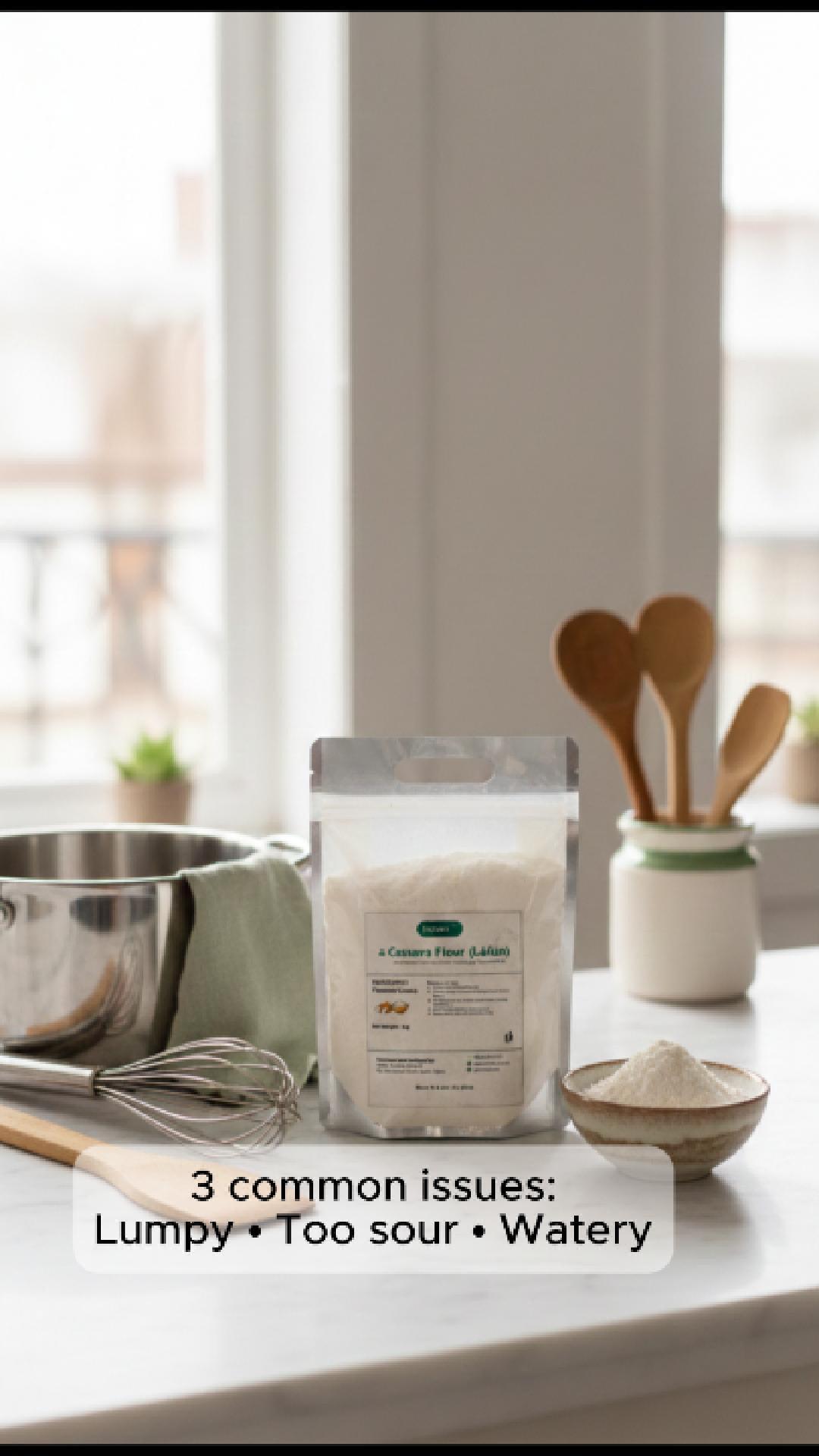
    If you’ve ever made plantain flour amala and ended up with lumps, a sticky paste, or a slightly bitter taste, you’re not alone. The good news: you don’t need a sieve, special tools, or long stirring sessions.

    This is the 3-minute whisk method we use when we want smooth amala fast—plus exact fixes if anything goes wrong.

    Best for: busy weeknights, first-timers, “I need swallow now” moments.


    What you’ll need (simple)

    • Plantain flour (finely milled works best): Nature Powered Plantain Flour
    • Water
    • A pinch of salt (optional, but helpful for taste)
    • Balloon whisk (or a sturdy fork in a pinch)
    • Pot + wooden spatula (for final smoothing)

    Want to browse all our flours? Start here: Shop Flours


    The 3-Minute Whisk Method (Lump-Free)

    Step 1: Get your water hot (30–60 seconds)

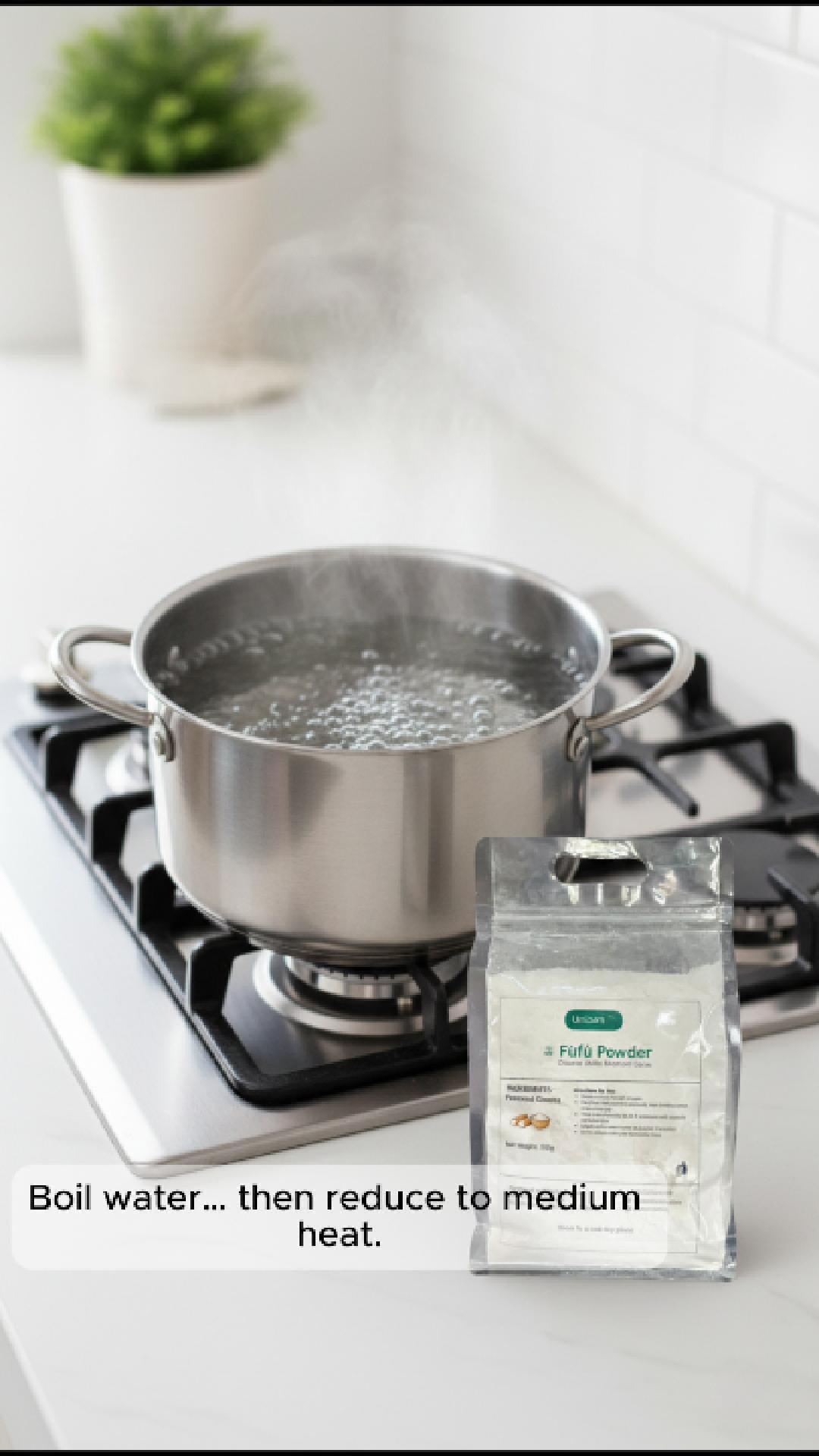
    Bring water to a boil, then reduce to medium heat (still steaming/hot, not raging).

    Step 2: Whisk first, pour flour like rain (60–90 seconds)

    Keep the whisk moving and sprinkle plantain flour gradually—don’t dump it all at once.
    You’ll see it thicken quickly.

    Step 3: Smooth & fold (60 seconds)

    Once it gets thick enough that whisking feels heavy:

    • switch to a wooden spatula
    • fold, press, and turn for about 1 minute
    • cover for 30 seconds (optional), then give it one final smooth turn

    Done. Serve immediately with your favourite soup.


    Quick ratio guide (start here, then adjust)

    Because flour fineness and personal preference vary, use this as a reliable starting point:

    • 1 cup plantain flour : 2 cups water → firm, classic swallow texture
    • Prefer it softer? add hot water 1–2 tablespoons at a time while turning.

    Tip: If you’re cooking for one, start smaller and scale up once you like your texture.


    Troubleshooting (Save this part)

    1) “I have lumps” — How to fix it fast

    Why it happens: the outside of the flour hits hot water and gels before the inside hydrates.

    Fix (choose one):

    • Hot-water rescue: take pot off heat, add 2–4 tbsp hot water, whisk hard for 20–30 seconds, then return to medium heat and turn smooth.
    • Press & turn: press lumps against the pot side with your spatula while turning.
    • Prevention for next time: sprinkle flour gradually and keep whisk moving before it thickens.

    2) “It’s sticky / gluey” — How to correct it

    Common causes:

    • too much water
    • undercooked (needs a bit more heat time)
    • too much aggressive stirring after it has set

    Fix:

    • return to medium heat for 60–90 seconds, turning gently (cooking helps it set properly)
    • if it’s still too soft, sprinkle 1–2 teaspoons of plantain flour and turn until it firms up
    • cover for 30–60 seconds to steam, then smooth once

    3) “It tastes bitter” — What’s going on?

    Plantain flour can have a naturally “earthy” note, but bitter is usually one of these:

    • flour has picked up off-flavours from heat/humidity
    • flour stored unsealed near strong smells
    • pot got too hot and the bottom scorched slightly

    Fix now:

    • add a tiny pinch of salt and serve with a rich soup (bitterness fades in balance)
    • if you suspect scorching, transfer to a clean pot and continue gently for 30 seconds

    Prevent next time:

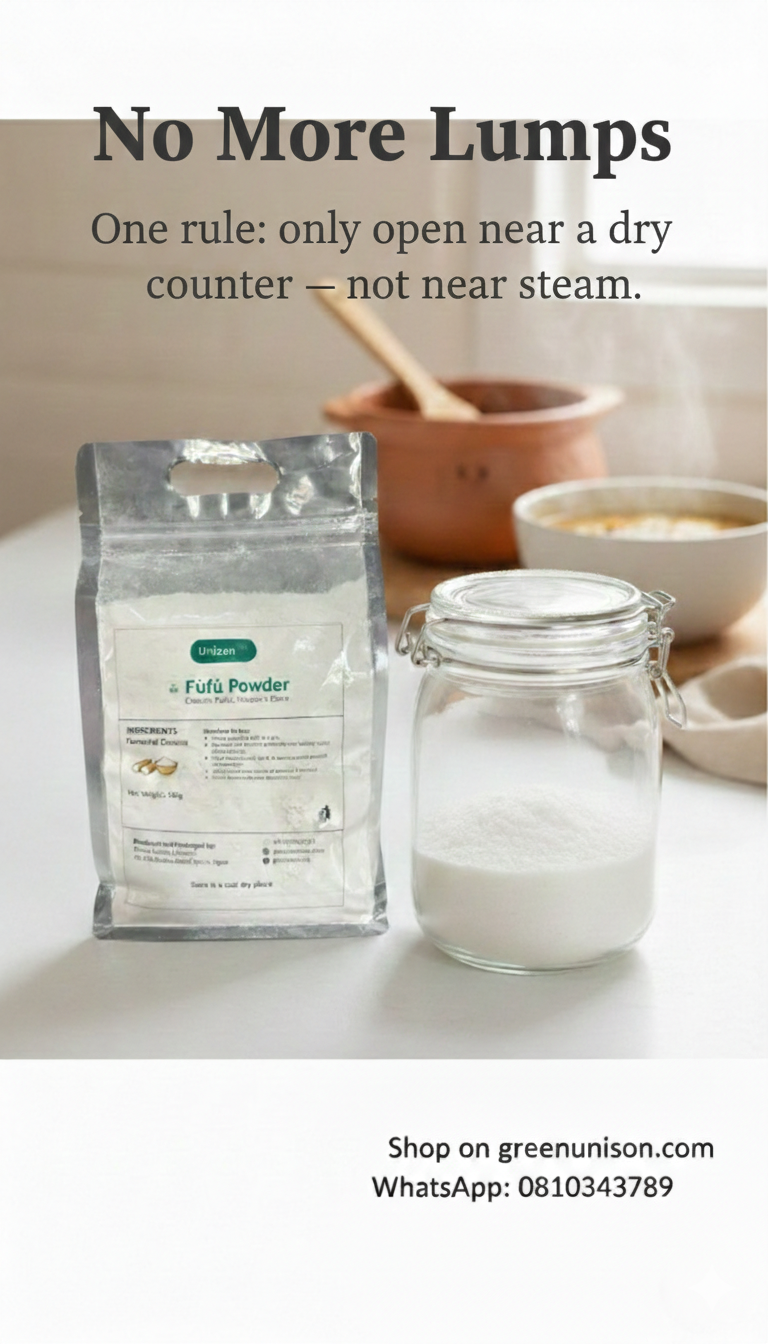
    • store flour sealed, cool, and dry
    • avoid very high heat once thickening starts

    Common mistakes (and the easy swap)

    • Dumping flour in one go → sprinkle it gradually
    • Whisking stops too early → whisk until it’s thick, then switch to spatula
    • Heat too high → medium heat gives smoother results

    FAQs

    Can I mix with cool water first?

    Yes—if you’re a beginner, you can make a smooth slurry with a little cool water first, then pour into hot water while whisking. It’s slower, but very safe for lump-free results.

    Can I reheat leftover amala?

    Yes. Add a splash of hot water, cover, and warm on low heat. Turn once it softens.

    What to buy for this method?

    If you want the easiest, smoothest start, use a finely milled flour:


    Related reads from our blog


    Call to action (order in 30 seconds)

    Ready to make lump-free plantain flour amala this week?

    • 🛒 Buy on website: greenunison.com
    • 📦 WhatsApp catalogue: https://wa.me/c/2348103043789
    • 💬 Chat to order (prefilled): https://wa.me/2348103043789?text=Hi%20Green%20Unison%2C%20I%20want%20to%20order%20Plantain%20Flour%20for%20amala%20ogede.%20Please%20share%20your%203-minute%20whisk%20method%20ratio%20and%20delivery%20options.%20Thank%20you%21

    Pin this post so the troubleshooting section is always one scroll away.

  • Your Flour & Pap Powder Care Guide: How To Beat Weevils, Moisture And Bad Smells

    Your Flour & Pap Powder Care Guide: How To Beat Weevils, Moisture And Bad Smells

    Keep your plantain, corn, pap and groundnut flours fresh, bug-free and smelling clean with simple flour storage habits that work in warm, humid kitchens.

    Have you ever opened your bag of flour to make a quick meal — maybe a bowl of creamy ogi or soft amala ogede — and instead met tiny insects or a strange smell? 😖 It is a common pantry problem in warm, humid climates where unsealed flour easily becomes a weevil playground or starts to clump and smell off.

    The good news: with a few simple habits, you can beat weevils, moisture and bad smells and get the best out of your Smooth Plantain Flour (Elubo Ogede) , Silky White/Yellow Corn Flour , Instant Pap Powder (Ogi/Akamu) and Finely-ground Groundnut Flour .

    This guide breaks everything down in plain language, so every scoop from your pantry still feels fresh and safe.

    What Makes Flour Go Bad?

    Flour looks dry and harmless, but three quiet enemies can spoil it if we are not careful: insects, moisture and air.

    • Pantry weevils (flour bugs) — Tiny brown beetles that love grains and flours. They often arrive as invisible eggs inside the grain or flour. Once they hatch, they turn your bag into a home and food source.
    • Moisture and mould — Flour absorbs moisture from the air. In a humid kitchen, that moisture can turn into soft clumps and eventually mould. Mouldy flour may show fuzzy spots or develop a musty odour.
    • Air and rancidity — When flour, especially one with natural oils such as groundnut flour, sits open for too long, oxygen slowly breaks the oils down. This process (oxidation) leads to a sharp, stale or paint-like smell and an unpleasant taste.

    The key to good flour care is simple: keep bugs out, keep moisture out, and limit air contact. The next sections show exactly how to do that at home.

    Beat the Bugs: How to Keep Weevils Out of Your Flour

    Nobody enjoys discovering “extra protein” in their pap or swallow. Here is how to keep weevils far away from your flour shelf.

    1. Move flour into airtight containers

    After opening any pack of flour, do not just roll the top and hope for the best. Pour it into a clean, airtight container or keep it in the original resealable pouch, squeezing the air out before sealing.

    Good options include:

    • Glass jars with tight lids
    • Food-grade plastic containers with snap lids
    • The original Green Unison resealable pouch zipped properly after each use

    Airtight containers make it harder for insects to crawl in and also stop any eggs that might already be present from spreading around your pantry.

    2. Use the freezer trick for new flour

    One science-backed tip used in many kitchens worldwide is simple: freeze your new flour for a few days after you buy it.

    When you bring home a fresh bag of:

    place the sealed bag in your freezer for around 3–5 days. Deep cold helps to stop any hidden insect eggs from surviving long enough to hatch. After freezing, let the bag come back to room temperature before you open it, so condensation does not form inside.

    3. Keep shelves clean and crumbs away

    Weevils and other pantry pests love leftover grains or crumbs. If there is spilt flour in your cupboard, it acts like a free buffet.

    Make it a habit to:

    • Wipe and sweep shelves regularly
    • Clean up any flour spills immediately
    • Check corners and cracks — vacuum or wipe them, especially if you have had bugs before

    A clean pantry makes it harder for pests to settle in or move from one food item to another.

    4. First in, first out

    Try not to forget half-used bags at the back of the cupboard. The longer flour sits, the more time insects have to appear.

    Use a simple rule: first in, first out. Finish older flours before newer ones and label containers with the date you opened them so you can keep track.

    Keep It Dry: Protect Your Flour from Moisture and Mould

    Moisture is one of the quickest ways to ruin flour. Once water gets in, clumps, mould and sour odours are not far behind.

    1. Choose a cool, dry cupboard

    Keep flour on a shelf that is:

    • Away from the cooker, kettle and steamy pots
    • Away from the sink or any leaks
    • Not directly against a damp wall

    A cool, dry, dark cupboard is best. Warm, humid air speeds up spoilage and encourages mould growth.

    2. Seal properly after every use

    Each time you scoop flour, close it back immediately. If the flour stays open while you cook, steam and moisture can easily get inside the bag or container.

    Simple habits:

    • Use only clean, dry spoons (no wet cups or damp hands)
    • Close the zip on the pouch all the way to the end
    • Check that container lids are really tight

    3. Be careful with the fridge or freezer

    The fridge or freezer can help with freshness, especially for groundnut flour, but only if the flour is stored in an airtight container.

    If a container is not tightly sealed, cold air can cause condensation when you bring it back to room temperature, and that moisture can sit directly on your flour.

    So if you refrigerate any flour:

    • Use a proper airtight jar or bag
    • Let the container come back to room temperature before opening it

    Fresh, Not Funky: Prevent Bad Odours and Rancidity

    A quick sniff is one of the easiest ways to check flour quality. Fresh flour has a mild, neutral or lightly nutty smell. Spoiling flour usually tells on itself.

    1. Understand shelf life

    The exact shelf life depends on how much natural oil is in the flour:

    • Smooth Plantain Flour & Silky White/Yellow Corn Flour are relatively low in oil. Properly stored, they usually keep their best quality for several months after opening.
    • Instant Pap Powder is completely dry but should be kept bone dry so the fermented grains do not pick up extra moisture.
    • Groundnut Flour contains plenty of natural peanut oil. That oil is great for flavour, but it also means the flour can turn rancid faster if left in heat or light.

    Always check the best before date on the pack and aim to finish an opened pack within a few months for the best aroma and taste.

    2. Chill high-oil flours for longer freshness

    For flour with more natural oil, such as Groundnut Flour , the fridge or freezer can slow down rancidity.

    Simple approach:

    • Store groundnut flour in an airtight container in the fridge after opening if you want it to stay fresh beyond 2–3 months.
    • For very long storage, keep it in the freezer, also airtight, and bring out only what you need.

    Remember to let the container reach room temperature before opening to avoid moisture forming inside.

    3. Keep flours away from strong smells

    Flours quietly absorb odours from their environment. If you keep them next to very strong spices, cleaning products or kerosene, they can pick up strange flavours.

    Give your flours their own corner, away from:

    • Very strong spices (like curry mixes, stock cubes and dried fish)
    • Chemicals or detergents
    • Anything with a strong smell

    A dedicated flour section helps every bag stay neutral and versatile.

    4. Always do a quick check before using

    Before you cook, take a moment to:

    • Look: Does the flour look normal? No unusual colours, no visible mould, no insects?
    • Smell: Does it smell fresh and mild? Any sour, bitter, musty or paint-like odour means it is time to throw it away.
    • Feel: Is it loose and powdery? Hard lumps or dampness suggest moisture problems.

    When in doubt, it is safer to discard and start with a fresh pack. No recipe is worth using spoiled flour.

    How to Care for Each Green Unison Flour

    Here is a quick, practical guide for the four flours most people keep in their pantry.

    Smooth Plantain Flour (Elubo Ogede)

    Smooth Plantain Flour is made from gently dried, finely milled unripe plantain slices. It is naturally gluten-free and grain-free, perfect for instant amala ogede, thickening soups, baby foods and even some baking.

    • Store unopened packs in a cool, dry cupboard.
    • After opening, keep in the resealable pouch or an airtight container.
    • Use a clean, dry scoop every time — no wet utensils.
    • Try finishing an opened pack within about 6 months for best quality, following the pack storage advice.

    For cooking inspiration, you can pair this storage guide with your earlier reading on recipes, then come back and store your flour like a pro.

    Silky White/Yellow Corn Flour

    Silky White/Yellow Corn Flour is finely milled for smooth, lump-free tuwo masara and other dishes. Because it comes from whole maize, it contains natural oils and should be treated with care.

    • Store in a cool, dry cupboard away from direct heat.
    • Keep tightly sealed after every use to keep out bugs and moisture.
    • If you buy in bulk and know it will sit for a while, consider refrigerating a portion in an airtight container.
    • Use older stock first so nothing stays forgotten for too long.

    Want to perfect your swallow technique as well as your storage? Read the full step-by-step cooking guide: How to Prepare Corn Flour for Swallow (Tuwo Masara): Smooth, Simple & Wholesome .

    Instant Pap Powder (White/Yellow Ogi/Akamu)

    Instant White/Yellow Pap Powder is traditionally fermented and then fully dried, so you can make ogi or eko in minutes. To keep that tangy, comforting taste, it must stay completely dry.

    • Store sealed in a cool, dry cupboard.
    • Use only dry spoons when scooping.
    • Reseal immediately after each use.
    • If you ever notice an unusually sharp sour odour, visible mould or heavy clumping, it is time to replace it.

    Finely-ground Groundnut Flour

    Finely-ground Groundnut Flour is made from lightly roasted groundnuts, milled to a smooth, aromatic flour. It is rich in natural oils, which makes it flavourful but also more sensitive to heat and air.

    • Store unopened packs in a cool, dry place away from direct sunlight.
    • After opening, keep in an airtight container and refrigerate for best freshness.
    • For very long storage, freeze in small portions and bring out only what you need.
    • Always do a smell test before use. Any sharp, bitter or paint-like odour means the flour has turned and should be thrown away.

    For ideas on how to use groundnut flour once you have stored it properly, you can check: Power Up Your Pap & Smoothies with Natural Groundnut Goodness . If you enjoy working with whole nuts too, there is also a helpful guide: No Sand, No Stress: Roasting Groundnuts with Garri .

    When to Say Goodbye: Clear Signs Your Flour Is Spoiled

    Even with the best storage habits, an old pack might sometimes slip through. Here are clear warning signs that it is time to let that flour go:

    • Visible insects or webs — Any weevils, larvae or web-like threads in the flour mean it should be discarded immediately.
    • Mould or strange colours — Green, blue, grey or fuzzy patches are mould. Do not try to rescue or sieve and use. Simply dispose of it.
    • Strong off odour — Sour, bitter, musty or paint-like smells show spoilage or rancidity.
    • Heavy, damp clumps — A few small clumps that break easily may be from settling, but big hard lumps or a damp feel are a red flag.
    • Bad taste — If a tiny pinch tastes bitter, stale or strange, do not cook with it.

    Throwing out flour can feel painful, but it is much better than ruining your food or serving something that is clearly past its best.

    Practical Bonus Tips for Everyday Flour Care

    • Buy the right quantity — It is tempting to buy a lot at once, but only stock what you can finish in a reasonable time. You can always reorder.
    • Divide big bags — If you buy 5 kg of flour, pour it into smaller containers. Keep one container for daily use and leave the rest sealed.
    • Use a dedicated scoop — Keep a small dry scoop inside or next to your flour containers so you are less likely to dip in a wet cup.
    • Do a monthly pantry check — Once a month, quickly inspect your flours. It takes just a few minutes and saves surprises later.

    With these habits, your flour stops being a source of stress and becomes something you can trust every time you cook.

    Ready to Give Your Flours Better Care?

    With airtight storage, cool shelves, a little freezer trick and regular checks, you can keep your plantain flour, corn flour, pap powder and groundnut flour fresh, smooth and ready for everyday use.

    Once you have sorted your pantry, you can confidently enjoy:

    • Soft, stretchy amala ogede that cooks without lumps
    • Smooth tuwo masara with no surprise visitors
    • Comforting pap that smells clean and tastes right
    • Rich, nutty soups and smoothies powered by fresh groundnut flour

    At Green Unison, we already handle careful drying, milling and packing for you. All you have to do is finish the journey at home with good flour care.

    Shop Fresh Flours and Get Personal Help

    Ready to restock with flours that arrive already carefully dried and packed in resealable pouches? Explore our flours collection here: Green Unison Flours eShop .

    You can also browse all flours directly in our WhatsApp catalogue.

    Prefer to chat with a real human before buying? Send us a message on WhatsApp and we will help you pick the right combination of flours for your home: chat with us on WhatsApp .

    Share this guide with someone who is tired of “moving flour” and mystery smells. Their pantry will thank you. 😊

  • Elevate Your Cooking with Dried Herbs: Your Big Questions Answered (Indian Borage, Basil & Lavender)

    Elevate Your Cooking with Dried Herbs: Your Big Questions Answered (Indian Borage, Basil & Lavender)

    Maybe there is a pouch of dried Indian borage, a jar of dried sweet basil and some dried lavender sitting quietly in your cupboard. You add thyme and curry powder to almost every pot, but these herbs feel “new” and a little intimidating.

    From messages and search data, we keep seeing the same questions:

    • “Are dried herbs as good as fresh?”
    • “How much should I use so it does not taste bitter?”
    • “Can I even use herbs like Indian borage or lavender in our everyday dishes?”

    This guide brings those real questions together and answers them in one place, with a special focus on Indian borage, basil and lavender – all available as gently dried, kitchen-ready herbs in the Green Unison eShop.

    Important: this article is for everyday cooking, comfort and flavour only. It is not medical advice and it does not replace speaking to a qualified health professional about any symptoms, diagnosis or treatment.


    Q1. I see Indian borage, basil and lavender on your shop. Where do I even start?

    Let’s meet each herb in simple kitchen language.

    Indian Borage (Mexican Mint / Cuban Oregano)

    Flavour: bold, mint-meets-thyme with a hint of oregano.
    Best for: rich, savoury dishes that need a lift – beans, stews, pepper soup, sauces and marinades.
    Think of it as: a flavour “reset button” when your pot tastes flat or too heavy.

    You can get food-grade dried leaves here: Nature Powered Dried Indian Borage (Mexican Mint / Cuban Oregano) .

    Sweet Basil

    Flavour: warm, slightly sweet and soft, with that classic tomato-friendly basil aroma.
    Best for: anything tomato-based – stew, jollof-style rice, oven-baked chicken in tomato sauce, egg sauce, noodles with home-made pepper mix.
    Think of it as: your go-to partner for tomato, onions and pepper.

    Shop it here: Nature Powered Dried Sweet Basil .

    Lavender

    Flavour: floral and slightly sweet; strong in tiny amounts.
    Best for: gentle “aroma accents” – simple bakes, honey, sugar, syrups for drinks, or as a tiny twist in zobo, pap toppings or dessert sauces.
    Think of it as: vanilla’s floral cousin – use sparingly.

    Explore culinary-friendly dried lavender here: Nature Powered Dried Lavender .

    All three sit inside the Dried Herbs eShop, so you can easily add them to a single order.


    Q2. Do dried herbs really work in our kind of cooking, or are they just for “foreign” recipes?

    Short answer: yes, they work beautifully in everyday home cooking.

    Dried herbs are simply fresh herbs that have had their water gently removed. That drying step concentrates flavour, which is why cooks usually need less dried herb than fresh. For long-cooked dishes like stews, soups and slow sauces, dried herbs often perform better than fresh because they have time to rehydrate and release flavour into the pot.

    In practice, that means:

    • Your long-simmered tomato stew loves dried basil.
    • Your pot of beans or pepper soup can handle a bold herb like Indian borage.
    • Your simple sugar syrup or honey can happily hold a pinch of dried lavender.

    You do not need to change your whole menu. You are simply layering more depth, aroma and character into dishes you already cook.


    Q3. How much dried herb should I use compared to fresh?

    A common rule in cookbooks is:

    Use about 1 part dried herb for 3 parts fresh.

    In everyday kitchen language:

    • 1 teaspoon dried ≈ 1 tablespoon chopped fresh.

    Some herbs (like Indian borage and lavender) are naturally stronger, so you may need less. For a family pot (4–6 servings), here is a gentle starting guide:

    • Indian borage: about ½ teaspoon dried leaves stirred into beans, stew or pepper soup in the last 5–10 minutes of cooking.
    • Sweet basil: about 1 teaspoon dried leaves for a tomato stew or jollof-style rice; start with ½ teaspoon and adjust next time if you want more.
    • Lavender: a pinch (⅛ teaspoon or less) in a small batch of syrup, biscuit dough or dessert topping. Too much quickly becomes perfumey.

    Always start small; you can add more in your next pot when you know your preference.


    Q4. When should I add dried herbs to soup, stew or sauce?

    Timing makes a big difference.

    For long-cooked dishes (stews, beans, pepper soup)

    • Base layer: add part of your dried herb earlier in cooking so it can rehydrate and blend with the sauce.
    • Finishing layer: add a small extra pinch near the end for fresh aroma just before serving.

    Example for a tomato stew:

    1. After frying your pepper–tomato mix, add about ½ teaspoon dried basil and simmer.
    2. In the last 3–5 minutes, crush another small pinch of basil between your fingers straight into the pot for a bright aroma.

    For very strong herbs (Indian borage, lavender)

    • Indian borage: add towards the middle or end of cooking (last 5–10 minutes), especially if the pot will still simmer. It is powerful, so you do not need a long cook time for the flavour to appear.
    • Lavender: use mainly in short-cooked recipes – infusing honey or syrup, or flavouring batter for biscuits and simple cakes – and always measure tiny amounts.

    Q5. Which everyday dishes can I use Indian borage, basil and lavender in?

    Here are practical, tonight-friendly ideas.

    Dried Indian Borage in savoury dishes

    Indian borage’s mint-thyme profile makes it shine in hearty, savoury pots.

    • Beans and stews: add about ½ teaspoon dried Indian borage to a pot of beans or mixed stew in the last 10 minutes. Taste and adjust salt and acid (for example, a squeeze of lemon or lime).
    • Pepper soup: add a small pinch along with your usual pepper soup spice mix; it gives an aromatic, slightly cooling background note.
    • Marinades for fish or meat: combine crushed dried Indian borage with garlic, oil, salt and a little lemon for oven-baked fish or grilled chicken.
    • “Flat” pots that need rescue: if your sauce tastes dull, crush a small pinch between your fingers and stir in near the end of cooking. It can act like a mini flavour reset.

    You can stock up on dried Indian borage leaves here: Dried Indian Borage (Mexican Mint / Cuban Oregano) .

    Dried Sweet Basil in tomato-based favourites

    Basil and tomatoes are a classic pair across many cuisines, and the same rule works beautifully in West-African-style tomato dishes too.

    • Tomato stew for rice or yam: add about 1 teaspoon dried basil once your pepper–tomato mix has fried and the oil “comes up”. Simmer, taste, and finish with a small extra pinch if you want more aroma.
    • Jollof-style rice: stir ½–1 teaspoon dried basil into the base sauce before adding rice. It adds depth without changing the identity of the dish.
    • Egg sauce: sprinkle a pinch into your onion–pepper–tomato mix just before you pour in beaten eggs.
    • Noodles with homemade sauce: toss cooked noodles in a quick tomato-onion–pepper sauce with a pinch of dried basil and a squeeze of citrus instead of seasoning cubes alone.

    Find dried sweet basil here: Nature Powered Dried Sweet Basil .

    Dried Lavender in small sweet touches

    Lavender is powerful. In cooking, it is usually treated like a gentle background note rather than the main flavour.

    • Lavender sugar or honey: stir a tiny pinch into a small jar of sugar or honey and leave for a few days to infuse. Use in tea, on toast or over yoghurt and fruit.
    • Simple biscuits or tea loaves: add a tiny pinch to vanilla biscuit dough or a basic tea loaf mixture. Lavender loves sugar, vanilla and citrus.
    • Drink syrups: infuse a pinch into a small pot of sugar syrup, then strain and use the syrup to sweeten zobo, drizzle over fresh fruit, or stir into chilled water with lemon for a floral cooler.

    Dried lavender is available here: Nature Powered Dried Lavender .

    For extra kitchen inspiration with other herbs and teas, you can also explore herb-focused articles by searching for “peppermint”, “lemongrass” or “Indian borage” on our blog: peppermint, lemongrass, Indian borage.


    Q6. How do I stop dried herbs from tasting medicinal or bitter?

    If dried herbs have ever “slapped” you in a dish, it is usually because of one of three things:

    1. Too much at once – herbs like Indian borage and lavender are naturally potent.
    2. Added at the wrong time – some herbs taste better added early (to cook in), others near the end.
    3. No balance with salt, acid or fat – herbs need company.

    To keep flavours round and friendly:

    • Start with tiny amounts, especially for Indian borage and lavender. You can always add more next time.
    • Crush dried leaves between your fingers just before adding. This wakes up their aroma and helps them blend into the dish.
    • Balance with a pinch of salt and a dash of acid (tomato, lemon or lime) if the dish tastes “sharp herbal” rather than delicious.
    • Pair herbs with friendly bases: tomatoes, onions, garlic, citrus and mild chilli help herbs shine instead of shout.

    Q7. How should I store dried herbs, and how long do they last?

    Proper storage is one of the most common questions we see – and it makes a real difference to flavour.

    For dried herbs like Indian borage, basil and lavender:

    • Keep them in airtight jars or resealable pouches.
    • Store in a cool, dry cupboard, away from direct sunlight, cooker heat and steam.
    • Always use a clean, dry spoon to scoop from the jar.
    • As a general guide, most dried herbs keep their best flavour for 6–12 months when stored well.

    If you open a jar and the aroma is weak or dusty instead of fresh and herbal, it may be time to refresh your stock.

    You will find storage and shelf-life guidance printed on each Green Unison dried herb pack, and the resealable packaging is designed to make these steps easy.


    Q8. Can I use the same dried herbs for tea as well as cooking?

    Yes – as long as you are using culinary dried herbs from the food-grade herb range (not essential oils or cosmetic-only products).

    Examples:

    • Dried Indian borage can go into stews and also be brewed as a gentle herbal drink in small, food-like portions.
    • Dried sweet basil can flavour tomato stew and also be steeped briefly as a simple herbal infusion.
    • Dried lavender is commonly used in both tea and baking; the key is keeping the quantity low.

    If you would like detailed tea brewing steps for mint family herbs and relaxing evening cups, you can search for “mint tea” or “calming tea” on our blog: mint tea articles.

    In this particular guide, we are focusing mainly on cooking, so we recommend:

    • Treat tea from dried herbs like a light, food-like drink.
    • Keep daily amounts moderate, especially with stronger herbs.
    • Always talk to a health professional if you plan to drink any herb regularly for specific health reasons.

    Q9. Is there anyone who should be more careful with herbs?

    Even though we are talking about food-like use, it is still good to stay on the safe side:

    • If you are pregnant, breastfeeding, managing a health condition or taking regular medication, check with a qualified health professional before using herbs like Indian borage or lavender regularly as tea or strong infusions.
    • Avoid giving concentrated herbal teas to babies and very young children unless a paediatric professional has advised it.
    • If you ever notice unusual reactions after using any herb, stop and seek proper medical advice.

    Used in normal culinary amounts in food, these herbs are typically enjoyed as part of everyday meals in many cultures. The key is moderation, variety and listening to your body.


    Dried Herb Quick-Start Cheat Sheet (Family Pot)

    Save or print this as a one-page guide for your kitchen. You can also turn it into a downloadable PDF or image in your media library.

    HerbFlavourHow much?* (4–6 servings)When to addGreat in
    Indian borageBold mint–thyme½–1 tsp dried leavesLast 5–10 mins of cookingBeans, stews, pepper soup, fish/chicken marinades
    Sweet basilWarm, sweet, tomato-friendlyAbout 1 tsp dried leavesHalf early in sauce, small pinch at the endTomato stew, jollof-style rice, egg sauce, noodles
    LavenderFloral, sweet, very strongPinch (⅛ tsp or less)Short-cooked recipes, syrups, battersBiscuits, syrups for zobo, honey or sugar jars

    *These are gentle starting points. Always adjust to your own taste.


    Ready to turn those jars into real flavour?

    If this guide has sparked ideas for your next pot, here are easy next steps:

    Little herbs, big flavour – one pinch at a time. 🌿

  • No Sand, No Stress: Roasting Groundnuts with Garri (Step‑By‑Step DIY Guide)

    No Sand, No Stress: Roasting Groundnuts with Garri (Step‑By‑Step DIY Guide)

    If you grew up snacking on hot roasted groundnuts, you already know how addictive that crunch can be.

    What many people don’t know is that you can get that same street‑style flavour at home without sand, without an oven, and without stress — just a pan and a little garri.

    In this guide, we’ll walk through a simple, local way to roast groundnut with garri, using everyday tools. We’ll also share practical tips on how to keep it crunchy, how to reuse the garri, and how to store the nuts so they stay fresh for longer.

    For a clean and convenient starting point, we’ll assume you’re using Carefully Dried Groundnuts – Rich in Protein and Healthy Fats, which are already pre‑dried and roast‑ready.


    Why roast groundnuts at home?

    Roasting your own groundnuts comes with a few big advantages:

    • You control the salt. Lightly salted? Extra savoury? You choose.
    • You control the freshness. Roast in small batches and enjoy them at their best.
    • You know what went into it. No mystery oil, no extra additives.
    • You can use them many ways. As a snack, for garri, peanut butter, soup base and more.

    And of course, there’s the joy of doing it yourself — especially if you’re a DIY lover.


    Why use garri instead of sand?

    Traditionally, many sellers use fine sand to roast groundnuts because it distributes heat evenly. At home, that’s not always practical.

    Garri is a handy alternative because:

    • It’s easy to get and already in most pantries.
    • It helps distribute heat so the nuts roast more evenly.
    • It acts like a buffer between the nuts and the hot pan, reducing the chance of burning.
    • It’s much easier to clean off the nuts than sand.
    • It can be reused for another roasting session when handled properly.

    The key is low heat and constant stirring — once you master that, this method is very forgiving.


    What you’ll need

    • 2 cups raw groundnuts (peanuts), shelled
    • For quick prep, use Carefully Dried Groundnuts – Rich in Protein and Healthy Fats.
    • ½–1 cup plain garri (white or yellow is fine)
    • 1–2 tablespoons salt (adjust to taste)
    • Hot water (just boiled)
    • Mixing bowl
    • Sieve or colander
    • Flat tray or wide plate
    • Wide, dry frying pan
    • Wooden or heat‑safe spatula
    • Airtight container or clean jar with a tight lid

    Step‑by‑step: how to roast groundnut with garri

    1. Sort (quickly) and measure

    If you’re using market groundnuts, pick out stones, shrivelled nuts or any debris.

    If you’re using Carefully Dried Groundnuts – Rich in Protein and Healthy Fats, they’re already carefully selected, but it’s still good practice to glance through them and remove anything you don’t like.

    Measure out about 2 cups of groundnuts into a bowl.


    2. Salt soak with hot water

    1. Add 1–2 tablespoons of salt over the groundnuts in the bowl.
    2. Pour enough hot water to fully cover the nuts.
    3. Stir so the salt distributes evenly.
    4. Let the groundnuts soak for about 5 minutes.

    This quick soak lets a little salt enter the skin and helps the nuts roast more evenly.

    If you prefer very lightly salted groundnuts, use less salt or rinse an extra time later.


    3. Rinse and drain

    1. Pour the groundnuts into a sieve or colander.
    2. Rinse briefly under clean water to remove excess surface salt.
    3. Shake the sieve gently to remove as much water as possible.

    At this stage, the nuts should be damp but not dripping.


    4. Pre‑dry on a tray (sun or fan)

    Spread the damp groundnuts out in a single layer on a flat tray or wide plate.

    • If there is good sunlight, sun‑dry for about 2 hours.
    • If the weather is dull, place the tray in a well‑ventilated spot and let a fan blow over it.

    You’re not trying to fully dry them like raw nuts again — just enough so they are no longer wet on the surface. Slightly moist inside, dry on the outside, is perfect for even roasting.

    You’ll know they’re ready when:

    • The skins no longer look shiny‑wet.
    • The nuts separate easily when you run your fingers through them.

    5. Preheat the garri

    1. Place a dry frying pan on low heat.
    2. Pour in ½–1 cup of garri, depending on the size of your pan and the quantity of groundnuts. The nuts should sit inside the garri, not on bare metal.
    3. Stir for a minute or two to warm the garri.

    The garri should feel hot when you hover your hand above it, but it should not be browning yet.


    6. Add the groundnuts

    Gently pour the prepared groundnuts into the pan of hot garri.

    Immediately start stirring and folding so that:

    • Garri covers the groundnuts.
    • The nuts are constantly moving and not sitting on one spot.

    Think of it as shallow‑frying in dry garri instead of oil.


    7. Stir, rest your hand, then stir again

    This is the part your arm will remember.

    • Keep the heat low to medium‑low.
    • Stir continuously for a few minutes.
    • You can rest your hand for about 5 seconds, but don’t walk away — return to stirring so nothing burns.

    Low, steady heat + frequent stirring = evenly roasted nuts and garri that doesn’t burn before the nuts are ready.

    You’ll start to hear gentle popping sounds and smell that familiar roasted aroma.


    8. Watch the colour

    As the nuts roast:

    • The groundnut skins shift from a raw, pale tone to a light golden‑brown.
    • The garri also changes colour, picking up some of the oil and colour from the nuts.

    A good rule of thumb from the kitchen:

    Your groundnut is ready when the garri is roughly the same colour as the nuts.

    If you like a deeper roast (more brown, more intense flavour), keep going for a few extra minutes, still on low heat, stirring consistently.


    9. Take off the heat and separate

    Once you’re happy with the colour:

    1. Turn off the heat.
    2. Pour the contents of the pan into a dry sieve placed over a bowl or tray.
    3. Shake gently so the garri falls through and the groundnuts stay in the sieve.

    Spread the hot groundnuts on a tray so they can cool quickly and evenly.

    Important: They will feel slightly soft while still hot. Don’t panic — they get crunchier as they cool down.


    10. Let them cool completely

    Allow the roasted groundnuts to cool down completely at room temperature.

    • This can take 20–30 minutes depending on the room temperature and the amount roasted.
    • Avoid covering them while they are still hot — trapped steam can soften them again.

    Once cool, taste a few. If they taste slightly under‑roasted for your liking, you can return them to the pan with a little fresh garri and roast for a few more minutes.


    11. Peel (optional) and clean

    If you like skinless groundnuts:

    1. Rub small handfuls between your palms to loosen the skins.
    2. Gently blow away the chaff outside or over the sink, or use a fan to help separate skins from nuts.

    If you don’t mind the skins, you can skip this step completely and enjoy them as‑is.


    12. Store in an airtight container

    Transfer the fully cooled roasted groundnuts into a clean, dry, airtight container:

    • A glass jar with a tight lid
    • A food‑grade plastic container
    • Or resealable pouches

    Store in a cool, dry place away from direct heat and strong smells.

    For best flavour, aim to finish a batch within 2–3 weeks. If you’re roasting a lot at once, you can keep part of it in the freezer in a well‑sealed container and bring it out in small portions.


    What about the garri — can you reuse it?

    Yes, you can reuse the garri for another roasting session as long as:

    • It hasn’t burned.
    • It’s not full of groundnut skins or debris.
    • It’s been stored in a clean, dry container after cooling completely.

    Simply cool the garri, sieve out loose skins or burnt particles, and keep it airtight until the next time you want to roast.

    To keep things simple and hygienic, it’s best to reuse this garri mainly for roasting, not for drinking or soaking as regular garri.


    Pro tips for consistently crunchy groundnuts

    • Low heat is your best friend. High heat will burn the outer layer before the inside cooks.
    • Don’t overload the pan. Roast in batches if you have a small pan.
    • Listen for the pops. Gentle popping and a strong roasted aroma usually mean you’re close.
    • Remember the cool‑down effect. If they are already very crunchy while hot, they may end up too hard when fully cool.
    • Salt carefully. You can always sprinkle a little fine salt after roasting; it’s harder to fix “too salty”.

    Quick ways to enjoy your roasted groundnuts

    Once you’ve nailed this method, the options are almost endless:

    • Snack on them plain or lightly salted.
    • Pair them with chilled soaked garri, sugar and milk if you like.
    • Sprinkle over salads or grain bowls for extra crunch.
    • Blend into quick homemade peanut butter.
    • Use them as a base for sauces and soups.

    And because you roasted them yourself, you know exactly how they were handled from start to finish.


    FAQs

    1. Do I still need to sort Green Unison groundnuts before roasting?

    Carefully Dried Groundnuts – Rich in Protein and Healthy Fats are already sorted and dried, so there’s no sand to worry about. A quick visual check before soaking is still a good habit.


    2. Should I use white or yellow garri?

    Both work. Use plain garri without sugar, milk, pepper or flavourings. The colour of the garri doesn’t affect the method — only the final shade, and even that is minor.


    3. Can I use this method without sun‑drying?

    Yes, but you still need to get surface moisture down.

    If the sun isn’t strong, spread the soaked nuts on a tray near a fan or in a breezy spot until they stop looking wet. Going straight from water to pan makes them steam instead of roast.


    4. Can I roast groundnuts in a non‑stick pan?

    Yes, as long as you:

    • Keep the heat low to medium‑low.
    • Use only wooden or silicone utensils that are safe for your pan’s coating.
    • Avoid scratching the surface while stirring.

    5. Is this method suitable for people with peanut allergy?

    No. If you or anyone around you has a peanut or nut allergy, this snack is not suitable. Always follow medical advice and keep roasted groundnuts away from anyone who is allergic.


    Ready to try it?

    If you’re excited to test this method, start with groundnuts that are already clean and roast‑ready:

    Prefer to order by chat?

    Once you’ve tried this sand‑free garri method, tag us in your photos and let us know: team light‑golden roast or team deep‑brown roast? 😉