Tag: HerbalTea

  • DIY Herbal Tea Blends for Health & Comfort (Using Green Unison Dried Herbs)

    DIY Herbal Tea Blends for Health & Comfort (Using Green Unison Dried Herbs)

    There’s a special kind of peace that comes from wrapping your hands around a warm mug of herbal tea—especially after Lagos traffic, a busy work day, or during dry, dusty harmattan evenings.

    The beautiful thing? You don’t need a fancy tea brand to enjoy that comfort. With a few spoonfuls of dried herbs you already have at home, you can create your own gentle, caffeine-free blends that support your body and calm your mind.

    In this guide, you’ll learn how to use Green Unison’s nature-powered herbs—like Dried Lemongrass Leaves, Dried Lavender, Dried Indian Borage and our different mints—to make soothing herbal tea blends for:

    • Bedtime calm and better rest
    • Harmattan comfort and breath support
    • Hormone-friendly comfort on “PMS days”
    • Clear-headed focus during busy hours

    All with simple recipes you can repeat again and again.

    Note: This article is for gentle, everyday wellness and comfort. It’s not medical advice and not a replacement for seeing a health professional.


    Why Make Your Own Herbal Tea Blends?

    Buying ready-made tea bags is convenient, but creating your own blends has big advantages:

    • You control what’s inside. No hidden flavours, caffeine or preservatives—just clean, dried herbs.
    • You can tailor it to how you feel today. Heavy after eating? Tired? Anxious? You can adjust your blend.
    • It’s cost-effective. A small pouch of herbs from the Dried Herbs shop can last weeks or months.
    • You support local farmers. Green Unison herbs are grown and gently dried in Ogun State with care from farm to pouch.

    A Quick Herbal Tea Brewing Guide

    Before we dive into recipes, here’s a simple base method you can use for almost any blend.

    For 1 mug (about 250 ml):

    1. Measure the herbs
    • Total of about 1–2 teaspoons of dried herbs per 250 ml water.
    • If a blend has many herbs, use smaller amounts of each so the total still fits in that 1–2 tsp range.
    1. Boil and pour
    • Bring fresh water to a boil.
    • Pour over herbs in a mug, tea pot, French press or infuser.
    1. Cover and steep
    • Cover your mug/teapot so the beneficial oils don’t escape with the steam.
    • Steep 5–10 minutes, depending on how strong you like your tea.
    1. Strain and sip
    • Strain out the herbs.
    • Enjoy plain, or sweeten gently with honey if you like.

    You can safely adjust steeping time and herb quantity to match your taste. Start mild; you can always make it stronger next time.


    Blend 1: Bedtime Calm – Lavender, Spearmint & Lemongrass

    When your mind is busy and sleep feels far away, a soft herbal blend can help you slow down and signal to your body that it’s time to rest.

    This blend combines:

    • Dried Lavender – a calming floral herb often used for relaxation rituals and night routines.
    • Dried Spearmint Leaves – gentle, sweet mint that soothes without feeling too intense.
    • Dried Lemongrass Leaves – bright, citrusy and often used after meals to ease heaviness and support digestion, which is perfect before bed.

    What this blend is good for

    • Unwinding after a long day
    • Creating a simple night-time ritual
    • Light post-dinner comfort so you don’t go to bed feeling too heavy

    Ingredients (1 mug)

    How to brew

    1. Add all herbs to your mug, teapot or infuser.
    2. Pour 250 ml freshly boiled water over the blend.
    3. Cover and steep for 7–10 minutes.
    4. Strain and sip slowly. Add a little honey if you like something sweet.

    Best time to drink

    • 30–60 minutes before bed
    • As part of your evening “wind-down” routine—phone away, lights dim, maybe a journal or gentle music.

    Blend 2: Harmattan Comfort – Indian Borage, Peppermint, Lemongrass & Marigold

    Dry air, dusty breeze, scratchy throat and that “I might be coming down with something” feeling—harmattan can be a lot. This blend leans on herbs traditionally used for respiratory comfort and warmth.

    We’ll use:

    • Dried Indian Borage – a bold, mint-thyme herb often used in homes for steam inhalation, teas and soups to support easy breathing.
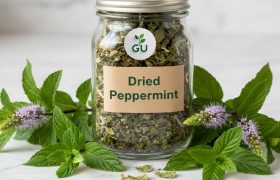
    • Dried Peppermint Leaves – strong, menthol-cool leaves that open up the chest and feel refreshing in the throat.
    • Dried Lemongrass Leaves – adds warmth and gentle digestive support.
    • Dried Marigold Petals – a beautiful, caffeine-free flower often used in herbal blends for general comfort and a touch of sunshine in your cup.

    What this blend is good for

    • Harmattan evenings
    • Scratchy throat or dry, uncomfortable feeling in the chest
    • Cozy, warming moments after being out in dusty air

    Ingredients (1 mug)

    How to brew

    1. Add all herbs to your mug or teapot.
    2. Pour 250 ml freshly boiled water over them.
    3. Cover and steep for 6–8 minutes.
    4. Strain, then inhale the steam gently before your first sip.

    Best time to drink

    • In the evening after a dusty commute
    • On cool mornings when your chest feels tight or dry

    ⚠️ Gentle reminder: This is a comfort tea, not a cure. If you have difficulty breathing, chest pain, fever or persistent symptoms, please speak to a doctor or qualified health professional quickly.


    Blend 3: Hormone-Friendly Comfort – Spearmint, Lemongrass & Marigold

    Some days feel heavier than others—bloating, moodiness, cramps, low energy. While herbal tea can’t fix everything, a gentle blend can be a kind companion on “PMS days”.

    Here we lean more on spearmint, which many women around the world enjoy as part of their hormone-friendly routines, along with lemongrass and marigold for warmth and comfort.

    We’ll use:

    What this blend is good for

    • Days when you feel bloated or low-energy around your cycle
    • Evening self-care with a hot water bottle and a calm playlist
    • Pairing with a grounding meal like pap, oats or plantain-flour porridge

    Ingredients (1 mug)

    How to brew

    1. Place all herbs in your mug/teapot.
    2. Add 250 ml freshly boiled water.
    3. Cover and steep for 7–10 minutes to build flavour.
    4. Strain and sip slowly. You can add a teaspoon of honey if you enjoy sweetness.

    Best time to drink

    • Late afternoon or evening, especially on days you feel crampy or easily irritated.

    ⚠️ If you’re pregnant, trying to conceive, on medication or managing a diagnosed hormone condition, please check with a health professional before using herbs regularly as part of your routine.


    Blend 4: Clear-Headed Focus – Menthol Mint, Sweet Basil & Lemongrass

    For those days when your brain feels foggy but you don’t want to rely on coffee, a bright herbal blend can help you feel more awake and refreshed—without caffeine.

    This blend features:

    • Dried Menthol Mint – stronger than regular mint, with a cool, sharp lift that wakes the senses.
    • Dried Sweet Basil – familiar kitchen herb with a cozy, savoury aroma that grounds the blend.
    • Dried Lemongrass Leaves – bright and citrusy, tying everything together and making the tea feel “clean”.

    What this blend is good for

    • Mid-morning or mid-afternoon slumps
    • Long work or study sessions
    • Replacing a second cup of coffee with something gentler

    Ingredients (1 mug)

    How to brew

    1. Add all herbs to your mug/teapot.
    2. Pour 250 ml freshly boiled water over them.
    3. Cover and steep for 5–7 minutes (shorter steep keeps it bright and lively).
    4. Strain and enjoy warm. You can also let it cool and sip as a room-temperature focus drink while you work.

    Best time to drink

    • Morning or afternoon, not too close to bedtime, because the cooling menthol can feel quite awakening.

    How to Build Your Own Signature Herbal Tea Blend

    Once you’ve tried the recipes above, you can start creating your own blends using the herbs you have at home. Here’s a simple framework:

    1. Choose your base

    Pick 1–2 herbs that will make up most of the blend:

    Use about 1–1½ teaspoons total of your base per mug.

    2. Add a “support” herb

    This is where you bring in extra character or focus:

    Use about ½–1 teaspoon of your support herb per mug.

    3. Finish with a “top note”

    Finally, add a small amount of something special:

    Usually ¼–½ teaspoon is enough for your top note in a 250 ml mug.


    General Safety Reminders

    Herbs are powerful, even when they feel gentle. Keep these in mind:

    • Start with small amounts and notice how your body responds.
    • If you’re pregnant, breastfeeding, on regular medication or managing a health condition, talk to a qualified health professional before drinking herbal blends daily.
    • Stop using any herb that makes you feel uncomfortable or triggers unusual symptoms.
    • Herbal tea is a supportive habit, not a replacement for medical care, medication or professional advice.

    Ready to Brew Your Next Mug?

    You don’t have to wait for a special occasion to enjoy herbal tea. Whether it’s:

    • A quiet evening cup of lavender, spearmint and lemongrass,
    • A harmattan comfort blend with Indian borage and peppermint, or
    • A clear-headed focus blend while you work,

    you can create something beautiful from simple, dried leaves on your shelf.

    Explore the full range of herbs in the
    👉 Green Unison Dried Herbs shop

    and start building your own cozy, health-supporting tea rituals—one mug at a time.
  • Seeded Pap: A Natural Hormone-Balancing Breakfast (PMS & PCOS Support) 🍵

    Seeded Pap: A Natural Hormone-Balancing Breakfast (PMS & PCOS Support) 🍵

    Ever heard of “seeded pap”? It’s a simple twist on the traditional pap (ogi/akamu) that could make a big difference in women’s hormonal health. 🥣 If you experience mood swings, cramps, or irregular cycles, this nutrient-packed pap bowl might become your new favorite breakfast. In this post, we’ll explore how adding seeds to your pap can support hormonal balance naturally – helping with PMS comfort and PCOS management – and which herbal teas to pair with it for maximum relief and relaxation.

    Why Your Hormones Will Love a Seeded Pap Bowl 🌼

    Pap (fermented corn porridge) is a beloved breakfast because it’s warm, soothing, and easy to digest. On its own, though, pap is mostly carbohydrates – great for quick energy, but not enough to keep you full or balance your blood sugar for long. Blood sugar spikes and crashes can worsen hormonal imbalances. The solution? Add protein, healthy fats, and fiber – which is exactly what seeds provide.

    • Seeds are little hormone helpers: Many seeds (like flax, pumpkin, sunflower, sesame) are packed with omega-3 fatty acids, zinc, selenium, and fiber that support healthy hormone production and metabolism. For example, flaxseed is rich in lignans that may help balance estrogen levels, and pumpkin seeds supply zinc which supports progesterone and can ease PMS symptoms. By mixing these into your pap, you’re essentially enriching your meal with hormone-friendly nutrients.
    • Steadier energy, less cravings: A seeded pap bowl contains more protein and fat than plain pap. Seeds like groundnuts (peanuts) are especially high in protein and good fats. This combo slows down the digestion of pap’s carbs, preventing the mid-morning crash. Steadier blood sugar = fewer mood swings and cravings, which is a win for anyone with PMS or Polycystic Ovary Syndrome (PCOS) who struggles with sugar cravings. (Bonus: protein and magnesium from seeds can also calm anxiety and improve mood.)
    • Reduced inflammation: Hormonal issues like PMS cramps or PCOS often come with inflammation. Seeds carry antioxidants and anti-inflammatory compounds. For instance, sesame and sunflower seeds are rich in vitamin E and selenium – nutrients known to help reduce inflammation and even support ovarian health. A more nutrient-diverse diet can mean calmer, happier hormones.

    Bottom line: Upgrading your pap into a “power bowl” by adding seeds turns it into a more balanced meal. Over time, this can help smooth out some hormonal ups and downs naturally (of course, results vary, and consistency is key). It’s food-as-medicine, built right into your breakfast! 🥄

    How to Make a Seeded Pap for Hormonal Balance 🔄

    Making a seeded pap is quick and flexible. You can use Instant Pap Powder to save time – it cooks in minutes and gives a smooth, creamy base. Here’s a simple method:

    1. Prepare your pap base: Mix 3–4 tablespoons of Pap powder with a little cold water to form a slurry, then pour into ~2 cups of boiling water on the stove. Stir continuously on low heat until it thickens into a creamy pap. (If using raw wet pap/ogi, prepare as usual.)
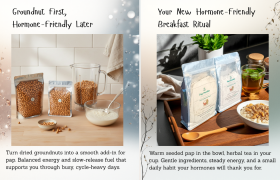
    2. Choose your seed boost: Add 1–2 tablespoons of ground seeds or nuts into the pap and stir well. Great options include ground flaxseed, chia, sunflower, or a spoonful of groundnut powder (blended roasted groundnuts). Even a dollop of peanut butter works! These will dissolve/thicken the pap slightly and infuse it with nutrients.
    3. Top it off: Sprinkle some whole seeds or crushed nuts on top for texture. For example, a teaspoon of pumpkin seeds or sesame seeds adds a pleasant crunch. You can also add sliced fruit (banana, berries) and a drizzle of honey or date syrup if you like it sweet – just keep added sugars moderate to stay hormone-friendly.
    4. Enjoy warm: Savor it slowly as a comforting morning bowl. The added seeds make it more filling, creamy and flavorful. Knowing it’s helping your body is the best part – each spoonful is rich in fiber and healthy oils that support your cycle.

    Tip: If you’re following the popular “seed cycling” method for hormone balance, you can tailor the seeds you add to pap based on your cycle phase (for example, flax & pumpkin seeds in the first half of your cycle, sesame & sunflower in the second half). While research on seed cycling is still emerging, it’s an easy and harmless practice that many women find beneficial. Your breakfast pap is an ideal place to do it! 😉

    Herbal Teas to Pair with Your Pap 🍵

    No wellness breakfast is complete without a soothing herbal tea, especially when we’re talking hormones. Here are a few gentle, caffeine-free teas that can complement your seeded pap and further support women’s health:

    • Spearmint Tea: Spearmint isn’t just refreshing – studies suggest it may help reduce excess androgen levels. This is helpful for women with PCOS dealing with symptoms like unwanted hair growth. A daily cup of spearmint tea has been linked to improved hormone balance and even more regular cycles for some ladies. Plus, it aids digestion (good for that full pap tummy). Brew 1–2 teaspoons of dried spearmint leaves in hot water, steep 5–10 minutes, and enjoy.
    • Ginger & Lemongrass Tea: If PMS cramps or bloating are your issue, ginger is a known natural remedy – it’s scientifically proven to ease menstrual pain (comparable to ibuprofen in some studies!). You can make a simple ginger tea at home. For added aroma, steep it with lemongrass leaves which have a bright citrusy flavor and help calm the nerves. This combo tea can act as a soothing tonic on those “ugh” days: it warms you up and reduces inflammation.
    • Marigold Tea: Surprise – those orange marigold petals aren’t just for the garden. Marigold tea made from dried marigold petals is traditionally used for menstrual comfort. It’s thought to help gently detox the body and relieve cramping thanks to its anti-inflammatory properties. The flavor is mild and floral. You can mix marigold with other herbs (like mint or lemon balm) for a tastier blend. Sip this especially during your PMS week for a bit of calming relief.
    • Peppermint or Lavender Tea: For stress relief and better sleep (important for hormone regulation!), peppermint and lavender are go-tos. A cup of peppermint tea after your pap can reduce any bloating and help you feel more clear-headed. Lavender isn’t typically consumed as a solo tea in Nigeria, but a lavender-mint infusion can be lovely for soothing anxiety. When we’re less stressed, our hormones stay happier – so don’t underestimate the power of unwinding with a warm herbal brew. 😊

    Feel free to rotate these teas depending on what your body needs each day. They are all caffeine-free, so they won’t jolt your cortisol (stress hormone) in the morning. In fact, taking 5 minutes to quietly enjoy your tea is a wonderful ritual to signal your body it’s safe and supported.

    Putting It All Together (Consistency is Key) 🎯

    Making one “super breakfast” won’t magically fix a hormone imbalance – but small habits, compounded over time, truly help. By regularly eating a balanced meal like seeded pap, you’re giving your body steady fuel and key micronutrients that many women are deficient in. Combine that with stress-busting steps (hello, herbal tea and a moment of calm) and you have a recipe for feeling better all month long.

    Many women with hormonal issues have reported feeling more energetic and fewer cravings by upgrading their breakfast this way. If you stick with it, you might notice: fewer mood swings by afternoon, less intense PMS symptoms, or more balanced skin (since blood sugar spikes can trigger acne too). And if you have PCOS, nourishing yourself with high-fiber, nutrient-dense foods is one of the best lifestyle approaches alongside any treatment your doctor recommends. It’s not a cure, but it’s an empowering way to care for yourself.

    Give it a try: Tomorrow morning, add a couple of spoonfuls of seeds to your pap and brew one of the herbal teas above. Savor it and see how you feel for the rest of the day. Over the next few weeks, this could become your secret weapon for that time of the month – or honestly, for any day you want to feel balanced and nourished. 🌸


    Ready to build your hormone-friendly pantry? Browse our WhatsApp catalog for all the natural goodies mentioned in this post – from pap powder to dried herbs. We’re happy to help you get started on your wellness journey. Questions or need a personalized recommendation? Just chat with us on WhatsApp – we’re one message away and ready to assist 😊.

    Cheers to happy hormones and delicious mornings! 💚

  • From Our Farm to Your Cup: How We Preserve Herbal Goodness in Every Dried Leaf

    From Our Farm to Your Cup: How We Preserve Herbal Goodness in Every Dried Leaf

    There’s something special about sitting down with a warm cup of herbal tea or stirring a spoonful of fragrant herbs into a simmering pot – especially when you know exactly where those leaves came from and how they were treated along the way.

    In this behind-the-scenes look, we’re taking you on the journey our dried herbs make – from our fields to your cup – and how we protect flavour, aroma and quality at every step.

    If you’ve ever wondered:

    • How are these dried herbs actually made?
    • What makes one brand more trustworthy than another?
    • How do I get the best flavour in my tea or cooking?

    …this guide is for you. 🌿


    What “Farm to Cup” Means for Our Dried Herbs

    “Farm to cup” is simple to say, but it’s a long chain of careful decisions.

    For us, it means:

    • We grow or work directly with growers for the herbs we dry.
    • We control the key steps: harvesting, drying, storage and packing.
    • We avoid shortcuts that might save time but damage flavour, colour or aroma.

    So when you brew a cup of tea made with our dried herbs, you’re tasting leaves that have been gently handled from the field all the way to your kitchen shelf.


    Step 1: Growing Herbs with Care

    Good dried herbs always start as healthy, vibrant plants.

    On our farm in Iperu Remo, Ogun State, we focus on:

    • Healthy soil – building soil with compost and organic matter rather than depending on harsh chemicals.
    • Thoughtful planting – giving herbs enough space, sun and airflow so they grow strong, not stressed.
    • Minimal intervention – we prefer gentle, nature-friendly approaches to keep plants thriving.

    This careful start is what later becomes your:

    Each one starts life as a fresh, living plant before the drying ever begins.


    Step 2: Harvesting at the Right Moment

    The timing of harvest is one of the quiet secrets of quality.

    We aim to:

    • Harvest when leaves are full of natural oils (which carry the aroma and flavour).
    • Avoid harvesting when plants are stressed or waterlogged.
    • Handle leaves gently, so they don’t get bruised before drying.

    You can think of it this way: the better the herb smells in the field, the better it will smell in your jar.


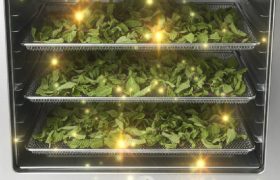
    Step 3: Gentle Drying – Locking In Aroma and Flavour

    Drying is where many herbs lose their magic if it’s done too fast or too hot.

    We rely on carefully controlled drying rather than intense, harsh heat. That means:

    • Warm, carefully controlled conditions rather than scorching temperatures.
    • Leaves spread out so air can move around them.
    • Patience – allowing herbs to dry fully without rushing.

    This slow, even drying helps:

    You’ll notice the difference when you open a pouch of dried lemongrass leaves or dried lavender, and the scent greets you immediately.


    Step 4: Thoughtful Storage and Food-Safe Packing

    Once herbs are fully dry, the next big enemy is moisture and light.

    To protect quality, we:

    • Store dried herbs in airtight containers in a cool, dry place before packing.
    • Pack them into resealable, stand-up pouches that keep out moisture and dust.
    • Store them away from direct sunlight and heat until they’re ready to ship.

    On your side at home, a few simple habits help keep them fresh for longer:

    • Seal the pouch tightly after each use.
    • Keep herbs in a cool, dry cupboard (not right above a steamy cooker).
    • If you decant into jars, use clean, airtight glass and label the jars with the date.

    A quick rule of thumb: if the herbs no longer smell fragrant when you crush a small pinch between your fingers, it’s time to refresh your stash.


    Step 5: From Shelf to Cup – Brewing Dried Herbs the Right Way

    How you brew your herbs also affects what ends up in your cup.

    Here’s a simple starting guide you can follow for most of our dried herbs for tea:

    Basic Herbal Tea Method (Per Mug)

    • Herbs: 1–2 teaspoons of dried leaves or petals
    • Water: 250 ml freshly boiled water
    • Time: 5–10 minutes of steeping, covered

    Steps:

    1. Add the herbs to a mug, teapot, or infuser.
    2. Pour in hot water and cover – this helps trap the delicate aroma.
    3. Steep for 5–10 minutes, depending on how strong you like it.
    4. Strain and sip. You can sweeten it with honey or sugar, or enjoy it plain.

    You can use this method for:

    For deeper recipes and step-by-step photos, you can also read:


    Not Just for Tea: Cooking and Everyday Uses

    Because our herbs are food-grade, you can use them beyond tea:

    For more ideas, you might enjoy:

    Note: All tips in this post are for culinary, home and general lifestyle use only and are not medical advice.


    Frequently Asked Questions About Dried Herbs

    1. Are dried herbs as good as fresh?

    Fresh and dried herbs each have their role.

    • Fresh herbs are lovely for garnish and quick, bright flavours.
    • Dried herbs are concentrated, convenient and easier to store.

    When herbs are dried properly at low heat and stored well, you only need a small amount to add plenty of flavour and aroma to drinks and cooking.

    2. How long do dried herbs last?

    Flavour and aroma naturally soften over time.

    • Unopened packs are best enjoyed within about 12 months when stored correctly.
    • Once opened, aim to use them within about 6 months for the best aroma and taste.

    Always trust your senses:

    • If the colour has faded a lot, or
    • The aroma is weak when you crush the leaves between your fingers,

    …it’s a sign to top up with a fresh batch.

    3. Can I blend different herbs in one cup?

    Yes, absolutely. Some simple ideas:

    • Mint + Lemongrass – bright and refreshing.
    • Peppermint + Lavender – cooling and aromatic.
    • Mint + Sweet Basil + Lemongrass – layered herbal flavour for savoury broths.

    Start small, take a sip, and adjust the ratio until you find your favourite mix.

    4. Can I use the same herbs for tea and cooking?

    Yes. Many of our herbs are versatile:

    Just remember that dried herbs are more concentrated than fresh, so you usually need less.

    5. How are your dried herbs different from what I might find elsewhere?

    A few key differences:

    • We focus on low-heat drying, not harsh heat that can burn away aroma.
    • Our herbs are sorted and cleaned carefully, with food-safe handling.
    • We use resealable, food-grade pouches, not thin bags that let in moisture.
    • You know exactly where they come from – straight from our farm and trusted partners.

    Ready to Taste the Difference? 🌿

    If you’ve been curious about trying dried herbs for tea, cooking or home projects, this is a great time to start.

    Explore our full range of dried herbs here:

    You can order directly on the website or use WhatsApp if that’s easier for you:

    Whether you’re brewing a quiet evening cup, stocking your pantry, or exploring gentle, nature-based projects at home, we’re here to make sure every dried leaf from our farm to your cup is worth savouring. 💚

  • Refreshing Ways to Use Dried Peppermint Leaves in Beverages

    Refreshing Ways to Use Dried Peppermint Leaves in Beverages

    Dried peppermint leaves are a versatile ingredient that can infuse your beverages with a cool, aromatic flavor. Here are some delightful ways to incorporate them into your drinks:


    1. Classic Peppermint Tea

    Ingredients:

    • 1–2 teaspoons of dried peppermint leaves
    • 1 cup boiling water

    Instructions:

    1. Add the dried peppermint leaves to a cup or teapot.
    2. Pour boiling water over the leaves.
    3. Steep for 5–10 minutes, depending on your flavor preference.
    4. Strain the leaves and enjoy your tea hot, or let it cool for iced tea.

    Optional Enhancements: Sweeten with honey, add a splash of lemon, or drop in a cinnamon stick for a cozy twist.


    2. Iced Peppermint Tea

    Ingredients:

    • 1 tablespoon dried peppermint leaves
    • 4 cups boiling water
    • Ice

    Instructions:

    1. Steep the dried peppermint leaves in boiling water for 10 minutes.
    2. Strain the tea and let it cool to room temperature.
    3. Pour over ice and serve.

    Optional Flavorings: Add a splash of lemon juice or fresh fruit slices for a zesty twist.


    3. Peppermint-Infused Water

    Ingredients:

    • 1–2 teaspoons dried peppermint leaves
    • 1 liter cold water

    Instructions:

    1. Add the dried peppermint leaves to a pitcher of cold water.
    2. Let it infuse in the refrigerator for 2–4 hours.
    3. Strain the leaves and serve chilled.

    Optional Additions: Enhance the infusion with cucumber slices, lime wedges, or fresh berries.


    4. Mint-Infused Lemonade

    Ingredients:

    • 1 tablespoon dried peppermint leaves
    • 1 liter of lemonade

    Instructions:

    1. Steep the dried peppermint leaves in 1 cup of hot water for 5 minutes.
    2. Strain the infusion and mix it into your lemonade.
    3. Serve chilled or over ice for a refreshing treat.

    5. Peppermint Cocktail or Mocktail

    • Peppermint Mojito:
      1. Crush a teaspoon of dried peppermint leaves with sugar and lime juice at the bottom of a glass.
      2. Add ice, soda water, and a splash of rum (optional).
      3. Stir well and garnish with a lime wedge.
    • Peppermint Spritzer:
      1. Brew a strong peppermint tea and let it cool.
      2. Mix with sparkling water and sweeten with a touch of honey or agave syrup.

    6. Peppermint Milk or Hot Chocolate

    Ingredients:

    • 1–2 teaspoons dried peppermint leaves
    • 1 cup milk or hot chocolate

    Instructions:

    1. Heat the milk or prepare your hot chocolate.
    2. Add the dried peppermint leaves and simmer gently for 5 minutes.
    3. Strain the leaves before serving for a creamy, minty delight.

    Tips for Using Dried Peppermint in Beverages

    • Use a tea infuser or muslin bag for easier straining.
    • Adjust the quantity of peppermint leaves to match your preferred intensity.
    • Pair peppermint with other herbs like chamomile, hibiscus, or green tea for unique flavor combinations.

    With these ideas, dried peppermint leaves can become a staple for crafting refreshing, comforting, and creative beverages. Whether you’re sipping hot tea or enjoying a chilled mocktail, peppermint adds a fresh burst of flavor that’s sure to impress! 🌿