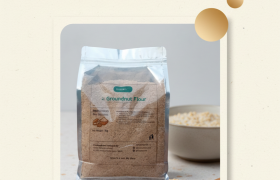
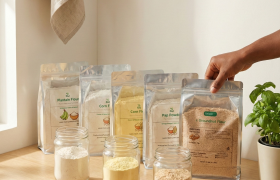
Tag: GroundnutFlour

  • Wholesome Luxury at Your Door: Same-Day Delivery in Ago Iwoye, Ibadan & Abeokuta

    Wholesome Luxury at Your Door: Same-Day Delivery in Ago Iwoye, Ibadan & Abeokuta

    It usually starts the same way.

    A student gets back from lectures, opens the cupboard and realises there’s nothing simple to eat.
    A mum remembers she promised “hot pap” in the morning… then remembers she’s out of pap powder.
    An eco-conscious shopper wants clean staples, but doesn’t want to keep jumping from place to place hoping the quality is right.

    And then comes the line we’ve heard too many times:

    “I’ve been looking for this.”

    If that’s you, we have good news: your search ends here.
    Green Unison can now deliver to you the same day you place your order in Ago Iwoye, Ibadan and Abeokuta (we’ll confirm your delivery window on chat based on time of order and route).

    Wholesome luxury has come closer — knocking on your door.

    What you can order for same-day delivery

    These are the pantry staples people keep coming back for (and yes, you can stock up):

    Want to browse everything in one place?
    Explore the full shop here: greenunison.com/shop

    A small story from three doorsteps

    1) The student who needed something fast

    It’s late afternoon. You’re tired. You want something familiar that doesn’t take forever.

    That’s where staples like pap powder and corn flour shine: quick meals, easy routines, less stress.

    Now imagine sending a message, placing your order… and knowing it can arrive that same day.

    2) The mum who just wants tomorrow morning to go smoothly

    Mornings move quickly. When the basics are in the house, everything feels calmer.

    A small pack of Pap Powder (200g) is perfect for “let me just start with this” moments.
    Bigger packs are for families that don’t want to keep running out.

    3) The eco-conscious shopper who is tired of the endless search

    Quality matters. But so does time, transport and the mental load of “Where can I find the good one?”

    This is the heart of the update:
    wholesome luxury has come closer — so you don’t have to keep going farther.

    How same-day delivery works (simple)

    1. Choose what you want (product + size).
    2. Message us with your location (Ago Iwoye / Ibadan / Abeokuta + your area).
    3. We confirm availability, total cost and delivery fee, then dispatch.
    4. Receive your order same day (based on confirmation/time of order and route).

    Prefer to buy through a reseller near you?

    We’re building access community by community. You can also order via our resellers:

    • Amuloko, Ibadan (Oyo State)
    • Pagun, Ibadan (Oyo State)
    • Abeokuta (Ogun State)
    • Mariam, Ago Iwoye (Ogun State)
    • …and more to come

    Quick ideas: what to do with these staples

    If you’re stocking up, here are a few simple ways people use them:

    • Pap Powder: quick breakfast pap, or set pap (eko style) for home routines
    • Plantain Flour: swallow, quick thickener for soups, or simple pancakes
    • Corn Flour (white/yellow): swallow, porridge base, or light baking experiments
    • Groundnuts / Groundnut Flour: snacks, blends, and add-ins for flavour and satisfaction

    Kind note: our blog content is for general food inspiration and everyday cooking guidance — not medical advice.

    FAQs

    Do you really deliver the same day?

    Same-day delivery is available in Ago Iwoye, Ibadan and Abeokuta. We’ll confirm your delivery window once you message (it depends on time of order and route).

    What if I’m not sure what size to buy?

    Start small if you’re testing: 200g is available for Plantain Flour and Pap Powder. For regular cooking, 500g is a solid middle option; 1kg is great for families and repeat meals.

    White or yellow corn flour — which should I pick?

    Choose based on preference: white is classic and neutral; yellow is slightly richer in colour. Both work for swallow and other meals.

    Do you ship outside these cities too?

    Yes — you can still order via the shop, but this post is specifically for same-day delivery within Ago Iwoye, Ibadan and Abeokuta.

    Any allergy notes?

    Groundnuts and groundnut flour are not suitable for anyone with a peanut allergy. Always check before serving to guests or children.

    Order now (quick links)

    Your search is over. Wholesome luxury has found you

  • Groundnut Flour as a “One-Spoon Upgrade” for Breakfast (5 easy ways)

    Groundnut Flour as a “One-Spoon Upgrade” for Breakfast (5 easy ways)

    Some mornings, breakfast happens in a rush: a quick bowl, a quick drink, and you’re out the door… then you’re hungry again far too soon.

    Here’s a tiny habit that can change how breakfast feels—without changing your whole life:

    The One-Spoon Upgrade: add 1 tablespoon of groundnut flour to what you already eat.

    It’s simple, it’s tasty, and it works brilliantly with familiar breakfasts like pap, oats, smoothies, cereal, or pancakes.

    Quick note: Groundnuts are peanuts. If you have an allergy, please skip this completely.


    What is groundnut flour?

    Groundnut flour is finely milled groundnuts—that’s it.
    It adds a naturally nutty flavour, and it’s an easy way to add more body to breakfasts that can feel “light”.

    If you’ve never tried it, start small: 1 tablespoon. Your tastebuds will tell you how fast to level up.


    The One-Spoon Rule (so you don’t get lumps)

    If you’ve ever added groundnut flour straight into hot pap or hot oats and it clumped… you’re not alone.

    Use this simple method:

    1. Put 1 tablespoon groundnut flour in a bowl/cup.
    2. Add 2–3 tablespoons of cool water (or milk) and stir to make a smooth paste.
    3. Pour it into your breakfast and stir well.

    That’s it. Smooth, no lumps, better texture.


    5 breakfasts that love groundnut flour

    1) Pap (ogi/akamu)

    Pap is comfort—groundnut flour makes it feel more “complete”.

    How to do it:
    Mix 1 tablespoon groundnut flour with cool water → stir into pap → add your preferred sweetener and toppings.

    Taste tip: A little goes a long way. Start with 1 tablespoon before trying 2.


    2) Oats

    If you like your oats thicker and more filling, this is a game-changer.

    How to do it:
    Stir in the groundnut flour paste during the final 1–2 minutes of cooking.


    3) Smoothies

    This is one of the easiest places to start because blending handles the texture.

    How to do it:
    Add 1 tablespoon directly into the blender with banana, milk, yoghurt, or your usual mix.


    4) Breakfast pancakes

    You can add groundnut flour to pancake batter for extra nutty flavour.

    How to do it:
    Add 1 tablespoon to your batter and whisk well (or blend).


    5) Cereal / granola bowls

    If you enjoy a crunchy cereal bowl, groundnut flour can make the milk feel richer.

    How to do it:
    Mix the groundnut flour paste into your milk first, then pour over your bowl.


    A simple 7-day “one-spoon” routine (no stress)

    • Mon: Pap + 1 spoon groundnut flour
    • Tue: Oats + 1 spoon groundnut flour
    • Wed: Smoothie + 1 spoon groundnut flour
    • Thu: Pap + 1 spoon groundnut flour
    • Fri: Oats + 1 spoon groundnut flour
    • Sat: Pancakes + 1 spoon groundnut flour
    • Sun: Cereal bowl + 1 spoon groundnut flour

    Repeat what you loved. Drop what you didn’t. Keep it easy.


    Common questions

    Is groundnut flour the same as peanut butter?

    Not quite. Peanut butter is a paste (with a different texture and use). Groundnut flour is dry and mixes differently—especially in pap, oats, and baking.

    How much should I use?

    Start with 1 tablespoon per serving. If you enjoy it and your breakfast can carry it, try 2 tablespoons.

    Can I add it to hot food?

    Yes—just mix with cool liquid first to reduce clumping.

    Who should avoid it?

    Anyone with a groundnut/peanut allergy should avoid it completely.


    Storage tips (to keep it fresh)

    • Keep it sealed after use.
    • Store in a cool, dry place away from heat.
    • If your kitchen runs warm, keeping it chilled can help it stay fresher for longer.

    Ready to try the One-Spoon Upgrade?

    Shop Groundnut Flour:
    Nature Powered Groundnut Flour → https://greenunison.com/product/nature-powered-groundnut-flour/

    Prefer to order on WhatsApp?
    Catalogue: https://wa.me/c/2348103043789

    Chat to order: https://wa.me/2348103043789?text=Hi%20Green%20Unison%20%F0%9F%91%8B%F0%9F%8F%BE%20I%E2%80%99d%20like%20to%20order%20Nature%20Powered%20Groundnut%20Flour%20for%20my%20breakfast%20%E2%80%9Cone-spoon%20upgrade%E2%80%9D.%20Please%20share%20available%20sizes%2C%20prices%2C%20and%20delivery%20options.%20Thank%20you%21

    Or visit: greenunison.com

  • Your Flour & Pap Powder Care Guide: How To Beat Weevils, Moisture And Bad Smells

    Your Flour & Pap Powder Care Guide: How To Beat Weevils, Moisture And Bad Smells

    Keep your plantain, corn, pap and groundnut flours fresh, bug-free and smelling clean with simple flour storage habits that work in warm, humid kitchens.

    Have you ever opened your bag of flour to make a quick meal — maybe a bowl of creamy ogi or soft amala ogede — and instead met tiny insects or a strange smell? 😖 It is a common pantry problem in warm, humid climates where unsealed flour easily becomes a weevil playground or starts to clump and smell off.

    The good news: with a few simple habits, you can beat weevils, moisture and bad smells and get the best out of your Smooth Plantain Flour (Elubo Ogede) , Silky White/Yellow Corn Flour , Instant Pap Powder (Ogi/Akamu) and Finely-ground Groundnut Flour .

    This guide breaks everything down in plain language, so every scoop from your pantry still feels fresh and safe.

    What Makes Flour Go Bad?

    Flour looks dry and harmless, but three quiet enemies can spoil it if we are not careful: insects, moisture and air.

    • Pantry weevils (flour bugs) — Tiny brown beetles that love grains and flours. They often arrive as invisible eggs inside the grain or flour. Once they hatch, they turn your bag into a home and food source.
    • Moisture and mould — Flour absorbs moisture from the air. In a humid kitchen, that moisture can turn into soft clumps and eventually mould. Mouldy flour may show fuzzy spots or develop a musty odour.
    • Air and rancidity — When flour, especially one with natural oils such as groundnut flour, sits open for too long, oxygen slowly breaks the oils down. This process (oxidation) leads to a sharp, stale or paint-like smell and an unpleasant taste.

    The key to good flour care is simple: keep bugs out, keep moisture out, and limit air contact. The next sections show exactly how to do that at home.

    Beat the Bugs: How to Keep Weevils Out of Your Flour

    Nobody enjoys discovering “extra protein” in their pap or swallow. Here is how to keep weevils far away from your flour shelf.

    1. Move flour into airtight containers

    After opening any pack of flour, do not just roll the top and hope for the best. Pour it into a clean, airtight container or keep it in the original resealable pouch, squeezing the air out before sealing.

    Good options include:

    • Glass jars with tight lids
    • Food-grade plastic containers with snap lids
    • The original Green Unison resealable pouch zipped properly after each use

    Airtight containers make it harder for insects to crawl in and also stop any eggs that might already be present from spreading around your pantry.

    2. Use the freezer trick for new flour

    One science-backed tip used in many kitchens worldwide is simple: freeze your new flour for a few days after you buy it.

    When you bring home a fresh bag of:

    place the sealed bag in your freezer for around 3–5 days. Deep cold helps to stop any hidden insect eggs from surviving long enough to hatch. After freezing, let the bag come back to room temperature before you open it, so condensation does not form inside.

    3. Keep shelves clean and crumbs away

    Weevils and other pantry pests love leftover grains or crumbs. If there is spilt flour in your cupboard, it acts like a free buffet.

    Make it a habit to:

    • Wipe and sweep shelves regularly
    • Clean up any flour spills immediately
    • Check corners and cracks — vacuum or wipe them, especially if you have had bugs before

    A clean pantry makes it harder for pests to settle in or move from one food item to another.

    4. First in, first out

    Try not to forget half-used bags at the back of the cupboard. The longer flour sits, the more time insects have to appear.

    Use a simple rule: first in, first out. Finish older flours before newer ones and label containers with the date you opened them so you can keep track.

    Keep It Dry: Protect Your Flour from Moisture and Mould

    Moisture is one of the quickest ways to ruin flour. Once water gets in, clumps, mould and sour odours are not far behind.

    1. Choose a cool, dry cupboard

    Keep flour on a shelf that is:

    • Away from the cooker, kettle and steamy pots
    • Away from the sink or any leaks
    • Not directly against a damp wall

    A cool, dry, dark cupboard is best. Warm, humid air speeds up spoilage and encourages mould growth.

    2. Seal properly after every use

    Each time you scoop flour, close it back immediately. If the flour stays open while you cook, steam and moisture can easily get inside the bag or container.

    Simple habits:

    • Use only clean, dry spoons (no wet cups or damp hands)
    • Close the zip on the pouch all the way to the end
    • Check that container lids are really tight

    3. Be careful with the fridge or freezer

    The fridge or freezer can help with freshness, especially for groundnut flour, but only if the flour is stored in an airtight container.

    If a container is not tightly sealed, cold air can cause condensation when you bring it back to room temperature, and that moisture can sit directly on your flour.

    So if you refrigerate any flour:

    • Use a proper airtight jar or bag
    • Let the container come back to room temperature before opening it

    Fresh, Not Funky: Prevent Bad Odours and Rancidity

    A quick sniff is one of the easiest ways to check flour quality. Fresh flour has a mild, neutral or lightly nutty smell. Spoiling flour usually tells on itself.

    1. Understand shelf life

    The exact shelf life depends on how much natural oil is in the flour:

    • Smooth Plantain Flour & Silky White/Yellow Corn Flour are relatively low in oil. Properly stored, they usually keep their best quality for several months after opening.
    • Instant Pap Powder is completely dry but should be kept bone dry so the fermented grains do not pick up extra moisture.
    • Groundnut Flour contains plenty of natural peanut oil. That oil is great for flavour, but it also means the flour can turn rancid faster if left in heat or light.

    Always check the best before date on the pack and aim to finish an opened pack within a few months for the best aroma and taste.

    2. Chill high-oil flours for longer freshness

    For flour with more natural oil, such as Groundnut Flour , the fridge or freezer can slow down rancidity.

    Simple approach:

    • Store groundnut flour in an airtight container in the fridge after opening if you want it to stay fresh beyond 2–3 months.
    • For very long storage, keep it in the freezer, also airtight, and bring out only what you need.

    Remember to let the container reach room temperature before opening to avoid moisture forming inside.

    3. Keep flours away from strong smells

    Flours quietly absorb odours from their environment. If you keep them next to very strong spices, cleaning products or kerosene, they can pick up strange flavours.

    Give your flours their own corner, away from:

    • Very strong spices (like curry mixes, stock cubes and dried fish)
    • Chemicals or detergents
    • Anything with a strong smell

    A dedicated flour section helps every bag stay neutral and versatile.

    4. Always do a quick check before using

    Before you cook, take a moment to:

    • Look: Does the flour look normal? No unusual colours, no visible mould, no insects?
    • Smell: Does it smell fresh and mild? Any sour, bitter, musty or paint-like odour means it is time to throw it away.
    • Feel: Is it loose and powdery? Hard lumps or dampness suggest moisture problems.

    When in doubt, it is safer to discard and start with a fresh pack. No recipe is worth using spoiled flour.

    How to Care for Each Green Unison Flour

    Here is a quick, practical guide for the four flours most people keep in their pantry.

    Smooth Plantain Flour (Elubo Ogede)

    Smooth Plantain Flour is made from gently dried, finely milled unripe plantain slices. It is naturally gluten-free and grain-free, perfect for instant amala ogede, thickening soups, baby foods and even some baking.

    • Store unopened packs in a cool, dry cupboard.
    • After opening, keep in the resealable pouch or an airtight container.
    • Use a clean, dry scoop every time — no wet utensils.
    • Try finishing an opened pack within about 6 months for best quality, following the pack storage advice.

    For cooking inspiration, you can pair this storage guide with your earlier reading on recipes, then come back and store your flour like a pro.

    Silky White/Yellow Corn Flour

    Silky White/Yellow Corn Flour is finely milled for smooth, lump-free tuwo masara and other dishes. Because it comes from whole maize, it contains natural oils and should be treated with care.

    • Store in a cool, dry cupboard away from direct heat.
    • Keep tightly sealed after every use to keep out bugs and moisture.
    • If you buy in bulk and know it will sit for a while, consider refrigerating a portion in an airtight container.
    • Use older stock first so nothing stays forgotten for too long.

    Want to perfect your swallow technique as well as your storage? Read the full step-by-step cooking guide: How to Prepare Corn Flour for Swallow (Tuwo Masara): Smooth, Simple & Wholesome .

    Instant Pap Powder (White/Yellow Ogi/Akamu)

    Instant White/Yellow Pap Powder is traditionally fermented and then fully dried, so you can make ogi or eko in minutes. To keep that tangy, comforting taste, it must stay completely dry.

    • Store sealed in a cool, dry cupboard.
    • Use only dry spoons when scooping.
    • Reseal immediately after each use.
    • If you ever notice an unusually sharp sour odour, visible mould or heavy clumping, it is time to replace it.

    Finely-ground Groundnut Flour

    Finely-ground Groundnut Flour is made from lightly roasted groundnuts, milled to a smooth, aromatic flour. It is rich in natural oils, which makes it flavourful but also more sensitive to heat and air.

    • Store unopened packs in a cool, dry place away from direct sunlight.
    • After opening, keep in an airtight container and refrigerate for best freshness.
    • For very long storage, freeze in small portions and bring out only what you need.
    • Always do a smell test before use. Any sharp, bitter or paint-like odour means the flour has turned and should be thrown away.

    For ideas on how to use groundnut flour once you have stored it properly, you can check: Power Up Your Pap & Smoothies with Natural Groundnut Goodness . If you enjoy working with whole nuts too, there is also a helpful guide: No Sand, No Stress: Roasting Groundnuts with Garri .

    When to Say Goodbye: Clear Signs Your Flour Is Spoiled

    Even with the best storage habits, an old pack might sometimes slip through. Here are clear warning signs that it is time to let that flour go:

    • Visible insects or webs — Any weevils, larvae or web-like threads in the flour mean it should be discarded immediately.
    • Mould or strange colours — Green, blue, grey or fuzzy patches are mould. Do not try to rescue or sieve and use. Simply dispose of it.
    • Strong off odour — Sour, bitter, musty or paint-like smells show spoilage or rancidity.
    • Heavy, damp clumps — A few small clumps that break easily may be from settling, but big hard lumps or a damp feel are a red flag.
    • Bad taste — If a tiny pinch tastes bitter, stale or strange, do not cook with it.

    Throwing out flour can feel painful, but it is much better than ruining your food or serving something that is clearly past its best.

    Practical Bonus Tips for Everyday Flour Care

    • Buy the right quantity — It is tempting to buy a lot at once, but only stock what you can finish in a reasonable time. You can always reorder.
    • Divide big bags — If you buy 5 kg of flour, pour it into smaller containers. Keep one container for daily use and leave the rest sealed.
    • Use a dedicated scoop — Keep a small dry scoop inside or next to your flour containers so you are less likely to dip in a wet cup.
    • Do a monthly pantry check — Once a month, quickly inspect your flours. It takes just a few minutes and saves surprises later.

    With these habits, your flour stops being a source of stress and becomes something you can trust every time you cook.

    Ready to Give Your Flours Better Care?

    With airtight storage, cool shelves, a little freezer trick and regular checks, you can keep your plantain flour, corn flour, pap powder and groundnut flour fresh, smooth and ready for everyday use.

    Once you have sorted your pantry, you can confidently enjoy:

    • Soft, stretchy amala ogede that cooks without lumps
    • Smooth tuwo masara with no surprise visitors
    • Comforting pap that smells clean and tastes right
    • Rich, nutty soups and smoothies powered by fresh groundnut flour

    At Green Unison, we already handle careful drying, milling and packing for you. All you have to do is finish the journey at home with good flour care.

    Shop Fresh Flours and Get Personal Help

    Ready to restock with flours that arrive already carefully dried and packed in resealable pouches? Explore our flours collection here: Green Unison Flours eShop .

    You can also browse all flours directly in our WhatsApp catalogue.

    Prefer to chat with a real human before buying? Send us a message on WhatsApp and we will help you pick the right combination of flours for your home: chat with us on WhatsApp .

    Share this guide with someone who is tired of “moving flour” and mystery smells. Their pantry will thank you. 😊

  • Local Superfoods in Your Pantry: Corn, Plantain & Groundnut Flour Nutrition Unpacked

    Local Superfoods in Your Pantry: Corn, Plantain & Groundnut Flour Nutrition Unpacked

    If your kitchen already has corn flour, plantain flour and groundnut flour, you’re sitting on a mini “superfood corner” without even realising it.

    These three pantry staples are more than swallow and pap ingredients. Used well, they can help you:

    • build more satisfying meals from simple ingredients
    • enjoy familiar local foods with a little more balance
    • reduce how often you rely on heavily processed snacks

    In this post, we’ll unpack – in plain language – what each flour brings to your plate, plus simple, realistic ways to use them every day.

    Kind note: This article is for general food inspiration only and is not medical or nutrition advice. Always speak with a qualified health professional for personalised guidance.


    What makes these flours “local superfoods”?

    “Superfood” is a marketing word, but there is something special about everyday flours made from whole local crops:

    • Corn flour – a source of complex carbohydrates, some fibre and naturally occurring vitamins and minerals that provide gentle, steady energy.
    • Plantain flour – made from unripe plantain, offering complex carbs, fibre and resistant starch, with a mild flavour that fits breakfast, swallow and snacks.
    • Groundnut flour – a concentrated way to add plant protein, healthy fats and flavour to simple meals like pap, soups and smoothies.

    When the flours are carefully dried and finely milled – like the nature-powered flours from Green Unison – you get the benefits of the original crop in an easy, scoopable form.

    You can explore the full range here:

    Now let’s break down each one.


    Corn flour: familiar comfort and steady energy

    Corn flour has always been a comfort staple – from tuwo and pap to simple home baking.

    When it’s milled from whole maize and left unsieved, you keep more of the natural bran and germ, which means:

    • a steadier release of energy compared with many refined flours
    • a bit more fibre to support comfortable digestion
    • naturally occurring B-vitamins and minerals from the grain itself

    Green Unison’s Silky White/Yellow Corn Flour – Effortless Use is finely milled so it mixes quickly and cooks evenly, whether you’re making swallow, pap or a batter.

    Everyday ways to use corn flour

    You don’t need a big recipe book. Small, repeatable moves are enough:

    1. Soft swallow for busy days
      Make a smooth, lump-free bowl of tuwo masara for those evenings when you want something lighter but still satisfying.
    1. Pap for gentle mornings
      Swap part of your usual pap base with corn flour or use Green Unison Instant White/Yellow Pap Powder (Ogi/Akamu) – Easy on the Kitchen for days when you need breakfast quickly.
    2. Light baking and snacks
      Blending a little corn flour into wheat flour can soften the texture of homemade bakes.
      For ideas, see:
      👉 Bake Bakery-Style at Home with Wholegrain Corn Flour (White & Yellow)
      👉 Fluffy Corn-Flavoured Pancakes: A Naturally Sweet Breakfast with Green Unison

    Plantain flour: green plantain in a scoop

    Plantain flour (especially from unripe plantains) is one of those quiet heroes in the cupboard.

    Because it’s made from green plantain, gently dried and milled, it naturally contains:

    • complex carbohydrates that help you feel properly fed
    • fibre and resistant starch, which support a steady, gentle release of energy
    • potassium and other naturally occurring minerals found in plantain

    Green Unison Smooth Plantain Flour (Elubo Ogede) – No Sieving Needed is milled finely enough for swallow and porridge, so it fits into both weekday and weekend routines.

    Everyday ways to use plantain flour

    1. Swallow that feels light but satisfying
      When you want something different from the usual swallows, plantain flour is a great option – soft on the tongue yet filling enough to carry your favourite soups.
    2. 10-minute breakfast porridge
      Turn plantain flour into a creamy bowl instead of always reaching for oats or custard.
      Try this guide:
      👉 10-Minute Smooth Plantain Flour Power Porridge (No Oats Needed)
    3. Snack and dessert twist
      A small amount of plantain flour can be blended into pancake batters, waffle mixes or simple home snacks for a gentle sweetness and extra body.
    4. Soft, guilt-friendly treats
      If you enjoy experimenting, this article shows how plantain flour can transform a favourite street snack:
      👉 Guilt-Free Puff-Puff: The Plantain Flour Revolution