Tag: CookingTips

  • Tuwo Masara for Beginners: Smooth, Stretchy, Lump-Free Every Time

    Tuwo Masara for Beginners: Smooth, Stretchy, Lump-Free Every Time

    Prep time: 5–10 minutes
    Cook time: 10–15 minutes
    Serves: 2–3 (adjust proportions as needed)

    Tuwo Masara — a comforting corn-flour swallow — should be soft, smooth and hold together without crumbling. If you’ve had trouble with lumpy tuwo or a swallow that breaks apart, this beginner-friendly guide is for you. It focuses only on using finely milled corn flour (the kind sold for swallow preparation) and gives clear, repeatable steps that remove the guesswork.

    Why this method works: start with a thin slurry so the flour disperses evenly, cook a stable base, then add the remaining flour slowly while stirring. A final short steam ensures the centre cooks through and the tuwo binds together for a stretchy, lump-free finish.


    Ingredients & tools

    Ingredients (approximate — scale to suit):

    • 1 cup finely milled corn flour (white or yellow) — see product link below
    • 2–2½ cups water (for ~1 cup corn flour) — plus a little extra if needed
    • A pinch of salt (optional)

    Tools:

    • Heavy-bottomed pot or saucepan
    • Sturdy wooden spoon or heatproof spatula (a turning stick is ideal)
    • Small mixing bowl for the slurry
    • Measuring cup and spoon

    Order fine corn flour: Green Unison Finely Milled Corn Flour — suitable for tuwo masara and made for smooth mixing. You can also browse all our flours here: https://greenunison.com/shop/


    Quick explanation: why lumps and breakage happen

    • Dry flour dumped into hot water causes clumps that are hard to break down.
    • Coarse flour or unsieved flour doesn’t dissolve evenly, leaving a grainy texture.
    • Too little water makes a dry, crumbly dough that falls apart.
    • Insufficient cooking/steaming leaves the centre undercooked and prone to breaking.

    The instructions below address each of these issues.


    The Smooth Tuwo Method — step-by-step

    This two-stage method (slurry → gradual dry add) is the simplest and most reliable for beginners.

    1. Heat the water
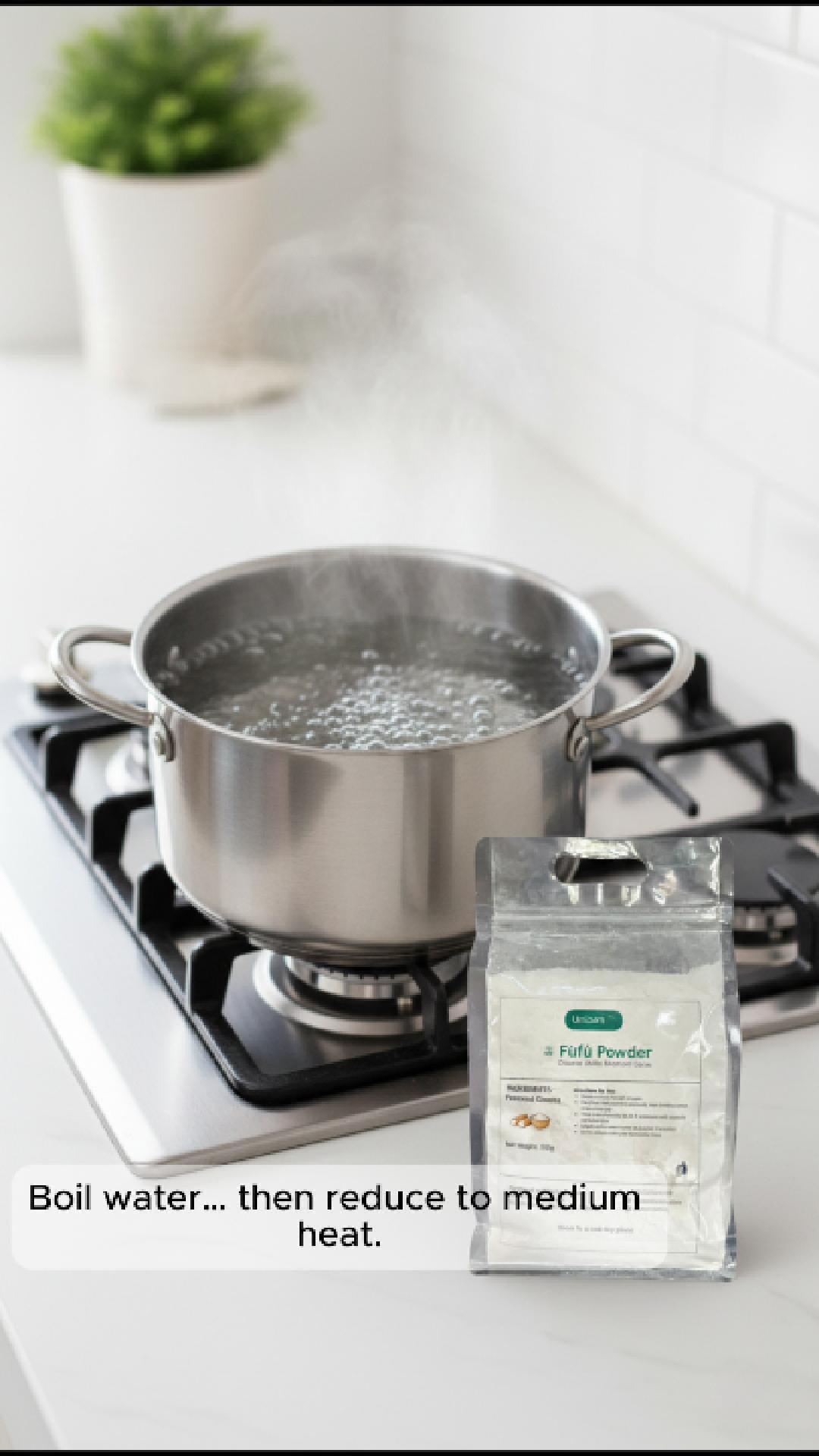
      Add 2–2½ cups of water to your pot and bring to a rolling boil. Reduce heat to medium so the water is hot but not vigorously boiling (this gives you better control when adding flour).
    2. Make a thin corn-flour slurry
      In a small bowl, combine half of the corn flour (about ½ cup) with cold water to make a smooth, runny batter (think thin porridge). Mix until there are no dry pockets. This slurry prevents instant lumping when it hits the hot water.
    3. Cook the slurry into a base
      Pour the slurry into the hot water slowly while stirring continuously. The mixture will thicken quickly into a pap-like base. Stir for 2–3 minutes to cook out the raw corn taste and to form a stable foundation.
    4. Add the remaining flour gradually
      Sprinkle the remaining dry corn flour into the pot in small handfuls while stirring vigorously. After each sprinkle, work the flour in until incorporated. This gradual addition is the step that prevents lumps — patience here is key.
    5. Adjust to the right consistency
      As the mixture becomes thick, it should be moist and elastic rather than dry and crumbly. If it firms up too fast, splash in a tablespoon or two of hot water and continue stirring. Aim for a dough that pulls cleanly from the pot sides and holds shape when scooped.
    6. Steam for a few minutes
      When the mixture is smooth and homogeneous, reduce the heat to low, cover the pot and let it steam for 2–3 minutes. This finishing steam cooks the centre and helps the tuwo bind so it won’t fall apart.
    7. Final stir and shape
      Uncover, give a final vigorous stir, then scoop and mould into round portions using a wet spoon or a bowl lined with plastic. Serve hot with your preferred soup or stew.

    Ratio cheat-sheet (no scale)

    • Starter (thin slurry): ½ cup corn flour + enough cold water to make a thin batter (approx. ¾ cup cold water)
    • Boiling water: 2–2½ cups of hot water for 1 cup total corn flour
    • Adjust: Add hot water a tablespoon at a time if mixture feels too stiff while cooking

    Tip: If cooking for more people, increase flour and water proportionally — keep the slurry stage and gradual flour addition the same.


    Extra tips for success

    • Use finely milled corn flour — coarser flours can give a grainy finish. Our recommended product is designed for swallow preparation.
    • Stir with purpose: a sturdy wooden spoon helps you reach every part of the pot and prevents scorching.
    • Don’t rush adding the dry flour. Small additions and full incorporation are the secret to zero lumps.
    • If lumps appear: take the pot off the heat and vigorously stir or smash them against the pot side with the spoon, then return to the heat and continue. For small stubborn lumps, a short blender blitz (if removed and cooled slightly) can rescue a batch, but prevention is preferable.
    • Steaming matters: a brief covered cook at the end makes the tuwo cohesive and elastic. Skipping it is a common reason for crumbling.

    Serving ideas

    Tuwo Masara pairs well with rich, flavourful soups. Some popular combinations:

    • Groundnut (peanut) soup — nutty and rich
    • Egusi (melon seed) stew — hearty and spicy
    • Vegetable or tomato-based soups — for lighter pairings

    Scoop a small ball of tuwo, dip into hot soup and enjoy. For a prettier plate, use yellow corn flour for a warm golden colour.


    Storage & reheating

    • Best eaten fresh. Tuwo is softest and most pleasant hot.
    • To keep: wrap warm tuwo in cling film and refrigerate for up to 24–48 hours.
    • Reheat: sprinkle a little hot water over the portion and reheat gently on the stove with stirring until soft, or microwave briefly with a sprinkle of water — stirring halfway through.

    Frequently asked questions

    Q — Can I use cornmeal or corn starch instead?
    A — Cornmeal (coarser) will give a grainier texture; if you must use it, sieve first and accept a different mouthfeel. Corn starch is a pure starch and not suitable as the main ingredient for tuwo masara. Use a finely milled corn flour made for swallows.

    Q — How do I know the tuwo is done?
    A — The tuwo should be smooth, pull away from the pot sides, and feel elastic when you scoop it. A short steam finishes the cooking and sets the texture.

    Q — Is tuwo masara gluten-free?
    A — Yes — when made from pure corn flour, tuwo is naturally gluten-free.


    Related resources & internal links

    • Our corn flour product: Green Unison Finely Milled Corn Flour — https://greenunison.com/product/nature-powered-corn-flour/
    • Browse all flours: https://greenunison.com/shop/
    • For more behind-the-scenes reading, see our collection: Farm to Cup — Behind the Scenes of Our Dried Herbs (find related posts and guides in the blog sitemap): https://blog.greenunison.com/post-sitemap.xml
    • Want a storage guide for flours? Check our blog for flour storage tips (link to related post in your CMS when you publish).

    Ready to try it?

    Give the smooth tuwo method a go today — it’s quick, forgiving and perfect for beginners. If you’d like to order the corn flour we recommend, you can:

    • Buy online: https://greenunison.com/product/nature-powered-corn-flour/
    • Browse our shop / other flours: https://greenunison.com/shop/
    • View our WhatsApp catalogue: https://wa.me/c/2348103043789
    • Chat or order via WhatsApp: https://wa.me/2348103043789?text=Hi%20Green%20Unison!%20I%20want%20to%20buy%20your%20corn%20flour%20for%20tuwo.

    If you found this guide helpful, please leave a comment on the blog, share your finished tuwo picture, or send us a message on WhatsApp. Happy cooking!

  • Plantain Flour Amala: The 3-Minute Whisk Method (Plus How to Fix Lumps, Stickiness & Bitter Taste)

    Plantain Flour Amala: The 3-Minute Whisk Method (Plus How to Fix Lumps, Stickiness & Bitter Taste)

    If you’ve ever made plantain flour amala and ended up with lumps, a sticky paste, or a slightly bitter taste, you’re not alone. The good news: you don’t need a sieve, special tools, or long stirring sessions.

    This is the 3-minute whisk method we use when we want smooth amala fast—plus exact fixes if anything goes wrong.

    Best for: busy weeknights, first-timers, “I need swallow now” moments.


    What you’ll need (simple)

    • Plantain flour (finely milled works best): Nature Powered Plantain Flour
    • Water
    • A pinch of salt (optional, but helpful for taste)
    • Balloon whisk (or a sturdy fork in a pinch)
    • Pot + wooden spatula (for final smoothing)

    Want to browse all our flours? Start here: Shop Flours


    The 3-Minute Whisk Method (Lump-Free)

    Step 1: Get your water hot (30–60 seconds)

    Bring water to a boil, then reduce to medium heat (still steaming/hot, not raging).

    Step 2: Whisk first, pour flour like rain (60–90 seconds)

    Keep the whisk moving and sprinkle plantain flour gradually—don’t dump it all at once.
    You’ll see it thicken quickly.

    Step 3: Smooth & fold (60 seconds)

    Once it gets thick enough that whisking feels heavy:

    • switch to a wooden spatula
    • fold, press, and turn for about 1 minute
    • cover for 30 seconds (optional), then give it one final smooth turn

    Done. Serve immediately with your favourite soup.


    Quick ratio guide (start here, then adjust)

    Because flour fineness and personal preference vary, use this as a reliable starting point:

    • 1 cup plantain flour : 2 cups water → firm, classic swallow texture
    • Prefer it softer? add hot water 1–2 tablespoons at a time while turning.

    Tip: If you’re cooking for one, start smaller and scale up once you like your texture.


    Troubleshooting (Save this part)

    1) “I have lumps” — How to fix it fast

    Why it happens: the outside of the flour hits hot water and gels before the inside hydrates.

    Fix (choose one):

    • Hot-water rescue: take pot off heat, add 2–4 tbsp hot water, whisk hard for 20–30 seconds, then return to medium heat and turn smooth.
    • Press & turn: press lumps against the pot side with your spatula while turning.
    • Prevention for next time: sprinkle flour gradually and keep whisk moving before it thickens.

    2) “It’s sticky / gluey” — How to correct it

    Common causes:

    • too much water
    • undercooked (needs a bit more heat time)
    • too much aggressive stirring after it has set

    Fix:

    • return to medium heat for 60–90 seconds, turning gently (cooking helps it set properly)
    • if it’s still too soft, sprinkle 1–2 teaspoons of plantain flour and turn until it firms up
    • cover for 30–60 seconds to steam, then smooth once

    3) “It tastes bitter” — What’s going on?

    Plantain flour can have a naturally “earthy” note, but bitter is usually one of these:

    • flour has picked up off-flavours from heat/humidity
    • flour stored unsealed near strong smells
    • pot got too hot and the bottom scorched slightly

    Fix now:

    • add a tiny pinch of salt and serve with a rich soup (bitterness fades in balance)
    • if you suspect scorching, transfer to a clean pot and continue gently for 30 seconds

    Prevent next time:

    • store flour sealed, cool, and dry
    • avoid very high heat once thickening starts

    Common mistakes (and the easy swap)

    • Dumping flour in one go → sprinkle it gradually
    • Whisking stops too early → whisk until it’s thick, then switch to spatula
    • Heat too high → medium heat gives smoother results

    FAQs

    Can I mix with cool water first?

    Yes—if you’re a beginner, you can make a smooth slurry with a little cool water first, then pour into hot water while whisking. It’s slower, but very safe for lump-free results.

    Can I reheat leftover amala?

    Yes. Add a splash of hot water, cover, and warm on low heat. Turn once it softens.

    What to buy for this method?

    If you want the easiest, smoothest start, use a finely milled flour:


    Related reads from our blog


    Call to action (order in 30 seconds)

    Ready to make lump-free plantain flour amala this week?

    • 🛒 Buy on website: greenunison.com
    • 📦 WhatsApp catalogue: https://wa.me/c/2348103043789
    • 💬 Chat to order (prefilled): https://wa.me/2348103043789?text=Hi%20Green%20Unison%2C%20I%20want%20to%20order%20Plantain%20Flour%20for%20amala%20ogede.%20Please%20share%20your%203-minute%20whisk%20method%20ratio%20and%20delivery%20options.%20Thank%20you%21

    Pin this post so the troubleshooting section is always one scroll away.

  • Elevate Your Cooking with Dried Herbs: Your Big Questions Answered (Indian Borage, Basil & Lavender)

    Elevate Your Cooking with Dried Herbs: Your Big Questions Answered (Indian Borage, Basil & Lavender)

    Maybe there is a pouch of dried Indian borage, a jar of dried sweet basil and some dried lavender sitting quietly in your cupboard. You add thyme and curry powder to almost every pot, but these herbs feel “new” and a little intimidating.

    From messages and search data, we keep seeing the same questions:

    • “Are dried herbs as good as fresh?”
    • “How much should I use so it does not taste bitter?”
    • “Can I even use herbs like Indian borage or lavender in our everyday dishes?”

    This guide brings those real questions together and answers them in one place, with a special focus on Indian borage, basil and lavender – all available as gently dried, kitchen-ready herbs in the Green Unison eShop.

    Important: this article is for everyday cooking, comfort and flavour only. It is not medical advice and it does not replace speaking to a qualified health professional about any symptoms, diagnosis or treatment.


    Q1. I see Indian borage, basil and lavender on your shop. Where do I even start?

    Let’s meet each herb in simple kitchen language.

    Indian Borage (Mexican Mint / Cuban Oregano)

    Flavour: bold, mint-meets-thyme with a hint of oregano.
    Best for: rich, savoury dishes that need a lift – beans, stews, pepper soup, sauces and marinades.
    Think of it as: a flavour “reset button” when your pot tastes flat or too heavy.

    You can get food-grade dried leaves here: Nature Powered Dried Indian Borage (Mexican Mint / Cuban Oregano) .

    Sweet Basil

    Flavour: warm, slightly sweet and soft, with that classic tomato-friendly basil aroma.
    Best for: anything tomato-based – stew, jollof-style rice, oven-baked chicken in tomato sauce, egg sauce, noodles with home-made pepper mix.
    Think of it as: your go-to partner for tomato, onions and pepper.

    Shop it here: Nature Powered Dried Sweet Basil .

    Lavender

    Flavour: floral and slightly sweet; strong in tiny amounts.
    Best for: gentle “aroma accents” – simple bakes, honey, sugar, syrups for drinks, or as a tiny twist in zobo, pap toppings or dessert sauces.
    Think of it as: vanilla’s floral cousin – use sparingly.

    Explore culinary-friendly dried lavender here: Nature Powered Dried Lavender .

    All three sit inside the Dried Herbs eShop, so you can easily add them to a single order.


    Q2. Do dried herbs really work in our kind of cooking, or are they just for “foreign” recipes?

    Short answer: yes, they work beautifully in everyday home cooking.

    Dried herbs are simply fresh herbs that have had their water gently removed. That drying step concentrates flavour, which is why cooks usually need less dried herb than fresh. For long-cooked dishes like stews, soups and slow sauces, dried herbs often perform better than fresh because they have time to rehydrate and release flavour into the pot.

    In practice, that means:

    • Your long-simmered tomato stew loves dried basil.
    • Your pot of beans or pepper soup can handle a bold herb like Indian borage.
    • Your simple sugar syrup or honey can happily hold a pinch of dried lavender.

    You do not need to change your whole menu. You are simply layering more depth, aroma and character into dishes you already cook.


    Q3. How much dried herb should I use compared to fresh?

    A common rule in cookbooks is:

    Use about 1 part dried herb for 3 parts fresh.

    In everyday kitchen language:

    • 1 teaspoon dried ≈ 1 tablespoon chopped fresh.

    Some herbs (like Indian borage and lavender) are naturally stronger, so you may need less. For a family pot (4–6 servings), here is a gentle starting guide:

    • Indian borage: about ½ teaspoon dried leaves stirred into beans, stew or pepper soup in the last 5–10 minutes of cooking.
    • Sweet basil: about 1 teaspoon dried leaves for a tomato stew or jollof-style rice; start with ½ teaspoon and adjust next time if you want more.
    • Lavender: a pinch (⅛ teaspoon or less) in a small batch of syrup, biscuit dough or dessert topping. Too much quickly becomes perfumey.

    Always start small; you can add more in your next pot when you know your preference.


    Q4. When should I add dried herbs to soup, stew or sauce?

    Timing makes a big difference.

    For long-cooked dishes (stews, beans, pepper soup)

    • Base layer: add part of your dried herb earlier in cooking so it can rehydrate and blend with the sauce.
    • Finishing layer: add a small extra pinch near the end for fresh aroma just before serving.

    Example for a tomato stew:

    1. After frying your pepper–tomato mix, add about ½ teaspoon dried basil and simmer.
    2. In the last 3–5 minutes, crush another small pinch of basil between your fingers straight into the pot for a bright aroma.

    For very strong herbs (Indian borage, lavender)

    • Indian borage: add towards the middle or end of cooking (last 5–10 minutes), especially if the pot will still simmer. It is powerful, so you do not need a long cook time for the flavour to appear.
    • Lavender: use mainly in short-cooked recipes – infusing honey or syrup, or flavouring batter for biscuits and simple cakes – and always measure tiny amounts.

    Q5. Which everyday dishes can I use Indian borage, basil and lavender in?

    Here are practical, tonight-friendly ideas.

    Dried Indian Borage in savoury dishes

    Indian borage’s mint-thyme profile makes it shine in hearty, savoury pots.

    • Beans and stews: add about ½ teaspoon dried Indian borage to a pot of beans or mixed stew in the last 10 minutes. Taste and adjust salt and acid (for example, a squeeze of lemon or lime).
    • Pepper soup: add a small pinch along with your usual pepper soup spice mix; it gives an aromatic, slightly cooling background note.
    • Marinades for fish or meat: combine crushed dried Indian borage with garlic, oil, salt and a little lemon for oven-baked fish or grilled chicken.
    • “Flat” pots that need rescue: if your sauce tastes dull, crush a small pinch between your fingers and stir in near the end of cooking. It can act like a mini flavour reset.

    You can stock up on dried Indian borage leaves here: Dried Indian Borage (Mexican Mint / Cuban Oregano) .

    Dried Sweet Basil in tomato-based favourites

    Basil and tomatoes are a classic pair across many cuisines, and the same rule works beautifully in West-African-style tomato dishes too.

    • Tomato stew for rice or yam: add about 1 teaspoon dried basil once your pepper–tomato mix has fried and the oil “comes up”. Simmer, taste, and finish with a small extra pinch if you want more aroma.
    • Jollof-style rice: stir ½–1 teaspoon dried basil into the base sauce before adding rice. It adds depth without changing the identity of the dish.
    • Egg sauce: sprinkle a pinch into your onion–pepper–tomato mix just before you pour in beaten eggs.
    • Noodles with homemade sauce: toss cooked noodles in a quick tomato-onion–pepper sauce with a pinch of dried basil and a squeeze of citrus instead of seasoning cubes alone.

    Find dried sweet basil here: Nature Powered Dried Sweet Basil .

    Dried Lavender in small sweet touches

    Lavender is powerful. In cooking, it is usually treated like a gentle background note rather than the main flavour.

    • Lavender sugar or honey: stir a tiny pinch into a small jar of sugar or honey and leave for a few days to infuse. Use in tea, on toast or over yoghurt and fruit.
    • Simple biscuits or tea loaves: add a tiny pinch to vanilla biscuit dough or a basic tea loaf mixture. Lavender loves sugar, vanilla and citrus.
    • Drink syrups: infuse a pinch into a small pot of sugar syrup, then strain and use the syrup to sweeten zobo, drizzle over fresh fruit, or stir into chilled water with lemon for a floral cooler.

    Dried lavender is available here: Nature Powered Dried Lavender .

    For extra kitchen inspiration with other herbs and teas, you can also explore herb-focused articles by searching for “peppermint”, “lemongrass” or “Indian borage” on our blog: peppermint, lemongrass, Indian borage.


    Q6. How do I stop dried herbs from tasting medicinal or bitter?

    If dried herbs have ever “slapped” you in a dish, it is usually because of one of three things:

    1. Too much at once – herbs like Indian borage and lavender are naturally potent.
    2. Added at the wrong time – some herbs taste better added early (to cook in), others near the end.
    3. No balance with salt, acid or fat – herbs need company.

    To keep flavours round and friendly:

    • Start with tiny amounts, especially for Indian borage and lavender. You can always add more next time.
    • Crush dried leaves between your fingers just before adding. This wakes up their aroma and helps them blend into the dish.
    • Balance with a pinch of salt and a dash of acid (tomato, lemon or lime) if the dish tastes “sharp herbal” rather than delicious.
    • Pair herbs with friendly bases: tomatoes, onions, garlic, citrus and mild chilli help herbs shine instead of shout.

    Q7. How should I store dried herbs, and how long do they last?

    Proper storage is one of the most common questions we see – and it makes a real difference to flavour.

    For dried herbs like Indian borage, basil and lavender:

    • Keep them in airtight jars or resealable pouches.
    • Store in a cool, dry cupboard, away from direct sunlight, cooker heat and steam.
    • Always use a clean, dry spoon to scoop from the jar.
    • As a general guide, most dried herbs keep their best flavour for 6–12 months when stored well.

    If you open a jar and the aroma is weak or dusty instead of fresh and herbal, it may be time to refresh your stock.

    You will find storage and shelf-life guidance printed on each Green Unison dried herb pack, and the resealable packaging is designed to make these steps easy.


    Q8. Can I use the same dried herbs for tea as well as cooking?

    Yes – as long as you are using culinary dried herbs from the food-grade herb range (not essential oils or cosmetic-only products).

    Examples:

    • Dried Indian borage can go into stews and also be brewed as a gentle herbal drink in small, food-like portions.
    • Dried sweet basil can flavour tomato stew and also be steeped briefly as a simple herbal infusion.
    • Dried lavender is commonly used in both tea and baking; the key is keeping the quantity low.

    If you would like detailed tea brewing steps for mint family herbs and relaxing evening cups, you can search for “mint tea” or “calming tea” on our blog: mint tea articles.

    In this particular guide, we are focusing mainly on cooking, so we recommend:

    • Treat tea from dried herbs like a light, food-like drink.
    • Keep daily amounts moderate, especially with stronger herbs.
    • Always talk to a health professional if you plan to drink any herb regularly for specific health reasons.

    Q9. Is there anyone who should be more careful with herbs?

    Even though we are talking about food-like use, it is still good to stay on the safe side:

    • If you are pregnant, breastfeeding, managing a health condition or taking regular medication, check with a qualified health professional before using herbs like Indian borage or lavender regularly as tea or strong infusions.
    • Avoid giving concentrated herbal teas to babies and very young children unless a paediatric professional has advised it.
    • If you ever notice unusual reactions after using any herb, stop and seek proper medical advice.

    Used in normal culinary amounts in food, these herbs are typically enjoyed as part of everyday meals in many cultures. The key is moderation, variety and listening to your body.


    Dried Herb Quick-Start Cheat Sheet (Family Pot)

    Save or print this as a one-page guide for your kitchen. You can also turn it into a downloadable PDF or image in your media library.

    HerbFlavourHow much?* (4–6 servings)When to addGreat in
    Indian borageBold mint–thyme½–1 tsp dried leavesLast 5–10 mins of cookingBeans, stews, pepper soup, fish/chicken marinades
    Sweet basilWarm, sweet, tomato-friendlyAbout 1 tsp dried leavesHalf early in sauce, small pinch at the endTomato stew, jollof-style rice, egg sauce, noodles
    LavenderFloral, sweet, very strongPinch (⅛ tsp or less)Short-cooked recipes, syrups, battersBiscuits, syrups for zobo, honey or sugar jars

    *These are gentle starting points. Always adjust to your own taste.


    Ready to turn those jars into real flavour?

    If this guide has sparked ideas for your next pot, here are easy next steps:

    Little herbs, big flavour – one pinch at a time. 🌿