
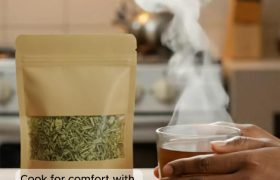
When it comes to comfort food, a little sprinkle of herb can do more than add flavor – it can add comforting benefits, too! 🌿 In this guide, we explore five healing herbs you can easily use in your everyday meals. These herbs not only make your kitchen smell divine, but also may help soothe common troubles like indigestion, stress or the sniffles (all without forcing anything – just good food and nature’s touch). Grab a warm seat and let’s cook for comfort!
1. Peppermint – Soothe Digestion with a Fresh Twist
Why it comforts: Peppermint is famous for calming an upset stomach. In fact, there’s science behind that after-dinner mint ritual – peppermint can relax stomach muscles and improve bile flow, easing indigestion. The menthol in peppermint also works as a gentle decongestant, which is why a steamy cup of peppermint tea feels so good when you have a cold. It’s a win for tummy comfort and stuffy noses!
How to use: Brew a cup of peppermint tea using our food-grade Dried Peppermint Leaves as a soothing after-meal drink. You can also chop a few Dried Mint Leaves into a cucumber salad or yogurt raita – the cool flavor refreshes the palate and aids digestion. If you’re feeling adventurous, drop a leaf into your morning smoothie or zobo drink. The key is to start with a small pinch, taste, and add more if needed. Peppermint is potent, so a little goes a long way in cooking. (Ever wonder why peppermint candy is offered after heavy meals? Now you know – it’s not just tradition, it’s tummy care in disguise! 😊)
2. Sweet Basil – Stress Relief in a Stew Pot
Why it comforts: Sweet basil (the same “scent leaf” many of us know and love) isn’t only for jollof rice aroma – it’s also packed with antioxidants and anti-inflammatory compounds that support wellness. Some studies even suggest basil’s natural oils (like eugenol) can help reduce stress and anxiety levels. No, it’s not a magic cure for a bad day, but the ritual of cooking with basil – and the soothing scent it releases – can have a calming effect. Think of that whiff of fresh basil in hot soup; it practically feels like self-care.
How to use: Stir a pinch of Dried Sweet Basil into your tomato stew or pepper soup towards the end of cooking (too much heat can diminish its flavor). The herbal note brightens rich dishes and might just help your nerves unwind after a long day. Pro tip: 1 teaspoon of dried basil ≈ 1 tablespoon fresh:contentReference[oaicite:8]{index=8}, so you don’t need much for that classic aroma. Basil is also great in non-Nigerian comfort foods: sprinkle it on homemade pizza, creamy pasta, or even make a quick basil tea (steep 1–2 teaspoons in hot water for 5 minutes) for a caffeine-free evening drink. The aroma therapy you get while chopping or infusing basil is a bonus dose of comfort!
3. Lavender – A Little Calm in Your Cookies (or Cup)
Why it comforts: Lavender is well-known for its relaxing scent – think aromatherapy oils and spa days. But can you cook with it? Absolutely – with a few pointers. Lavender contains gentle compounds that are traditionally used to ease stress and improve sleep (ever tried a lavender pillow spray?). In food, it can impart a soothing floral note that feels as calming as it tastes. However, many people worry: won’t my food taste like soap or grandma’s perfume? The good news: if you use culinary lavender and use just a little, your dishes will be enchanting, not overwhelming. The rule of thumb is “less is more” – dried lavender buds are about 3 times more potent than fresh, so start tiny and adjust:contentReference[oaicite:9]{index=9}. When done right, lavender adds a unique cozy warmth to sweets and drinks.
How to use: Use edible dried lavender (like our locally grown Dried Lavender) in very small quantities. For instance, add a pinch of crushed lavender to a batch of cookie or shortbread dough – you’ll get a light floral hint that pairs beautifully with vanilla and citrus. 🍪 Or steep 1/2 teaspoon of lavender with your tea leaves to make a fragrant lavender tea (excellent with honey at bedtime). You can even infuse lavender in warm milk for a relaxing nightcap. Remember, because of lavender’s strength, it’s wise to start small and taste as you go. The goal is a hint of lavender; too much and you’ll go from comforting to cough syrup. Used sparingly, though, lavender can turn simple foods – like lemonade, hot cocoa, or even zobo – into a calming ritual. And yes, it’s completely safe to eat in these small amounts. So don’t be scared to try it in the kitchen – just follow your nose and your taste buds (they’ll tell you when it’s enough!).
4. Lemongrass – Warming Relief for Cold Days
Why it comforts: Lemongrass (known as “citrus grass” by some) brings a bright lemony flavor and a slew of traditional benefits. It’s popularly used in teas for anxiety relief and better sleep, and it contains compounds that fight inflammation:contentReference[oaicite:12]{index=12}. In folk medicine, lemongrass tea is a go-to for when you’re feeling under the weather – it can help reduce bloating and calm the body, almost like a natural mild sedative. Ever had a soothing cup of fever grass tea in grandma’s kitchen? That’s lemongrass working its magic, easing your tension and aiding digestion at the same time. It’s the definition of a comfort drink.
How to use: Our Dried Lemongrass Leaves are perfect for brewing tea. Just steep a teaspoon in hot water for 5-10 minutes, strain and sip – you’ll notice how the citrusy aroma instantly “opens” your senses and relaxes you. 💆🏾♀️ You can add ginger or mint to the cup for extra flavor and cold-fighting power. Beyond tea, drop a piece of lemongrass in your pepper soup or chicken broth while it simmers – it lends a subtle fragrance that can lift your spirits, especially on a chilly evening. (Remove the lemongrass before serving, like you would a bay leaf.) Because lemongrass has those calming properties, a warm soup infused with it does double duty: it comforts you with heat and helps you unwind. Fun fact: The same natural oils in lemongrass that relax you are also great for skin and can even repel mosquitoes – but we’ll stick to culinary comforts here! Enjoy the gentle zest lemongrass brings, and breathe easy with each sip and spoonful.
5. Indian Borage – Nature’s “Invisible Mentor” Herb
Why it comforts: Indian Borage (sometimes called Cuban oregano or locally, a form of “effirin” in Yoruba) is a powerhouse of traditional remedies packed into one fuzzy leaf. This humble herb has a long history in grandma’s arsenal: it’s been used for chronic coughs, sore throats, and even skin soothing. In places like India and across Africa, people chew the leaves or drink the tea to help with persistent cough and bronchitis. The leaves are rich in anti-inflammatory properties, which might explain why they’re used to relieve asthma symptoms and ease chest congestion. Think of Indian borage as that quiet friend in the background, ready to step up when you’re feeling congested or run-down. It’s not as famous as peppermint or ginger, but it’s cherished as an “emergency herb” for good reason.
How to use: Try adding a couple of Dried Indian Borage leaves to your cooking – its flavor is like a bold mix of mint and oregano, so it pairs well with meat and poultry dishes. For example, drop one leaf into your chicken pepper soup or goat meat stew as it cooks, then remove before serving (the same way you’d use a bay leaf or scent leaf). It gives a robust, herbal depth to the broth. You can also make a simple herbal steam to clear your nose: pour boiling water over a few borage leaves in a bowl, drape a towel over your head and inhale the steam (carefully). The menthol-like vapors can help open up nasal passages – a comforting relief when you’re bunged up with a cold. If you have fresh leaves, you might even chew on one for a cough (it’s strong, but generations swear by it!). And as always, moderation is key: one or two leaves are plenty to “do the job” – remember, with herbs it’s about gentle consistent support, not heavy doses. Indian borage proves that sometimes the lesser-known ingredients in our pantry carry the biggest comfort surprises!
Bonus Tips for Cooking with Healing Herbs
- Start Small, Adjust to Taste: When using potent herbs (👋🏽 hello lavender and Indian borage), begin with a tiny amount. You can always add a bit more, but you can’t undo an overpowering flavor. As one cooking guide says, “less is more when it comes to lavender” in recipes – and this wisdom applies to any strong herb. Your taste buds will guide you, so sprinkle, stir, and sample as you cook.
- Pair with Comfort Classics: Incorporate these herbs into familiar comfort dishes. Making jollof rice? Toss in a bay leaf and a pinch of basil at the end for aroma. Craving hot chocolate? Try steeping it with a dried peppermint leaf for a minty twist. Because the goal is comfort, you don’t need fancy new recipes – just boost the ones you already love.
- Quality Matters: Use culinary-grade, dried herbs from trusted sources. (Avoid grabbing potpourri lavender from a craft store, for example – it might be treated with chemicals 🫢.) All the herbs mentioned above – peppermint, basil, lavender, lemongrass, borage, etc. – are available in our shop in dried, food-safe form, grown and prepared with care. Quality dried herbs ensure you get the flavor and the benefits without any unwanted additives.
- No Wild Health Claims: Enjoy the gentle health boosts these herbs offer, but remember they’re not medicines. Think of them as nature’s little helpers. A cup of lemongrass tea might relax you, but it’s not a prescribed sedative – and that’s okay! Embrace the comforting ritual and the possible relief it brings, with no pressure. Always listen to your body (and of course, consult a doctor for serious ailments). Herbs support a healthy lifestyle; they don’t replace professional care. 💚
Comfort and Care, Served Naturally
Cooking with healing herbs is like getting a warm hug from nature with your meal. By infusing your favorite comfort foods with peppermint, basil, lavender, lemongrass, or Indian borage, you’re layering in extra love and care. The next time you’re brewing that chicken pepper soup or baking those biscuits, reach for one of these herbs in your pantry. You’ll not only delight your senses but also tap into age-old wellness traditions that have comforted people for generations.
Ready to give it a try? You can get high-quality, dried herbs delivered to your doorstep – browse our WhatsApp catalog for all the herbs mentioned here. We’ve got everything from mint to lavender in stock, carefully dried to lock in their goodness. If you need a friendly nudge or a custom recommendation, we’re just a chat away – chat with us on WhatsApp and let’s talk about which herb might become your new kitchen hero. We’re happy to help you pick, order, and even share more recipe ideas. 😉
Cook, taste, and enjoy the comfort that nature offers. Sometimes, a pinch of healing is all you need to turn a good meal into a great one – for your body and soul. Happy cooking and take care! 💚🌱
Content reviewed for accuracy and sourced from trusted references. All tips are for general wellness and enjoyment – no medical claims here, just delicious, time-honored habits*.
(Tags: HealingHerbs, ComfortCooking, HerbalRemedies, NaturalFlavors, HealthyLiving)
(Categories: Herbs & Spices; Wellness Tips; Recipes)
Leave a Reply