Category: Wellness Tips

  • 5 Healing Herbs to Spice Up Your Comfort Food

    5 Healing Herbs to Spice Up Your Comfort Food

    When it comes to comfort food, a little sprinkle of herb can do more than add flavor – it can add comforting benefits, too! 🌿 In this guide, we explore five healing herbs you can easily use in your everyday meals. These herbs not only make your kitchen smell divine, but also may help soothe common troubles like indigestion, stress or the sniffles (all without forcing anything – just good food and nature’s touch). Grab a warm seat and let’s cook for comfort!

    1. Peppermint – Soothe Digestion with a Fresh Twist

    Why it comforts: Peppermint is famous for calming an upset stomach. In fact, there’s science behind that after-dinner mint ritual – peppermint can relax stomach muscles and improve bile flow, easing indigestion. The menthol in peppermint also works as a gentle decongestant, which is why a steamy cup of peppermint tea feels so good when you have a cold. It’s a win for tummy comfort and stuffy noses!
    How to use: Brew a cup of peppermint tea using our food-grade Dried Peppermint Leaves as a soothing after-meal drink. You can also chop a few Dried Mint Leaves into a cucumber salad or yogurt raita – the cool flavor refreshes the palate and aids digestion. If you’re feeling adventurous, drop a leaf into your morning smoothie or zobo drink. The key is to start with a small pinch, taste, and add more if needed. Peppermint is potent, so a little goes a long way in cooking. (Ever wonder why peppermint candy is offered after heavy meals? Now you know – it’s not just tradition, it’s tummy care in disguise! 😊)

    2. Sweet Basil – Stress Relief in a Stew Pot

    Why it comforts: Sweet basil (the same “scent leaf” many of us know and love) isn’t only for jollof rice aroma – it’s also packed with antioxidants and anti-inflammatory compounds that support wellness. Some studies even suggest basil’s natural oils (like eugenol) can help reduce stress and anxiety levels. No, it’s not a magic cure for a bad day, but the ritual of cooking with basil – and the soothing scent it releases – can have a calming effect. Think of that whiff of fresh basil in hot soup; it practically feels like self-care.
    How to use: Stir a pinch of Dried Sweet Basil into your tomato stew or pepper soup towards the end of cooking (too much heat can diminish its flavor). The herbal note brightens rich dishes and might just help your nerves unwind after a long day. Pro tip: 1 teaspoon of dried basil ≈ 1 tablespoon fresh:contentReference[oaicite:8]{index=8}, so you don’t need much for that classic aroma. Basil is also great in non-Nigerian comfort foods: sprinkle it on homemade pizza, creamy pasta, or even make a quick basil tea (steep 1–2 teaspoons in hot water for 5 minutes) for a caffeine-free evening drink. The aroma therapy you get while chopping or infusing basil is a bonus dose of comfort!

    3. Lavender – A Little Calm in Your Cookies (or Cup)

    Why it comforts: Lavender is well-known for its relaxing scent – think aromatherapy oils and spa days. But can you cook with it? Absolutely – with a few pointers. Lavender contains gentle compounds that are traditionally used to ease stress and improve sleep (ever tried a lavender pillow spray?). In food, it can impart a soothing floral note that feels as calming as it tastes. However, many people worry: won’t my food taste like soap or grandma’s perfume? The good news: if you use culinary lavender and use just a little, your dishes will be enchanting, not overwhelming. The rule of thumb is “less is more” – dried lavender buds are about 3 times more potent than fresh, so start tiny and adjust:contentReference[oaicite:9]{index=9}. When done right, lavender adds a unique cozy warmth to sweets and drinks.
    How to use: Use edible dried lavender (like our locally grown Dried Lavender) in very small quantities. For instance, add a pinch of crushed lavender to a batch of cookie or shortbread dough – you’ll get a light floral hint that pairs beautifully with vanilla and citrus. 🍪 Or steep 1/2 teaspoon of lavender with your tea leaves to make a fragrant lavender tea (excellent with honey at bedtime). You can even infuse lavender in warm milk for a relaxing nightcap. Remember, because of lavender’s strength, it’s wise to start small and taste as you go. The goal is a hint of lavender; too much and you’ll go from comforting to cough syrup. Used sparingly, though, lavender can turn simple foods – like lemonade, hot cocoa, or even zobo – into a calming ritual. And yes, it’s completely safe to eat in these small amounts. So don’t be scared to try it in the kitchen – just follow your nose and your taste buds (they’ll tell you when it’s enough!).

    4. Lemongrass – Warming Relief for Cold Days

    Why it comforts: Lemongrass (known as “citrus grass” by some) brings a bright lemony flavor and a slew of traditional benefits. It’s popularly used in teas for anxiety relief and better sleep, and it contains compounds that fight inflammation:contentReference[oaicite:12]{index=12}. In folk medicine, lemongrass tea is a go-to for when you’re feeling under the weather – it can help reduce bloating and calm the body, almost like a natural mild sedative. Ever had a soothing cup of fever grass tea in grandma’s kitchen? That’s lemongrass working its magic, easing your tension and aiding digestion at the same time. It’s the definition of a comfort drink.
    How to use: Our Dried Lemongrass Leaves are perfect for brewing tea. Just steep a teaspoon in hot water for 5-10 minutes, strain and sip – you’ll notice how the citrusy aroma instantly “opens” your senses and relaxes you. 💆🏾‍♀️ You can add ginger or mint to the cup for extra flavor and cold-fighting power. Beyond tea, drop a piece of lemongrass in your pepper soup or chicken broth while it simmers – it lends a subtle fragrance that can lift your spirits, especially on a chilly evening. (Remove the lemongrass before serving, like you would a bay leaf.) Because lemongrass has those calming properties, a warm soup infused with it does double duty: it comforts you with heat and helps you unwind. Fun fact: The same natural oils in lemongrass that relax you are also great for skin and can even repel mosquitoes – but we’ll stick to culinary comforts here! Enjoy the gentle zest lemongrass brings, and breathe easy with each sip and spoonful.

    5. Indian Borage – Nature’s “Invisible Mentor” Herb

    Why it comforts: Indian Borage (sometimes called Cuban oregano or locally, a form of “effirin” in Yoruba) is a powerhouse of traditional remedies packed into one fuzzy leaf. This humble herb has a long history in grandma’s arsenal: it’s been used for chronic coughs, sore throats, and even skin soothing. In places like India and across Africa, people chew the leaves or drink the tea to help with persistent cough and bronchitis. The leaves are rich in anti-inflammatory properties, which might explain why they’re used to relieve asthma symptoms and ease chest congestion. Think of Indian borage as that quiet friend in the background, ready to step up when you’re feeling congested or run-down. It’s not as famous as peppermint or ginger, but it’s cherished as an “emergency herb” for good reason.
    How to use: Try adding a couple of Dried Indian Borage leaves to your cooking – its flavor is like a bold mix of mint and oregano, so it pairs well with meat and poultry dishes. For example, drop one leaf into your chicken pepper soup or goat meat stew as it cooks, then remove before serving (the same way you’d use a bay leaf or scent leaf). It gives a robust, herbal depth to the broth. You can also make a simple herbal steam to clear your nose: pour boiling water over a few borage leaves in a bowl, drape a towel over your head and inhale the steam (carefully). The menthol-like vapors can help open up nasal passages – a comforting relief when you’re bunged up with a cold. If you have fresh leaves, you might even chew on one for a cough (it’s strong, but generations swear by it!). And as always, moderation is key: one or two leaves are plenty to “do the job” – remember, with herbs it’s about gentle consistent support, not heavy doses. Indian borage proves that sometimes the lesser-known ingredients in our pantry carry the biggest comfort surprises!

    Bonus Tips for Cooking with Healing Herbs

    • Start Small, Adjust to Taste: When using potent herbs (👋🏽 hello lavender and Indian borage), begin with a tiny amount. You can always add a bit more, but you can’t undo an overpowering flavor. As one cooking guide says, “less is more when it comes to lavender” in recipes – and this wisdom applies to any strong herb. Your taste buds will guide you, so sprinkle, stir, and sample as you cook.
    • Pair with Comfort Classics: Incorporate these herbs into familiar comfort dishes. Making jollof rice? Toss in a bay leaf and a pinch of basil at the end for aroma. Craving hot chocolate? Try steeping it with a dried peppermint leaf for a minty twist. Because the goal is comfort, you don’t need fancy new recipes – just boost the ones you already love.
    • Quality Matters: Use culinary-grade, dried herbs from trusted sources. (Avoid grabbing potpourri lavender from a craft store, for example – it might be treated with chemicals 🫢.) All the herbs mentioned above – peppermint, basil, lavender, lemongrass, borage, etc. – are available in our shop in dried, food-safe form, grown and prepared with care. Quality dried herbs ensure you get the flavor and the benefits without any unwanted additives.
    • No Wild Health Claims: Enjoy the gentle health boosts these herbs offer, but remember they’re not medicines. Think of them as nature’s little helpers. A cup of lemongrass tea might relax you, but it’s not a prescribed sedative – and that’s okay! Embrace the comforting ritual and the possible relief it brings, with no pressure. Always listen to your body (and of course, consult a doctor for serious ailments). Herbs support a healthy lifestyle; they don’t replace professional care. 💚

    Comfort and Care, Served Naturally

    Cooking with healing herbs is like getting a warm hug from nature with your meal. By infusing your favorite comfort foods with peppermint, basil, lavender, lemongrass, or Indian borage, you’re layering in extra love and care. The next time you’re brewing that chicken pepper soup or baking those biscuits, reach for one of these herbs in your pantry. You’ll not only delight your senses but also tap into age-old wellness traditions that have comforted people for generations.

    Ready to give it a try? You can get high-quality, dried herbs delivered to your doorstep – browse our WhatsApp catalog for all the herbs mentioned here. We’ve got everything from mint to lavender in stock, carefully dried to lock in their goodness. If you need a friendly nudge or a custom recommendation, we’re just a chat away – chat with us on WhatsApp and let’s talk about which herb might become your new kitchen hero. We’re happy to help you pick, order, and even share more recipe ideas. 😉

    Cook, taste, and enjoy the comfort that nature offers. Sometimes, a pinch of healing is all you need to turn a good meal into a great one – for your body and soul. Happy cooking and take care! 💚🌱

    Content reviewed for accuracy and sourced from trusted references. All tips are for general wellness and enjoyment – no medical claims here, just delicious, time-honored habits*.

    (Tags: HealingHerbs, ComfortCooking, HerbalRemedies, NaturalFlavors, HealthyLiving)
    (Categories: Herbs & Spices; Wellness Tips; Recipes)

  • Sip & Soothe 🌿 — 14 Lemongrass Tea Tips for Easy Digestion

    Sip & Soothe 🌿 — 14 Lemongrass Tea Tips for Easy Digestion

    Ever felt that post-meal heaviness after a delicious plate of jollof, swallow, or spicy stew? 🍛
    Your stomach might be craving a gentle herbal helper — and lemongrass tea could be just the thing.

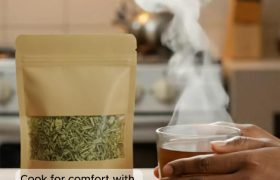
    This light, citrus-scented herbal tea made from Dried Lemongrass Leaves is known for its refreshing aroma and digestive support.
    Studies suggest that lemongrass (Cymbopogon citratus) contains citral — a compound that helps relax the gut and reduce bloating. While it’s not a medicine, it’s been trusted in many traditional diets for its soothing, stomach-friendly nature.

    So if you’re ready to sip your way to a lighter, comfier feeling after meals, here are 14 simple ways to enjoy lemongrass tea daily.


    🌼 1. Sip After Your Heaviest Meal

    Drinking a warm cup of lemongrass tea about 15–30 minutes after lunch or dinner can help your body feel less sluggish. It’s caffeine-free, so it won’t interfere with rest later in the day.


    🍋 2. Add Ginger for Extra Relief

    Combine lemongrass with a few slices of fresh ginger for a powerful digestive combo.
    Ginger helps speed up digestion while lemongrass relaxes the gut — perfect harmony in a cup.


    💧 3. Stay Hydrated Between Meals

    Instead of sugary drinks, sip diluted lemongrass tea through the day.
    It hydrates, refreshes, and helps your digestive system stay active without added sugar or caffeine.


    🌿 4. Sweeten Naturally

    If you prefer a bit of sweetness, add honey or stevia while the tea is warm (not boiling hot) to preserve nutrients. Avoid sugar, which can increase bloating.


    🫖 5. Use as a Digestive Starter

    A small cup before eating can gently wake up your digestive enzymes and prepare your stomach for food.


    🌞 6. Brew a Morning Detox

    Start your morning with lemongrass tea and a squeeze of lemon.
    It supports hydration and leaves you feeling lighter before breakfast.


    🧊 7. Try Iced Lemongrass Tea on Hot Days

    Cold-brewing your tea overnight in the fridge preserves its citrus aroma. Add mint or cucumber for a refreshing twist — ideal for warm weather.


    🧘‍♀️ 8. Create a Calm Tea Ritual

    Your mind affects your digestion, too. Pair your cup with deep breathing or quiet time.
    For extra relaxation, spritz a little Lemongrass Hydrosol around your space — its natural scent uplifts the mood.


    🍲 9. Use as a Broth Base

    Add brewed lemongrass tea to soups or light meals instead of plain water. It adds subtle flavour and helps your body digest heavier ingredients.


    🕓 10. Keep It Handy for Afternoon Slumps

    Instead of coffee or soda, sip lemongrass tea to refresh your senses and avoid the bloated feeling caffeine can sometimes bring.


    🌙 11. Drink Before Bed

    Lemongrass tea’s calming aroma makes it a perfect evening drink.
    Warm but not too hot — it helps your body wind down while supporting gentle digestion overnight.


    🍵 12. Mix with Other Herbal Allies

    Pair with mint, ginger, or moringa for flavour variety and balanced benefits. Each herb adds its own soothing touch for your gut and taste buds.


    🍋 13. Lemongrass + Apple Cider Vinegar Shot

    For adventurous tea lovers — mix a tablespoon of brewed lemongrass tea with half a teaspoon of apple cider vinegar.
    It’s tangy, aromatic, and helps awaken sluggish digestion (best once or twice a week).


    💚 14. Keep It Simple

    Sometimes, all you need is plain lemongrass tea and a moment of peace.
    No additives, no fuss — just warmth, aroma, and calm after every meal.


    💬 Final Thoughts

    Lemongrass tea is a simple pleasure with gentle digestive benefits. Whether you sip it warm, iced, or infused with ginger, it’s an easy daily habit for lightness and comfort.

    Try our farm-fresh Dried Lemongrass Leaves today — available in resealable packs for freshness.
    Want to order directly? Tap to view our WhatsApp catalogue or chat with us on WhatsApp.

    Your stomach will thank you. 🌿💚


    Note: Lemongrass tea is not a medical treatment. It is traditionally enjoyed for digestive comfort and general wellness. For chronic issues, always consult your healthcare provider.

  • Seeded Pap: A Natural Hormone-Balancing Breakfast (PMS & PCOS Support) 🍵

    Seeded Pap: A Natural Hormone-Balancing Breakfast (PMS & PCOS Support) 🍵

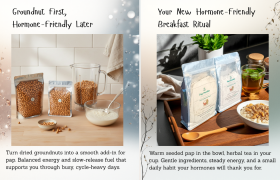
    Ever heard of “seeded pap”? It’s a simple twist on the traditional pap (ogi/akamu) that could make a big difference in women’s hormonal health. 🥣 If you experience mood swings, cramps, or irregular cycles, this nutrient-packed pap bowl might become your new favorite breakfast. In this post, we’ll explore how adding seeds to your pap can support hormonal balance naturally – helping with PMS comfort and PCOS management – and which herbal teas to pair with it for maximum relief and relaxation.

    Why Your Hormones Will Love a Seeded Pap Bowl 🌼

    Pap (fermented corn porridge) is a beloved breakfast because it’s warm, soothing, and easy to digest. On its own, though, pap is mostly carbohydrates – great for quick energy, but not enough to keep you full or balance your blood sugar for long. Blood sugar spikes and crashes can worsen hormonal imbalances. The solution? Add protein, healthy fats, and fiber – which is exactly what seeds provide.

    • Seeds are little hormone helpers: Many seeds (like flax, pumpkin, sunflower, sesame) are packed with omega-3 fatty acids, zinc, selenium, and fiber that support healthy hormone production and metabolism. For example, flaxseed is rich in lignans that may help balance estrogen levels, and pumpkin seeds supply zinc which supports progesterone and can ease PMS symptoms. By mixing these into your pap, you’re essentially enriching your meal with hormone-friendly nutrients.
    • Steadier energy, less cravings: A seeded pap bowl contains more protein and fat than plain pap. Seeds like groundnuts (peanuts) are especially high in protein and good fats. This combo slows down the digestion of pap’s carbs, preventing the mid-morning crash. Steadier blood sugar = fewer mood swings and cravings, which is a win for anyone with PMS or Polycystic Ovary Syndrome (PCOS) who struggles with sugar cravings. (Bonus: protein and magnesium from seeds can also calm anxiety and improve mood.)
    • Reduced inflammation: Hormonal issues like PMS cramps or PCOS often come with inflammation. Seeds carry antioxidants and anti-inflammatory compounds. For instance, sesame and sunflower seeds are rich in vitamin E and selenium – nutrients known to help reduce inflammation and even support ovarian health. A more nutrient-diverse diet can mean calmer, happier hormones.

    Bottom line: Upgrading your pap into a “power bowl” by adding seeds turns it into a more balanced meal. Over time, this can help smooth out some hormonal ups and downs naturally (of course, results vary, and consistency is key). It’s food-as-medicine, built right into your breakfast! 🥄

    How to Make a Seeded Pap for Hormonal Balance 🔄

    Making a seeded pap is quick and flexible. You can use Instant Pap Powder to save time – it cooks in minutes and gives a smooth, creamy base. Here’s a simple method:

    1. Prepare your pap base: Mix 3–4 tablespoons of Pap powder with a little cold water to form a slurry, then pour into ~2 cups of boiling water on the stove. Stir continuously on low heat until it thickens into a creamy pap. (If using raw wet pap/ogi, prepare as usual.)
    2. Choose your seed boost: Add 1–2 tablespoons of ground seeds or nuts into the pap and stir well. Great options include ground flaxseed, chia, sunflower, or a spoonful of groundnut powder (blended roasted groundnuts). Even a dollop of peanut butter works! These will dissolve/thicken the pap slightly and infuse it with nutrients.
    3. Top it off: Sprinkle some whole seeds or crushed nuts on top for texture. For example, a teaspoon of pumpkin seeds or sesame seeds adds a pleasant crunch. You can also add sliced fruit (banana, berries) and a drizzle of honey or date syrup if you like it sweet – just keep added sugars moderate to stay hormone-friendly.
    4. Enjoy warm: Savor it slowly as a comforting morning bowl. The added seeds make it more filling, creamy and flavorful. Knowing it’s helping your body is the best part – each spoonful is rich in fiber and healthy oils that support your cycle.

    Tip: If you’re following the popular “seed cycling” method for hormone balance, you can tailor the seeds you add to pap based on your cycle phase (for example, flax & pumpkin seeds in the first half of your cycle, sesame & sunflower in the second half). While research on seed cycling is still emerging, it’s an easy and harmless practice that many women find beneficial. Your breakfast pap is an ideal place to do it! 😉

    Herbal Teas to Pair with Your Pap 🍵

    No wellness breakfast is complete without a soothing herbal tea, especially when we’re talking hormones. Here are a few gentle, caffeine-free teas that can complement your seeded pap and further support women’s health:

    • Spearmint Tea: Spearmint isn’t just refreshing – studies suggest it may help reduce excess androgen levels. This is helpful for women with PCOS dealing with symptoms like unwanted hair growth. A daily cup of spearmint tea has been linked to improved hormone balance and even more regular cycles for some ladies. Plus, it aids digestion (good for that full pap tummy). Brew 1–2 teaspoons of dried spearmint leaves in hot water, steep 5–10 minutes, and enjoy.
    • Ginger & Lemongrass Tea: If PMS cramps or bloating are your issue, ginger is a known natural remedy – it’s scientifically proven to ease menstrual pain (comparable to ibuprofen in some studies!). You can make a simple ginger tea at home. For added aroma, steep it with lemongrass leaves which have a bright citrusy flavor and help calm the nerves. This combo tea can act as a soothing tonic on those “ugh” days: it warms you up and reduces inflammation.
    • Marigold Tea: Surprise – those orange marigold petals aren’t just for the garden. Marigold tea made from dried marigold petals is traditionally used for menstrual comfort. It’s thought to help gently detox the body and relieve cramping thanks to its anti-inflammatory properties. The flavor is mild and floral. You can mix marigold with other herbs (like mint or lemon balm) for a tastier blend. Sip this especially during your PMS week for a bit of calming relief.
    • Peppermint or Lavender Tea: For stress relief and better sleep (important for hormone regulation!), peppermint and lavender are go-tos. A cup of peppermint tea after your pap can reduce any bloating and help you feel more clear-headed. Lavender isn’t typically consumed as a solo tea in Nigeria, but a lavender-mint infusion can be lovely for soothing anxiety. When we’re less stressed, our hormones stay happier – so don’t underestimate the power of unwinding with a warm herbal brew. 😊

    Feel free to rotate these teas depending on what your body needs each day. They are all caffeine-free, so they won’t jolt your cortisol (stress hormone) in the morning. In fact, taking 5 minutes to quietly enjoy your tea is a wonderful ritual to signal your body it’s safe and supported.

    Putting It All Together (Consistency is Key) 🎯

    Making one “super breakfast” won’t magically fix a hormone imbalance – but small habits, compounded over time, truly help. By regularly eating a balanced meal like seeded pap, you’re giving your body steady fuel and key micronutrients that many women are deficient in. Combine that with stress-busting steps (hello, herbal tea and a moment of calm) and you have a recipe for feeling better all month long.

    Many women with hormonal issues have reported feeling more energetic and fewer cravings by upgrading their breakfast this way. If you stick with it, you might notice: fewer mood swings by afternoon, less intense PMS symptoms, or more balanced skin (since blood sugar spikes can trigger acne too). And if you have PCOS, nourishing yourself with high-fiber, nutrient-dense foods is one of the best lifestyle approaches alongside any treatment your doctor recommends. It’s not a cure, but it’s an empowering way to care for yourself.

    Give it a try: Tomorrow morning, add a couple of spoonfuls of seeds to your pap and brew one of the herbal teas above. Savor it and see how you feel for the rest of the day. Over the next few weeks, this could become your secret weapon for that time of the month – or honestly, for any day you want to feel balanced and nourished. 🌸


    Ready to build your hormone-friendly pantry? Browse our WhatsApp catalog for all the natural goodies mentioned in this post – from pap powder to dried herbs. We’re happy to help you get started on your wellness journey. Questions or need a personalized recommendation? Just chat with us on WhatsApp – we’re one message away and ready to assist 😊.

    Cheers to happy hormones and delicious mornings! 💚

  • Soft Evenings with Marigold: Petals, Hydrosols and Gentle Rituals

    There are some evenings that don’t need loud music or complicated routines. The fan is humming, the weather is finally cooling down, and your body is just asking for something soft a quiet drink, a gentle mist on your face, a light floral scent on your pillow.

    Those are marigold evenings.

    In this guide, we’ll explore simple ways to use dried marigold petals and marigold hydrosols to create soft night-time rituals you can actually keep up with no drama, no pressure, just small moments that feel good after a long day.

    Why Marigold Fits So Well into Soft Evenings

    Marigold is one of those flowers that looks bright and cheerful on the farm, but also knows how to calm everything down when the sun goes down.

    At Green Unison, marigold shows up in different forms, including:

    Both of these are versatile and easy to weave into simple rituals. One works more like a dry ingredient (for tea, bath blends and DIY infusions), the other behaves like a fine mist (for face, body, linens and room air).

    Meet Your Evening Partners: Marigold Petals and Hydrosols

    Dried marigold petals: colour, aroma and calm energy

    Dried Marigold Petals are simply marigold flowers that have been gently dried to preserve their golden colour and soft aroma. They are perfect for:

    • Caffeine-free herbal teas and blends.
    • Warm bath soaks and foot soaks.
    • Simple DIY oil infusions for external use.
    • Decorating candles, soaps and self-care gifts.

    The petals release their character slowly when they meet hot water or warm oil, which makes them ideal for unhurried evening rituals.

    Marigold hydrosol: a gentle floral water for misting

    Marigold Hydrosol – Gentle & Soothing is a floral water created during steam distillation of marigold plants. As steam passes through the flowers, it carries tiny amounts of oil-loving compounds and floral aroma. When that steam cools and condenses, the water phase collected is called a hydrosol.

    The result is a light, water-based liquid that can be used as:

    • A gentle face mist or toner.
    • A cooling body mist on warm evenings.
    • A linen and pillow spray for soft floral scent.
    • A quick room mist for calming the space before bed.

    Because hydrosols are water-based and much lighter than pure essential oils, they tend to feel gentle and easy to use in daily life.

    Soft Evening Ritual 1: A Golden Marigold Tea Moment

    A warm, caffeine-free drink can act like a soft “switch” between the noise of the day and the quiet of the evening. Marigold petals fit beautifully into that moment.

    How to prepare a simple marigold-based tea blend

    You can use Dried Marigold Petals alone or mix them with other gentle herbs like dried lemongrass or mint from the Dried Herbs Collection.

    1. Add 1–2 teaspoons of dried marigold petals (alone or in a blend) to a clean mug or teapot.
    2. Pour freshly boiled water over the petals.
    3. Cover and allow to steep for about 5–10 minutes, depending on how strong you like it.
    4. Strain into another mug and sip slowly.

    The colour is a soft golden-yellow, and the taste is gentle and mild. You can enjoy it plain or add a little honey if that matches your routine.

    Note: Herbal teas are not a replacement for medical treatment. If you are pregnant, breastfeeding or on medication, talk to a qualified health professional before adding new herbal drinks to your routine.

    Soft Evening Ritual 2: Marigold Bath or Foot Soak

    Not every evening allows for a full bath, but even a simple foot soak can make your body feel like, “Okay, we are done for today.” Marigold petals turn that into a small golden ceremony.

    How to create a marigold soak

    1. Fill a basin (for feet) or bathtub (for a full soak) with comfortably warm water.
    2. Add a small handful of Dried Marigold Petals. You can also pair them with a little dried lemongrass or lavender for aroma.
    3. Allow the petals to sit in the water for a few minutes so they can release colour and scent.
    4. Soak your feet or relax in the bath for 10–20 minutes, breathing normally and letting your shoulders drop.

    This is not about scrubbing or doing any intense treatment. It’s just about giving your body a warm, gentle signal that the day is winding down.

    Soft Evening Ritual 3: Face and Body Mists with Marigold Hydrosol

    On warm evenings, anything heavy on the skin can feel like too much. This is where a light hydrosol mist shines.

    Marigold Hydrosol – Gentle & Soothing works well as a quick refresh during your night routine.

    Simple ways to use marigold hydrosol at night

    • Face mist after cleansing: After washing your face, close your eyes and spray a fine mist of marigold hydrosol over your skin. Let it sit for a few seconds, then follow with your usual moisturiser or facial oil.
    • Light body mist: On very warm nights, use the hydrosol as a quick spray over arms, chest and shoulders instead of or before heavier products.
    • Pillow and linen spray: Spritz lightly over your pillowcases and bedding a few minutes before lying down for a soft floral scent.
    • Room mist: Give the air in your bedroom a few sprays while you’re doing other tasks like folding clothes or setting out your clothes for the next day.

    Because hydrosols are water-based, they usually dry quickly on skin and fabrics, leaving behind a gentle scent rather than a long-lasting perfume.

    Soft Evening Ritual 4: Layering Hydrosol with Marigold Infused Oil

    If you already have Marigold Infused Oil – Soft & Comforting in your collection, you can pair it with marigold hydrosol for a simple two-step routine on nights when your skin feels dry or rough.

    Two-step marigold body ritual

    1. After showering, mist your skin with Marigold Hydrosol while it is still slightly damp.
    2. Apply a small amount of Marigold Infused Oil over the damp skin, massaging gently until it absorbs.

    The hydrosol adds a first layer of light moisture and floral water, while the oil adds slip and comfort on top. Together, they create an evening routine that feels soft but not heavy.

    How to Build Your Own “Soft Evening” Shelf with Marigold

    You don’t need a full spa cabinet to enjoy marigold. A few carefully chosen items can cover many small rituals:

    With just these pieces, you can create a rotation of marigold-based habits: tea on some nights, body mists on others, a bath soak when you have more time, and a quick pillow spray on very busy days.

    Where to Order Marigold Petals and Hydrosols

    You can order everything you need for soft marigold evenings directly from the Green Unison shop:

    If you’d rather ask questions or place your order via chat:

    Soft evenings do not require a perfect life or an expensive spa. Sometimes they are just made of small choices: boiling water for a simple marigold tea, misting your face with a floral water, or taking two minutes to spray your pillow before you lie down.

    However your days are going right now, you can give yourself one tiny marigold ritual tonight and let your body know: “We are slowing down now. It is safe to rest.”

    This article shares general lifestyle information only. It does not make medical or dermatological claims and is not a substitute for professional advice.