Category: Sustainable Living

  • Indian Borage: The “Emergency Herb” Your Home Garden Should Never Be Without

    Indian Borage: The “Emergency Herb” Your Home Garden Should Never Be Without

    Some plants are just pretty.
    Indian borage is pretty and practical.

    This thick, velvety herb sits quietly on a balcony or windowsill… until there’s a mini “emergency” at home:

    • Heavy meal sitting like a stone in your stomach
    • Stuffy air after a long, dusty commute
    • Soup or sauce that somehow tastes flat, even after all that effort
    • A room that smells a bit “closed” just before guests arrive

    That’s when this bold, mint‑meets‑thyme leaf becomes the hero of the story.

    In this guide, we’ll walk through five simple, everyday “emergency” uses of Indian borage you can try at home, using:

    Along the way, we’ll keep everything science‑aware, gentle and realistic—no miracle claims, just smart ways to use a very aromatic herb.


    Meet Indian Borage (Mexican Mint / Cuban Oregano)

    Indian borage (Plectranthus amboinicus) is a member of the mint family with thick, succulent leaves and a strong aroma that sits somewhere between mint, oregano and thyme. It’s also known in many places as Mexican mint, Cuban oregano, country borage or broad‑leaf thyme.

    Researchers have found that the leaves are rich in essential oils (like thymol and carvacrol), flavonoids and other polyphenols with antimicrobial and anti‑inflammatory activity in laboratory and animal studies.

    That doesn’t turn it into a medicine on its own—but it does help explain why so many cultures traditionally reach for this herb in teas, steams, rubs and home cooking.

    Important: All ideas in this article are for everyday comfort, flavour and home care. They do not replace professional medical advice, diagnosis, treatment or emergency care.


    1. A Quick “Comfort Cup” When the Air Feels Heavy

    You know that feeling when the weather swings, dust is everywhere, and your chest or throat feels a bit “tight” and uncomfortable?

    That’s one of the classic moments people reach for Indian borage tea.

    How to brew a gentle Indian borage tea

    You can use either dried or fresh leaves:

    With dried leaves

    • Add 1 teaspoon of Dried Indian Borage Leaves to 250 ml of freshly boiled water.
    • Cover and leave to steep for 4–6 minutes.
    • Strain, then sweeten lightly if you like (honey, date syrup or plain sugar).
    • Sip slowly while warm.

    With fresh leaves

    • Rinse 2–3 medium leaves from your Indian Borage Seedlings.
    • Tear gently to help release the oils.
    • Brew as above, steeping for about 5 minutes before straining.

    Why this cup makes sense

    • Warm herbal drinks are a traditional way to bring comfort and moisture to the throat and chest.
    • Lab studies on Plectranthus amboinicus show essential oil and extract components with antioxidant, antimicrobial and anti‑inflammatory activity, which may help explain why this herb is used historically for respiratory discomfort.

    That doesn’t mean this tea “treats” any illness—but as a caffeine‑free comfort drink, it earns its place in the evening routine.

    Safety first

    • Keep portions moderate (1–2 cups a day as a food‑like drink for most healthy adults).
    • If you’re pregnant, breastfeeding, have a health condition or take medication, talk to your health professional before drinking any herb regularly.
    • For high fever, chest pain, difficulty breathing or symptoms that don’t improve, seek proper medical care quickly.

    For more tea inspiration with mint family herbs, you can also check out our guide:
    Brewing Bliss: A Guide to Mint Herbal Tea from Dried Leaves.


    2. An Aromatic Steam Bowl for Stuffy, Stale Air

    Sometimes the house feels heavy—maybe after harmattan dust, smoke from nearby cooking, or a long day with windows closed. A simple herbal steam bowl can feel like a mini spa for your nose and face.

    How to make an Indian borage steam bowl

    You’ll need:

    • 1–2 teaspoons Dried Indian Borage Leaves
    • Or a small handful of fresh leaves
    • A heat‑proof bowl
    • Hot (not violently boiling) water
    • A towel

    Steps

    1. Place the leaves into the bowl.
    2. Pour in enough hot water to half‑fill the bowl.
    3. Let it cool for 1–2 minutes so the steam is warm, not scalding.
    4. Sit comfortably, lean over the bowl at a safe distance and drape a towel loosely over your head.
    5. Breathe in the aromatic steam for 5–10 minutes, taking breaks if it feels too warm.

    You’re simply using the strong, mint‑thyme aroma as a comfort ritual—similar to how people use menthol rubs or minty steams—without claiming to “treat” anything.

    Very important safety notes

    • Keep hot water far away from children and pets.
    • This is not for babies or toddlers.
    • Do not press your face too close to the water; steam burns are real.
    • If you feel dizzy, too hot or uncomfortable, stop immediately.

    3. A “Heavy Meal Helper” After Starchy or Oily Food

    Big plates of swallow, rice, beans or rich sauces are comforting—but sometimes leave you feeling heavy or bloated.

    Indian borage has a long history in traditional systems as a culinary herb used after heavy meals, especially in teas and spiced dishes.

    Two simple ways to use Indian borage around meals

    a) Light after‑meal sip

    After a heavy or late dinner:

    1. Brew a small cup of Indian borage tea (as in Section 1).
    2. Sip slowly, instead of reaching straight for fizzy drinks.

    The warm, aromatic drink encourages you to slow down, sit upright and give your stomach time to settle—simple lifestyle habits that make a practical difference on their own.

    b) Add it directly into your cooking

    Indian borage’s bold flavour stands up well in:

    • Beans and stews
    • Pepper soups
    • Marinades for fish and meat
    • Oily sauces that need more “lift”

    Try:

    Start small—this herb is strong—and adjust to taste.

    Again, this is about flavour and comfort, not treatment. If you often feel pain, burning, or severe discomfort after meals, get proper medical checks rather than self‑treating with herbs.


    4. Emergency Flavour Rescue for “Flat” Pots

    You’ve added onions, garlic, stock, pepper… yet the pot still tastes somehow flat. Before you give up, Indian borage can act like a tiny emergency reset for savoury dishes.

    The leaf flavour is minty with a thyme‑like depth, thanks to aromatic compounds that give it a strong, herbal punch.

    How to use Indian borage as a flavour fixer

    For stews, beans and sauces

    • Crush a pinch of Dried Indian Borage Leaves between your fingers.
    • Stir into the pot in the last 3–5 minutes of cooking.
    • Taste, then adjust salt or acid (a squeeze of lemon or lime) as needed.

    For roasted or grilled foods

    • After cooking, drizzle a little Indian Borage Infused Oil over:
    • Roasted yams, potatoes or plantains
    • Grilled fish or chicken
    • Toasted bread or flatbreads

    That last‑minute drizzle behaves like a finishing sauce, lifting the aroma right before serving.

    If you enjoy this style of flavour “rescue”, you might also like our minty kitchen ideas in:
    Elevate Your Lifestyle with Mint Ice Cubes—and Support a Greener Planet.


    5. Living Air Freshener and Mood‑Lifting Balcony Buddy

    Indian borage doesn’t only belong in the kitchen. With its thick leaves and strong scent, it makes a lovely living air freshener for small spaces.

    Simple ways to use the plant around the home

    • Balcony or window box:
      Keep a pot of Indian Borage Seedlings near a window or balcony rail. When the breeze blows through the leaves, the scent gently circulates.
    • Hand “scent swipe”:
      Before guests arrive, lightly rub a clean leaf between your fingers and brush your hands over curtain edges or around the balcony railing. The herb ensures a subtle, herbal scent without synthetic sprays.
    • Herbal corners:
      Combine Indian borage with other aromatic plants like mint and marigold so your home garden does double duty: beautiful, fragrant and more attractive to helpful insects like pollinators.

    For more ideas on using aromatic plants as natural helpers, you can read:

    Natural scent is powerful, but still just one layer. For proper pest and mosquito control, keep using nets, covered drains and other proven methods.


    Growing Your Own “Emergency Herb” Kit

    You don’t need a big backyard to enjoy Indian borage. A sunny balcony, corridor corner or bright kitchen window is enough.

    Start with seedlings

    Our Indian Borage Seedlings are:

    • Raised with clean water and chemical‑free practices
    • Grown and packed in Iperu Remo, Ogun State, with fast delivery to major cities
    • Already strong enough to transplant into pots or beds

    Basic care

    • Light: Bright light with a few hours of sun daily.
    • Water: Let the top of the soil dry slightly before watering again—this plant doesn’t like constantly soggy roots.
    • Pruning: Regularly pinch off growing tips; it keeps the plant bushy and gives you fresh leaves to use.

    Stock the pantry too

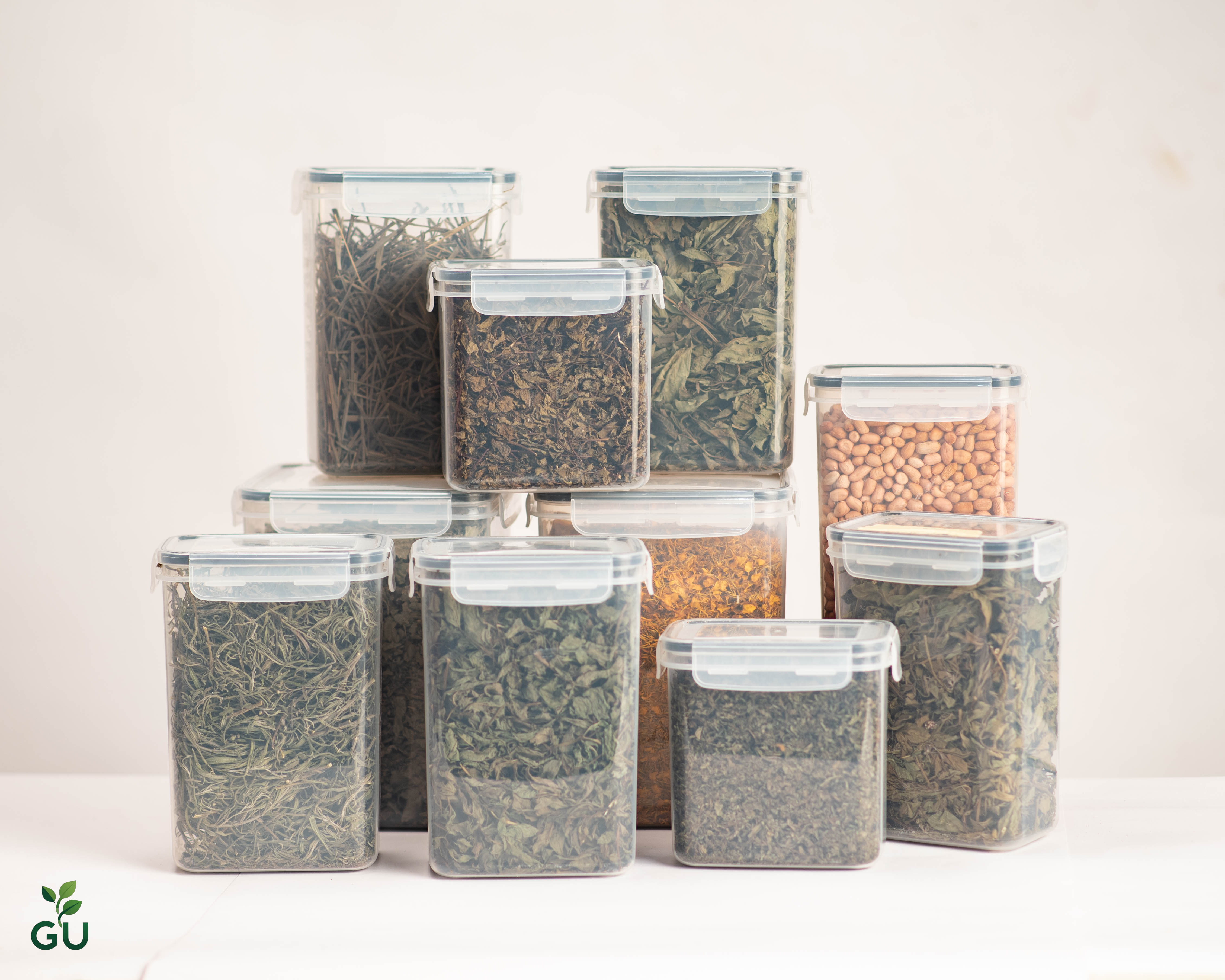
    For days when rain is heavy, or you can’t step outside to cut fresh leaves, keep shelf‑stable options on hand:

    Together, the live plant plus pantry products give you a simple Indian Borage toolkit that covers flavour, comfort and home fragrance.


    Frequently Asked Questions About Indian Borage

    1. Is Indian borage the same as ordinary borage?

    No.

    • Indian borage is Plectranthus amboinicus, part of the mint family, with thick, fuzzy leaves and a strong, oregano‑like aroma.
    • Common borage (Borago officinalis) is a different plant with blue star‑shaped flowers and a cucumber‑like taste, often used for its seed oil.

    This article is about Plectranthus amboinicus, the one sold as Indian borage / Mexican mint / Cuban oregano in our shop.

    2. Can I drink Indian borage tea every day?

    Used like a culinary herb in small, food‑like amounts, Indian borage tea is generally considered safe for most healthy adults in traditional use.

    However:

    • There aren’t many long‑term human studies.
    • If you’re pregnant, breastfeeding, managing a health condition, or taking regular medication, speak to a qualified health professional before using it daily.
    • Stop immediately and seek help if you notice any unusual reactions.

    3. Can children take Indian borage?

    Many families traditionally give mild herbal teas to older children, but safety depends on age, health history and dose.

    We recommend:

    • Avoiding herbal teas in babies and toddlers unless specifically guided by a paediatric professional.
    • For older children, use very weak tea, and only occasionally, after checking with a health practitioner who knows the child’s history.

    4. I’m pregnant or breastfeeding. Is Indian borage safe for me?

    Scientific data in pregnancy and lactation is limited. Some sources recommend caution with concentrated herbal use in these stages.

    It’s best to:

    • Treat Indian borage as a normal culinary herb only, in small quantities,
    • Avoid heavy or long‑term self‑medication with any herb, and
    • Ask your doctor or midwife before using Indian borage regularly as tea or steam.

    5. How many leaves should I use in cooking?

    For a family‑sized pot (4–6 servings):

    • Start with ½–1 teaspoon dried leaves or 2–3 fresh leaves, chopped.
    • Taste, then add a little more if you want a stronger flavour.

    It’s easier to add more later than to fix an over‑herbed pot.


    Ready to Give Indian Borage a Home?

    If you’ve been curious about this bold little herb, now is a good time to add it to your home routine—gently, safely and deliciously.

    Here’s how to get started:

    Browse more nature‑powered goodies on greenunison.com, or explore our full herb range via our WhatsApp catalogue:
    👉 https://wa.me/c/2348103043789

    Want personalised help choosing what to order?

    👉 Chat with us on WhatsApp

    Let Indian borage earn its spot as the “emergency herb” in your home—quietly waiting in its pot or jar, ready for those little moments when you need comfort, flavour or freshness in a hurry.

  • From Our Farm to Your Cup: How We Preserve Herbal Goodness in Every Dried Leaf

    From Our Farm to Your Cup: How We Preserve Herbal Goodness in Every Dried Leaf

    There’s something special about sitting down with a warm cup of herbal tea or stirring a spoonful of fragrant herbs into a simmering pot – especially when you know exactly where those leaves came from and how they were treated along the way.

    In this behind-the-scenes look, we’re taking you on the journey our dried herbs make – from our fields to your cup – and how we protect flavour, aroma and quality at every step.

    If you’ve ever wondered:

    • How are these dried herbs actually made?
    • What makes one brand more trustworthy than another?
    • How do I get the best flavour in my tea or cooking?

    …this guide is for you. 🌿


    What “Farm to Cup” Means for Our Dried Herbs

    “Farm to cup” is simple to say, but it’s a long chain of careful decisions.

    For us, it means:

    • We grow or work directly with growers for the herbs we dry.
    • We control the key steps: harvesting, drying, storage and packing.
    • We avoid shortcuts that might save time but damage flavour, colour or aroma.

    So when you brew a cup of tea made with our dried herbs, you’re tasting leaves that have been gently handled from the field all the way to your kitchen shelf.


    Step 1: Growing Herbs with Care

    Good dried herbs always start as healthy, vibrant plants.

    On our farm in Iperu Remo, Ogun State, we focus on:

    • Healthy soil – building soil with compost and organic matter rather than depending on harsh chemicals.
    • Thoughtful planting – giving herbs enough space, sun and airflow so they grow strong, not stressed.
    • Minimal intervention – we prefer gentle, nature-friendly approaches to keep plants thriving.

    This careful start is what later becomes your:

    Each one starts life as a fresh, living plant before the drying ever begins.


    Step 2: Harvesting at the Right Moment

    The timing of harvest is one of the quiet secrets of quality.

    We aim to:

    • Harvest when leaves are full of natural oils (which carry the aroma and flavour).
    • Avoid harvesting when plants are stressed or waterlogged.
    • Handle leaves gently, so they don’t get bruised before drying.

    You can think of it this way: the better the herb smells in the field, the better it will smell in your jar.


    Step 3: Gentle Drying – Locking In Aroma and Flavour

    Drying is where many herbs lose their magic if it’s done too fast or too hot.

    We rely on carefully controlled drying rather than intense, harsh heat. That means:

    • Warm, carefully controlled conditions rather than scorching temperatures.
    • Leaves spread out so air can move around them.
    • Patience – allowing herbs to dry fully without rushing.

    This slow, even drying helps:

    You’ll notice the difference when you open a pouch of dried lemongrass leaves or dried lavender, and the scent greets you immediately.


    Step 4: Thoughtful Storage and Food-Safe Packing

    Once herbs are fully dry, the next big enemy is moisture and light.

    To protect quality, we:

    • Store dried herbs in airtight containers in a cool, dry place before packing.
    • Pack them into resealable, stand-up pouches that keep out moisture and dust.
    • Store them away from direct sunlight and heat until they’re ready to ship.

    On your side at home, a few simple habits help keep them fresh for longer:

    • Seal the pouch tightly after each use.
    • Keep herbs in a cool, dry cupboard (not right above a steamy cooker).
    • If you decant into jars, use clean, airtight glass and label the jars with the date.

    A quick rule of thumb: if the herbs no longer smell fragrant when you crush a small pinch between your fingers, it’s time to refresh your stash.


    Step 5: From Shelf to Cup – Brewing Dried Herbs the Right Way

    How you brew your herbs also affects what ends up in your cup.

    Here’s a simple starting guide you can follow for most of our dried herbs for tea:

    Basic Herbal Tea Method (Per Mug)

    • Herbs: 1–2 teaspoons of dried leaves or petals
    • Water: 250 ml freshly boiled water
    • Time: 5–10 minutes of steeping, covered

    Steps:

    1. Add the herbs to a mug, teapot, or infuser.
    2. Pour in hot water and cover – this helps trap the delicate aroma.
    3. Steep for 5–10 minutes, depending on how strong you like it.
    4. Strain and sip. You can sweeten it with honey or sugar, or enjoy it plain.

    You can use this method for:

    For deeper recipes and step-by-step photos, you can also read:


    Not Just for Tea: Cooking and Everyday Uses

    Because our herbs are food-grade, you can use them beyond tea:

    For more ideas, you might enjoy:

    Note: All tips in this post are for culinary, home and general lifestyle use only and are not medical advice.


    Frequently Asked Questions About Dried Herbs

    1. Are dried herbs as good as fresh?

    Fresh and dried herbs each have their role.

    • Fresh herbs are lovely for garnish and quick, bright flavours.
    • Dried herbs are concentrated, convenient and easier to store.

    When herbs are dried properly at low heat and stored well, you only need a small amount to add plenty of flavour and aroma to drinks and cooking.

    2. How long do dried herbs last?

    Flavour and aroma naturally soften over time.

    • Unopened packs are best enjoyed within about 12 months when stored correctly.
    • Once opened, aim to use them within about 6 months for the best aroma and taste.

    Always trust your senses:

    • If the colour has faded a lot, or
    • The aroma is weak when you crush the leaves between your fingers,

    …it’s a sign to top up with a fresh batch.

    3. Can I blend different herbs in one cup?

    Yes, absolutely. Some simple ideas:

    • Mint + Lemongrass – bright and refreshing.
    • Peppermint + Lavender – cooling and aromatic.
    • Mint + Sweet Basil + Lemongrass – layered herbal flavour for savoury broths.

    Start small, take a sip, and adjust the ratio until you find your favourite mix.

    4. Can I use the same herbs for tea and cooking?

    Yes. Many of our herbs are versatile:

    Just remember that dried herbs are more concentrated than fresh, so you usually need less.

    5. How are your dried herbs different from what I might find elsewhere?

    A few key differences:

    • We focus on low-heat drying, not harsh heat that can burn away aroma.
    • Our herbs are sorted and cleaned carefully, with food-safe handling.
    • We use resealable, food-grade pouches, not thin bags that let in moisture.
    • You know exactly where they come from – straight from our farm and trusted partners.

    Ready to Taste the Difference? 🌿

    If you’ve been curious about trying dried herbs for tea, cooking or home projects, this is a great time to start.

    Explore our full range of dried herbs here:

    You can order directly on the website or use WhatsApp if that’s easier for you:

    Whether you’re brewing a quiet evening cup, stocking your pantry, or exploring gentle, nature-based projects at home, we’re here to make sure every dried leaf from our farm to your cup is worth savouring. 💚

  • 🌿 Transform Your Event with the Natural Elegance of Our Dried Spearmint 🌿

    🌿 Transform Your Event with the Natural Elegance of Our Dried Spearmint 🌿

    Looking for a unique and eco-friendly way to elevate your event decor? Dried spearmint offers the perfect blend of rustic charm and aromatic beauty. Its subtle fragrance and earthy aesthetic make it a versatile element for weddings, parties, and intimate gatherings alike.

    Here’s how you can creatively incorporate dried spearmint plants into your event decorations.

    1. Floral Arrangements and Bouquets

    • Mix and Match: Combine dried spearmint sprigs with other natural elements like lavender, eucalyptus, or baby’s breath for stunning centerpieces or hand-tied bouquets.
    • Aromatic Flair: The gentle minty fragrance adds a refreshing sensory touch to your floral decor, creating an inviting atmosphere.

    2. Elegant Table Settings

    • Napkin Garnish: Tie a sprig of dried spearmint around rolled napkins using rustic twine or raffia for a simple yet sophisticated table setting.
    • Place Cards: Attach small bundles of dried spearmint to name cards for a personal, elegant vibe.

    3. Hanging Decorations

    • Herbal Garlands: String dried spearmint with other herbs to create beautiful garlands for entryways or backdrop decor.
    • Green Chandeliers: Weave dried spearmint into greenery hoops or hanging installations for a refreshing, organic visual element.

    4. Favors and Gifts

    • Potpourri Sachets: Fill small mesh bags with dried spearmint and other fragrant herbs for charming, eco-friendly party favors.
    • Mini Herb Bundles: Tie small bundles of dried spearmint with ribbon for guests to take home as thoughtful keepsakes.

    5. Beverage and Dessert Stations

    • Garnish Trays: Elevate your presentation by placing dried spearmint sprigs on trays for cocktails, tea stations, or dessert displays.
    • Decorative Jars: Fill clear glass jars with dried spearmint and complementary herbs for an eye-catching, aromatic touch near food stations.

    6. Natural Centerpieces

    • Rustic Jars and Vases: Arrange dried spearmint sprigs in mason jars for charming, earthy centerpieces perfect for boho or garden-themed events.
    • Candles: Surround pillar candles with dried spearmint on decorative trays for a cozy, aromatic centerpiece.

    7. Aisle Decorations for Weddings

    • Line your wedding aisle with small bunches of dried spearmint in baskets or tied to chairs, creating an organic and soothing ambiance.

    8. Photo Booth Backdrop

    • Create a lush, nature-inspired photo booth backdrop by combining dried spearmint with hanging vines, flowers, and other natural elements.

    Pro Tips for Using Dried Spearmint at Events

    • Preserve the Aroma: Spray dried spearmint with a light mist of spearmint essential oil to enhance its fragrance before the event.
    • Eco-Friendly Choice: Dried spearmint is biodegradable, sustainable, and long-lasting—perfect for environmentally conscious celebrations.

    Why Choose Natural Decor Like Dried Spearmint?

    Incorporating dried spearmint plants not only adds beauty and fragrance to your event but also supports eco-conscious practices. By choosing sustainable decor, you’re making a positive impact on the environment and elevating your event in a meaningful way.


    Order Your Dried Spearmint Plants Today!

    Ready to create a memorable event with natural elegance? Let dried spearmint plants from Green Unison transform your celebration with their beauty, versatility, and eco-friendly charm.

    👉 Order now and bring nature’s elegance to your next event!

  • The Marigold Effect:

    The Marigold Effect:

    How Marigold Contribute to Balance and Healthy Eco-system:

    Bright, vibrant, and cheerful, marigold plants are more than just garden showstoppers. Beneath their golden blooms lie a secret; they’re unsung heroes of the natural world. These remarkable plants 🌱 plays a significant role in supporting and maintaining a healthy ecosystem, making them essential for gardeners, farmers, and anyone invested in sustainable living.

    Let’s dive into the world of marigold and explore how their presence can positively impact the environment and promote a harmonious balance in nature.

    1.) Natural Pest Control: Marigold 🌱 are nature’s organic pest deterrents, often referred to as “companion plants” in gardening.

    • Nematode Suppression: Marigold🌱release natural chemicals, such as alpha-terthienyl, through their roots, which help harmful nematodes (microscopic soil-dwelling pests that damage plant roots).
    • Insect Repellent: The pungent scent of marigold🌱 wards off destructive insects like aphids, whiteflies, and mosquitoes, keeping garden and crops safe from manifestations.
    • Pollinator Attraction: While deterring pests, marigolds, also attract beneficial pollinators like bees and butterflies, ensuring the health and reproduction of nearby plants.

    2.) Soil Enrichment: Marigolds🌱are known for their ability to improve soil health naturally.

    • Phytoremediation: These plants help cleanse the soil by absorbing heavy metals and toxins, making them ideal for areas with soil contamination.
    • Organic Mulch: Once marigold🌱plants complete their lifecycle, they can be composed to create nutrient-rich organic mulch, enhancing soil fertility for future crops.
    • 3.) Biodiversity Boosters: Marigold🌱contribute to the diversity and balance of ecosystem by supporting a wide range of organisms.
    • Shelter for Beneficial Insects: Ladybugs, spiders, and lacewings often find refuge in marigold🌱patches. These insects are natural predators of harmful pests.
    • Support for Pollinator Populations: By providing nectar and pollen, marigold🌱play a crucial role in sustaining populations of pollinators, which are vital for the survival of many plant species.

    4.) Natural Defense in Crop Systems: Farmers and gardeners alike value marigold🌱as a key component of integrated pest management (IPM).

    • Intercropping Benefits: Marigolds🌱are often planted alongside crops like tomatoes, beans, and peppers to act as a protective barrier against pests.
    • Reduced Need for Chemicals: By using marigolds for pests control, can reduce their reliance on harmful pesticides, promoting eco-friendly and sustainable farming practices.

    5.) Encouraging Sustainable Gardening Practices: Incorporating marigold🌱into gardens and landscapes support sustainable and eco-conscious living.

    • Low Maintenance: Marigold🌱are hardy and drought-tolerant, requiring minimal resources to thrive, which converses water and reduces energy use.
    • Chemical Free-Solutions: Their natural pest-repelling properties eliminate the need for synthetic insecticides, contributing to a healthier environment.

    6.) Aesthetic and Emotional Benefits: Beyond their ecological contributions, marigold 🌱 enhance the environment visually and emotionally.

    • Brightening Landscapes: Their vibrant color add life and beauty to garden, parks, and urban spaces.
    • Stress Reduction: Studies suggest that exposure to greenery and colorful flowers like marigold🌱can reduce stress and improve mental well-being. The cheerful appearance of marigold🌱makes any garden or space feel more inviting and serene.

    How to Introduce Marigolds 🌱into Your Environment:

    1.) In Your Garden:

    • Plant marigolds🌱as border around vegetable gardens to protect crops naturally.
    • Add them to flower bed to attract pollinators and enhance biodiversity.

    2.) In Farming Practices:

    • Use marigold🌱in crop rotation systems to improve soil health and combat pests.
    • Integrate them with cash crops like tomatoes, beans, or peppers or natural pest control.

    3.) In Urban Spaces:

    • Add marigolds🌱 to community gardens and greens spaces to promote environmental education and sustainable practices.
    • Place them in pots on balconies or rooftops to create pollinator-friendly micro habits.

    Marigolds🌱are more than ornamental plants; they’re ecological superheroes working silently to balance and nurture the environment. From pest control and pollinator the support to soil enrichment and emotional upliftment, marigold🌱are a true assert to any ecosystem.

    By planting Marigold🌱 you’re not just adding beauty to your space- you’re contributing to a healthier, more sustainable planet. Whether you’re a gardener, a farmer, or simply someone who loves nature. Marigolds🌱 are a powerful reminder that even small actions can make a big difference.

    Have you considered the magic of Marigolds🌱 in your garden or farm?

    Share your experience and inspire others to embrace these blooms for a healthier ecosystem!

  • Marigolds: The Golden Blossom with a Heart of Gold (and Benefits!)

    Marigolds: The Golden Blossom with a Heart of Gold (and Benefits!)

    Marigolds – those cheerful, golden blooms bursting with sunshine – are a familiar sight in gardens everywhere. But these vibrant flowers offer more than just a pop of color. At Green Unison, we believe in the power of marigolds to enhance any garden, and we’ve got plenty of reasons why you should consider adding them to yours (especially since we have enough supply of marigold seeds ready for their new homes!).

    And growing marigolds is easier than you might think! We started with just two marigold plants in March of last year, and by the end of the year, our garden was overflowing with these golden beauties!

    Benefits of Marigolds

    • Pest Control Powerhouses: Marigolds are like the superheroes of the garden, naturally repelling harmful nematodes, aphids, and even pesky rabbits with their strong scent. Say goodbye to harsh chemicals and hello to natural pest control!
    • Pollinator Magnets: Want to attract bees and butterflies to your garden? Marigolds are buzzing with pollinator appeal! Their bright colors and inviting fragrance create a haven for beneficial insects that help your entire garden thrive.
    • Companion Planting Pros: Marigolds are the ultimate team players in the garden. Plant them alongside your tomatoes, peppers, and other veggies to boost their growth and protect them from pests. (If you grow a lot of tomatoes and peppers, Marigold seeds!)
    • Soil-Boosting Superstars: Marigolds help improve soil structure and even suppress weed growth. Talk about a win-win!
    • Edible Beauty: Yes, you read that right! Some marigold varieties are edible, adding a peppery zing to salads and other dishes.

    Marigold Growing Tips

    We are pleased to share with you how we have achieved success in planting Marigold from seeds:

    • Start with seeds: It’s so much simpler to grow marigolds from seeds.
    • Keep it moist: Remember to keep the soil consistently moist after planting.
    • Indoor or outdoor: Marigolds are adaptable and can be grown both indoors and outdoors. For the first 1-2 weeks, they prefer indirect sunlight or some shade, especially during the hottest parts of the day. After that, they’ll need around 8 hours of sunlight to flourish and produce abundant flowers.
    • Feed them well: Don’t forget to add compost or nutrients to help your marigolds thrive.

    Thanks to these simple tips and the magic of our marigold seeds, We created a flourishing marigold haven. You can do it too!

    Marigold Seeds

    Why Choose Green Unison Marigold Seeds?

    • Organically Grown: Our marigold seeds come from organically cultivated plants, ensuring a healthy start for your garden and the environment.
    • High Germination Rates: We take pride in offering high-quality seeds with excellent germination rates, so you can expect a garden bursting with golden blooms.
    • Supporting Sustainable Practices: When you buy from Green Unison, you’re supporting our mission to expand organic agriculture and make our planet a better place.

    Ready to unleash the power of marigolds in your garden? Don’t miss out – our organic marigold seeds are available, so grab yours today! Visit our website or chat with us directly on WhatsApp

    Don’t forget to share your marigold growing journey with us on social media using #GreenUnisonGrows.

  • Be a Part of the Organic Movement with Green Unison

    Be a Part of the Organic Movement with Green Unison

    At Green Unison, we’re passionate about making organic food accessible to everyone. But we can’t do it alone. When you choose Green Unison, you’re not just buying a product; you’re directly supporting our mission to expand organic agriculture and make a positive impact on the planet. Here’s how your purchase makes a difference:

    • Expanding Organic Farms: Your support allows us to partner with more local farmers and help them transition to organic practices. This means more land dedicated to sustainable farming, healthier ecosystems, and greater access to nutritious food for all.
    • Investing in Sustainable Practices: We reinvest your purchase into research and development of innovative organic solutions. This includes developing new products, improving soil health, and promoting biodiversity on our partner farms.
    • Creating a Greener Future: By choosing Green Unison, you’re contributing to a future where organic food is the norm, not the exception. Your purchase helps us advocate for policies that support sustainable agriculture and protect our planet.
    • Building a Community: You become part of a growing community of conscious consumers who are committed to making a difference. Together, we’re creating a demand for organic products that drives positive change throughout the food system.

    Join the Green Unison Movement.

    Every purchase is a vote for a healthier planet and a more sustainable future. Choose Green Unison and be a part of the organic movement.

    Explore our range of organic products today and join us in growing a better tomorrow. Visit our website or chat with us on WhatsApp