Category: Flours and Baking

  • Local Superfoods in Your Pantry: Corn, Plantain & Groundnut Flour Nutrition Unpacked

    Local Superfoods in Your Pantry: Corn, Plantain & Groundnut Flour Nutrition Unpacked

    If your kitchen already has corn flour, plantain flour and groundnut flour, you’re sitting on a mini “superfood corner” without even realising it.

    These three pantry staples are more than swallow and pap ingredients. Used well, they can help you:

    • build more satisfying meals from simple ingredients
    • enjoy familiar local foods with a little more balance
    • reduce how often you rely on heavily processed snacks

    In this post, we’ll unpack – in plain language – what each flour brings to your plate, plus simple, realistic ways to use them every day.

    Kind note: This article is for general food inspiration only and is not medical or nutrition advice. Always speak with a qualified health professional for personalised guidance.


    What makes these flours “local superfoods”?

    “Superfood” is a marketing word, but there is something special about everyday flours made from whole local crops:

    • Corn flour – a source of complex carbohydrates, some fibre and naturally occurring vitamins and minerals that provide gentle, steady energy.
    • Plantain flour – made from unripe plantain, offering complex carbs, fibre and resistant starch, with a mild flavour that fits breakfast, swallow and snacks.
    • Groundnut flour – a concentrated way to add plant protein, healthy fats and flavour to simple meals like pap, soups and smoothies.

    When the flours are carefully dried and finely milled – like the nature-powered flours from Green Unison – you get the benefits of the original crop in an easy, scoopable form.

    You can explore the full range here:

    Now let’s break down each one.


    Corn flour: familiar comfort and steady energy

    Corn flour has always been a comfort staple – from tuwo and pap to simple home baking.

    When it’s milled from whole maize and left unsieved, you keep more of the natural bran and germ, which means:

    • a steadier release of energy compared with many refined flours
    • a bit more fibre to support comfortable digestion
    • naturally occurring B-vitamins and minerals from the grain itself

    Green Unison’s Silky White/Yellow Corn Flour – Effortless Use is finely milled so it mixes quickly and cooks evenly, whether you’re making swallow, pap or a batter.

    Everyday ways to use corn flour

    You don’t need a big recipe book. Small, repeatable moves are enough:

    1. Soft swallow for busy days
      Make a smooth, lump-free bowl of tuwo masara for those evenings when you want something lighter but still satisfying.
    1. Pap for gentle mornings
      Swap part of your usual pap base with corn flour or use Green Unison Instant White/Yellow Pap Powder (Ogi/Akamu) – Easy on the Kitchen for days when you need breakfast quickly.
    2. Light baking and snacks
      Blending a little corn flour into wheat flour can soften the texture of homemade bakes.
      For ideas, see:
      👉 Bake Bakery-Style at Home with Wholegrain Corn Flour (White & Yellow)
      👉 Fluffy Corn-Flavoured Pancakes: A Naturally Sweet Breakfast with Green Unison

    Plantain flour: green plantain in a scoop

    Plantain flour (especially from unripe plantains) is one of those quiet heroes in the cupboard.

    Because it’s made from green plantain, gently dried and milled, it naturally contains:

    • complex carbohydrates that help you feel properly fed
    • fibre and resistant starch, which support a steady, gentle release of energy
    • potassium and other naturally occurring minerals found in plantain

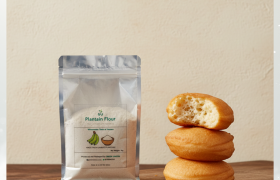
    Green Unison Smooth Plantain Flour (Elubo Ogede) – No Sieving Needed is milled finely enough for swallow and porridge, so it fits into both weekday and weekend routines.

    Everyday ways to use plantain flour

    1. Swallow that feels light but satisfying
      When you want something different from the usual swallows, plantain flour is a great option – soft on the tongue yet filling enough to carry your favourite soups.
    2. 10-minute breakfast porridge
      Turn plantain flour into a creamy bowl instead of always reaching for oats or custard.
      Try this guide:
      👉 10-Minute Smooth Plantain Flour Power Porridge (No Oats Needed)
    3. Snack and dessert twist
      A small amount of plantain flour can be blended into pancake batters, waffle mixes or simple home snacks for a gentle sweetness and extra body.
    4. Soft, guilt-friendly treats
      If you enjoy experimenting, this article shows how plantain flour can transform a favourite street snack:
      👉 Guilt-Free Puff-Puff: The Plantain Flour Revolution

  • Guilt-Free Puff-Puff: The Plantain Flour Revolution

    Guilt-Free Puff-Puff: The Plantain Flour Revolution

    If puff-puff was part of your childhood and weekend memories — the tray at parties, the stall by the roadside and the small-chops table — you’ll know how quickly those golden balls disappear.

    You’ve probably also heard more than once that it’s “junk food” you should avoid or keep strictly for special occasions. This post offers a guilt-free approach that keeps the soul of puff-puff but uses plantain and corn flour to create a lighter, softer and more wholesome-feeling result.

    We’ll open with the cultural story, then explain why this flour mix is a smart, sustainable pantry choice, and finish with a practical, kitchen-tested recipe and trouble-shooting tips so you can make these at home today.


    Puff-puff: a snack that carries memory

    Puff-puff is more than fried dough. It is smell, celebration, and sharing — the little treat that turns up at gatherings and makes people smile. Our aim here is not to replace tradition but to add an option: enjoy a version of puff-puff that is still indulgent, still delicious, but that feels lighter on the palate and sits well with a variety of diets and cooks.


    Why the plantain flour revolution?

    People are increasingly curious about flours beyond wheat. If you’ve ever picked up plantain or corn flour and wondered what else you can do with it, this puff-puff recipe is for you.

    What plantain flour actually does in puff-puff

    When you add Smooth Plantain Flour (Elubo Ogede) to puff-puff batter, a few useful things happen:

    • Softer crumb: Plantain flour holds on to moisture, so the inside stays soft and tender even after the puff-puff cools down.
    • Gentle natural sweetness: You get a mild, earthy sweetness, which means you can keep the sugar level comfortable without losing flavour.
    • Richer colour and aroma: The natural sugars in plantain help the puff-puff take on a warm golden colour and a slightly deeper aroma.
    • Less “heavy” feeling: Compared with using only white flour, many people find this blend tastes indulgent but doesn’t sit quite as heavy after a few pieces.
    • Tasty even the next day: The plantain flour helps the texture stay pleasant when reheated, instead of going tough or dry quickly.

    In short, plantain flour doesn’t just tick a “healthier” box on paper — it changes how your puff-puff looks, smells and feels in the mouth.

    Order Smooth Plantain Flour (Elubo Ogede)

    Corn flour — wholegrain backbone

    A dash of corn flour adds body and a pleasant wholegrain note, helping the puff-puff keep shape while remaining tender.

    Order Silky White/Yellow Corn Flour

    Together, plantain and corn flours are a small revolution in the bowl — they let you keep the familiar flavour while creating a softer, less heavy bite.


    Why choose Green Unison plantain flour for this recipe?

    For this puff-puff, you want plantain flour that is:

    • Finely milled, so it blends smoothly into batter without gritty bits
    • Carefully dried, so the flavour stays clean and the flour doesn’t taste smoky or bitter
    • Consistent from bag to bag, so your results are predictable

    That’s exactly what our Smooth Plantain Flour (Elubo Ogede) is made for. It works beautifully in swallow, but it also shines in recipes like puff-puff, pancakes and waffles — so a single bag goes a long way in the kitchen.

    How much plantain flour do you need?

    This recipe uses about ½ cup of plantain flour per bowl of batter. A standard bag of Smooth Plantain Flour will comfortably cover several family batches, so you can test this puff-puff, then still have enough left for pancakes or swallow during the week.


    The sustainability and “guilt-free” angle

    Puff-puff often gets pushed into the same group as doughnuts and chips – delicious, but treated as “junk” or fast food because it is deep-fried and usually made with only white flour and sugar. Many nutrition professionals will tell you to keep those foods as occasional treats.

    That doesn’t mean puff-puff has to disappear from your plate. It just means we can be more intentional about what goes into the bowl.

    By swapping part of the white flour for plantain flour (and a little corn flour), you are still making a treat, but you are also:

    • Upgrading the ingredients. You are bringing in real plantain and maize, not just refined flour.
    • Adding natural fibre and variety. Plantain and corn flours contribute fibre and micronutrients as part of a varied diet.
    • Making the indulgence feel more thoughtful. You still get that warm, party-snack feeling, but with a recipe that feels less like an “all or nothing” compromise.

    There is also a sustainability side:

    • Support local crops. Using plantain and corn flour encourages local farming and reduces reliance on imported refined flour.
    • Variety in the pantry. Rotating flours gives your cooking new flavours and textures and moves you away from a one-flour-for-everything mindset.

    The result is a puff-puff you can enjoy with a little less guilt: same street-snack nostalgia, but ingredients that line up better with everyday wellness goals.


    Guilt-Free Puff-Puff — base recipe (serves 4–6)

    Base flour ratio

    • 1 cup plain / all-purpose flour
    • ½ cup Smooth Plantain Flour — order here
    • ½ cup Silky White/Yellow Corn Flour — order here

    Other ingredients

    • ⅓–½ cup sugar (to taste)
    • 1 tbsp instant yeast
    • ½ tsp salt
    • ½ tsp grated nutmeg (optional)
    • 1½–1¾ cups lukewarm water (add gradually)
    • 1 egg (optional — helps tenderness and structure)
    • Neutral oil, for deep-frying

    Method

    1. Activate the yeast. Stir the lukewarm water, sugar and yeast; leave 5–10 minutes until foamy.
    2. Mix dry ingredients. Whisk together all flours, salt and nutmeg.
    3. Combine. Pour the yeast mix into the dry blend, add the egg if using, and stir to a thick, scoopable batter (should fall slowly from a spoon). Add water if too stiff.
    4. Proof. Cover and leave in a warm place for 40–60 minutes, until doubled and bubbly — this gives the airy interior.
    5. Fry carefully. Heat oil on medium. Test by dropping a small spoonful of batter: it should sink then slowly rise. Fry spoonfuls in small batches, turning for even browning (a few minutes per batch).
    6. Drain & serve. Use a slotted spoon and drain on a rack or paper towel. Serve warm.

    Notes

    • Plantain flour can brown a little faster due to natural sugars — moderate the oil heat to avoid over-browning.
    • For a wheat-free version, try equal parts plantain and corn flour with 1–2 eggs; expect a softer fritter rather than the classic stretchy puff-puff texture.

    Troubleshooting & tips

    • Batter too thick? Add 2–3 tbsp lukewarm water and fold gently. You want a batter that flows slowly.
    • Puff-puff dense after frying? Either the batter was too stiff or the proofing was insufficient. Give it time to double in a warm spot.
    • Too oily? Don’t overcrowd the pot and keep oil at medium; drain well on a rack.
    • Extra lift: A small splash (1 tsp) of white vinegar or lemon juice added to the batter just before frying can give a quick reaction with baking soda if you use any — a tiny trick for extra lift.

    Serving ideas & variations

    • Spiced sweet: Add a pinch of cinnamon or orange zest for a grown-up version.
    • Savoury twist: Reduce sugar, fold in chopped herbs and a little grated cheese for a tray of savoury bites.
    • Mini party puff-puff: Make smaller balls for canapé-style serving.

    Where to buy and how to order

    Ready to try the plantain flour version? Order your flour combo on greenunison.com or send “PUFF-PUFF” to 08103043789 and we’ll help you choose pack sizes.

    Prefer to order by chat?


    Puff-puff with plantain flour – quick questions

    Can I make this without egg?
    Yes. You can leave the egg out; just keep the batter slightly looser and give it enough time to rise so it stays airy.

    Can I bake instead of frying?
    You can spoon the batter into a greased muffin tin and bake until golden. The texture will be more like soft buns than classic puff-puff, but the flavour will still be lovely.

    Can I use only plantain flour?
    You can, but the texture will be closer to a soft fritter. The plantain-plus-corn-plus-wheat blend in this recipe gives a balance of softness, stretch and shape.


    Final note

    This small plantain-flour revolution keeps the pleasure of puff-puff while offering a guilt-free option that fits modern kitchens and tastes. Play with the ratios, keep an eye on the oil, and enjoy the process — a little experimentation is how the best recipes are born.

    Disclaimer: This article provides cooking guidance and sourcing notes only. It is not medical or nutritional advice.

  • Fluffy Corn-Flavoured Pancakes: A Naturally Sweet Breakfast with Green Unison

    Fluffy Corn-Flavoured Pancakes: A Naturally Sweet Breakfast with Green Unison

    Quick, soft and pleasantly sweet — pancakes reimagined with Green Unison corn flour.
    This post shares a simple recipe that produces light, fluffy pancakes with a clean corn flavour, honest tasting notes from our reviewer, and clear links so you can order the exact products shown.

    Simple Corn-Flour Pancake Recipe

    Makes: 8–10 medium pancakes | Prep & cook: ~10 minutes

    Ingredients

    Optional: For an even softer crumb, mix in a small amount of plantain flour. See plantain flour and other items on the Green Unison Shop (plantain flour and all products).

    Method

    1. In a bowl, sieve the wheat flour and add the corn flour. Add sugar, baking powder and a pinch of salt. Whisk to combine and remove any lumps.
    2. In a separate bowl, whisk the egg with the milk and oil.
    3. Pour the wet mix into the dry mix and whisk gently until you have a thick, smooth batter. Rest 5–10 minutes to let the flours hydrate.
    4. Heat a frying pan on medium and grease lightly. Pour the batter (about ¼ cup per pancake). Wait for bubbles to form on the surface and the edges to look set, then flip and cook until golden.
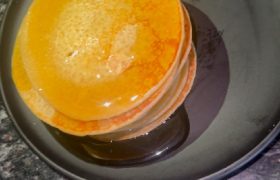
    5. Stack, drizzle with honey and enjoy.

    Tip: If the batter feels too thin, add a dash more corn flour. If too thick, loosen with a splash of milk. Aim for a thick, smooth, consistent batter before cooking.

    Why Green Unison corn flour works so well

    • Natural sweetness: corn adds a pleasant, subtle sweetness so you can reduce added sugar.
    • Fine milling → smooth batter: Green Unison corn flour blends easily, producing a silky, lump-free batter that cooks into a tender pancake.
    • Fluffy texture: with the right leavening (baking powder) and a gentle whisk, pancakes rise light and airy.
    • Versatile: use on its own for gluten-free pancakes or blend with plantain flour for extra softness.

    Honest tasting notes from the reviewer

    “Very fluffy inside.”
    “Just clean and natural flavour.”
    “No lumps no aftertaste.”
    “corn flour blends so with batter.”

    These short comments reflect what we experienced: a golden stack that tastes naturally sweet and finishes cleanly on the palate.

    Ready to order? Clear product links and ordering

    Buy the exact corn flour used in this recipe:

    Other products and complementary flours:

    Order by WhatsApp (quick and personal):

    We’re happy to advise on quantities, mixing ratios (corn vs plantain or wheat) and delivery options — just message us on WhatsApp.

    Final notes and serving ideas

    • Try a 1:1 mix of corn flour and plantain flour for extra softness (shop link above).
    • Add a splash of vanilla or a pinch of cinnamon to the batter for a warm flavour note.
    • Serve with fresh fruit and honey for a naturally sweet breakfast.

  • Bake Bakery-Style at Home with Wholegrain Corn Flour (White & Yellow)

    Bake Bakery-Style at Home with Wholegrain Corn Flour (White & Yellow)

    In this post, we’ll show you how to:

    • Use unrefined, wholegrain corn flour to get a lighter, bakery-style crumb.
    • Choose between white and yellow corn flour.
    • Combine corn flour with other flours (like plantain) for fluffier, tastier bakes.
    • Try two simple recipes you can make any day of the week.

    Throughout, we’ll be talking about Green Unison Silky White/Yellow Corn Flour – our unsieved, additive-free, wholegrain corn flour that’s finely milled for smooth batters and lump-free tuwo.

    If you prefer to watch a video, take a look at our 47-second YouTube short:


    1. Meet Green Unison Corn Flour (Unrefined & Wholegrain)

    There are many “corn flours” out there. Here’s what makes ours different:

    • Unrefined, wholegrain: the flour is milled from the whole corn kernel, so you’re getting the bran, germ and endosperm, not just starch.
    • Unsieved & additive-free: nothing is taken out, nothing is added. No bleaching, no mysterious “improvers”.
    • Finely milled: engineered to mix quickly into smooth batters and silky tuwo – no gritty bits.
    • Naturally gluten-free: pure maize with no wheat blended in.
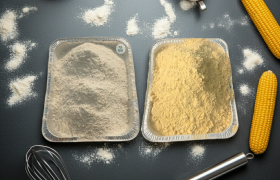
    • Two colours, same quality:
    • White corn flour – lighter colour, delicate flavour.
    • Yellow corn flour – warmer golden colour, slightly deeper corn taste.

    You can order it directly here:


    2. Quick Science: Corn Flour vs Cornstarch vs Cornmeal

    A lot of people online use these words interchangeably. They’re not the same:

    • Corn flour (what we sell):
      Finely ground whole dried corn. It behaves like other flours – you can use it in batters, doughs, and as a thickener.
    • Cornstarch:
      Pure starch extracted from the inside of the corn kernel. It’s mostly used to thicken sauces, custards and stir-fries. It doesn’t bring flavour or fibre and can’t replace flour one-for-one in baking recipes.
    • Cornmeal:
      Also made from dried corn, but more coarse. Great for rustic cornbread and crunchy coatings. If you used cornmeal in a soft cake, it would feel grainy.

    For bakery-style bakes with a tender crumb, we want fine, wholegrain corn flour – exactly what’s in every pouch of Green Unison corn flour.


    3. Three Simple Moves for Bakery-Style Bakes

    These are the same core tips we shared on social, just expanded so you can actually bake with them.

    Move 1: Swap 25% of Your Wheat Flour for Corn Flour

    This is the hero tip from the reel:

    Pro tip: replace around 25% of your wheat flour with corn flour for a softer, bakery-style crumb.

    Why it works:

    • Wheat flour brings gluten, which gives structure but can make bakes tough if overworked.
    • Wholegrain corn flour has no gluten, so when you blend it in, you gently soften the overall structure.
    • The result is a tender, slightly more moist crumb with a subtle corn flavour.

    How to do it

    • If your recipe calls for 2 cups of flour, try:
    • 1½ cups all-purpose flour
    • ½ cup Green Unison corn flour
    • For most cakes, muffins, cupcakes and quick breads, you can go up to 30% corn flour without changing anything else in the recipe.

    Start with a favourite recipe (banana bread, vanilla cake, pancakes) and do the 25% swap. You’ll notice the difference in the very first slice.


    Move 2: Go Higher on Corn Flour (or Gluten-Free) – Add a Binder

    Want to use more corn flour or skip wheat flour completely?

    Because corn flour is gluten-free, it needs a binder to help your bake hold together. Good binders include:

    • Eggs – simple and reliable for most home bakes.
    • Flax “egg” – for vegan or egg-free baking:
    • Mix 1 tablespoon ground flaxseed with about 3 tablespoons of water.
    • Let it sit 5–10 minutes until it turns gel-like.
    • Use this in place of 1 egg in softer bakes like pancakes, muffins and quick breads.

    When you go above 30–40% corn flour in a recipe, make sure you:

    1. Use enough binder (egg or flax egg).
    2. Avoid over-mixing, so the batter stays soft.
    3. Grease and line your pan well, because gluten-free bakes can be more delicate when hot.

    This move is perfect if you’re experimenting with lighter, gluten-free-leaning recipes but still want simple, everyday ingredients.


    Move 3: Pair Corn Flour with Plantain Flour for Moist, Fluffy Crumb

    In the reel we also talked about pairing our corn flour with other flours. One combo we love in the test kitchen:

    10% plantain flour + 15% corn flour + 75% wheat flour

    Why it’s powerful:

    • Corn flour adds tenderness and gentle corn flavour.
    • Plantain flour brings natural sweetness and extra body.
    • Wheat flour keeps structure and lift.

    In real life, that could look like this for a cake or pancake recipe using 2 cups flour:

    • 1½ cups all-purpose flour
    • ¼ cup Green Unison corn flour
    • ¼ cup Green Unison plantain flour

    You get a moist, slightly sweet, bakery-style crumb – great for:

    • Pancakes and waffles
    • Muffins and snack loaves
    • Cornbread-style bakes with a softer bite

    You can grab the flours here:


    4. Try It Today: Two Easy Recipes

    These are simple, everyday recipes built around our unrefined, wholegrain corn flour – perfect for testing the tips above.

    Recipe 1: Corn Flour & Plantain Pancakes (Soft & Satisfying)

    Serves: 3–4 (about 8 medium pancakes)

    Dry ingredients

    • ½ cup Green Unison corn flour (white or yellow)
    • ½ cup Green Unison plantain flour
    • ½ cup all-purpose flour (optional – or use more plantain flour for gluten-free)
    • 2 tablespoons sugar (or to taste)
    • 2 teaspoons baking powder
    • ½ teaspoon salt

    Wet ingredients

    • 2 eggs (or 2 flax eggs)
    • 1¼ cups milk or plant-based milk
    • 2 tablespoons melted butter or neutral oil
    • 1 teaspoon vanilla (optional)

    Method

    1. In a bowl, whisk together all the dry ingredients.
    2. In a separate bowl, whisk the eggs, milk, oil and vanilla.
    3. Pour wet into dry and stir gently until just combined. If the batter looks too thick, loosen with a splash of milk.
    4. Heat a lightly oiled pan on medium. Scoop about ¼ cup batter per pancake.
    5. Cook until bubbles form on top and the edges look set, then flip and cook until golden.
    6. Serve warm with honey, fruit, or your favourite syrup.

    These pancakes are soft, slightly sweet and keep you full for longer thanks to the wholegrain blend.


    Recipe 2: 25% Corn Flour Banana Bread (Bakery-Style Crumb)

    Makes: 1 loaf

    Dry ingredients

    • 1½ cups all-purpose flour
    • ½ cup Green Unison corn flour
    • 1 teaspoon baking soda
    • 1 teaspoon baking powder
    • ½ teaspoon salt

    Wet ingredients

    • 3 medium very ripe bananas, mashed
    • ½ cup sugar (white, brown, or a mix)
    • 2 eggs (or 2 flax eggs)
    • ⅓ cup neutral oil or melted butter
    • 1 teaspoon vanilla

    Optional mix-ins

    • ½ cup chopped nuts or chocolate chips

    Method

    1. Preheat oven to 175°C (350°F). Grease and line a standard loaf tin.
    2. In a bowl, whisk together the all-purpose flour, corn flour, baking soda, baking powder and salt.
    3. In another bowl, combine mashed bananas, sugar, eggs, oil and vanilla until smooth.
    4. Gently fold the dry ingredients into the wet, mixing just until you no longer see streaks of flour. Fold in nuts or chocolate if using.
    5. Pour into the prepared tin and smooth the top.
    6. Bake for 50–60 minutes, or until a skewer inserted in the centre comes out clean.
    7. Allow to cool in the tin for 10 minutes, then move to a rack to cool completely.

    You’ll notice the loaf slices cleanly, with a slightly more tender and moist crumb than all-wheat banana bread – that’s the corn flour doing its quiet work.


    5. Common Questions About Baking with Corn Flour

    “Can I use your corn flour for tuwo and swallow too?”

    Yes. Our wholegrain corn flour is designed for silky tuwo / corn swallow as well as baking. Follow the simple ratio on the pack (about 1 cup flour to 2–2½ cups water), whisk into boiling water and stir until smooth and stretchy. Then enjoy with any soup of choice.

    “Is your corn flour the same as cornstarch?”

    No. Cornstarch is pure starch and mostly used a spoon at a time to thicken sauces. Our Green Unison corn flour is wholegrain flour – it goes into batters, doughs and tuwo, and also adds flavour, fibre and colour.

    “What’s the difference between white and yellow corn flour when I bake?”

    They behave the same in recipes. The difference is mostly:

    • White corn flour: lighter colour, very subtle flavour – great when you don’t want to change the colour of a cake.
    • Yellow corn flour: warmer golden crumb and a slightly more pronounced corn taste – beautiful in pancakes, muffins and cornbread-style bakes.

    You can keep one or both in your pantry and swap freely depending on the look you want.

    “Is this medical or nutrition advice?”

    No. This post is for general food and cooking information only. It’s not medical advice and doesn’t replace talking to a qualified health professional about your diet or any health condition.


    6. Ready to Bake Bakery-Style at Home?

    If you’ve been curious about that “Pro tip: replace 25% of wheat with corn flour” from our social content, this is your sign to actually try it.

    • Start with one recipe you already love.
    • Do the 25% swap with Green Unison corn flour.
    • Taste the difference in the crumb, colour and flavour.

    Then come back and experiment with:

    • The corn + plantain + wheat blend for fluffier pancakes and muffins.
    • Higher corn flour ratios + binders for more gluten-free-leaning baking.
    • Using the same corn flour bag for both tuwo and baking, so your pantry works harder for you.

    Shop the Flours


    Prefer to Order on WhatsApp?

    We’ll help you choose the right pack size (from small trial pouches to family and bulk sizes) and arrange fast delivery.

    Happy baking – and tag us when you try your first corn-flour upgrade!


  • Plantain Flour for Better Digestion and Steady Energy: Simple Ways to Use It Every Day

    Some plates leave you feeling warm, satisfied… and completely knocked out afterwards. 🥵
    Other plates feel comforting but light enough that you can still think, work, study or care for family.

    Plantain flour often sits in that second group.

    This article explains, in simple, science-aware language, why many people find plantain flour gentler on the stomach, how it can support steadier energy, and easy ways to use it every day — without making any medical promises.

    You’ll also see where to get farm-powered Smooth Plantain Flour (Elubo Ogede) that is finely milled and ready for swallow, breakfast bowls, smoothies and more.

    Kind note: This article is for general information only and does not replace medical advice. If you have any health condition or dietary restriction, please speak with a qualified health professional before making changes to your diet.


    What exactly is plantain flour?

    Plantain flour is made from unripe plantain that has been:

    • washed and peeled
    • thinly sliced
    • gently dried
    • milled into a fine flour

    Because it is made from unripe plantain, it naturally contains:

    • complex carbohydrates
    • dietary fibre
    • a special type of carbohydrate called resistant starch
    • minerals such as potassium

    At Green Unison, our Smooth Plantain Flour (Elubo Ogede) is:

    • 100% unripe plantain (no mixing, no bulking)
    • low-heat dried to protect colour and flavour
    • finely milled for smooth amala with no sieving
    • packed in resealable, food-grade pouches

    This combination makes it a practical choice for people who want meals that feel satisfying, but not overly heavy.


    Why does plantain flour often feel gentler on the stomach?

    Everyone’s body is different, but there are a few reasons many people say plantain flour “sits better” than some heavy plates:

    1. Fibre and resistant starch

    Unripe plantain flour is naturally rich in fibre and resistant starch (a starch that behaves like fibre in the body).

    • Fibre adds bulk to food and slows down how quickly you digest it.
    • Resistant starch passes through the small intestine without breaking down fully, then is gently fermented in the large intestine by friendly bacteria.

    Together, these can:

    • support regular, comfortable digestion
    • help you feel pleasantly full, not stuffed
    • reduce the “sharp peaks and dips” in energy that come with very sugary or highly refined foods

    Research on resistant starch from different foods shows that it can lower the rise in blood sugar after a meal and support a healthy gut environment when eaten as part of a balanced diet. It is not a cure for any condition, but it is a helpful type of carbohydrate to include in everyday meals.

    2. Naturally simple ingredient list

    Good plantain flour should be just plantain — no added sugar, no whitening agents, no unnecessary additives.

    That simplicity means:

    • you know exactly what is on your plate
    • it is easier to combine with soups, stews and sides that already have spices, oil and protein
    • you can adjust portion size without worrying about hidden ingredients

    3. How you cook and serve it

    The same flour can feel very different depending on:

    • how much you eat at once
    • how thick or soft you make your swallow
    • what you eat with it (very oily, very salty or very spicy sauces will still feel heavy)

    Used in sensible portions, many people find plantain swallow “lighter” and less sleep-inducing than some alternatives — especially at night.


    Plantain flour and steady energy

    Most of the energy in plantain flour comes from complex carbohydrates. Because of the fibre and resistant starch, those carbohydrates tend to be released more steadily than very refined flours or sugary drinks.

    In everyday life, that can look like:

    • fewer sharp “rushes” and “crashes”
    • feeling full and focused for longer between meals
    • being able to finish work, errands or study after eating, instead of fighting sleep

    Of course, your whole plate still matters. Pairing plantain swallow or porridge with:

    • vegetables (for extra fibre and micronutrients)
    • beans, fish, eggs or lean meat (for protein)
    • healthy fats in moderation

    …helps your body use the energy from the flour in a more balanced way.


    Everyday ways to use plantain flour for digestion and energy

    Here are simple, realistic ways to bring plantain flour into your daily routine.

    1. Swallow that doesn’t feel too heavy

    Plantain amala (amala ogede) is the most familiar use.

    Quick method for one small/medium serving

    1. Bring about 2 cups of water to a gentle boil.
    2. Reduce the heat slightly so it is still hot but not bubbling over.
    3. Sprinkle in Smooth Plantain Flour (Elubo Ogede) gradually while stirring.
    4. Keep turning until it becomes smooth, stretchy and lump-free.
    5. Adjust with a splash of hot water if it becomes too thick.

    Serve immediately with your favourite soup or stew. To keep the plate feeling comfortable:

    • use a portion that truly matches your hunger
    • load the bowl with vegetables and quality protein
    • avoid turning the soup into a pool of oil

    2. Warm breakfast bowl for a gentle start

    A warm breakfast can be very soothing, especially for people whose stomachs are sensitive first thing in the morning.

    Simple plantain flour breakfast bowl

    1. Whisk 2–3 tablespoons of Smooth Plantain Flour (Elubo Ogede) into cool water or milk (dairy or plant-based) until smooth.
    2. Cook on low heat, stirring, until it thickens into a porridge.
    3. Sweeten lightly with dates, honey or fruit if you like.
    4. Top with nuts, seeds or a spoon of Finely-ground Groundnut Flour for extra richness and staying power.

    You get:

    • warmth and comfort
    • satisfying, slow-release carbohydrates
    • extra fibre and healthy fats from your toppings

    3. Smoothie or shake booster

    If you prefer to drink your breakfast or afternoon snack, plantain flour can add gentle thickness and extra staying power.

    How to use it

    1. Add 1–2 tablespoons of Smooth Plantain Flour (Elubo Ogede) to your blender.
    2. Pour in your usual smoothie ingredients – for example:
    3. Blend until completely smooth.
    4. Adjust liquid if it becomes too thick.

    Because the flour brings extra fibre and resistant starch, the smoothie can feel more like a proper mini-meal than just a sweet drink.

    4. Baby and toddler porridges (with care)

    Plantain flour has a mild, familiar flavour, which many babies and toddlers accept well once they are ready for family foods.

    You can:

    • cook it into a very soft porridge
    • thin it out with breastmilk, formula or appropriate milk alternatives
    • combine it with pureed vegetables or fruit

    Always follow your paediatrician’s advice on:

    • when to introduce solids
    • how thick the food should be
    • how to handle allergens

    Plantain flour should not replace professional guidance, but it can be one of several gentle staples in the cupboard.

    5. Simple pancakes, waffles and bakes

    You do not need complicated recipes to use plantain flour in snacks.

    Try:

    Because plantain flour is gluten-free, it behaves differently from wheat flour. Start by replacing 20–30% of the wheat portion and adjust from there until you find a texture your household enjoys.


    How to add plantain flour to your routine gently

    If you are new to plantain flour, there is no need to overhaul your whole diet in one week. A slow, thoughtful approach lets you notice how your body responds.

    Here’s a simple plan:

    1. Pick one meal to change first.
      For example, evening swallow or weekend breakfast.
    2. Swap just a part.
      Instead of switching 100% at once, start with half plantain flour and half your usual flour, then gradually increase the plantain portion.
    3. Watch how you feel.
      Notice your digestion, energy levels, mood and sleep before and after meals. Everyone responds differently.
    4. Keep the plate balanced.
      Add vegetables, good fats and proteins so your body has a mix of nutrients to work with.

    If at any point something does not feel right, go back a step or speak with a health professional. Listening to your body is always more important than following any trend.


    Who might especially enjoy plantain flour?

    Plantain flour can fit into many households, but it is especially attractive for:

    • people who want a swallow that feels lighter in the evening
    • students and office workers who do not want to feel sleepy after lunch
    • parents looking for simple, gentle porridges and swallow options for the whole family
    • anyone trying to add more fibre and variety to everyday meals, without giving up familiar flavours

    Again, it is not a medicine and is not meant to diagnose, treat or cure any condition. It is simply a smarter way to use a traditional ingredient, backed by what we now understand about fibre and resistant starch.


    Choosing a good-quality plantain flour

    When you are comparing bags on the shelf or online, look out for:

    • 100% unripe plantain on the ingredient list
    • low-heat or gentle drying methods
    • fine milling for smooth swallow and easy mixing
    • resealable, food-grade packaging
    • no unnecessary additives or bleaching agents

    Smooth Plantain Flour (Elubo Ogede) from Green Unison is made with:

    • carefully washed and peeled unripe plantain
    • thin slices dried under controlled, low-heat conditions
    • fine milling in food-safe equipment for a lump-free finish
    • small-batch packing into resealable stand-up pouches to keep moisture out

    You can also explore other nature-powered flours like:

    See them all together in the Flours eShop.


    Quick answers to common plantain flour questions

    1. Is plantain flour good for digestion?

    Plantain flour naturally contains fibre and resistant starch, which can support comfortable digestion and a healthy gut environment as part of a balanced diet. It is not a treatment for digestive illness, but it is a smart staple if you want meals that feel satisfying without being too heavy.

    2. Does plantain flour give energy?

    Yes. Plantain flour is a rich source of complex carbohydrates, which your body breaks down into energy more slowly than simple sugars. When you combine it with protein, vegetables and healthy fats, it can help you feel energised for longer between meals.

    3. Can I eat plantain flour every day?

    For most healthy adults, plantain flour can appear regularly in the diet — especially when you vary how you use it (swallow, porridge, smoothies and bakes). If you have any medical condition or specific dietary needs, speak with your doctor or dietitian first.

    4. Is plantain flour gluten-free?

    Unripe plantain itself does not contain gluten. Our Smooth Plantain Flour (Elubo Ogede) is made from 100% plantain with no wheat added. If you are very sensitive to gluten or have coeliac disease, always double-check labels and seek personal medical advice.


    Ready to try plantain flour for lighter, steadier meals?

    If you are curious about how plantain flour might feel in your own body, the best way is to test it gently at home.

    • Start with a small bag of Smooth Plantain Flour (Elubo Ogede).
    • Experiment with one or two of the ideas in this article this week.
    • Notice which meals your body enjoys the most.

    You can:

    • Shop online:
      Visit the Green Unison flours collection to see sizes, bundles and other nature-powered staples.
    • Browse the full WhatsApp catalogue:
      Open our WhatsApp catalogue to scroll through products, prices and pack sizes.
    • Chat with us directly on WhatsApp:
      If you would like help choosing plantain flour sizes or you want simple meal ideas for digestion and energy, send us a quick message:👉 Chat with us on WhatsApp

    We’ll help you pick the right pack for your household and share practical ways to enjoy plantain flour from breakfast to swallow — without feeling weighed down. 💚

  • Healthy Eating on a Budget: Why Plantain Flour Belongs in Your Kitchen

    Some pantry items quietly do the heavy lifting. Plantain flour is one of them  simple to use, easy to store, and friendly on the wallet. If you’ve been looking for a staple that keeps mealtimes wholesome without stretching your budget, this guide is for you.


    What Is Plantain Flour?

    Plantain flour is made by peeling, drying and finely milling unripe plantains — that’s it. No colourants, no enhancers, no fillers. The result is a mild, slightly nutty flour that blends beautifully into everyday dishes.

    • Smooth swallow
    • Breakfast porridges and pap-style bowls
    • Pancakes and flatbreads
    • Light, rustic baking
    • Thickening soups and sauces

    Why It Suits a Budget-Smart Kitchen

    Long-lasting and low-waste

    Properly dried flour stores well in an airtight container, so you can buy once and cook for weeks.

    One flour, many meals

    Because it works for swallow, breakfast bowls, pancakes, flatbreads and even light baking, you’ll reach for fewer different flours saving money and cupboard space.

    Clean and consistent

    When a flour is just plantain  no extras  you get a familiar flavour and dependable texture you can trust day after day.

    Everyday Cooking That Feels Good (and Tastes Better)

    Swallow without the stress

    For a smooth, lump-free swallow, whisk a small slurry first, then cook on medium heat while stirring. Prefer lighter texture in bakes or flatbreads? Pair with a little
    Silky Corn Flour
    for extra softness.

    Breakfast that’s ready in minutes

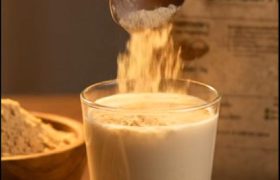
    Whisk plantain flour into warm milk or water for a quick porridge, then finish with fruit, seeds, or a spoon of
    Groundnut Flour
    for aroma and body.

    Snacks and simple baking

    From chin-chin-style bakes to pancakes and flatbreads, plantain flour handles quick comfort foods with ease. If you bake often, browse the full
    Flours collection
    for blends and variations.

    Helpful Tips for Best Results

    • Keep it airtight. Moisture is the enemy of freshness.
    • Make a slurry first. Mixing with a little cool water before cooking helps prevent lumps.
    • Adjust liquids. For pancakes, flatbreads or bakes, add a touch more liquid if your batter feels thick flours absorb differently.
    • Combine thoughtfully. For lighter texture in bakes, blend small amounts with
      Silky Corn Flour.

    Where to Buy

    Ready to stock your shelf?

    You Might Also Like

    Plantain flour is the kind of staple that earns its space: affordable, flexible and refreshingly straightforward. Keep a pouch in the cupboard and supper suddenly gets simpler  whether you’re making swallow, a warm breakfast, or quick pancakes for the weekend.

    ! This article shares general cooking information only. It makes no medical or dermatological claims.