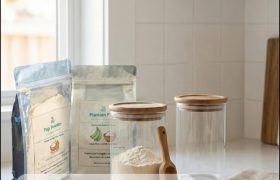
Feeding your little one a nutritious meal shouldn’t be a daily struggle. For many families, pap (also known as ogi or akamu) has long been a go-to first food during weaning. Now, with Pap Powder and Plantain Flour readily available, you can easily prepare wholesome, home-made porridge that babies and toddlers love. This guide will walk you through what Pap Powder and Plantain Flour are, their nutritional benefits, and how to use them to create energizing porridge for your baby or toddler – all with a friendly local twist and zero guesswork.
What Is Pap Powder (Ogi/Akamu) and Why Use It for Baby Porridge?
Pap is a smooth fermented cereal pudding made from maize (corn) and sometimes other grains. It’s a traditional weaning food in Nigeria (called ogi in Yoruba, akamu in Igbo, koko in Hausa) prized for its easy digestion and comforting taste. Pap Powder is simply pap in a convenient dry form – finely milled and ready to cook without the labor-intensive process of soaking and fermenting corn at home.
Why Pap Powder is great for babies: It provides a belly-filling base of carbohydrates for energy, yet is gentle on tiny tummies. The fermentation process breaks down complex starches, making the pap easier to digest for infants. Green Unison’s Pap Powder is 100% natural fermented maize with no additives, so it’s smooth and safe even for babies as young as 6 months starting solids. It’s also gluten-free and contains modest amounts of key minerals like potassium and magnesium from the corn.
When prepared as a warm porridge, pap has a familiar mild taste that babies accept readily. It can be served on its own or mixed with a little milk. Plus, you can adjust the consistency – make it thin and runny for a 6–8 month old, or thicker and more spoonable for an older toddler. (For tips on achieving either creamy pap (ogi) or firm set pap (eko), see our guide “Eko vs Ogi: One Pap Powder, Two Textures” on the blog.) Pap is a blank canvas: you can enrich it with other healthy add-ins as your child grows (more on this later).
👉 Internal link: Learn more about pap’s versatility in Eko vs Ogi: One Pap Powder, Two Textures (how to make a creamy pap vs a firm set pap).
What Is Plantain Flour and Why Use It for Baby Porridge?
Plantain flour is made from dried, milled unripe plantains (known as elubo ogede in Yoruba). It’s traditionally used to make amala ogede (a solid “swallow” meal), but it also shines as an ingredient for porridge and other foods. Plantain Flour brings some superb nutritional benefits to your baby’s bowl:
- Vitamins and Minerals: Unripe plantains are a good source of vitamins A, C, B6, plus minerals like potassium and magnesium. These nutrients support your child’s immunity, growth, and development.
- High Fiber and Resistant Starch: Plantain flour is rich in fiber and resistant starch, a type of carbohydrate that acts as a prebiotic to support healthy gut bacteria and digestion. This means it can help keep your baby’s tummy happy and full for longer. The complex carbs in plantains also provide slow-releasing energy, great for active toddlers.
- Allergy-Friendly: It’s naturally gluten-free, grain-free and contains no added sugar or preservatives – just pure plantain. If you’re looking to introduce variety beyond typical rice or wheat cereals, plantain is an excellent local alternative.
Why plantain porridge is great for babies: For generations, mothers have fed unripe plantain porridge to young children as a complementary food from around 6 months of age. It’s often thought of as “baby food” because of its gentle, nourishing nature. Unlike ripe bananas, unripe plantain flour isn’t very sweet on its own – which is actually good, as it helps your baby learn to enjoy less sugary flavors. When cooked into a porridge with water or milk, it has a creamy consistency similar to oat cereal. Plantain flour porridge contributes valuable nutrients and variety to a weaning diet, though (like pap) it’s not a standalone source of iron or protein. It should be served alongside other foods or fortified (e.g. with a bit of protein) for a balanced meal.
Green Unison’s Smooth Plantain Flour is finely milled so it cooks quickly without lumps, and it’s made from 100% Nigerian plantains with no additives. It’s a “best seller” in our shop for good reason – many moms love using it not just for amala, but also to thicken baby foods and make hearty porridge. In fact, our Plantain Flour is labeled as “great as a mild base for baby foods and weaning porridges” right on the package!
👉 Internal link: Read our in-depth post Local Superfoods: Corn, Plantain & Groundnut Flour Nutrition Unpacked for more on the nutritional highlights of these flours.
How to Prepare Porridge with Pap Powder and Plantain Flour
Making a porridge from Pap Powder or Plantain Flour is quick and beginner-friendly. You can prepare them separately on different days to give your baby a variety of tastes, or even combine a bit of each in one meal (for example, adding a spoon of plantain flour into pap) to blend the benefits of both. Below are simple preparation guides for each:
Preparing Pap Powder Porridge (Ogi Akamu) for Baby
You will need: Pap Powder, clean water (and optionally breast milk/formula or milk for older babies).
- Mix with cool water: In a clean bowl, put 3–4 tablespoons of Pap Powder (for one baby portion). Add a small amount of cool or room-temperature water and stir to dissolve the powder into a smooth, runny paste (no lumps). This step is key to avoid lumps later.
- Add to boiling water: In a pot or kettle, bring about 1–2 cups of water to a rolling boil. Reduce the heat to low, then slowly pour the pap paste into the boiling water while stirring continuously with a spoon or whisk. The pap will begin to thicken almost immediately.
- Cook to desired consistency: Keep stirring on low heat for a few minutes until you see a smooth, creamy porridge. For a baby of 6–8 months, you might stop when it’s a lighter, custard-like consistency. For a toddler, you can cook it a bit longer for a thicker pap. (Tip: If it ever gets too thick, just stir in a little boiled water to thin it out.)
- Cool and enrich: Allow the pap to cool down to a warm (not hot) temperature before serving. Never feed a baby very hot pap – always test the temperature on the inside of your wrist. You can mix in a bit of breast milk or prepared infant formula at this stage to cool and enrich the pap. This not only adds nutrients but also a familiar taste that many babies love. You can also mash in a teaspoon of fruit puree (e.g. banana or pear) for natural sweetness instead of sugar.
Pap is quite plain on its own. For babies under 12 months, avoid adding sugar or honey (honey is unsafe for infants under 1 year old). Instead, rely on the natural mild sweetness of corn or add naturally sweet fruit. As your baby grows, you can introduce a little toddler-safe fortifier: a spoon of Groundnut Flour (peanut flour) or soybean powder can boost protein – though note that Green Unison Groundnut Flour is currently out of stock. Another idea is to serve pap alongside a protein like mashed beans or an egg yolk (for older babies), rather than mixing it in. Always introduce new add-ins gradually to ensure your child tolerates them well.
Preparing Plantain Flour Porridge for Baby
You will need: Plantain Flour, water or milk (plus optional add-ins like fruit or formula as above).
- Stir into liquid: Plantain flour doesn’t need pre-soaking. Start by mixing 1–2 tablespoons of Plantain Flour into about 1 cup of water or milk in a pot before turning on the heat. Stir it well so it’s mostly dissolved. (Using a whisk or even blending it with some of the liquid can help if you want it super smooth.)
- Cook gently: Place the pot on the stove and cook over medium heat, stirring continuously. As it warms up, the mixture will thicken. Continue cooking and stirring for about 5 minutes. You can add a splash more liquid if it becomes too thick. The goal is a smooth, creamy porridge with no raw flour taste. Tip: You can also mix Plantain Flour into already-hot water like pap, but starting cold gives a bit more time to break up lumps.
- Adjust thickness: Just like pap, you can tailor the consistency. For younger babies, a thinner gruel is easier to swallow – simply use more water/milk. For toddlers, you might make it as thick as oatmeal. If it over-thickens, stir in a little warm water to loosen it.
- Add final touches: Once cooked, let it cool to a safe temperature. Plantain porridge has a mild, earthy taste. Enhance it by stirring in some breast milk or formula after it cools slightly, or mix in fruit purees (mashed banana goes wonderfully with plantain!). A pinch of cinnamon or vanilla can also be added for aroma if your baby is old enough for mild spices. No need to add sugar – it’s best for babies to enjoy it as is or with natural fruit sweetness.
Note: Unripe plantain porridge will have a light tan color and a different aroma than corn pap – every baby is different, so if yours isn’t sure about it at first, try combining a small amount of plantain porridge with pap or another familiar cereal initially. Over time, they may come to appreciate the new taste. Many moms report their toddlers actually prefer plantain porridge once they get used to it, because of its creamy, hearty texture.
Serving Tips and FAQs
How often can I serve pap or plantain porridge? – These porridges can be given as a breakfast or lunch for your baby a few times a week as part of a varied diet. Many Nigerian families give pap in the morning. You might alternate between pap and plantain on different days to keep things interesting. Both are quite filling, so a few spoonfuls might be enough for younger babies. Always pay attention to your child’s hunger and fullness cues.
Do I need to mix pap and plantain flour together? – You don’t have to, but you can. Mixing them isn’t an established tradition, but there’s no rule against it. If you do, use a smaller quantity of each so the total remains a normal serving. You might enjoy the slightly thicker texture and broadened nutrient profile that a combo porridge offers. Experiment to see what your baby enjoys – some moms even nickname the mix “power porridge”!
How do I store Pap Powder and Plantain Flour? – Both products should be kept in an airtight container in a cool, dry place. Always use a clean, dry spoon to scoop out what you need. Proper storage prevents moisture and pests from spoiling your flours. If you buy in bulk, you can portion some into a small jar for daily use and keep the rest tightly sealed. Check out our handy Flour & Pap Storage Guide for tips on keeping your pap powder and other flours fresh and weevil-free.
What about nutrition – is pap or plantain flour enough on its own? – On their own, pap and plantain porridge are energy-rich but low in protein. That’s why pediatricians often recommend “fortifying” pap for babies with additional nutrients. For example, you can cook pap with a bit of ground soybeans (to make “soy pap”) or serve egg yolk or fish alongside. In this guide, we’ve mentioned adding breast milk or formula (which add protein), or pairing the porridge with nutrient-dense foods. Plantain porridge similarly benefits from a little boost. The key is balance: use pap or plantain as a base, but rotate in other foods (mashed beans, pureed veggies, fruits, etc.) during the day so baby gets a range of nutrients. Both pap and plantain are excellent for weight gain and energy, while other foods will provide the protein and extra vitamins to round out your child’s diet.
Is Pap Powder/Plantain Flour better than traditional home-made pap? – Nutritionally, they’re comparable to what you’d make from scratch, since the ingredients are the same (corn and plantain, respectively) without additives. The big advantage is convenience and hygiene. Green Unison’s Pap Powder is made with a hygienic, controlled fermentation process, meaning you get the authentic taste of home-fermented ogi but with assured quality (no worries about contamination during the soaking and grinding). It also saves you time – no 3-day fermentation wait, no messy milling or sieving; just mix and cook in minutes. For busy parents, that’s a game changer. Our Plantain Flour likewise comes from carefully selected unripe plantains that are washed, dried and milled under strict quality control. In short, using these ready-made products gives you consistent results and peace of mind, so you can focus on enjoying mealtime with your little one.
Making It Fun and Varied
One of the joys of introducing pap or plantain porridge is that you can get creative as your baby grows. Here are a few ideas to keep things fun and nutritious:
- Mix in natural flavors: Once basic pap is accepted, try stirring in a spoon of puréed dates or mashed ripe banana to pap for a hint of sweetness (dates are a popular local sweetener and are safe for babies when mashed fine or made into a syrup). For plantain porridge, a dash of nutmeg or cinnamon can add aroma – common in many custard recipes – but use only a tiny pinch and ensure your baby is over 8–9 months old before introducing spices.
- Toppings for toddlers: If your toddler is a confident eater, you can top their pap or plantain porridge with soft bits of fruit like cooked apple cubes, mashed strawberries, or a swirl of peanut butter (as long as there’s no allergy). Always supervise them during feeding.
- Combine with other cereals: Pap can be combined with other grain cereals like millet or guinea corn (as in “brown pap” mixes) for more nutrition
- . If you have Green Unison’s whole grains, you could mill a small batch of your own multi-grain mix or simply alternate between corn pap and other cereal porridges on different days. Variety is the spice of life!
- Use Plantain Flour beyond porridge: Don’t forget, you can use plantain flour in pancakes and other recipes too. Once in a while, you might treat your toddler to plantain flour pancakes or use it to thicken a fruit smoothie for them. It’s a great way to get more value out of the pack you bought.
Conclusion and Next Steps
Starting your baby on pap or plantain porridge is setting them on a path of enjoying local, wholesome foods. Many of us have fond childhood memories of a warm bowl of ogi in the morning – and now, with these convenient powders, you can continue that tradition with less hassle. Whether you’re feeding a 6-month-old just tasting their first pap, or a busy toddler who can polish off a bowl of plantain porridge, you’re providing more than just a meal – you’re sharing a bit of our culture and love in each spoonful.
Ready to give it a try? Green Unison’s Pap Powder and Plantain Flour make it easy to whip up nutritious porridge anytime. You can order both products directly from our shop and have them delivered to your doorstep.
👉 Product links: Check out Instant Pap Powder (Ogi/Akamu) and Smooth Plantain Flour (Elubo Ogede) on our e-shop – each product page includes prep tips and size options. Both are available in various pack sizes, so you can start small or stock up.
For a closer look or to ask questions, feel free to view our WhatsApp product catalog (you’ll find Pap Powder and Plantain Flour under the flours section). We’re always here to help you make the best choices for your family. You can even chat with us on WhatsApp – send us a message anytime and we’ll be happy to assist .
Nurturing your baby with healthy food is a rewarding journey. We hope this guide empowers you to use Pap Powder and Plantain Flour confidently as part of your little one’s diet. Happy cooking and happy feeding!
Leave a Reply